
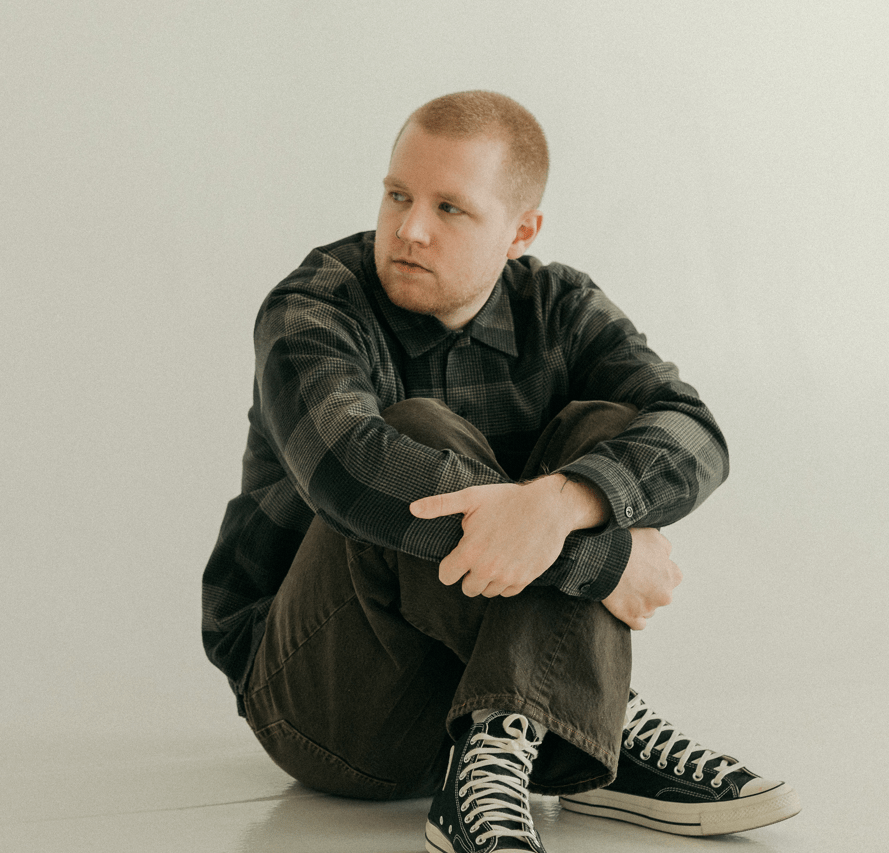
John Doe Trio is back! After a four-year break and critical acclaim for their album Railroaded, they have returned to the studio and are preparing for a new tour. Phil Woollett, the frontman and one of Britain’s brightest blues guitarists, has brought new faces into the band — Lenny Bunn and his talented son, Ben. The past years have been challenging: the pandemic hit the band hard and led Phil to openly address the topic of mental health. Despite the difficulties, he not only kept his passion for music but also aims to use it to speak about important issues. The new album, JDIII, promises to be rich and emotional — for Phil and his team, it’s a true musical adventure. In our interview, we’ll talk about what inspires them, how they overcome challenges, and why music remains their main calling.

Photo by @johndoetriouk
Hello, Phil! We are glad that the John Doe Trio is back on the big stage and congratulations on returning to the studio to work on a new album. After such significant and difficult stages of your journey, we are looking forward to seeing what you will surprise us with this time. What is your main motivation to continue creating and recording music after four years?
Thank you very much, we are delighted to be back too. I think we just feel that we’ve got unfinished business. Because of the pandemic we were never really able to deliver our last album, Railroaded, to the fans properly. The great DJs of the Independent Blues Broadcasters Association and some fantastic local radio guys were really supportive and got the music out their on the radio, but we really are about putting it out there live. That energy you get from playing new material when it’s fresh to people’s ears is unique and, having missed out on that with Railroaded, I think we would have always regretted it if we’d let the journey end there.
Phil, you say that JDIII is “a no-holds-barred adventure.” Didn’t the previous albums leave a sense of incompleteness?
Perhaps not incompleteness but I think we’ve certainly been a little guilty of trying to follow trends a bit, previously, whereas this time we just want to put the real John Doe Trio out there. Essentially we are very much playing what we want to play not what we think we should be playing, and we hope that that will really come across to the fans.
In JDIII, you again raise themes of loneliness and anxiety, but at the same time, you added lighthearted notes to some tracks. Is this an attempt to look at your experiences with humor, or is the lightness in the music your way of hiding the heaviness of these themes?
I’ll never try to hide the difficult themes. I’m trying to get out there as an advocate for mental health awareness but, at the same time, I don’t think music should overload people or shove messages down people’s throats. I think the more light-hearted tracks temper the more meaningful stuff a bit, which is important as music should primarily be entertaining and enjoyable. If some serious messages can be expressed at the same time, then so much the better.
After difficult years and the trials you’ve been through, it’s interesting to know how much personal experiences influenced JDIII. What part of these difficulties did you put into the new album?
JDIII is probably driven by experience more so than either of the previous albums. There will be some deeply heartfelt tracks like “Little J”, an instrumental ballad celebrating the, sadly very short, life of my late son Joel and “Tears in the Wind” which tackles really deep feelings of sadness and depression. Conversely, songs like “Laugh or Cry” are pretty defiantly putting two fingers up at the blues (aka personal hardships) and Tales of the Modern Curse tales a light-hearted view of the very fist-world problems of a middle-aged guy struggling to keep up with the modern world. Essentially, personal experience is a big driver but, as I said before, we wanted it to be balanced, with plenty of positivity to balance to deeper stuff.
The pandemic nearly destroyed the band. And I know that there were some changes in the lineup. Can the new band still be called the same John Doe Trio?
Good question. I guess the dynamic of a band will always evolve a bit when members change but I believe the essence of JDT will always be the same. We’ve been fortunate enough to have a stable lineup for many years and Paul Townsend, our drummer and I have been there since day one. Craig Ferguson, our long-time bassist and great friend, is simply one of the finest musicians I’ve ever worked with, so he’ll be hugely missed having recently moved on, but with new guys coming in you get a new energy, which kind of rubs off on the rest of us. Initially, when I formed the band with Paul it was going to be the Phil Woollett trio but I felt that it kind of put the other guys in the shadows a bit, which didn’t feel right. We adopted the John Doe name because it’s synonymous with anonymity; essentially we are letting the music identify us, so individual personalities or egos kind of take a back seat anyway with JDT.
I must admit, your song “So Long” from Railroaded just won me over — this blues is incredible! Do you have a favorite track that perhaps stands apart for you?
Thank you: that’s very kind. “So Long” is my personal favourite track from Railroaded too (and it’s not just because it’s got the longest guitar solo)! It’s certainly gone down well with audiences too, which is really nice. A guy called Red Grey Matter, on YouTube, got in touch soon after release asking to use it to create a video with, which was very cool. The video was great. Goodness only knows how many views it’s had now, but it certainly got my favourite track out there to the masses.
Four years have passed, the world and people have changed a lot. How do you think your audience has changed, and how different will it be when you return to them with a new tour?
I don’t think I’ve seen a massive change. Funnily enough I wrote part of a book about the blues scene of my home country of Kent and found that blues tends to have an older demographic, with younger people coming to the blues as they get older and their tastes mellow or change. As such I think blues audiences still value getting out and seeing a live band, whereas society generally has perhaps become a bit more insular since the pandemic. Whether that’ll continue in the future is the million dollar question in the music industry, I guess.
After the break, when you returned to recording and concerts, it’s interesting to know: what turned out to be more difficult — getting back into the studio or stepping onto the stage in front of the audience?
We’ve been out there, live, a fair bit anyway, so there’s no big change there. Getting back into the studio has been a bit challenging at times. We’re recording the album in as efficient and cost-effective ways as we possibly can, as that’s very important for independent artists these days, with recorded music revenues being very low. As such we are tracking each instrument individually and putting it back together in the mix, which is a bit nerve racking as you don’t really know if you’ve got it super tight until the end. The benefits are significant in terms of cost though, as we are able to do some of the tracking in home-studio setups rather than paying for expensive studio time, essentially making it viable for the album to go ahead in the first place. We’ve got a cool little video diary of the recording process running on our YouTube channel at the moment, which is well worth a watch.
Supporting others through music became an important goal for you. You actively participated in fundraising for the late Matt Long from Catfish. Were there times when you felt that music itself helped you cope with difficulties?
Very much so. I’ve suffered a fair bit of personal loss and emotional challenges through my life and have always turned to music for solace, in one way or the other. When I saw what the Long family were going through with Matt’s illness it really struck a chord with me, so I was adamant that I wanted to do everything I could do to help. In many ways, the whole situation with Matt helped put things into perspective for me a bit, and it was whilst helping with the fundraising that I decided that we were definitely going to go for a new album and that I wanted to use my privileged position within the music community as a force for good as much as possible.
We all have our dreams and strive to fulfill them. What dream in your music career have you not yet achieved?
I know it sounds a bit corny but I just desperately want to get our music out to as many people as possible, and for as many people as possible to enjoy it. I’ve got no desire for any kind of fame or recognition through awards etc, and it’s very unlikely that we’ll ever make any serious money from JDT, but that’s really not the point. As I’ve mentioned a few times, I just really want to leave a positive musical legacy as having been a force for good, having brought some kind of positivity to as many people as possible. I guess only time will tell how that goes.




 Voxwave Magazine: Music, Culture, Interview, Fashion