
“Vulnerability” – many try to say this word as rarely as possible, let alone apply it to themselves. Emma Lindqvist is not one of them. The Danish artist took the awkwardness of a first love, old behavioral patterns, the fear of not being good enough – and channeled it all into her debut album “Hello tiger, be my friend”. The result is honest. Uncomfortable at times. And very, very beautiful. Shortly before the release, we spoke with Emma. She answered our questions with a clear sense of who she is and no desire whatsoever to please anyone. In an industry that loves to slap on labels and package artists into neat little boxes, this is becoming increasingly rare. And for that very reason – particularly refreshing.
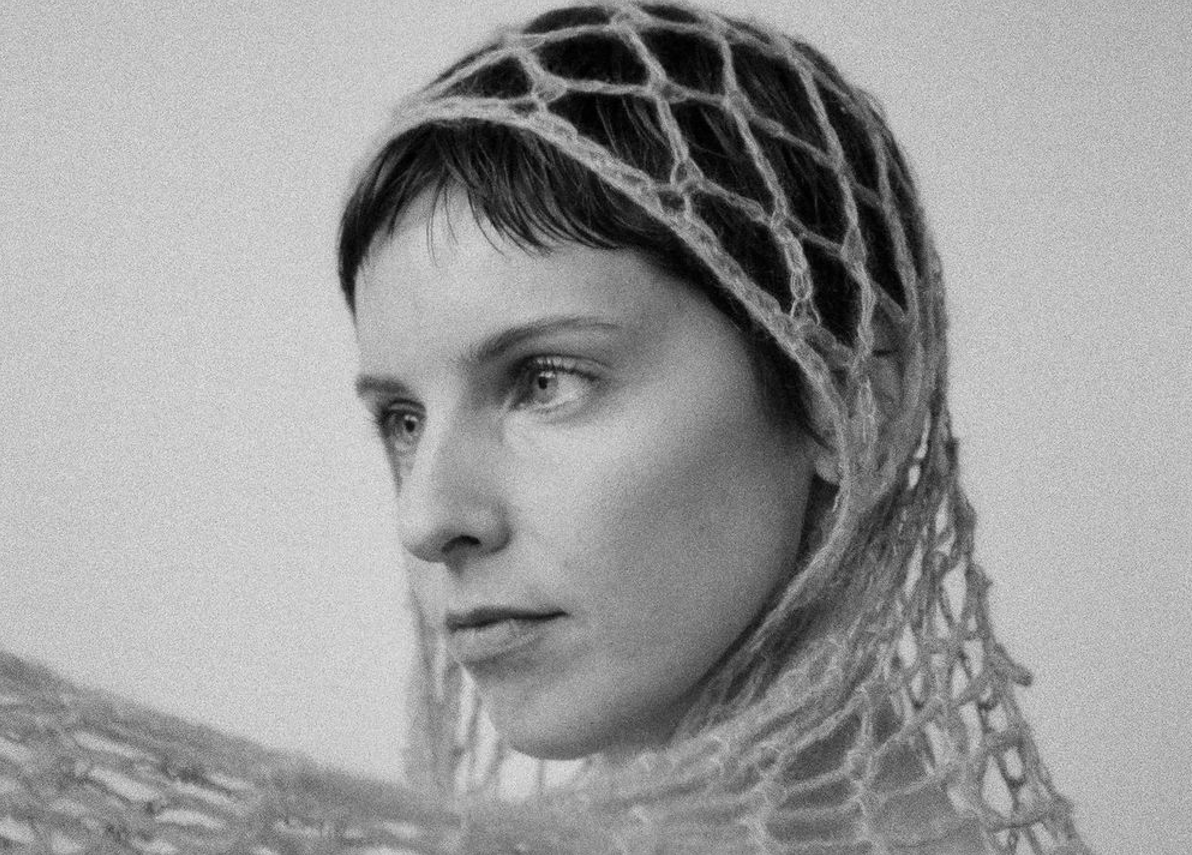
Emma, nice to meet you and to have this conversation. Let’s imagine this isn’t an interview, but a relaxed chat over a cup of coffee. Where would you start telling someone who’s hearing the name Emma Lindquist for the first time?
I’d describe my music as being rooted in storytelling — not only in the lyrics, but also in the sound. Each track forms its own micro-universe, inviting the listener very close to a specific feeling and atmosphere. My music is for people who love played instruments but crave something with a more modern directness. It’s uncompromising and takes its time, allowing the story to unfold.
Every artist has their own starting point – a moment when it becomes hard to imagine life without music. Let’s go back a little. What was the musical environment of your childhood like?
My parents are passionate about music and have always used it to enhance moods. It wasn’t just something playing in the background — it was carefully chosen for each occasion. If we had guests over for dinner, we’d listen to Norah Jones. If there was a party, it was Queen or Deep Purple. I think that shaped my relationship with music, making it strongly connected to emotions and atmosphere. For as long as I can remember, I’ve been very selective about what I wanted to listen to — and especially what I didn’t want to hear. My parents always acknowledged my interest and ability, but they never pushed me or made music my whole identity, which I really appreciate. It allowed me to develop my own relationship with music over time. I’ve never stepped on stage because my mom told me I was talented, but because I felt the drive and curiosity myself.
Scandinavian music has been making a confident impression on the world stage in recent years. And they say Scandinavian artists have a special way of working with atmosphere and mood. Do you think there’s something “very Danish” in your music?
My music has a sense of curiosity and patience that I recognize in other Nordic indie artists. There’s a nerve and a vitality that I admire in musicians like Danish eee gee and Guldimund. I feel like something is happening in Danish pop music right now — people are increasingly drawn to pop that has a twist or a bit of edge. It’s less generic than it used to be, and I find that really exciting. It’s a space where I feel at home.
You once said that you don’t particularly care whether you fit into a genre – what matters is that the process is interesting. It sounds beautiful and very liberating. But let’s be honest – doesn’t that position ever backfire?
So far, I haven’t regretted following my intuition. If you try to make music based on what you think others want, you lose your connection to what you personally find meaningful. Your compass disappears, and I think the enthusiasm would slowly fade as well. In the end, it’s about asking yourself why you’re doing it. If you make music because you love it, then you should keep making it in a way that you love. That also leaves room to grow, to evolve, and to surprise yourself.
And returning to the topic of process. Are you the type who writes at three in the morning with a glass of wine, or rather with coffee at a desk at nine in the morning?
I definitely feel that my inspiration and drive are strongest in the morning, but in reality it can appear at any time. I often find myself writing things down at concerts too, when I’m struck by a line, a mood, or something in a live performance. But if I had to choose, I’m definitely more on the coffee side. And snacks.
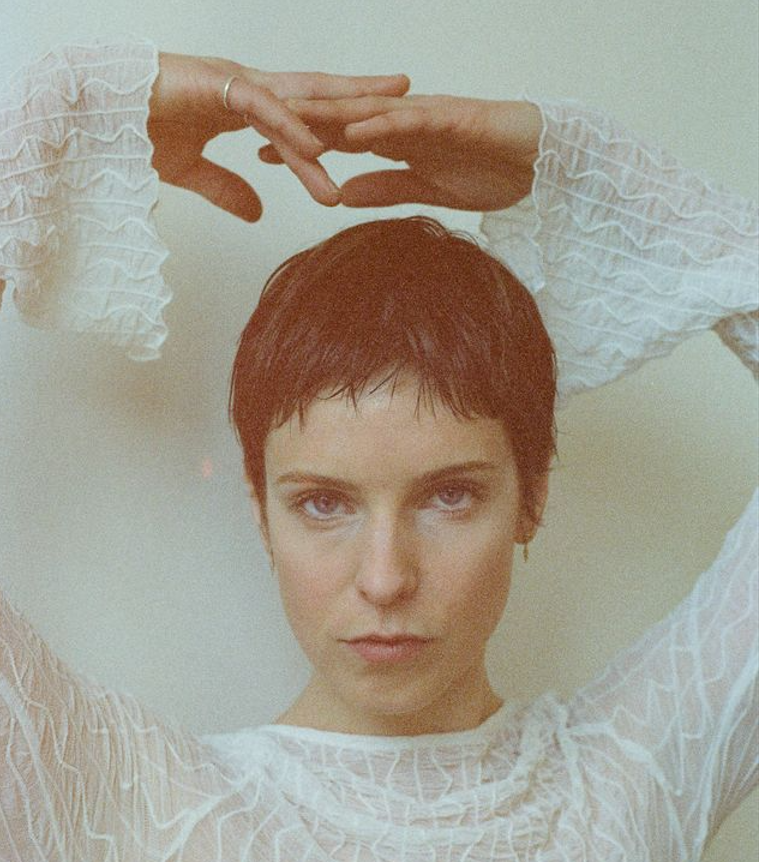
Let’s talk about the new album. Its title “Hello tiger, be my friend” sounds like the beginning of an unusual conversation. How did this tiger metaphor come about?
It actually came about after we had been working on the album for about a year. We had written If I Met Somebody New, and there was something about that jungle-like energy that we both felt very comfortable in. My producer Kristoffer and I thought it sparked some interesting associations. At the same time, we were discussing the cover artwork. One day, Kristoffer came across a drawing of a little girl hugging a tiger in the middle of a jungle, and something clicked. There was something naive, hopeful, and brave about the image that felt right. In many ways, the songs share that same openness — they’re very personal but also courageous. The lyrics deal with falling in love and how it connects us to ourselves while also leading us astray, loving someone who is struggling, and feeling your core change as you move from youth into adulthood. The songs confront life — and the things that scare us — things we can only overcome by befriending them. That’s where the title Hello tiger, be my friend came from.
As I understand it, the tiger represents everything we usually try not to notice in ourselves: fears, vulnerability, old patterns. You say you’ve learned to make friends with it – and that sounds far braver than it seems. At what moment did you first feel it was time to stop running from this “tiger” and try to look it straight in the eyes?
In my mid-twenties, I went through a couple of years where I felt confronted by something within myself. It was as if I had suddenly been placed at a new point in a coordinate system. The core I usually leaned on felt weakened, and my sense of self became hard to locate. It felt like my body was trying to tell me something. After a while, I realized I couldn’t just ignore it or pretend everything was fine. I had to open up and listen to what my body was trying to communicate. That process taught me a lot about myself and my background — about my immediate reactions and emotions. It also made me aware of how much I still have to learn.
The album is very personal – you talk about how in several relationships you suddenly felt the need to leave after a few years. How difficult is it to sing about this publicly?
I don’t find it difficult to sing about these things. It’s harder to talk about them directly if someone asks. The songs allow me to tell the story within a universe that is mine — where I’ve drawn the boundaries. It’s also fascinating how songs can take on new and often deeper meanings over time. I often rediscover my lyrics later and gain a new perspective on the period they reflect. I usually write songs to find clarity or release a feeling, but in the moment I’m more present in the emotion than in the narrative. The story becomes more interesting once I’m out of that feeling. Then I can look at it from the outside and think, “oh, that’s how I felt.”
“Hello tiger, be my friend” comes out on April 10th. Are you the type who refreshes the page every five minutes on release day – or do you try to distract yourself and not think about it?
With time I’ve become less focused on how many people listen right when something comes out. But this time it’s an album — a much bigger release — and the culmination of three years of work. I’m trying to focus on enjoying the fact that the music is finally out in the world, while also looking ahead to the next step.
After such a debut, you usually either want to breathe for a moment or start writing new songs right away. Which scenario feels closer to you?
I think I’ll want to start writing new songs right away. I probably won’t be thinking about releases in the near future, but I’d like to write a lot and keep it as an expression of this particular period in my life. There are many exciting things happening. And then we just want to get out and play as much as possible — to share the music with people.

 Voxwave Magazine: Music, Culture, Interview, Fashion