
A pianist, multi-instrumentalist, composer and – by her own admission, with a touch of irony – something of a pirate. Lettie grew up in Suffolk between rehearsals and apple orchards, weathered a difficult adolescence at the piano with quiet focus, and eventually found herself in a New York studio thanks to a friendship that began on MySpace. Yes, MySpace. Her new sixth album “Pirate Lover” came out on March 25 – and it is exactly what you would expect from someone who has no love for backing tracks, plays the keys with her foot when the moment calls for it, and hits the accelerator to escape her hometown whenever the sat-nav betrays her. We spoke with her about music, loss, and why “pirates” is not only about love – but about survival.
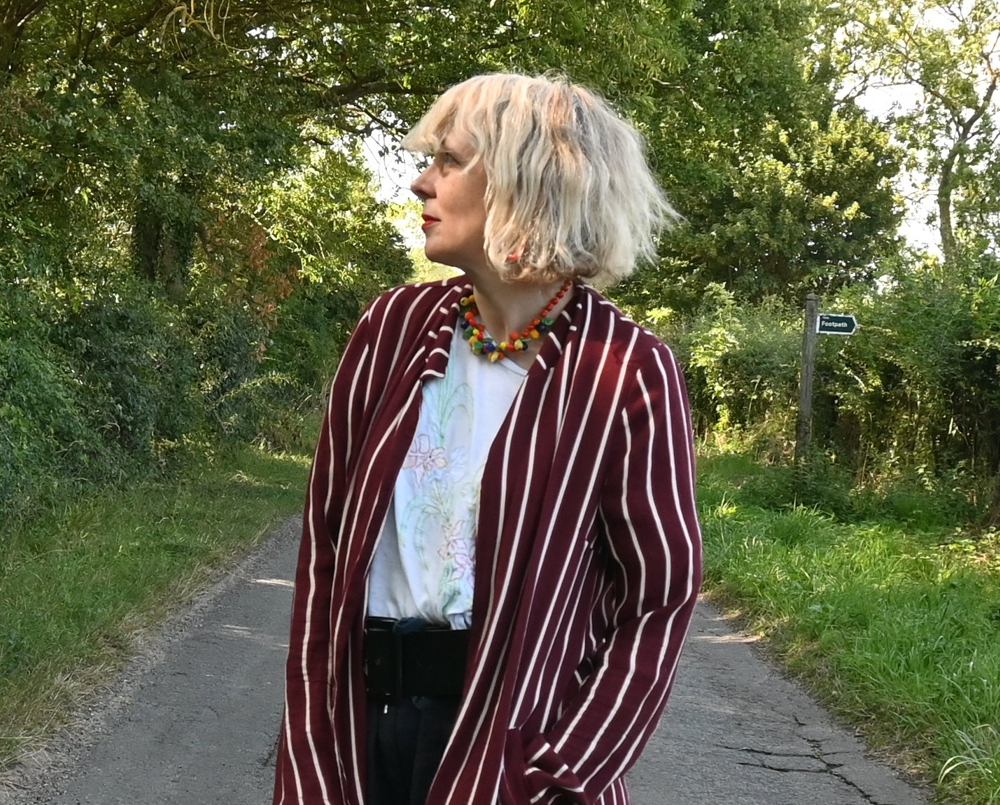
Lettie, nice to meet you, and I’m glad to have the chance to ask a few questions. Let’s start at the beginning. You grew up in Suffolk – even the name itself seems to carry a light breeze from the novels of Charlotte Brontë. Tell me, was your childhood closer to that kind of gothic poetry, or more to a grounded British reality of tea and rehearsals?
I was very lucky that I grew up in a time when there was no internet or social media and for the first part of my life it was idyllic as a result of my father’s success early on in the film business. We lived in the same house that Dr Mike Lynch lived in (often called the UK’s version of Bill Gates). I was there in 2024 just before he died.
My father went bankrupt when I was about 15 and had a nervous breakdown. I worked all the time – in the holidays at the Snape Maltings, in the summer apple picking with a drummer (cause there were several!) from Hawkwind. He picked the tall apples while I picked the low apples and working in the hotel down the road in the evenings. However, I always had time for practise and that ability to concentrate on piano meant I did achieve Grade 8 Distinction just before leaving school when only a year or two before I had scraped Grade 7.
I’ve read that you went to the same school as Ed Sheeran and even accidentally sent him your technical rider. Of course, I’m curious whether he replied, but my question is slightly different: if you could go back to that moment, would you leave everything as it was, or add something a bit more daring?
So I played the day before him. I have ever met him. I am years older so I never crossed paths with him at school. I really do not like his music but I do recognise he is very talented!
I was in Mexico with my musician boyfriend at the time (Hugh Cornwell) and when I heard his song about Framlingham Castle I couldn’t believe that song had made it as far as our tiny little island. We couldn’t get away from it – it was played the entire time! I hated Framlingham. I was very unhappy at that school and if my Waze takes me anywhere near Framlingham by a mistake I have to put the loudest song on Lou Reed’s album The Blue Face called “Waves of Fear” and drive as fast as I can out of that town.
You’re a multi-instrumentalist, and you’ve been described as an artist with a very physical approach to performance – including playing the keyboard with your foot. How did that come about?
I wanted to a perform in a much more exciting way than the usual female singer songwriter acoustic guitar performance that was omnipresent on the acoustic open mic scene. Also keeping a band together particularly when they are not paid is very difficult. It means I can perform pretty much everything I have created anywhere including the tracks I wrote with David Baron without the use of backing tracks which I won’t go on about but I really don’t like them.
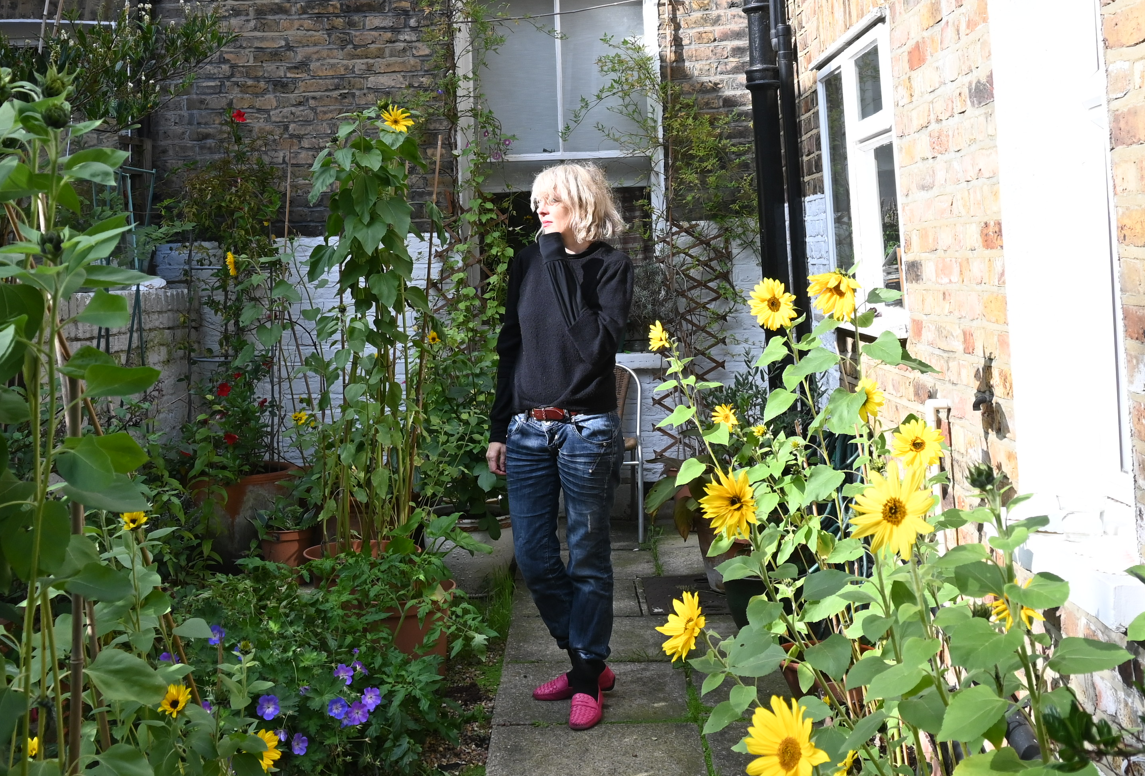
MySpace in 2008 feels like a rather romantic era of musical connections. How did it happen that your collaboration with David Baron started there and went on to span four albums?
I was very active on Myspace. David Baron who is based in the US was hugely successful musician writing jingles and the opening titles music for things like The Anna Nicole Show and Mister T. I was interested in music for film and jingles too. The music business was changing quickly around 2008 and so he wanted to produce artists and he was doing this for free. You can’t imagine what a break that was for someone like me with no money!
After an exchange about music particularly alternative artists that we loved like Laurie Anderson, The Residents and Devo, he came to London with his wife Jinhi and his baby daughter Tamara and shortly after I went over the US to record at the famous Edison Studios which was the largest privately owned studio left in New York hidden above the foyer of the Edison Hotel. This studio no longer exists. I really appreciated the US attitude that you can succeed. The English attitude is always to hide under a bushel, and I have always lacked confidence.
Out of this collaboration of four albums there was always a very deep friendship because Tamara died so young (just before she was two years old). I have a picture of her still in my wallet. I feel I have a spiritual bond of some kind with the family. After Tamara died their son Oskar was born who is a phenomenally good young musician and is one to watch in the future. David is very successful now involved in all manner of commercial music projects including creating the score for the next project of one of the most successful and interesting contemporary photographic videographic artists in the world.
And continuing with albums and your creative work – on March 25, you released *Pirate Lover*, and the title itself feels like it hides a whole story of wind, risk, and perhaps a broken heart. Tell me, did this romantic image come from a specific character, or did you allow yourself a bit of musical adventure?
Pirate Lover the title of which was chosen because it’s the only song on the album with the name that has not been used before when you Google (!) started as a visual song inspired by the book Candide by Voltaire. I think it is about my ex-boyfriend who I felt in the end was a pirate- a pirate of my time. But just recently I think I am a pirate too because I took something from his chest! I was definitely inspired by the song Andy’s Chest by Lou Reed.
Later I thought pirate is such an evocative word for it is surely a lament about Pirate music and how musicians (ones that are doing it full-time) can barely scratch a living in the sand these days or even AI which could be the pirate of the future.
I’ve already had a chance to listen to the album, and I’ll admit it left a very cohesive and warm impression. Out of the nine tracks, I was especially drawn to “Future Imperfect” and “Treading Water” – there’s something very fragile in them. Which songs feel closest to you in mood? Do you have personal favorites?
I have rather over listened to the album now. The last song I wrote was the last one on the album Here We Are – written originally when Tamara died. I think this is the one perhaps means the most to me at the moment also because I tend not to ring anyone up when I’m in trouble or despair and it’s a problem for me.
I am so glad you like Future Imperfect. It includes Francis my brother (13 months younger) on it aged 5 years old or something and myself. I started recording young (on my Fisher-Price!) Francis encouraged me and has often helped me. He paid me some money (I didn’t need much but I needed some) to go on the Peter Murphy tour across Europe in 2009. Francis has worked for 20 years in the corporate world and is about to retire from this job in his late 40s!
The album weaves together very different and powerful stories – from a near-death experience to love among ruins, and even with a former racing driver, which sounds like quite an unexpected plot twist. Were you aiming to tie all of this into one narrative, or did you let these themes exist freely side by side?
I did a lot of editing. I usually work in collaboration or for a label but not alone so it was in the edit that I weaved the stories that were like dreams – I also did a couple of things purposefully. I tried to avoid the minor keys, I took out songs that didn’t fit including a poem by a poet friend who died, a song about a bullfighter and a very long song that was full of anger that I eventually cut at the very last minute.
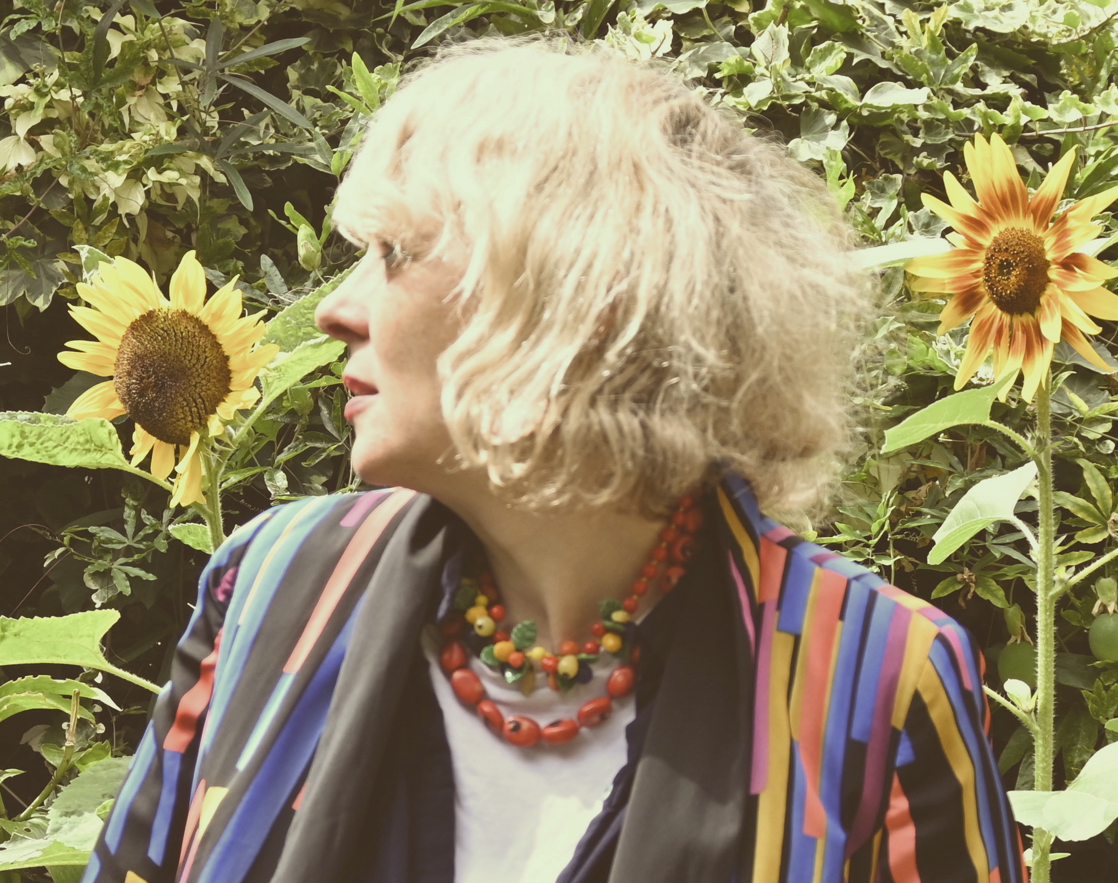
You have a reputation as a musician who firmly avoids backing tracks and stands for fully live sound – so I can’t help but ask: when you found out that your dentist was getting thousands of streams on Spotify using AI, without playing any instrument, did it make you reflect on the state of the industry… or consider changing dentists?
The reason I brought up the dentist is I had actually worked on some of his tracks by creating some instrumentals and he was too busy to write another verse for me! Hilarious …he’s thrilled because I sent him Richard Harris’s son to have his teeth done so I’m all right with my dentist and I must go as I’m long overdue!
You work for a well-known former politician, prisoner, and priest – which sounds like the beginning of a detective story. Without revealing too much: is music in that context more of an escape, or a source of new stories?
I spent more time with my boss than anyone else. He comes up all the time in my music and in my lyrics and I have travelled quite a bit with him. I would never have gone to Kazakhstan on my own. He is more than a boss. He’s like family. The prison part of his work is interesting and I’m really trying to raise funds for his charity at HMP Pentonville. He has just written an article about the Gulf of Hormuz for a major publication this week and researching and typing sermons is actually quite enjoyable. An interesting man who has led an extraordinary life.
And finally: pirates, as we know, live outside the rules. Is there one rule in your life or music you would never break – and one you happily do?
I don’t think I live by any rules in my life or music, but I do have habits I would love to break like the odd cigarette in the evening outside in the garden, an Irish temper that has helped and hindered me and a punctuality that verges on early. However, I was considered a mouse at an interview once and I have spent much of my life proving I am not.


 Voxwave Magazine: Music, Culture, Interview, Fashion