Denying the influence of fashion is foolish, and not recognizing the detrimental dependency on music is madness. Today, we will talk about the crazy tandem of their love. The world of the fashion industry rapidly absorbs reality in all its forms, interacting with culture, politics, and music. It reflects current attitudes towards clothing and accessories, helps express individuality, breaks down taboos, frees from complexes, or, on the contrary, compels us to hide our inner demons in strict attire and layers. This has always been and will always be the case. So, let’s start with rock ‘n’ roll, beloved punks, and don’t forget the gothic “Total Black.” Let’s go!
Rock ‘n’ Roll Rebellion
The love affair between fashion and music began long before the advent of show business, but we will start with the 1950s. It was during this time that the fashion house Christian Dior and Yves Saint Laurent revolutionized the perception of style, abandoning conventional norms of appearance and allowing youthful energy to manifest through clothing. Wardrobes began to feature elements of workwear, military uniforms, crocodile leather jackets, and helmet-like hats. This was the birth of the first fashion subcultures and “youth fashion.” Amidst this rebellion, the king of rock ‘n’ roll, Elvis Presley, became the embodiment of the “rockabilly” style. His famous Perfecto leather jacket became a staple for American pilots and a symbol of masculinity, while his tight denim suit conquered all of America.
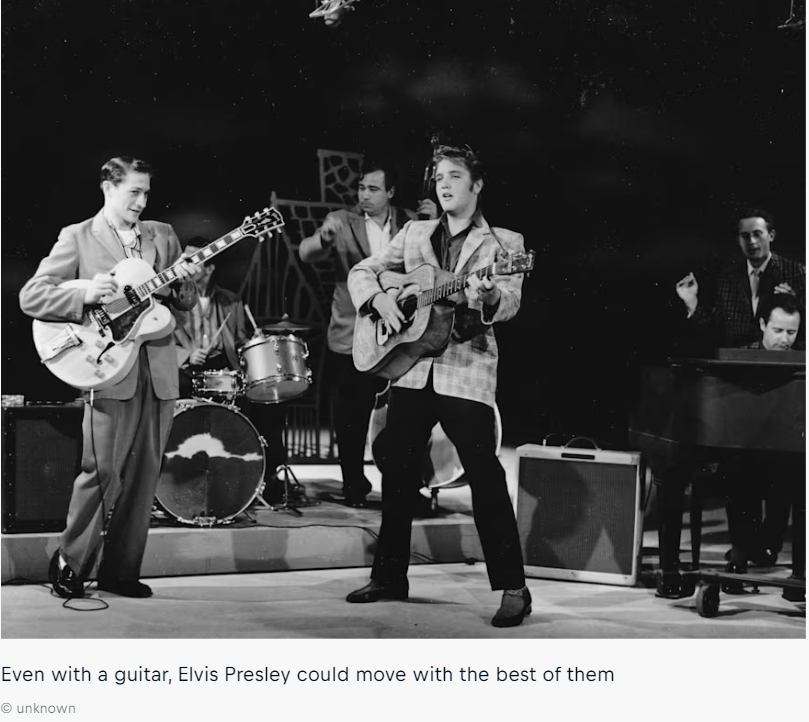
Even with a guitar, Elvis Presley could move with the best of them
The rock ‘n’ roll rebellion continued to shake the USA until The Beatles emerged, calming the fervor. The “Fab Four” introduced tailored “collarless suits” with rounded necklines, narrow “Chesterfield” style trousers, and men’s shoes with heels. Think that’s all? John Lennon made round “teashade” glasses iconic, and they are still associated with The Beatles to this day.
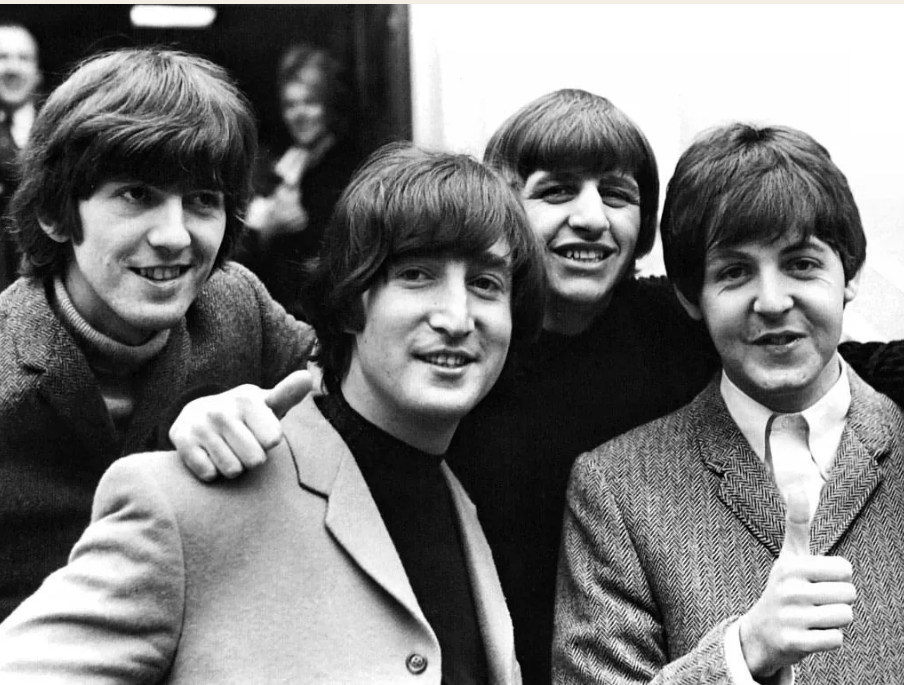
The Beatles / stringsmagazine
Rampant punk and the emergence of the cult of androgyny
Rampant punk and the emergence of the cult of androgyny can be described as phenomena where numerous styles of the 60s and 70s repeatedly resurface on catwalks and in the everyday lives of celebrities. Experimentation, disregard for established rules, and playing with forms and content led to the emergence of retro-futurism and boho styles. However, the most prominent were punk style and the cult of androgyny, expressing the emotional intensity of that time. In a short period, there was a significant shift from the “flower children” of the 60s, preaching universal love, to the fierce and uncompromising punks of the 70s who rejected all norms. Today, this may seem like madness, but at that time punks struck a balance between different styles and worldviews, inspiring them to engage in creative and rebellious experiments.
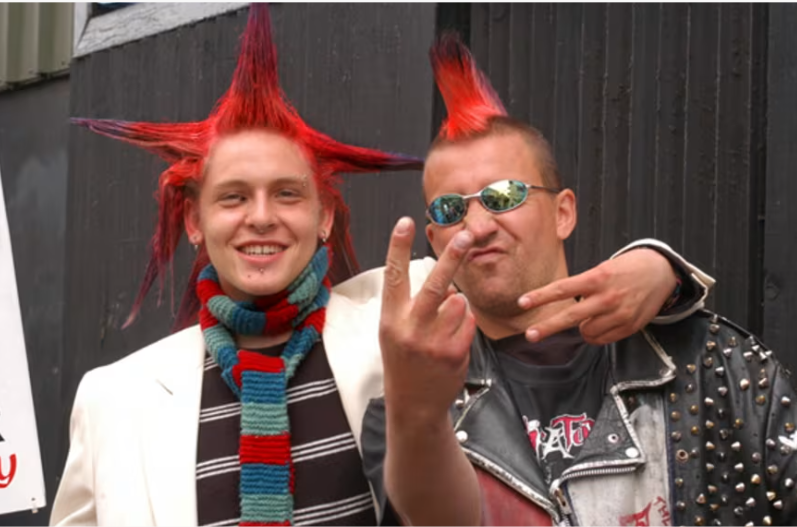
Rampant punk © mcgarry83
Vivienne Westwood pioneered a completely new culture infused with bold sexuality and a call for love. The early punk fashion wardrobe featured inside-out school blazers, bondage trousers, tight T-shirts with lightning bolt prints piercing the chest. Add to this mix erotic slogans and English safety pins as adornments instead of traditional jewelry, and you’ll grasp the essence of punk style in clothing. This revolutionary fetishism extended beyond teenage aggression and found appreciation not only among the designer’s peers but also among musicians.
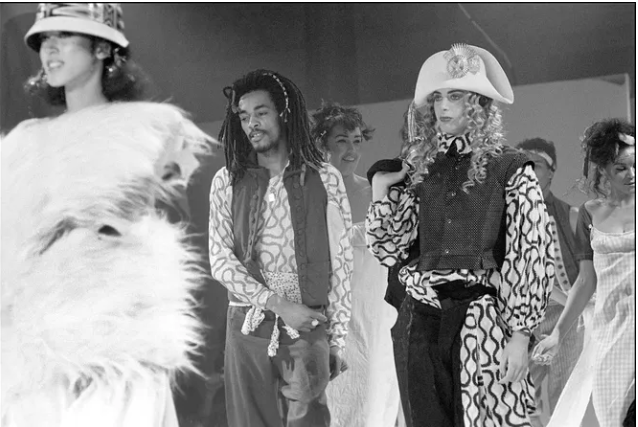
Vivienne Westwood Pirates Collection, 1981
DAVID CORIO/GETTY IMAGES
It’s amazing, but at this moment representatives of the “space” style are beginning to emerge within existing genres, showing characteristic traits of androgyny. It’s hard to imagine, but in the 70s-80s, David Bowie introduced a new provocative image for fans, challenging conventional gender norms. Later, the glam rock group Gossip drew on Bowie’s innovations and in 2007 displaced the typical beauty standards like the 90-60-90 figure. Lead singer Beth Ditto took the stage despite her small stature, fuller figure, non-traditional orientation, and graced the covers of international glossy magazines.
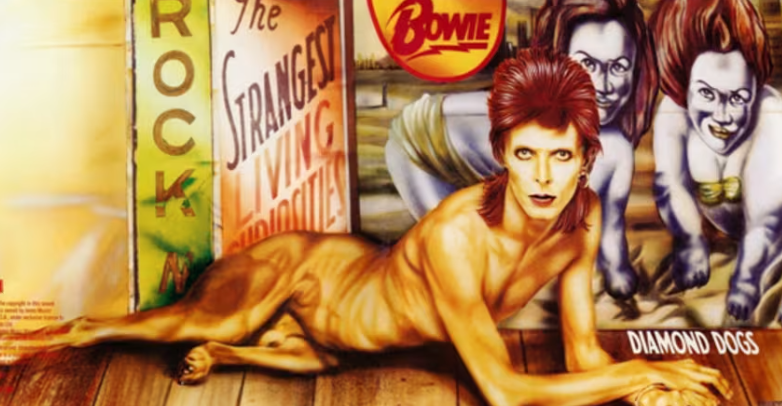
The provocative image of David Bowie © @loyal2me_photo
“Total black” of the gothic culture
Post-punk evolved in the 1980s into the gothic culture, immersed in total blackness, velvet, and a love for symbols. It was the eccentric appearance of Robert Smith and the melancholic expressiveness of Joy Division that helped shape the aesthetics of this new subculture.
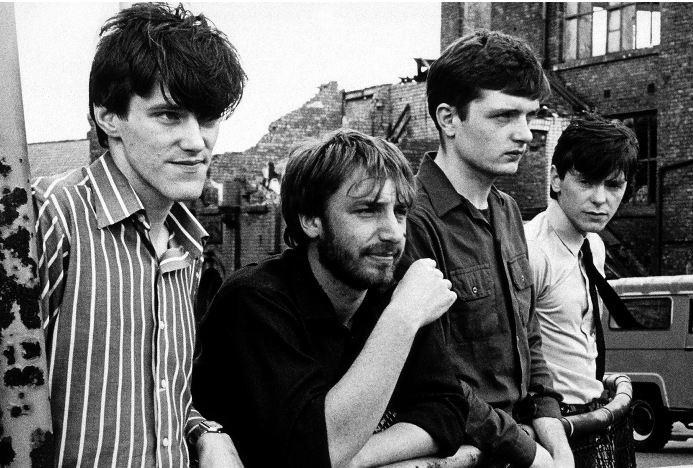
Special / Joy Division
Next time, we will delve into the wild 90s, remember Madonna, and finally explore the business empires that have already conquered the world.