
For many, classical music represents the pinnacle of high art and remains a vital part of the world’s cultural heritage. The name of Gabriel Fauré is well-known, yet not every modern listener fully appreciates the legacy of this legendary composer, whose work continues to inspire admiration to this day. Gabriel Fauré was the embodiment of a French romantic, if one may say so, a romantic in music. France at the turn of the century – a refined and multilayered cocktail, much like the works of Gabriel Fauré, where the scents of delicate notes intertwine, leaving an aftertaste of something ethereal and memorable. His refined approach to music inspired the pianist Dustin Gledhill.
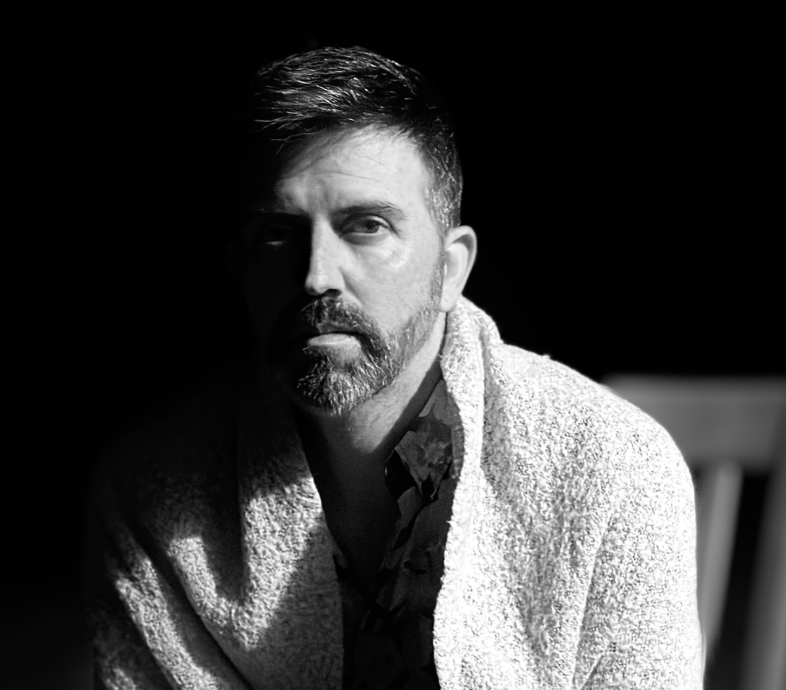
Photo by @dustingledhill
The new album “Live at Wigmore Hall – 2010,” recorded on the legendary London stage by the pianist, comes out as a musical homage to the centenary of Gabriel Fauré’s passing. This concert at Wigmore Hall is part of Gledhill’s triumph, the first laureate of the prestigious International Piano Competition in New Orleans. The album, a follow-up to Gledhill’s “Live at Wigmore Hall (2006),” is dedicated to the master of French Romanticism and includes selected works by Gabriel Fauré, François Couperin, and Sergei Prokofiev. Through Dustin Gledhill’s virtuoso performance, the listener is transported to an era where art was expressed in half-tones, where hints matter more than words, and music is the true language of feelings.
Nocturne No. 6 in D-flat Major, Op. 63 opens the album and is considered one of Gabriel Fauré’s finest pieces – this work from the composer’s late period reflects his mature expressiveness and mastery. Dustin Gledhill captures the atmosphere of serene contemplation, bringing to the piece the finest harmonic nuances and bold modulations. His rendition of the nocturne is marked by the flexibility of phrasing, subtly conveying the melancholy of the piece. The plasticity of dynamics, the transitions from pianissimo to more intense moments, convey the lightness and transparency of the melody. He performed the intricate passages virtuously, without overloading the chords, and skillfully balanced rhythmic freedom with formal structure. Hidden polyphony emerges through his playing, and the combination of expression and restraint is shrouded in elusive beauty and gentle sorrow – key traits of Fauré’s late style.
The concert continues with the solo for piano or harpsichord “Les ombres errantes” (The Wandering Shadows) and “”La Mystérieuse (The Mysterious), written by the French Baroque composer François Couperin from the 25th Order and the fourth book of his numerous Pièces de Clavecin. These pieces reflect the composer’s special attention to musical expressiveness, the interplay of light and shadow, and the creation of a mystical and enigmatic atmosphere, characteristic of Baroque music. In performing these works, Dustin found the harmony intrinsic to Baroque music, where silence and sound dance in close unity, becoming an inseparable part of the musical narrative. His hands move with ease, yet behind each of these smooth gestures lies intense focus. He masterfully shapes every accent and pause, so that the music becomes a living space. The piano, unlike the steel-like precision of the harpsichord, conveys a deep, rich sound yet retains that elusive lightness that defines the essence of the Baroque-transparency, intimacy, and astonishing dynamic flexibility. The melodies, like clouds, dissolve into the air, leaving behind only the shadows of emotions, barely perceptible yet incredibly piercing.

Photo by @dustingledhill
On the album, the pianist presented a magnificent performance of Piano Sonata No. 4 in C minor, Op. 29 by Sergei Prokofiev, written in 1917. The sonata consists of three movements, each revealing its unique character.
The first movement, Allegro, molto sostenuto, begins with powerful chords and rapid passages. The pianist skillfully controls the dynamics, creating contrast between dramatic and restrained moments. Filled with a storm of emotions, this movement reflects the inner struggle and vivid drama characteristic of Prokofiev’s music.
In the second movement, Andante assai, the performance becomes more lyrical. The slow tempo allowed the pianist to unveil the piece’s sensual atmosphere. Every chord and melody is filled with emotion, and a hidden tension slips through even the calm rhythm.
The final movement, Allegro con brio, brings back a dynamic and vibrant sound. The energy of the performance is incredible: the pianist brilliantly handles the rapid passages and intense transitions, creating a palpable flow of energy and dynamism.
The album “Live at Wigmore Hall – 2010” brings to life the atmosphere of French Romanticism and early 20th-century classics. Gledhill virtuously conveys the nuances of the works by Gabriel Fauré, François Couperin, and Sergei Prokofiev. The pianist masterfully captures the essence and character, from the shadows of the Baroque to the light of French Romanticism, breathing new life into the legacy of Fauré and his contemporaries on the legendary Wigmore Hall stage. This album will be a surprise for music lovers: it unveils a new, barely perceptible language of feelings and harmony, emphasizing the epic and beauty of a legacy that is worth hearing again.
Published in partnership with SubmitHub







 Voxwave Magazine: Music, Culture, Interview, Fashion