
Summer is the time when the city fills with the rhythms of hot singles, and playlists explode with sunny hits. It feels as though the very atmosphere demands dancing, drive, and an endless celebration. But summer also has another side – quiet, reflective, filled with the soft light of sunset and the rustling of leaves. Sometimes, all you want is to escape the hustle and find yourself on the riverbank, by the sea, or in a cozy garden where the evening air is filled with the scent of herbs and a gentle coolness… And it is in such moments that music, inviting you to sit down and simply be yourself, becomes especially cherished.
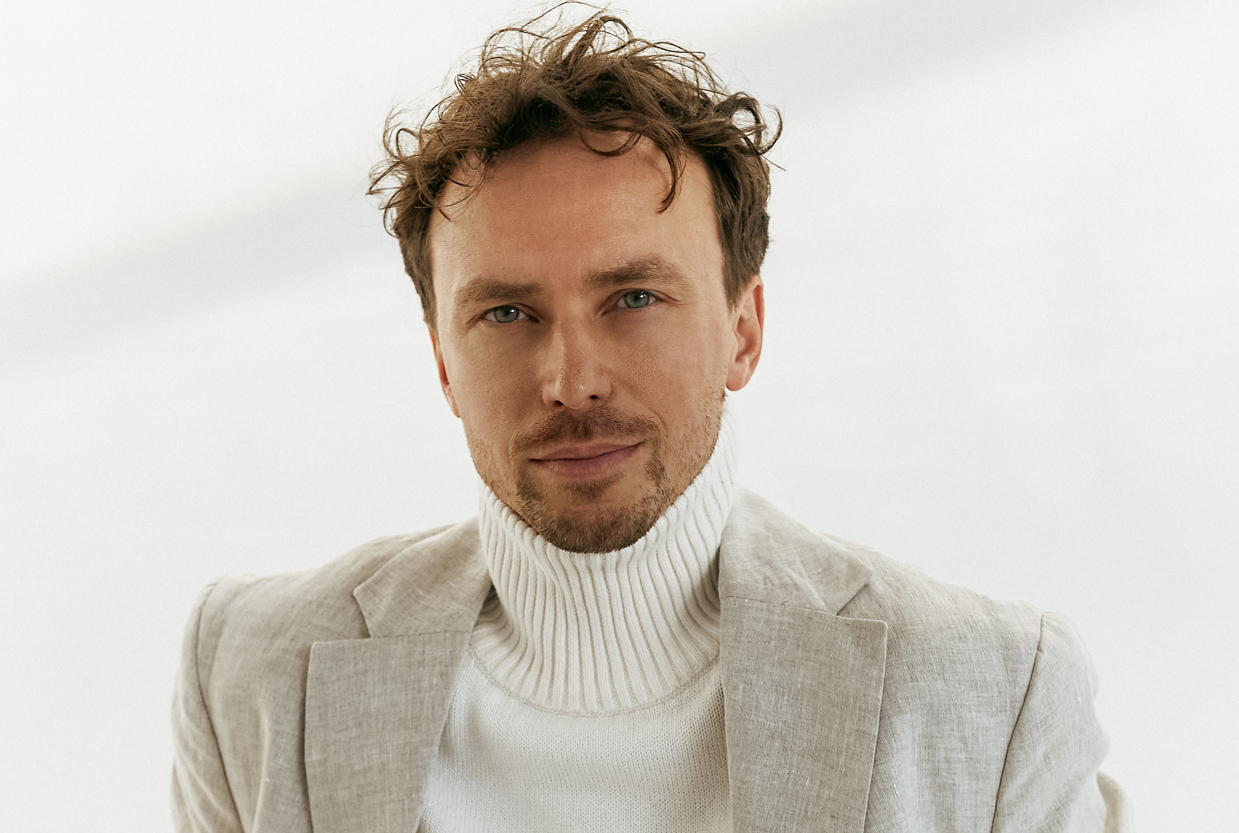
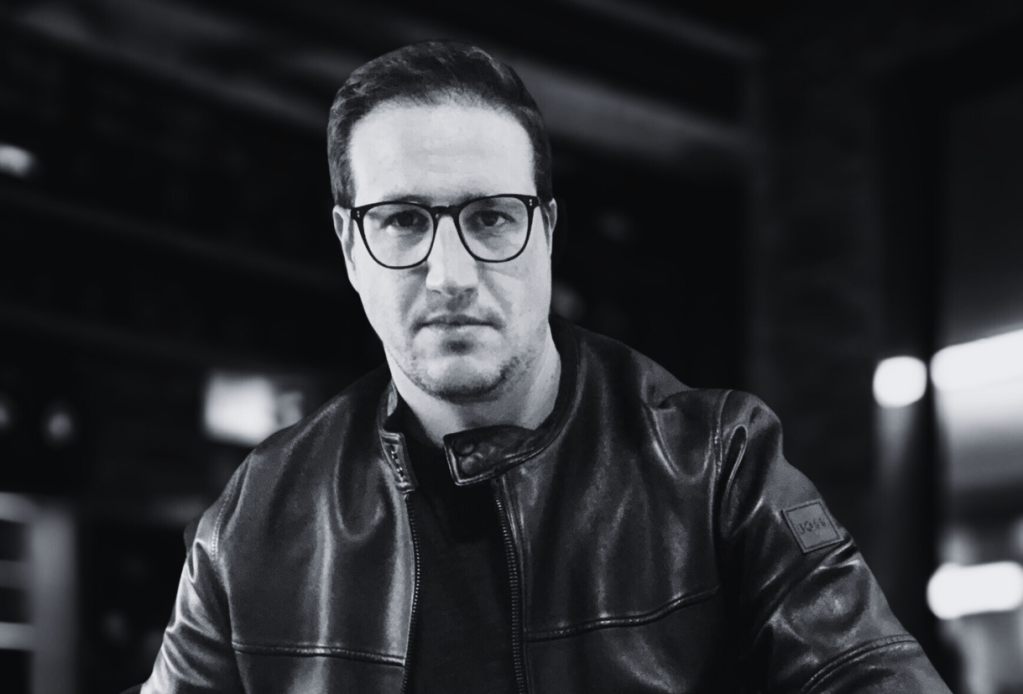
The album “The Home Concert” by Alex Solely is precisely that rare music for summer evenings – a musical island of solitude, where you can warm your soul and hear yourself. Alex Solely is a pianist and composer whose style combines classical influences, minimalism, and cinematic quality. He has a high level of classical music education: from Moscow music schools such as Gnessin and Schnittke, to the renowned Berklee in Boston. In his compositions, he has managed to merge Russian musical depth with global freedom of sound. In 2024, his debut album Piano Solely was awarded the Silver Medal at the Global Music Awards – in the “neoclassical” category, no less. A very respectable achievement for a first release. His music is heard at concerts, in films, theater, and multimedia. He travels the world – from Europe to Asia, and his live performances carry a special vibe, where acoustics meet electronics, and the audience becomes a participant.
The new album is marked by an astonishing delicacy. The project includes nine tracks: in 27 minutes, listeners will have time to enjoy gentle sounds of piano and violin. The recording turned out light and refined, and it opens with the composition “Dream”. A precise, delicate play with bright shades, “impressionistic painting with sound,” so natural it feels like improvisation – allowing, almost magically, to hear the breath of the moment, the fleeting emotion that is hard to catch and even harder to convey.
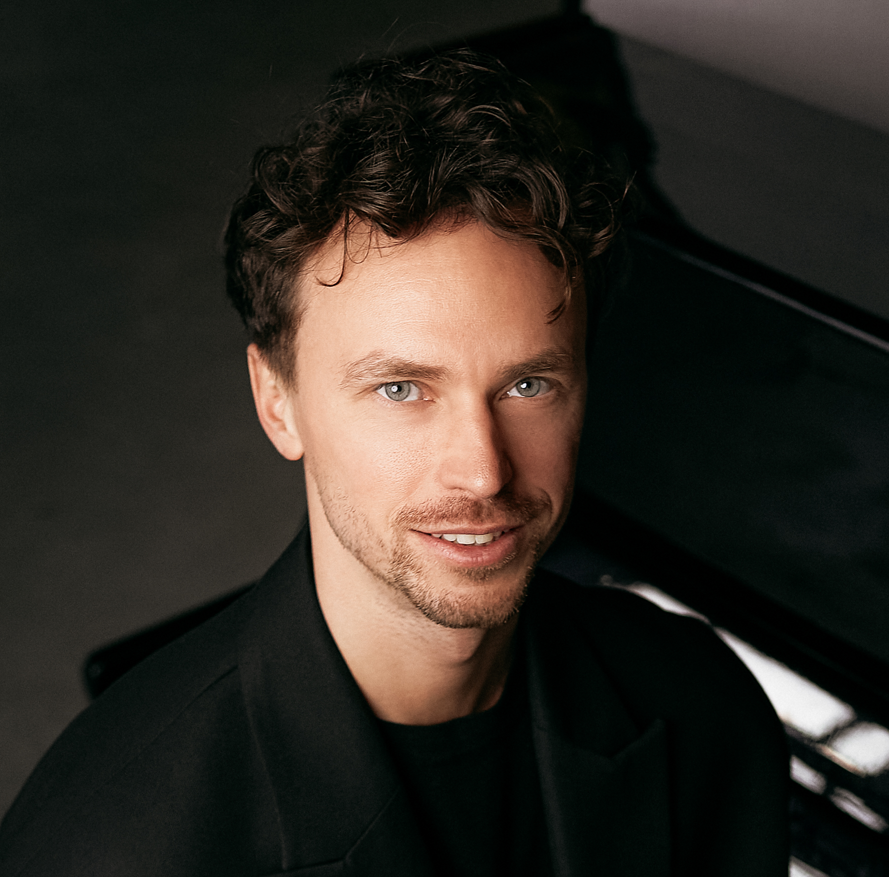
It seems to me this quality is one of Alex’s greatest strengths: the ability to turn music into a living experience, into something genuine and personal. They say the Russian piano school teaches one to “play with the soul.” Perhaps that’s an overgeneralization, but in Alex’s case, it feels unexpectedly accurate – his music is undeniably driven by a lyrical state. Take the exquisitely concentrated “Island” – a wonderfully intimate and open composition. It feels romantic and invites the listener to savor good memories. The music breathes warmth, as if it itself resides in gentle nostalgia, allowing the listener to briefly take shelter on this secluded island of memory.
In “Seagull” and “Little Bird”, the album’s mood shifts toward thoughtfulness and tension. The soft, drawn-out violin and piano passages, flowing like sea currents, create an atmosphere of stillness and subtle unease. The music paints a deserted shore, over which birds glide in silence – they are free in their flight, but in their grace there’s also a certain aching solitude. In these two compositions, the composer’s idea of a bird’s flight is perfectly embodied, conveying not only its airy movement but also the range of feelings hidden in the image of a feathered wanderer. The music in the album’s compositions unfolds slowly, deliberately, without striving for climax. The pauses between sounds are as expressive as the melodies themselves – they give the listener space to reflect, to breathe.
I felt a particular tenderness and sensitivity while listening to “Last Night” and “Memory”. The expressive, detailed playing, where the pianist and violinist give meaning to every small turn, every melodic curve, is a clear virtue. Piano and violin – two elements – are harmoniously woven into the creation of such fragile musical pieces. You feel complete satisfaction and awe from the beauty you’ve just heard – music as a process unfolding in time. Among the presented compositions, there are no accidental or “secondary” works: all of the music is undoubtedly worthy of thoughtful listening. Take, for example, the frantic “Fuss”. It carries a sense of motion, as if a whirlwind of events draws you into its vortex. Or the refined composition “Waltz” here, elegance reigns, the passages breathe with lightness and ease, inviting you to dance in a moonlit ballroom. It’s a musical reflection on beauty and harmony, expressed with special delicacy.
The final composition, “Alone”, organically completes this subtle atmosphere, becoming the emotional culmination of the entire album. The contemplative melancholy of the performance gradually transforms into a cinematic musical narrative. The most important thing Alex Solely achieved with “The Home Concert” is leaving an impression. He creates serious music full of light. I’m expecting an even more ambitious work next – and I hope it’s just around the corner.
Published in partnership with SubmitHub




 Voxwave Magazine: Music, Culture, Interview, Fashion