
Step by step and with persistence, Cuban-born singer Dee Hernández is conquering the Canadian music scene. Recently she received nominations at the East Coast Music Awards 2025 and performed at major showcases alongside the celebrated Measha Brueggergosman-Lee. She is called “the voice of Cuban-Canadian jazz” and is praised for her ability to tell stories through music. In her songs, Dee blends her Cuban roots with soul, funk, and pop, while her performances range from fiery shows to touching ballads – a mix of cultural synthesis and heartfelt music that has been noted by many prestigious outlets and has won over both audiences and critics.
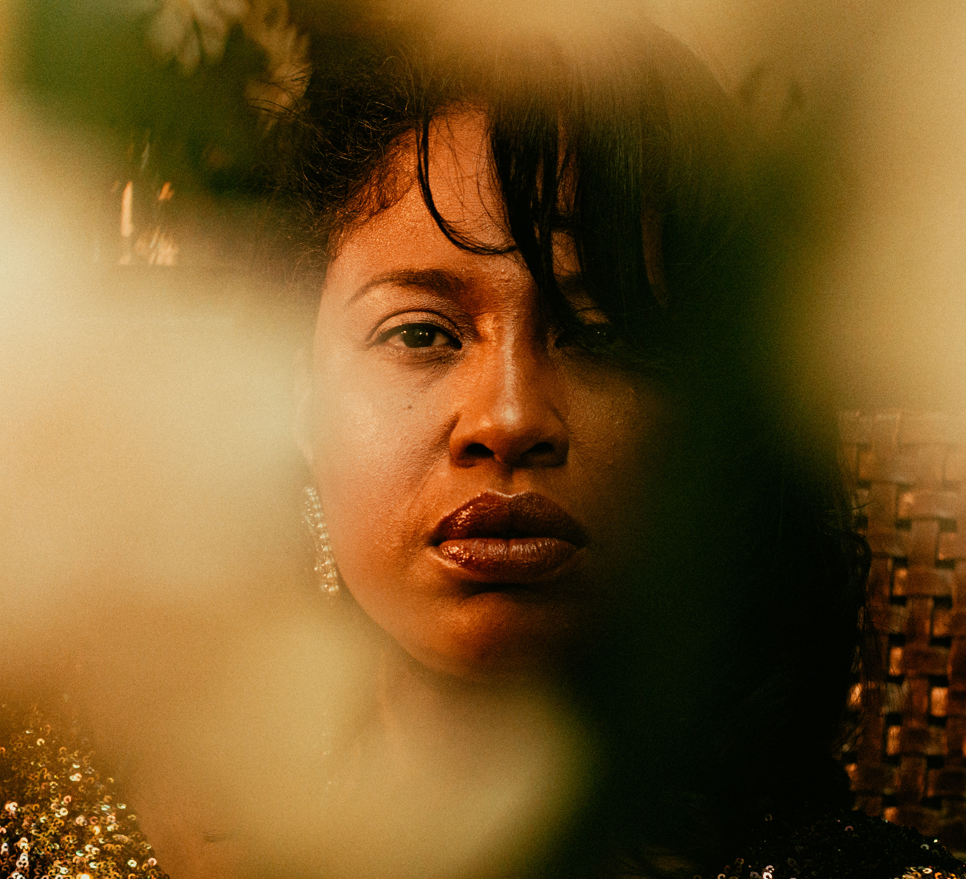
Her own work is also on a strong track: with enviable regularity, she releases singles, and just recently Dee presented her new EP “Pa’ Que Lo Pruebes (So You Can Taste It).” It includes three tracks that boldly weave together Cuban motifs, Latin American rhythms, and contemporary pop sonorities. The release, created in collaboration with Honduran producer El Tata, has already attracted the attention of music lovers across genres. As she steadily develops her style, Dee continues to climb toward the heights of the jazz scene. The new EP provides a clear sense of Dee Hernández’s vocal manner. The singer captivates with the elasticity of her voice; her craft is precise intonation, extended dramaturgy, a miniature theater. “This is me reclaiming my power,” says Dee. “It’s my offering to anyone navigating self-discovery, boundaries, or simply needing rhythm to remind them who they are.”
Frankly, my acquaintance with Dee Hernández began with this EP, and based on both its music and its conceptual depth, what stands out is the foundational reliance on Afro-Cuban tradition, interwoven with jazz, along with a love for her island homeland. Now let’s turn to a detailed analysis of this release. The record opens with the track “16,” which harmoniously combines the singer’s rich vocal abilities with carefully arranged instrumental parts. Into the smooth melodies of the keyboards gradually enter guitar and percussion lines, starting with calm vibrations and ultimately shifting to traditional Cuban rhythms. It is hard to describe the whirlwind of emotions, rhythms, and melodies that for a little over three minutes firmly capture the listener’s attention. Dee succeeds beautifully with this somewhat lyrical composition. The music is graceful and instantly recognizable from the very first note. It is best simply to listen and enjoy. By fate’s design, both American jazz tradition and Afro-Cuban music are equally close to Dee Hernández. For her, there is no dilemma: swing or salsa? Both swing and salsa. Dee easily shifts from singing in English to Spanish, and back again.
The melodies of this EP invite effortless movement – they seem to gently push one toward light improvisation, toward a soft dance. The music sounds elastic and vivid, brimming with tenderness and ringing energy, freedom and true mastery. Both body and mood respond instantly to every twist of rhythm. When it comes to “Danzón,” there is a physical reaction: the heart quickens its beat, the feet begin tapping along. The Afro-Cuban motif sparkles with temperament here, yet retains elegance and a delicate balance between traditional sound and fresh, personal interpretation. This track especially clearly demonstrates how Dee Hernández bridges tradition and modernity, making the classics part of her intimate and very living musical statement.
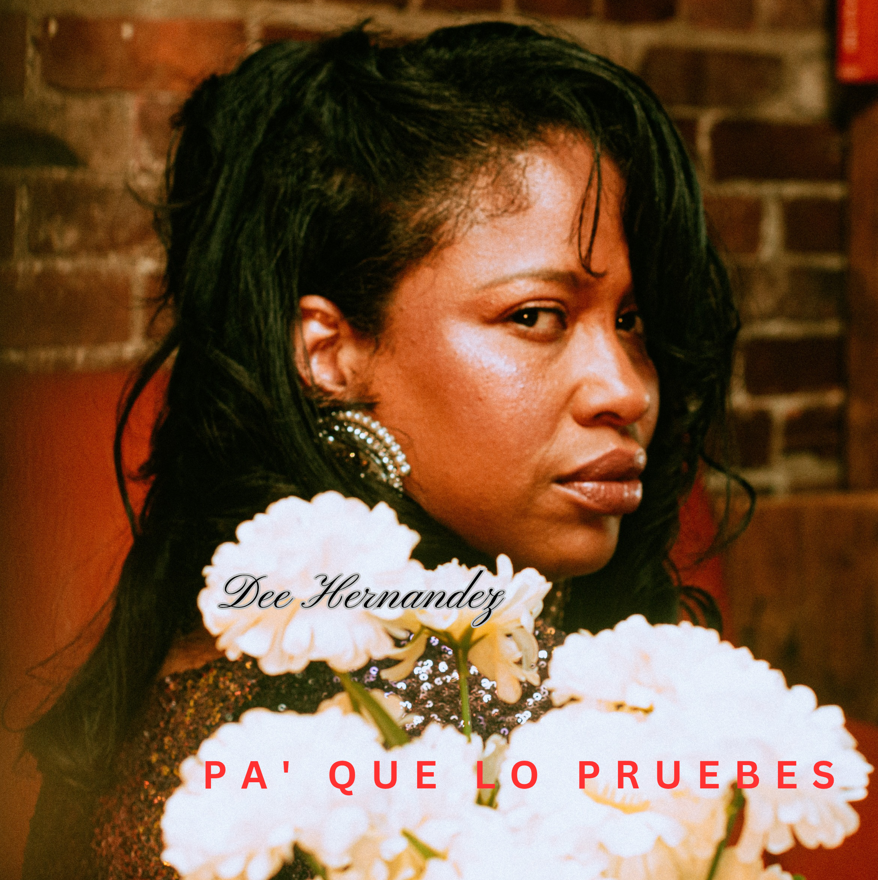
The charming traditional Cuban” PONTE PA TI” immediately captivates with its lively sound: the ringing of congas, the measured response of bongos, the inspiration of a brass section, all supported by warm, multi-voiced backing vocals. Everything here breathes the spirit of Afro-Cuban jazz, where the essence lies in that elusive groove – the breath itself, impossible to counterfeit. The “hot” and supple rhythmic foundation of the instrumental parts provides fuel for an energetic dance impulse, allowing Dee Hernández’s voice to fully unfold. Her delivery is saturated and free, skillfully uniting the passion of Latin music with jazz sophistication. The song helps listeners find themselves again, regain inner strength and confidence through movement, sound, and rhythm – acting as an emotional charge, a gentle push toward renewal.
“Pa’ Que Lo Pruebes (So You Can Taste It)” emerges as a bright and stylistically versatile release: a little jazzy, tinged with Cuban folk tradition, in short, a solid example of modern Afro-Cuban jazz. Despite its Latin-American base, the tracks blend in synthesizer layers and subtle studio effects, giving the sound a contemporary relevance and a touch of urban color. Ahead lies an equally important step for Dee Hernández: the release of her debut album “Deshecha = Undone,” featuring songs in both Spanish and English. This project promises to be more personal, an honest and emotional work that will present Dee not only as a gifted performer but also as an artist with a deeply expressive inner voice.







 Voxwave Magazine: Music, Culture, Interview, Fashion