
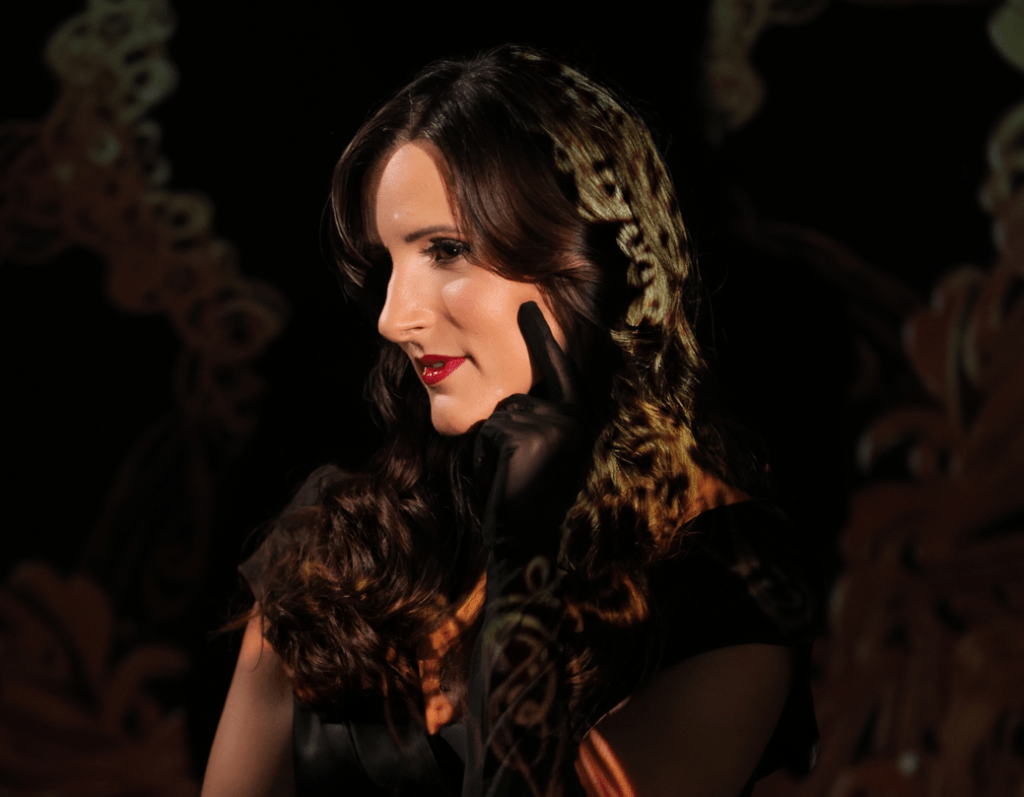
Today Generation Z is often labeled as having a “lost creativity.” They say this generation spins around the same templates, churns out similar short videos, plays with pre-made filters, and trusts algorithms more than its own imagination. But this is absolutely not true. If you dig deeper, it’s precisely among them that bold artists appear – those able to transform a flood of information into genuine revelations. One of them is Atlanta-based singer-songwriter Maria Deirisarri. She’s only 19, yet her lyricism and musical intuition sound far more mature than her age.
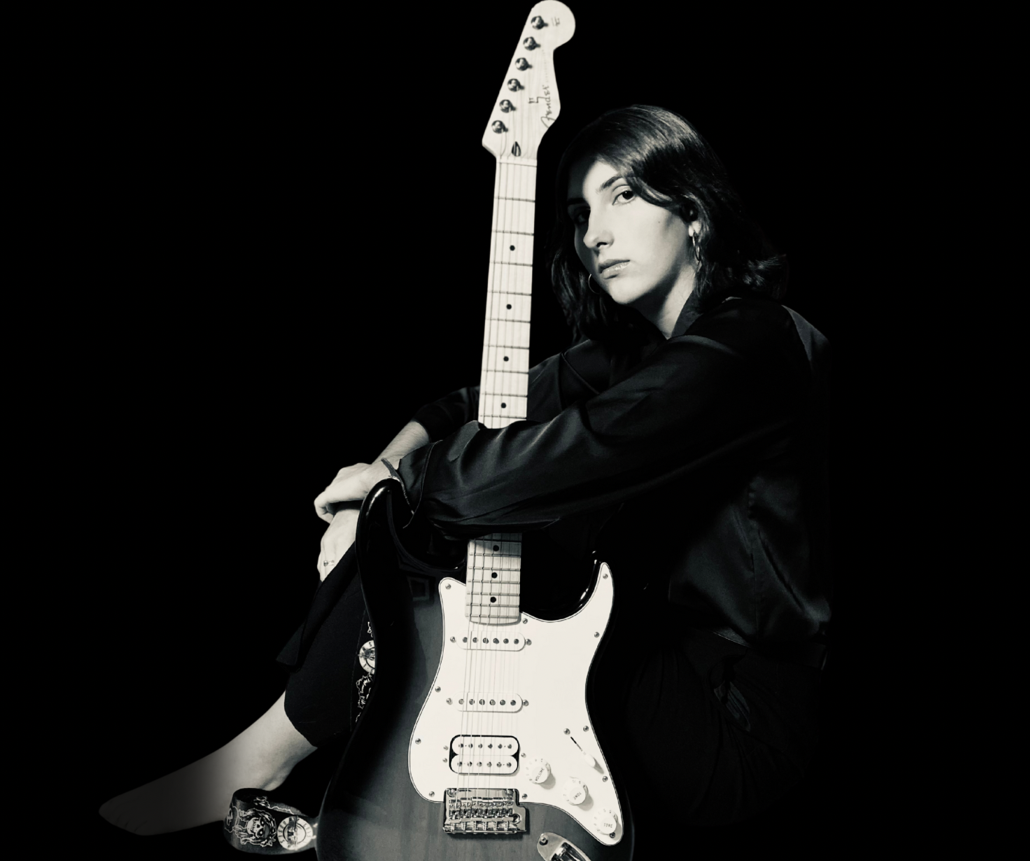
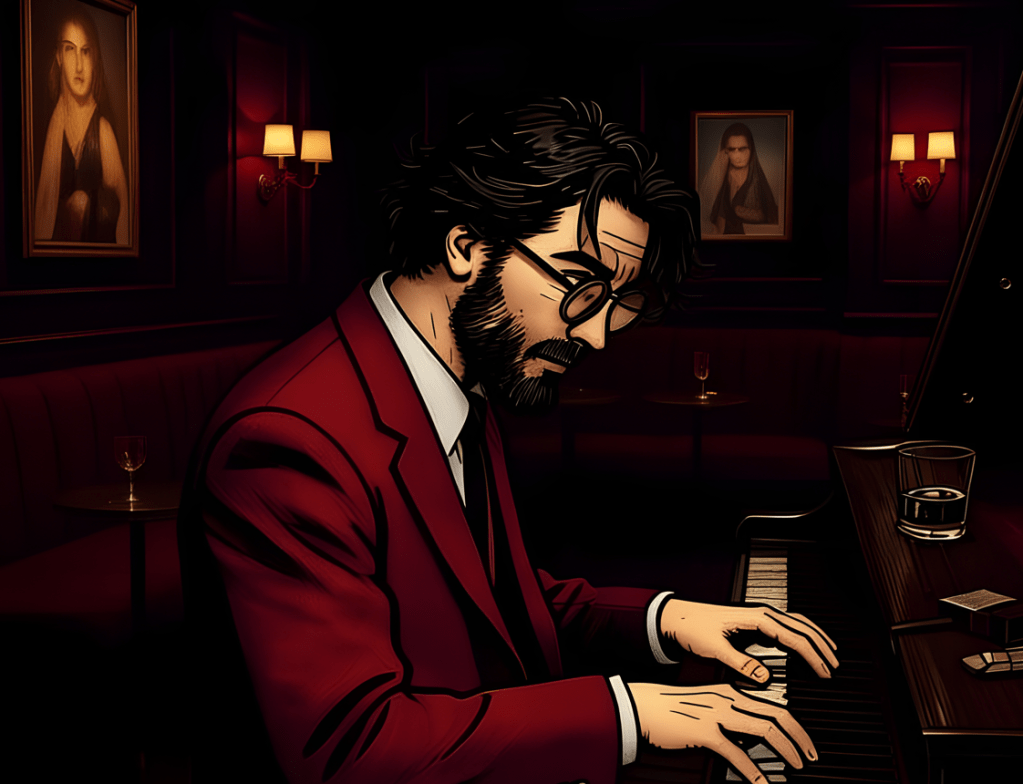
“Si Vis Pacem” cover art. Image by Beatriz Deirisarri
She bravely experiments across various genres, from dark alternative pop to bossa nova, crafting her own eclectic signature, which shines especially vividly on her debut mini-album “Si Vis Pacem”. Five tracks, which she calls “five paths to peace,” became a real test of honesty for her. “Every lyric was a challenge to myself to be as honest and direct as I could. After around a year and a half, I’m pleased that Si Vis Pacem is finally being released. I’m very proud of every song on the EP, the theme of peace that I wanted the EP to chase, and the cover art as well. It turned out so badass,” the singer openly admits. The album was created in Jacksonville at the Beaches Vineyard and Pine Studios, where Maria worked alongside Corey Kilgannon and Jacob Hudson. This team made sure that every track has its own character and distinct production story. So, friends, let’s join Maria Deirisarri as she leads us through the “five paths to peace.”
It all begins with the first step – the intimate and contemplative track “Parabellum.” According to the singer, the song was born suddenly: she wrote it the night before recording, and in the morning performed it live – in a single take. The minimalist set of four instruments gives the track transparency and intimacy. In her restrained vocal manner one hears inner strength-for sometimes a quiet warning resonates louder than a shout. Maria’s warm, high voice flexibly shifts moods, while the instrumental parts seamlessly support the imagery being created. Co-producer and musician Corey Kilgannon took part in the work on the song, and his contribution deepened the confessional aura of the track. Partial inspiration from John Wick films added a double layer of meaning: the title Parabellum became not only an allusion to the action movie, but also a symbol of a difficult idea- that sometimes peace is reached through vengeance, as an inevitable stage of inner struggle.
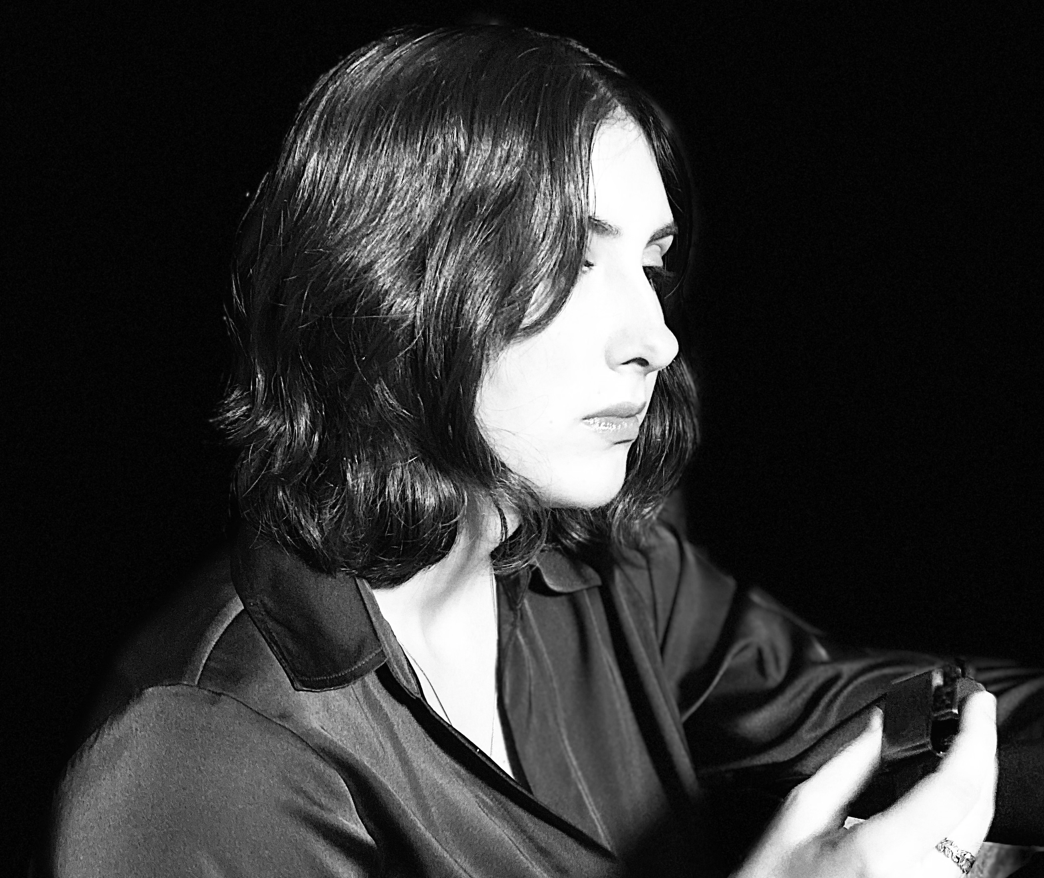
The song “bluejay” strikes me as incredibly airy. In it, bossa and vocals- charged with raw emotion- come together perfectly. A fresh summer breeze carries the story of a fleeting romance. The sound feels especially organic thanks to tape recording without a metronome: you can hear every touch of the strings, the pauses, every breath. The guitars and keys create a warm, slightly rough rhythm, with no place for artificial polish – only the lightness and sincerity of a moment that flares up briefly and leaves a gentle aftertaste. The guitar lines in the intro of “And I’ll Fly” engage in dialogue with a muted, melancholic keyboard melody, setting a special atmosphere-that’s why for me this track stands out as a favorite on the EP. The song is constantly in motion: at one moment drums and guitar play almost in a light jazz manner, at another, weightless piano passages drift in the background. I keep listening to it on repeat, and it still hasn’t grown old. The music video amplifies the impression: the trees, sea, and mountains from the lyrics come alive on screen. Then Maria appears-not on stage, but in the sky. Her skydive becomes a metaphor for the song: to trust the air, to feel freedom, to soar.
After the smooth and inspiring “And I’ll Fly “comes a turn to “Letting It Go”-carrying a quiet yet weighty truth. Forgiveness is hard and at times agonizing work we all face. Maria appeals to the core of human relationships, acknowledging that letting go of resentment and embracing the past means making a truly courageous step. The music is calm, muted, but in this restraint lies strength and sincerity. To me, this track contains one of the most important themes of the EP, revealing the humanity and sensitivity of the artist. The EP’s finale turned out to be an unexpected surprise-the track “Prayer.” Written in a fictional language created by the singer herself, it sounds like a personal conversation with God, requiring no translation and understood intuitively. Mystical intonations, reminiscent of the soundtracks by Ludwig Göransson and Baaba Maal for Black Panther, create an atmosphere that feels both ancient and spiritual. The melody resembles a ritual, helping to let go of what is unnecessary and focus on what truly matters. In this state of peace and connection with something greater, the EP reaches its culmination and leaves the listener reflecting on what is truly important.

I have no doubt that the talented singer and songwriter Maria Deirisarri will attract many new listeners after the release of the EP “Si Vis Pacem” Her flexible, romantic, and beautiful music, supported by a stunning vocal, sounds fresh and convincing. The lightness, sincerity, and subtle sense of beauty in details make her songs special.
And I must admit: while listening to her, you catch yourself thinking that you are already waiting for the next step-a new story, a new experiment, a new sound.





 Voxwave Magazine: Music, Culture, Interview, Fashion