
The pandemic period already feels like a distant dream-a time when anxiety and silence shared the same air. The world seemed frozen, yet within that strange stillness, new ideas began to sprout. That’s how Killing Kind came to life-a musical escape from isolation, realized in 2021. The project united three veterans of the Swedish post-punk scene: Mats Molund (Fahrenheit, Schnabel, Lee Harvey Oswald Ensemble), Mats Wigerdal (Kitchen & the Plastic Spoons, Hörförståelse, Oven & Stove, Ubangi), and Björn Norberg (Quantum Leap). Their names have been known among those who remember the noisy 1980s-and it’s no surprise that they found a way to turn crisis into an act of creative freedom. Soon after the trio’s formation, Killing Kind was joined by guest musicians Emille de Blanche (GHLOW), Kalle Mattsson (Stiu Nu Stiu), and Tina Gunnarsson (Hexed).
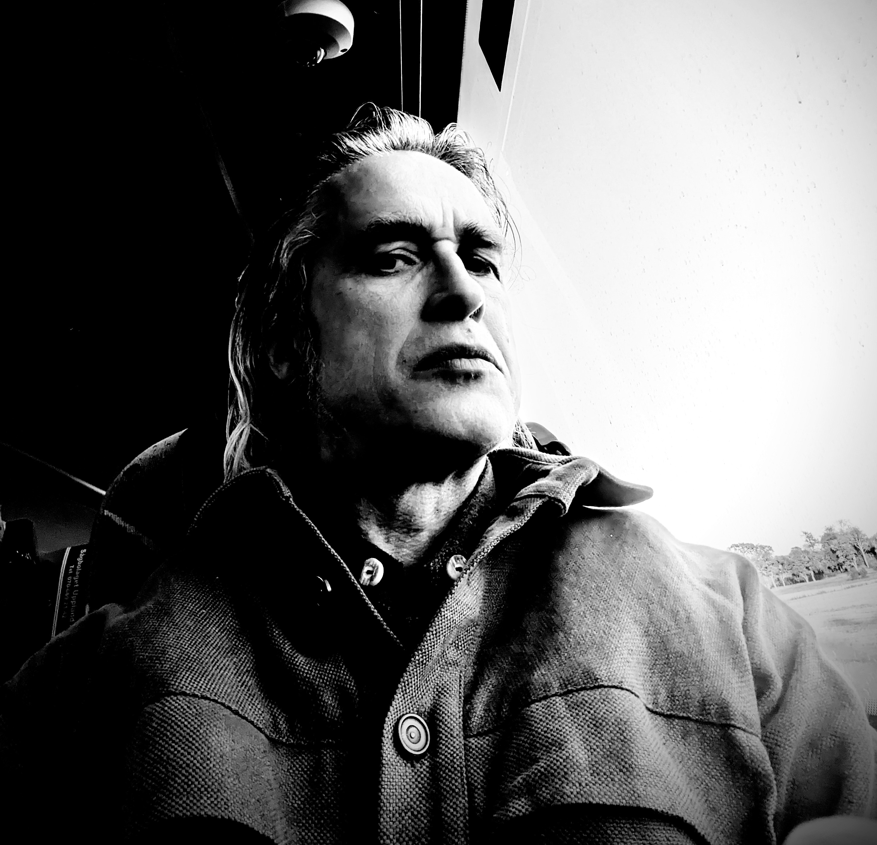
Their 2023 debut album, produced by Tomas Skogsberg (Poupée Fabrikk, Entombed, The Hellacopters), earned critical acclaim. The single “This Beautiful World” aired on Swedish radio SR and reached beyond national borders.
The fruitful collaboration between Tomas Skogsberg and Björn Norberg continues. On October 31, Killing Kind will return with “Being Human,” their second album, heavier and darker than the debut. Here, the spirit of early 1980s Swedish post-punk merges with synth-pop and a shadowy gothic aesthetic, forming powerful melodies and sharp reflections on the uncertain era we live in. Recorded at the legendary Sunlight Studio, the release deepens the trio’s signature sound, now joined by Cecilia Germain (vocals), Lidija Radmilac (viola), Måns Hartman (bass), and Ernst Erlanson (piano). Across eleven tracks, the album manages to sound like a Scandinavian saga-only instead of Vikings sailing on longships, there are people trying to put out a global fire… with gasoline. The instructions were clearly mixed up, but damn, it’s expressive! The lyrics echo science fiction and horror, framing a sense of global trauma. No one here pretends to be a savior of humanity-but capturing it at the moment of its awkward yet inevitable collapse, that’s what Killing Kind do best.
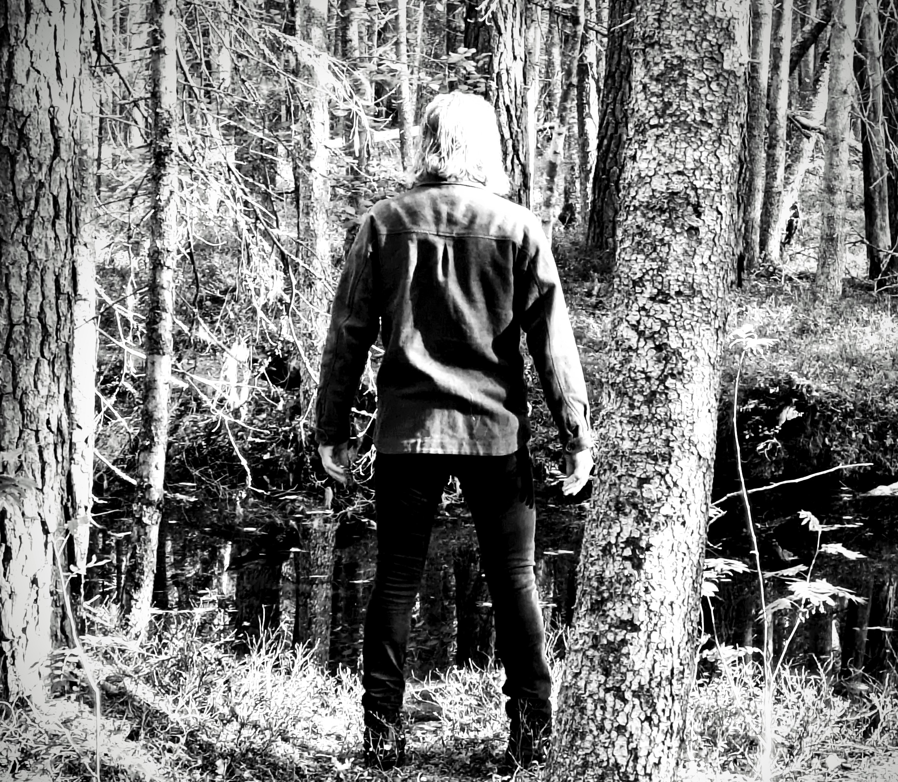
I had the chance to listen to the album before its release, and I’d love to share this amazing music with you. The album opens with “Dance”-a sudden flash of light, as if someone switched on a spotlight: bright, tense, and slightly uneasy, like a first meeting with oneself. An indivisible, conceptually cohesive yet subtly eclectic sonic canvas in the smallest, most meaningful details. Fans of “ballads” will surely appreciate the band’s lyricism, especially in the second track, “The Wall.” A chamber arrangement-piano, cello, and the distinctive, slightly muffled lead vocal-forms the foundation of its sound. These first two tracks effectively set the emotional and conceptual frame for the entire album. After the atmospheric introduction, “Humanity” emerges stern and focused: low, velvety-raspy vocals, faint synth creaks, and muted drum hits. It feels as if someone grabs you by the collar and insists, “Are you sure you’re doing everything right?” From this tension, “Desperately Holding On” quietly unfolds-retaining the darkness but weaving in more electronics. A perfect soundtrack to a neon-noir sci-fi film.
For lovers of gothic mystique, there’s “Go Away”: cello, piano, distant bells, and drums that strike with a threat in every beat. It’s that rare blend where darkness and refinement walk hand in hand. The tracks “Choking” and the instrumental “Warriors and Carpenters” flow along the same current, resonating through mood and rhythm. Their arrangements carry shades of an old melody, delivered in a modern form-through synths and percussion. Harsh electronics and powerful drums merge into a symphonic wave of sound. The music thrives at the crossroads of cultural intonations, unusual vocals, and bursts of creative energy, without losing its psychedelic sense of vision. “Let the Demons Take the Win” is a dark-almost shamanic-track with dense bass lines, quiet synths, and unhurried percussion.
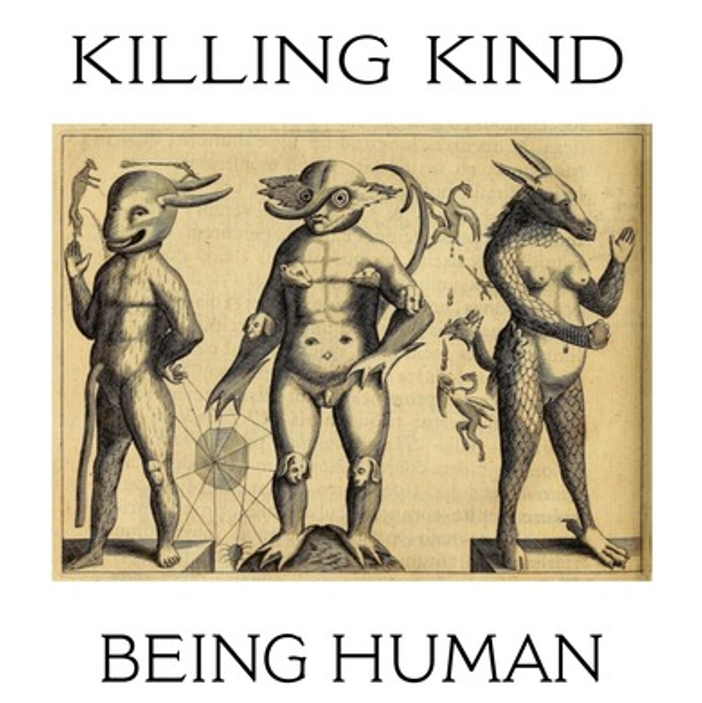
The low, hoarse vocal sounds like an ancient chant, conjuring the atmosphere of a mystical ritual. The album keeps pressing on the listener’s inner tension through “The Nature of Fear.” And when it seems there’s no further room for intensity, “Never So Cold” enters as the guardian of Nordic chill: heavy drums, severe vocals, and an atmosphere swept by northern wind. But occasionally, within that icy mass, a warm guitar chord slips through. Closing the album is “Distant World”-a quiet opposite pole to all that came before, a mantra about preserving inner light and passing the spirit from one heart to another.
Scandinavia is increasingly becoming a magnet for music-not only mainstream metal and alternative rock anymore, but post-punk, synth-pop, and dark gothic sounds in their purest form. Here, powerful melodies coexist with sharp reflections on a time suspended in uncertainty. Mark your calendars for October 31 because that’s when “Being Human” drops, and it just might change music forever.





 Voxwave Magazine: Music, Culture, Interview, Fashion