
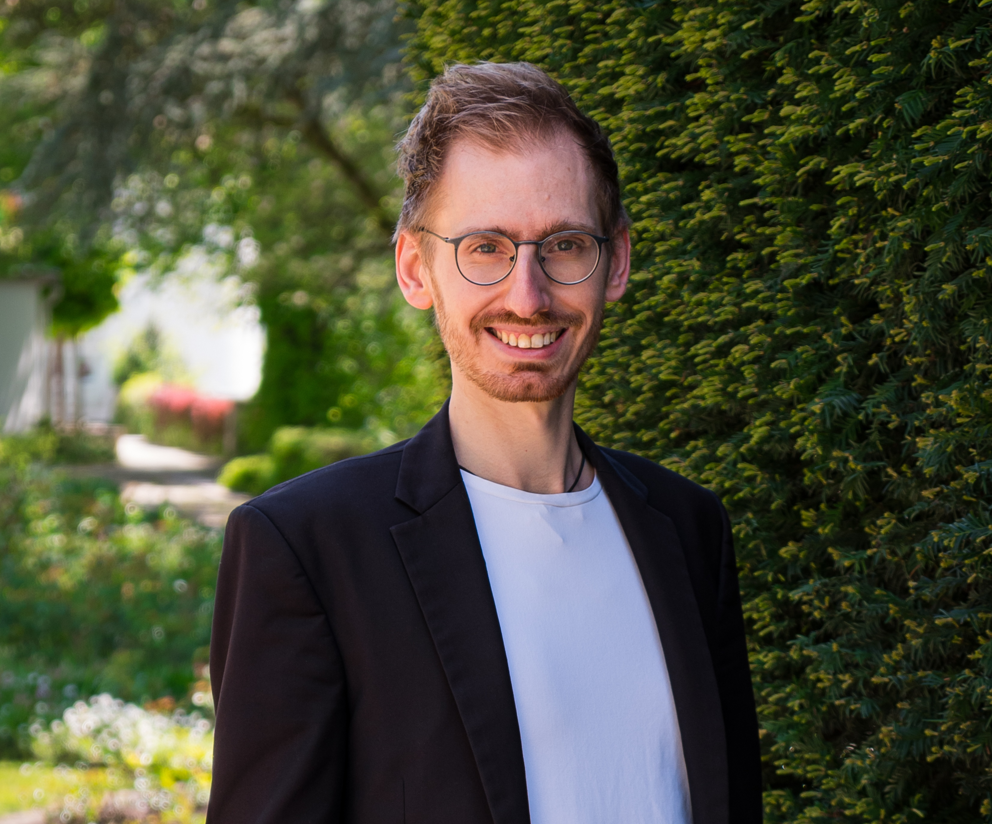
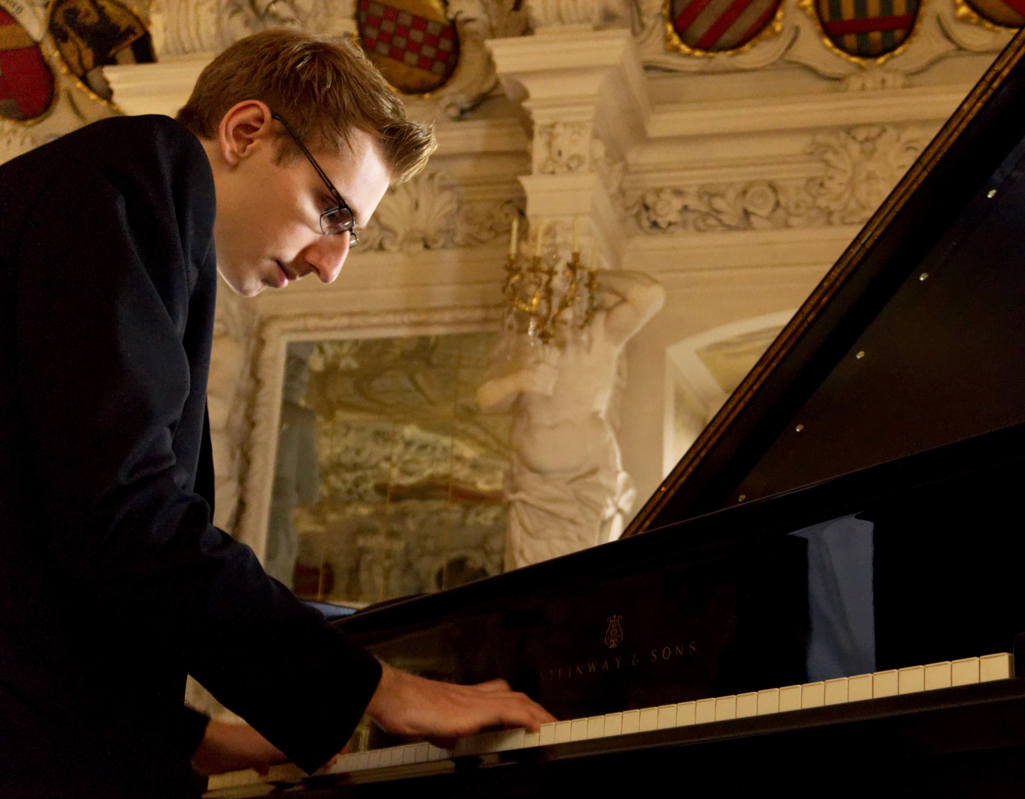
What do you do when a calling finds you not in childhood, but… at 19? Ask Andreas Wolff! This German neoclassical pianist and composer didn’t take the easy way: he gave up a successful EDM DJ career to teach himself the piano. Inspired by club culture and film soundtracks, Andreas mastered piano playing on his own and later earned both bachelor’s and master’s degrees from the celebrated Liszt University. After his 2015 debut, he released the EP Alone In The Wild and went on a “tour” of Europe’s streets, becoming a familiar figure in London. His albums (Wayfaring, Mosaic, Inner Compass) form a musical chronicle of wanderings. Today Andreas is the founder of the label Golden Acorn, an award-winning music video artist, and a regularly performing musician. For him, music is a way to tell stories without words. Each of his compositions lives its own life, and every album unfolds as a complete work, bound by an invisible thread of one central theme.
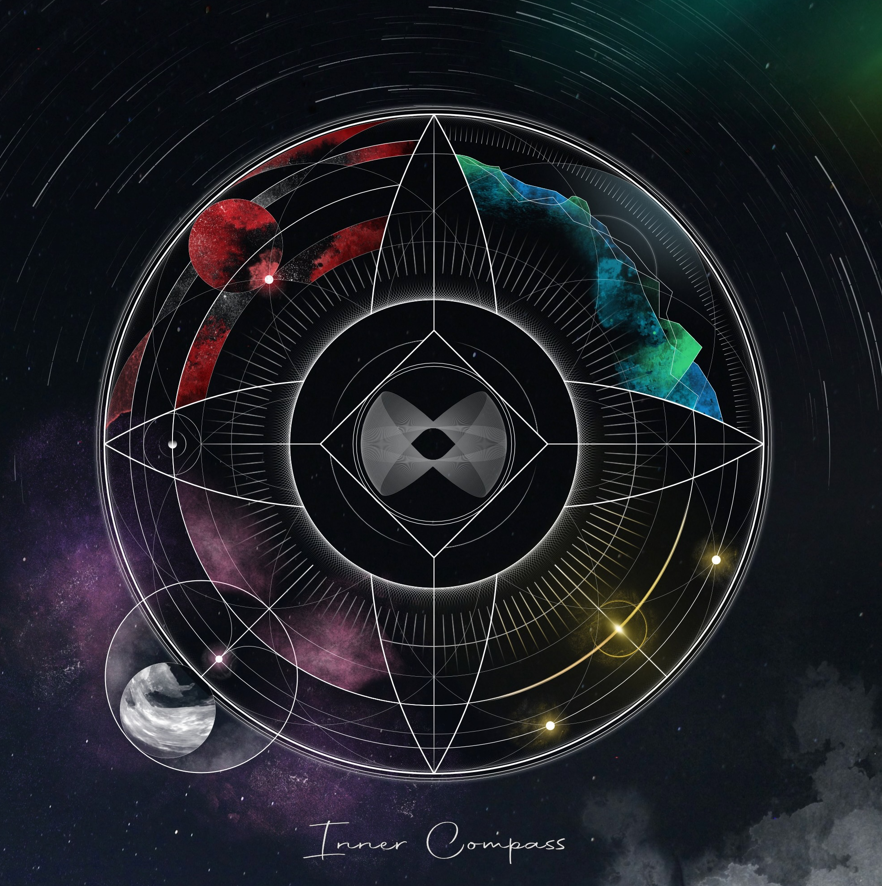
The new solo piano album “Inner Compass” is a map of the inner world, where direction is set by the Inner Compass itself. Six years of work turned into six years of life – with all its shades: joy and calm, confusion and inspiration, love and nostalgia. Andreas does not try to follow trends, adapt to algorithms, or chase recognition. All he wants is to create music where one can be completely honest, music where emotions sound through current and silence. The first messengers of the new album were the previously released singles “Para Ti” (2022), “Blackbird” (2023), “Home” (2024), and “The Island” (2025) – several of them topped iTunes classical charts. So, I present to you a full review of Andreas Wolff’s new album “Inner Compass”. The title “Inner Compass” underlines the solo nature of the project and, in essence, consists of twelve compositions that combine emotion, atmosphere, and melodiousness with virtuoso balance.
From the very first piece, “Atlas,” a delicate, refined, intelligent manner of performance is established – Andreas distinguishes himself with a soft, graceful style. This approach continues in “Bubbles” and “Blackbird”, performed with a restrained nobility; the pianist gradually reveals the “blossoming complexity” of his musical language through tempo accelerations and smooth melodies. The hidden conflict of each piece gives rise to a particular musicality – reserved yet inwardly “burning.” Its sound is not about feverish passion or romantic ardor, but rather about the intense heat of a working intellect – that, in my view, is the temperament of this music.
In “Stranded at Schiphol” and “The Island”, one can hear the evolution of his intonational language, his sense of form, and his view of music as an art. In this project, Andreas Wolff appears as both performer and creator: his playing is strikingly clear, conceptually structured, and not without artistic tension. He doesn’t so much “interpret” as he transforms himself, finding in each composition a new artistic shape, a different inner center of gravity. For instance, in “Home”, “Para Ti”, and “Pan Dulce”, the musician focuses on the intellectual density of the musical fabric, striving to overcome minimalism through meaningful intonation – engaging and convincing. The pianist immerses himself in music like an actor dissolving into the drama. Andreas plays with shifts in mood and rhythm. Each composition is not a dominance of one emotional hue but a whole world built according to its own artistic logic.
Across the album’s tracks, there is a sense of melodic gift, beauty, and the tragic charm of “fin de siècle“. Some pieces, such as “Hills of Corsica” and “Critics”, are “a vortex of hidden emotions while the surface remains calm and untroubled.” Continuing his vivid imagery, “Summer Dance” is performed so vividly that it sounds like a theater of intricate relationships between characters. Yet, even without other instruments, the piano does not sound lonely – and for the neoclassical genre, that’s a bull’s-eye achievement. The album concludes with “Together” – even, calm, restrained, its performance seems logical and devoid of emotion. But this impression is deceptive: the piano here radiates extraordinary tenderness. The middle section is vividly picturesque – you can almost feel the touch of fresh wind. The finale is full of sincere elation and lace-like virtuosity, leaving no trace of the earlier restraint.
Captivating performance, the image of a great journey, a sense of unity – this is what impresses most in Andreas Wolff’s release. For all its minimalist approach, “Inner Compass” sounds bright, emotional, even passionate – but it is the passion of thought, not feeling: the quintessence of “music of the mind.” Such a record can rightly be called daring – in an era when most solo piano albums follow marketing logic, Wolff opts for rarity, difficulty, and meaningful risk. And this, perhaps, is a call to listen more deeply – to something genuinely new.
Published in partnership with SubmitHub








 Voxwave Magazine: Music, Culture, Interview, Fashion