
An interesting fact: albums that appear at the right time – when there’s rain outside the window and the day becomes a solid gray spot, and conversations in cafes quiet down by themselves and you want to close the door and forget about what’s outside. “Walkin’ Each Other Home” by Clela Errington is one of those. The fifth studio album by the singer from Toronto came out on October 22, and if you missed the release, let’s correct this oversight. Clela is originally from Montreal, spent her childhood on the shore of the Saint Lawrence River, in the Thousand Islands region. Over time she was carried further east – to the Atlantic, to Prince Edward Island. There she discovered blues, folk, and Celtic music, performing in a duo with Donna Fraser throughout the Maritime provinces. Later, returning to Ontario, Clela settled in Toronto, where her voice became an integral part of the local scene, and her folk-jazz songs – a joy for connoisseurs of poetry and soul in music. Errington works in that zone of contemporary folk music where noise passes by, only voice, guitar and a few people remain.
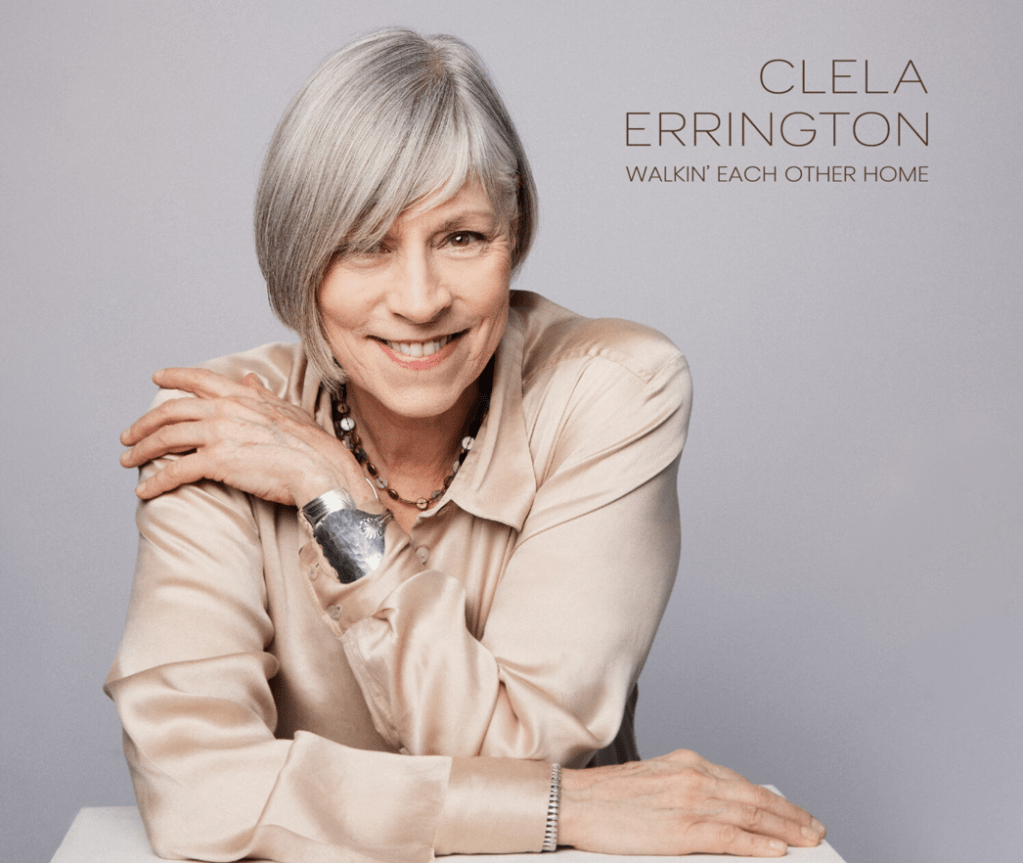
Photo by Jen Squires Photographer | Graphics by Katherine Morely Creative
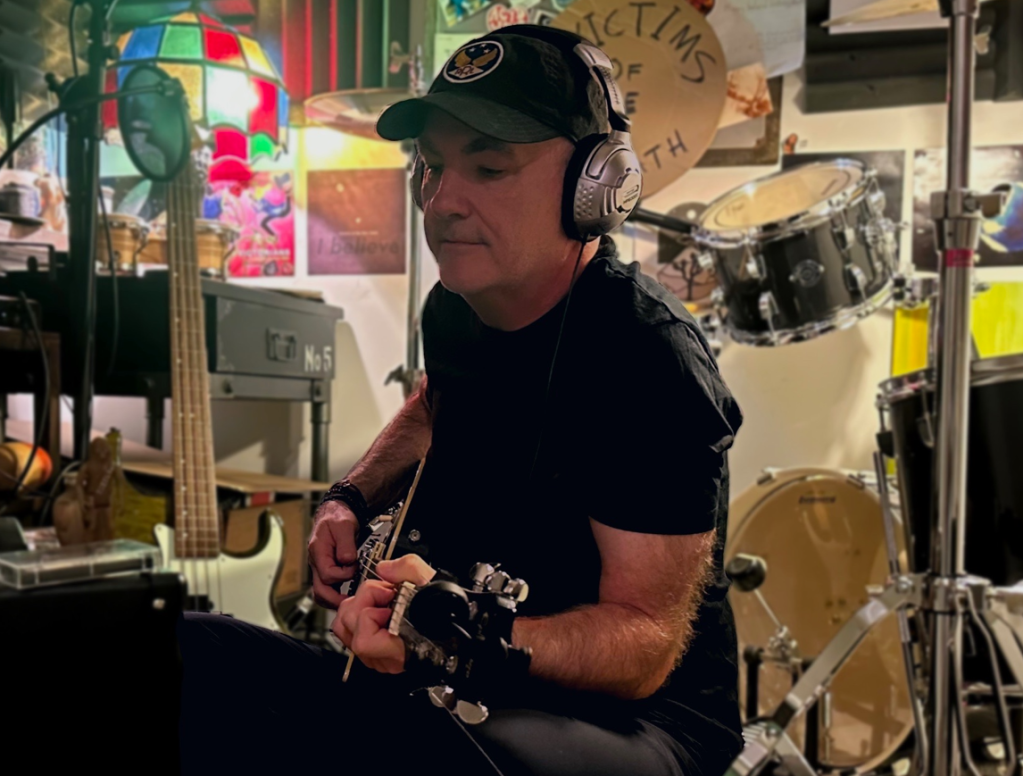
The album’s title – a reference to Ram Dass and his idea about the path we walk together, one after another and shoulder to shoulder, with attention and kindness. For Errington this idea is devoid of pathos. “There’s a spiritual home we all long for,” Errington says. “And this record is about walking that path-sometimes alone, sometimes with others – but always with compassion.” And here lies the entire focus of “Walkin’ Each Other Home”. The release was recorded at Ganaraska Recording Co under the direction of Jimmy Bowskill – a guitarist who worked with Blue Rodeo and The Sheepdogs. The recording was made live: the musicians are in one space, shoulder to shoulder. Playing here are Steve O’Connor on keys, Ian McKeown on drums, Alec Fraser on bass, Chris Bartos on violin. But the most important participation – Jocelyn Barth, Clela’s daughter, a jazz singer whose voice creates that rare effect when two people sing, but it seems like one is singing.
The album’s ten songs divide into two types: covers of blues and folk standards and Errington’s original compositions. Moreover, the boundary between them is erased. “I Know You Rider” opens the recording unexpectedly. The traditional blues from the 1920s sounds open here – Clela quietly leads the melody, instruments follow her. A song about farewell: a person leaves, knowing they are remembered, but the road calls stronger than peace. This movement is not only physical but also spiritual – an inner light leads further, even through pain. From cold sadness the album moves toward something more complex. “Throw It Away” – a cover of Abbey Lincoln. Errington doesn’t repeat the strength of the original, but goes into fragility. The keys lead, the voice follows – calmly and smoothly. A ballad about letting go, but in this performance it sounds not like liberation, but like reconciliation with its impossibility. To live and love, you need to open your arms wide and allow life to flow through you – to free yourself from fear, greed, pain. I recommend listening to this ballad, there’s a certain nobility in it. In Clela’s performance you hear harmony, delicacy, you discover a certain different cultural, intellectual tradition, energetic field.

And here’s “Standing on the Platform” – Clela’s first original song on the album, and from it everything changes. A story of farewell and the road home to Brockville: you look from the train car at the receding platform, not knowing where the train is going, but believing in the path. The pedal steel sounds like wind carrying away the unsaid. Clela’s pronounced theatrical intonation in the vocals creates impressive reliefs and silhouettes. And here’s “Born to Be Loved” – reminded me of a prayer, but without an addressee. “You were born to be loved” – a line that could become an inscription on a postcard, but with Errington it sounds like a question. Born by whom? Loved by whom? I recommend listening to this track in full concentration, and if it’s not there – it passes by.
Even further into the territory of sadness the singer goes in the song “My Dear Companion” – the atmosphere created in it can be “touched by hands.” A ballad – a lament for departed love, for someone who is no longer near. Here the soul becomes a bird that flies into high, lonely skies to cry out the pain. Through tears comes purification – because grief is also a form of love. Sadness transitions into compassion in “Once I Had a Home” – a track about loss that goes beyond the personal. This is the voice of all who have lost homeland, roots, world. But along with pain comes compassion – grief for all the nameless, forgotten, and fallen. The song goes into a quiet cry of humanity, addressed to the heavens. And after all this – comes the finale. “Full Moon Dark Time”. A duet with her daughter, where they dramatically and vividly construct the movement from chord to chord, which you follow like a gripping novel. In the dark lines sounds the greatest affirmation of life: “Hold on to dear life”. Even if the night seems endless, you must believe that the morning will come.

The album “Walkin’ Each Other Home”, if we speak figuratively – a path through pain, loss, love and spiritual awakening. It tunes the ear to a frequency where there is no bustle, there is only silence and the vibration of one precise string. And it seems to me that Clela Errington wants to convey to listeners that the path home begins not with an address, but with a feeling that you are in your place. And perhaps it is precisely for this that we all “walk each other home”.





 Voxwave Magazine: Music, Culture, Interview, Fashion