
If you’ve been avoiding Indian classical music until now, considering it something too complex, the debut “Bula!” from the High Tide project is the perfect entry ticket. In India, music has never been ordinary entertainment. In its classical tradition, sound is considered sacred, capable of changing the state of the soul and even controlling the forces of nature. Ragas are not written in notes – they appear in the moment, turning each performance into a living, pulsating dialogue of the musician with eternity. It is precisely this spirit of improvisation and freedom that lies at the foundation of the High Tide project. It was launched in 2019 by sitarist and composer Sasha Bayan. The lineup of musicians constantly “drifts,” so the music always sounds fresh, no concert is like the previous one, the music is created “here and now.” High Tide is a group, I would say a meeting point of three powerful elements: Indian classical music, daring jazz, and strict Western academy. The sound of High Tide is a play of contrasts-moments of electrifying energy and insistent rhythm, delicate, weightless pauses and contemplative melodies. The musicians play together and live through a common story, drawing the listener along with them. I think an acquaintance with High Tide and the quality of their work will satisfy even the most jaded music lover.
The guys do their work at the highest level and do it with soul. And the collective’s debut album “Bula!” is indisputable proof of that. The release is planned for January 30, 2026, and I can assure you it listens very stylishly. The album of 13 tracks represents an alternation of solo improvisations on the sitar, hypnotic rhythms, and crescendos performed by an entire ensemble, which includes violin, French horn, electric guitar, bass, keyboards, and percussion. Each track captures a moment during the night. The result is music that is ancient and modern, rooted in traditions, alive in the present.
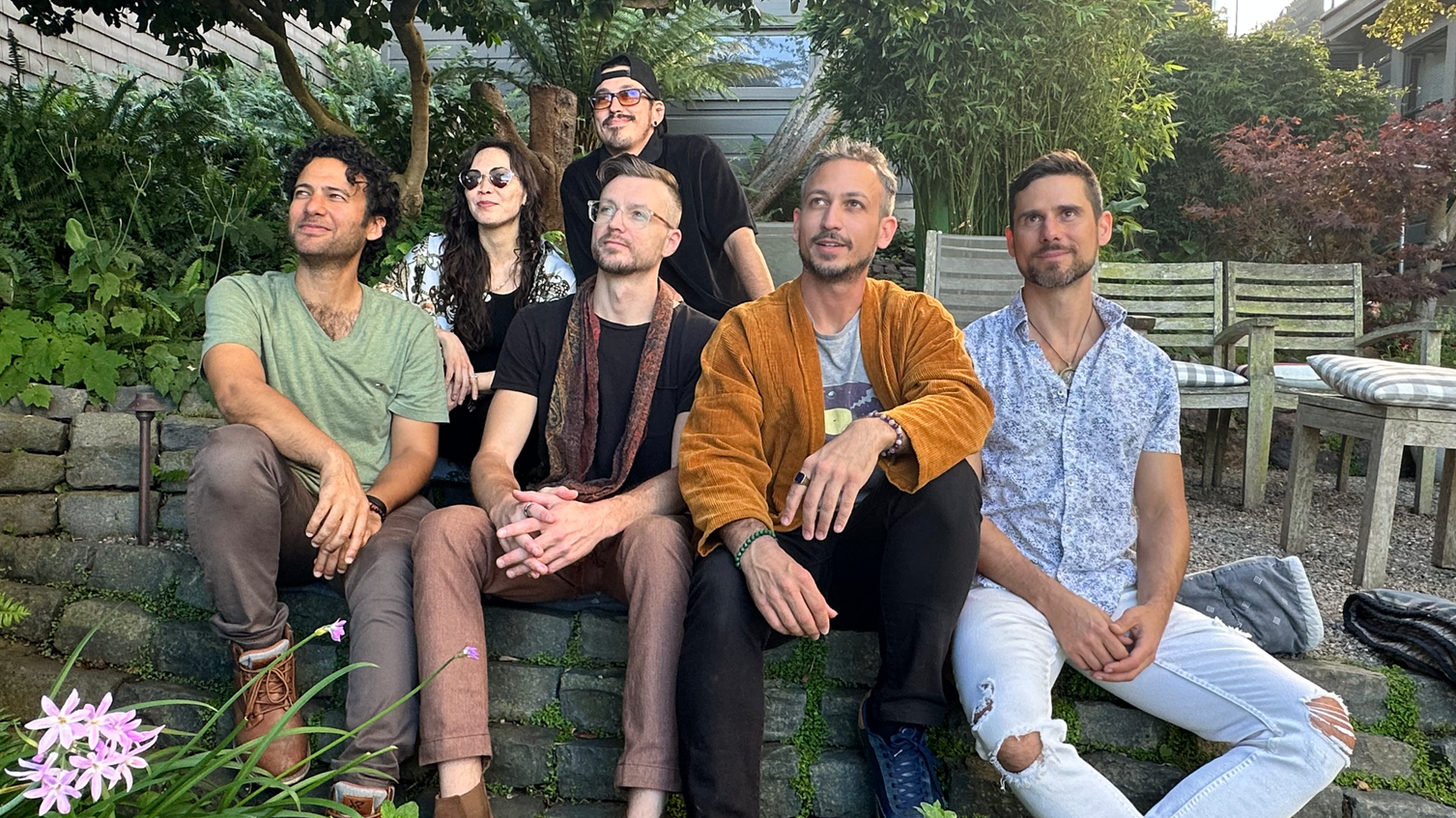
By the way, the album’s title migrated from the Fiji islands: there “Bula!” serves as a universal greeting, a wish of health, or an enthusiastic “hurrah!” It is precisely with this mood that the recording opens, with the track “Welcome”-a characteristic Indian melody combines (and combines very beautifully!) with playing on the sitar and violin. The melody of the first track smoothly transitions into the melody of the track “Sun Landing,” which has an attractive character of a mixture of Indian music, jazz, and rhythm and blues. An undisputed ornament of the album, I consider the track “Kava on Carl,” one of my favorites. A fabulous sitar joins the opening piano part, and percussion, winds, and guitar add epic scale to what’s happening. The music resembles an expressionist canvas, full of emotions-a true gift to fans of Indian classical music, jazz, and Western academy. How Indian exotica sounds in the context of blues can be judged by the track “Atash Abi,” where winds and violins sound very stylish, and the virtuoso instrumental performance became the brightest moment in the composition for me.
The structure of the track “Ruh y Alma” draws attention, its polyrhythmic character, the sound of Indian instruments gives the music a special color, just as the piano introduces a completely different shade. The musical “recipe” proposed by the author in “The Naming” is quite attractive. This is living music, very contactful in relation to the listener. In the composition, the violin part is especially prominently featured, and the smooth introduction of piano, plucked strings, and winds add scale to the mood. An unexpected and original sound is achieved by the fusion of diverse ethnic motifs and instruments into a single whole. The sitar is a very specific instrument, fits perfectly into the general mood of the musical flow, but at the same time, brings a subtle exotic “taste,” because the sound of the sitar is truly mesmerizing. In turn, “Midnight,” in my opinion, is the most abstract in sound compared to the first ones. The track contains improvisation within the strict framework of classical melodic and rhythmic patterns. The main instrumental composition is sitar and winds. Honestly speaking, the composition made a strong impression on me, first and foremost with its original sound. The final “Rising Morn” gives the calm of the first rays of light. The magnificent wind part gives grandeur to the track, and the closing violin solo gives tenderness and warmth to the mood.

I cannot consider myself a connoisseur of Indian classical music, however I want to say with confidence that High Tide is, of course, great masters. From listening to the debut album “Bula!” I received many positive emotions- which I wish to all potential listeners as well. Indian classical music is part of a great tradition, it’s not easy to understand, it’s built on different laws and expresses different emotional states. One wants to think that High Tide will help to better understand the essence of ancient art.
Published in partnership with SubmitHub








 Voxwave Magazine: Music, Culture, Interview, Fashion