
After all, there is some benefit from the COVID era despite all its unpleasantness – and the album reviewed here ultimately proves its existence. The forced inactivity made it possible to focus on new material. The quarantine years turned everyone into anthropologists of their own everyday life. We studied cracks on the ceiling, counted how many times we could rewatch the same TV series, and discovered new shades of despair in the sound of the refrigerator. Nick McNamara from South Oregon spent this time a bit more productively – he wrote “Missing Out,” the second album of his project Summer Colds, which was released on the last day of October 2025 and turned out to be one of the most convincing attempts to turn quarantine emptiness into something tangible.
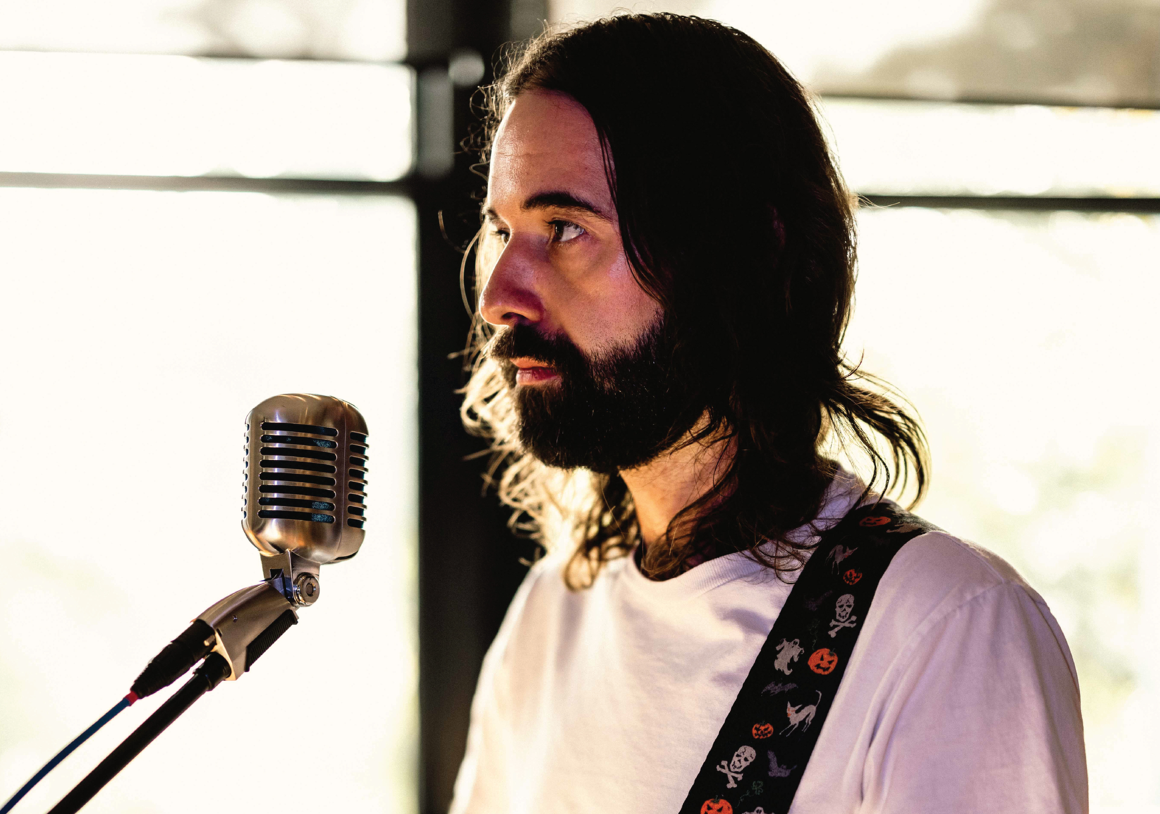
Before listeners learned about Summer Colds, the name Black Bears Fire was making noise in the music circles of South Oregon. But, as often happens in art, the old form became too tight for new ideas, and a project appeared that now sits comfortably at the intersection of indie rock and power pop. The path of Summer Colds was a carefully calibrated strategy. At first the band teased listeners with the singles “Whiteout” and “Killing Flies” as if testing the “ground under their feet.” And when their debut album “Here Comes Nothing” came out in 2019, it became clear the guys had serious intentions. The album turned out to be damn successful, making critics recall the best times of alternative music.
The new release “Missing Out” is a wonderful gift for fans who missed live music. It works as an expansion of the band’s image. The eight-track album is consistently solid: Summer Colds know what they’re doing and know how to get what they want. The main goal of the album, as it seems to me, is in how boredom stops being emptiness and becomes a texture – sticky, tangible. The album opens with the song “Something’s Coming,” which immediately fills the space with low frequencies, irons it out, slices it into segments. A weighted conciseness that instantly sets the mood of the album. In the sound of the track, indie rock comes alive, lifting the mood with its energetic guitar riff. The melody and central theme convey the atmosphere of a sudden surge of energy, when you want to jump and scream along with the song. The next one, “All Time High”, with its distinctive percussion and ringing guitar flying across the channels, is also memorable. One should especially note the guitar solo, which sounds stunning.

The band’s second album offers garage-psychedelic music trembling slightly from its own drive, self-exciting guitar playing, and catlike, stretching power pop that at any moment seems ready to break into a scandal. The attentive approach to guitar arrangements won’t let you get bored. Take “Shakeout,” for example – the track lives through guitar interweaving and doesn’t let you relax for a second. The riffs layer, diverge, and converge again, creating a dense texture; I advise sitting down for this one – it can make your head spin a little. Then “Say It Back” picks up the baton – same energy, but even more melodically catchy. Music lovers will understand me – it’s when the chorus lodges itself in your brain from the first listen, while the guitars continue their self-exciting dance somewhere in the background.
The album’s main success, to my mind, is “If You Know,” the fifth track. It begins with a guitar loop that repeats long enough to become meditative, before the whole band bursts into the “frame.” The song builds from a slow rise that finds release by the end. The guitars are thick and a bit dirty, the bass leans into one groove and doesn’t let go, and the drums sound as if they were recorded in a closet-sized room – cramped, stuffy, perfect. “The Moon” plays with dynamics: quiet verses explode into choruses that seem too loud, but that imbalance is exactly what makes them so effective. Thus “Dear Life” sounds like a manifesto written at three in the morning on the back of an electricity bill. The guitar comes in dirty, overloaded, aggressive. The chorus bursts in with an energy that seems excessive for the melancholic lyrics, but this very contrast makes the track alive. There’s a tension that keeps your attention. The final track “Weak Hands” leaves a pause – a space where you can either keep sitting or finally get up and do something. The choice is left to the listener.

The album “Missing Out” provides an opportunity to escape from everyday life and find yourself in a bright indie rock and power pop world, in which there is so much meaning. It leaves a very pleasant aftertaste: the final outcome is known to everyone, so why take everything that happens around so seriously? I think that in such an attitude toward life, Summer Colds have succeeded. They have figured out the strange alchemy of everyday absurdity and melancholy better than most of their peers in the indie scene. Sometimes the best way to cope with anxiety is to write a great song about it and let it sound properly.









 Voxwave Magazine: Music, Culture, Interview, Fashion