
“I’d probably say my songwriting ranges from dreamy poetry to rather banal ‘heart-rhymes-with-pain’ lyrics,” Katrine Schmidt smiles, talking about her new album “Wearing My Heart On My Sleeve” the release of which is scheduled for February 13. Usually I start reviews with some kind of metaphor, but this time there was no need for it -the way Katrine talks about her music is itself the perfect introduction: slightly ironic and touching. For Katrine, music is a family matter. Originally from the town of Skive, she played piano from childhood and studied at the conservatory. Her father was her main mentor — his serious illness and death became the starting point of the album. After his passing, Katrine wrote “Fight On”, a song about fighting cancer, which she performed on a live broadcast of a Danish morning show – it was included in the singer’s second album. “Wearing My Heart On My Sleeve” holds on paradoxes: grief neighbors with love, loneliness – with hope. Katrine explores how beauty can wound, and the joy of motherhood – coexist with the pain of loss. The songs were written when the wounds were still fresh and the tears hadn’t dried. Musically, the album exists between jazz and the American singer-songwriter tradition. In it are echoes of early Tom Waits, the sweeping sincerity of Van Morrison and Dylanesque phrasing. Katrine and her partner, pianist Johannes Øen Jensen, wrote and recorded the songs together – live, with double bass, violin, guitars and drums. It turned out warm and humanly.

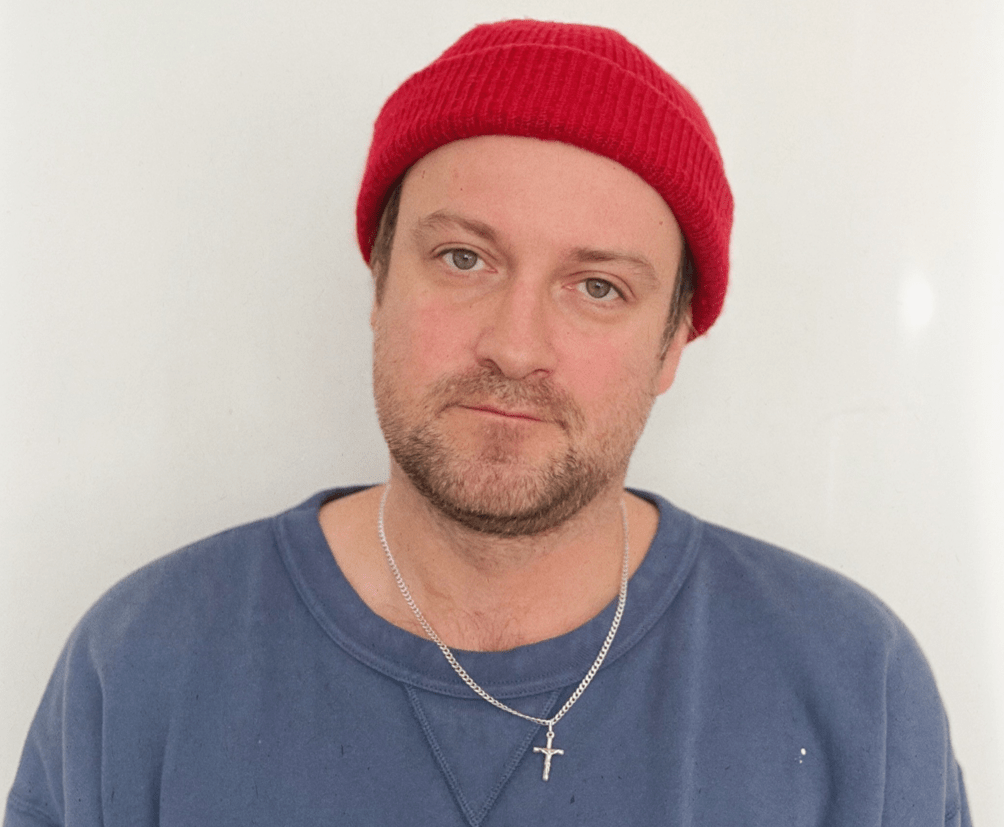
photo by Cred. Lucas Illanes
The 10-track record opens with the meditative “Bit By Bit”, a song about the power of time, natural cycles and human capacity to heal wounds, step by step. The arrangement develops gradually: to the soft sound of the piano are added even drum beats and transparently sounding strings, the melody moves calmly. The piercingly beautiful voice of the singer hypnotizes and prepares the ground for the main idea of the second track “One, Two, Three” – a song about a relationship that exists only in the protagonist’s head. Schmidt builds the track on repeated counting (one, two, three), a subtle attempt to calm or convince. The piano moves in a circle, the electric guitar adds melancholic backing vocals. Bitterness appears, the voice becomes duller. Gentle and sweet sound waves ebb and flow, making you freeze in anticipation and wonder how the trajectory of these waves will change. Thus “See You Again” sounds very cinematic. A scene emerges in a bar before closing – a classic setting for a jazz ballad, but Katrine squeezes out of it something more bitter than just drunken nostalgia. The piano melody smoothly intersects with the rustle of brushes emphasizing each phrase. Guitars and strings intensify the atmosphere of the entire track. The singer’s vocals stay in a low register. A self-reflective song about how difficult it is to let go of a person, although you understand that the relationship is toxic or one-sided.
Listening to the album, one gets the impression that the singer knows a secret passage connecting to something universal. For example, in the track “Missing You” – the theme of loss is framed as a chamber elegy. A blues form with jazz harmonies frames midnight grief and questions to God, and the piano leads a restrained dialogue with Schmidt’s voice. And although she sings quietly, the trembling long notes and involuntary vibrato betray loss of control. Expressive instrumental sections intensify the feeling of hopelessness. And in the song “To The Moon And Back” Katrine’s voice acquires new consonances, caressing the eardrums like a healing sound balm. A lullaby to the closest one – to her child. Smooth piano, lulling violin and gradually expanding arrangement frame soft, maternal vocals. The words about love “to the moon and back” sound like a promise to always be there.

photo by Cred. Lucas Illanes
One of the most empathetic songs on the album “Hang In There”, it’s addressed to a friend in depression. Instead of empty consolations, Katrine acknowledges: life can be unfair, but she’ll be there. The music is restrained: piano, double bass and light touches of drums. In the second half the guitar enters – long warm chords supporting a fragile presence – a song-embrace, without loud words and false promises. “Sweet Dreams” closes the album literally on “fingertips”. A song for someone who is leaving – most likely, for her father. The singer paints heaven as a cozy place where finally nothing hurts and nothing’s scary, trying to console both him and herself with this. Katrine performs it without strain and vocal tricks, it seems she’s sitting on the edge of the bed and afraid to frighten away the silence. You can feel the heaviest, but gentlest thing that only happens next to a very close person.
After listening to “Wearing My Heart On My Sleeve” by Katrine Schmidt, the last thing you want is to pass it through the usual genre coordinate system or dissect it for borrowings or belonging to some direction. An album full of maturity and sad calm, the melodies don’t force themselves and the listener into any specific frames. You want to return to this record, and the music gains meaning with each new listening – however banal that may sound.








 Voxwave Magazine: Music, Culture, Interview, Fashion