
«Art is not a mirror that reflects the world. It is a hammer with which it is forged,» Brecht said about theatre. And Anton Donovan, it seems, took it literally. I listened to his new album “Never Enough” late at night – and by the third track I was already staring at the ceiling. Of course, not from fatigue, but from how the text hits places it wasn’t invited to. The audience is used to Donovan’s transformations: at times a noir seducer with Lacy Lunn, then suddenly – the voice of conscience with an orchestra behind him in You’re a Good Person. The change of masks is his trademark technique. However, “Never Enough” is not another mask. Here the masks have run out.
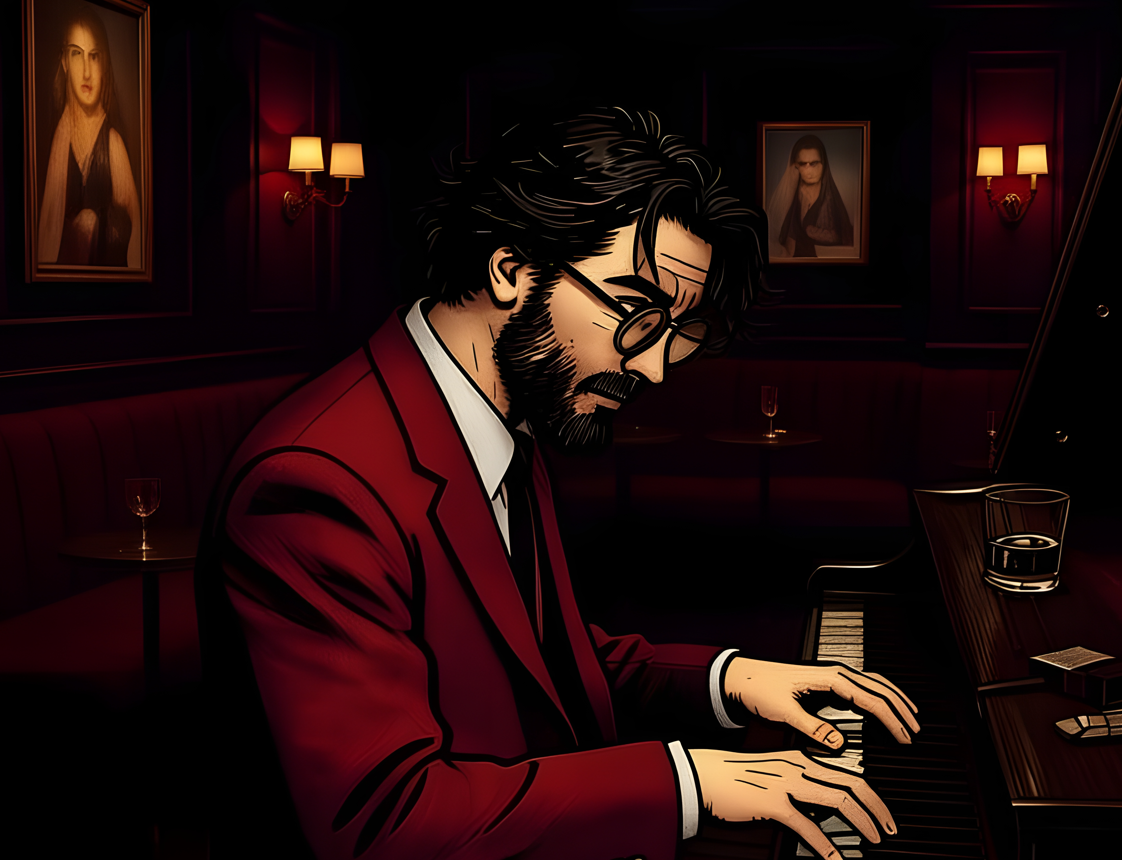
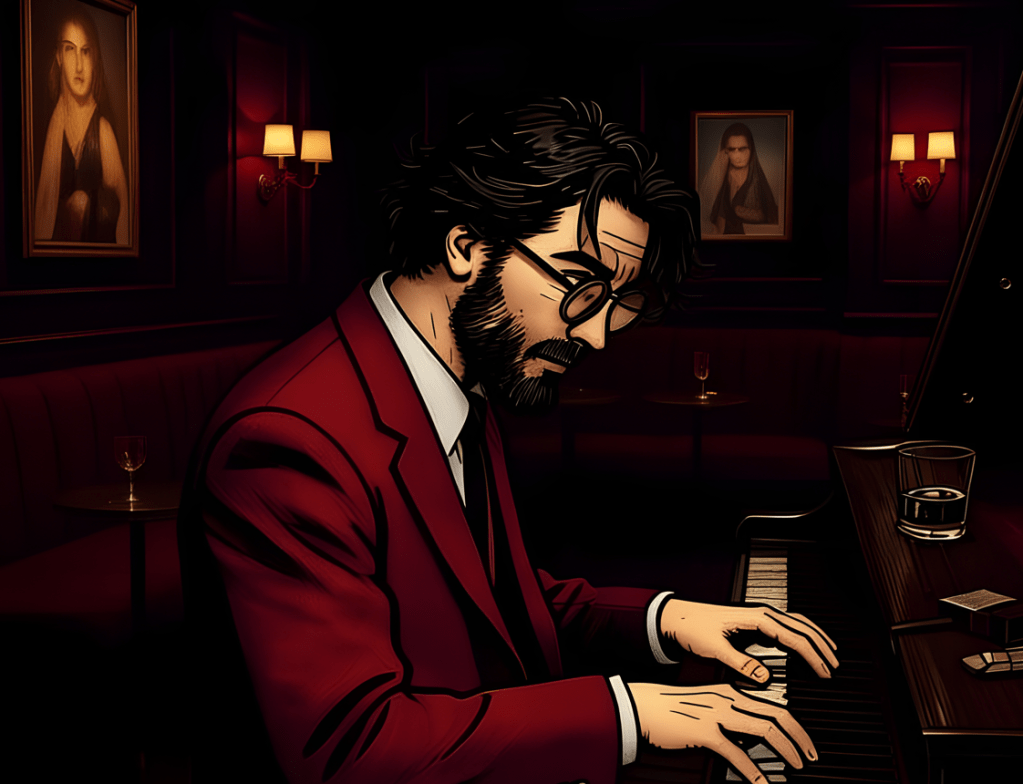
Musically in the album’s 13 tracks – everything is recognizable: the gloss of night bars, the smell of expensive perfume and bad decisions. The arrangements are brilliant, the melodies catch you from the first listen. To listen to it only as a “good record” is about the same as reading Shakespeare for the sake of beautiful sentences. Technically possible. The meaning is lost.
The album opens with “Consciously, You Wander” – an elegant satire on the human ego. While the rational mind fusses like a kitten with a ball of yarn, the subconscious calmly does all the work. Anton gently ironizes the belief in self‑analysis: you think you control the process, however the decisions are already ripening somewhere in the depths. The music and the vocal are like a heavy velvet curtain: beautiful, respectable, and clearly hiding something. Donovan drifts between sarcasm and warmth, between theatre and confession, not by chance he is considered one of the most unpredictable voices of modern cabaret. This duality is especially noticeable in “Waiting for Something to Happen” – the author examines under a magnifying glass the chronicle of existential stagnation: the world has frozen, and the only movement is the “slow grinding” of one’s own thoughts, doubts and memory. After this track you want either to immediately do something, or lie down and not move. It depends on how recognizable the narration is.
And in “Here’s to Playboy”, where Donovan, in my opinion, clearly enjoys his cynicism – and it is contagious. A toast to the man who understood the obvious thing: if you wrap the forbidden in sufficiently expensive packaging, the intelligentsia will come themselves and line up for it. Hefner did not sell lust – he sold permission. You listen and think: and it still works, only the wrapper has changed. In a similar way in “Extant but Inactive” the author explores familiar but already powerless elements of life – relationships that ended long ago but continue. No infidelity, no scandal. Everything is formal, tax papers and a shared apartment. It is precisely this domestic accuracy that finishes you off. It is harder to break up than to stay. It sounds more honest than most songs about divorce.
The song “The Meat Obeys” looks successful on the album. It seems to me that if existential horror could be made danceable – it would turn out something like this. The hero hands over control of his life not to God or fate, but to a cube. And calls it liberation. Donovan takes the idea from Reinhart’s “The Dice Man” and brings it to the logical end, which Reinhart, it seems, was himself afraid to describe. One of the longest and most large‑scale tracks on the album. To tell the truth all the songs sound with theatrical scope and touch on various themes. And one of the topical themes the author explores in “The Itch That Thinks It’s Justice”. Itch is the perfect metaphor for what happens on social networks every day. Not rage, not convictions – itch. You scratch it – it feels better for a second – then it itches again. Donovan says that itch and justice are different things that are very easy to confuse. In the same vein develops “Building a Better Machine”. The desire to be heard turns into an algorithm: everyone says what works, not what they think. Over time the difference disappears – the machine is built, the reach grows. Podcasts, algorithms, group chats, cults of personality – Donovan sings about the real, like a person who himself participates in all this and does not pretend to be an outside observer.
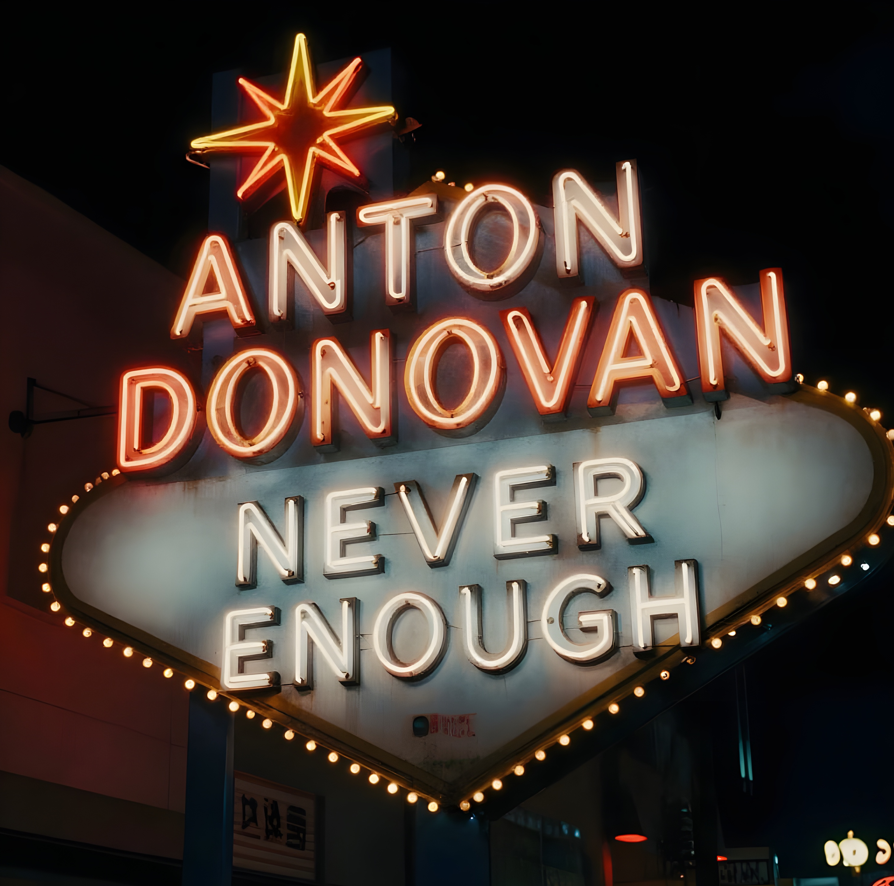
The special mood of the album reveals itself in the last two compositions. The penultimate track – “The Devil and Ms. Davis at Last Call” – draws in the imagination a small stage in semi‑darkness. Last call, the Devil and Ms. Davis, the night is already running out. The celebration continues and in the luxury one feels a light illusion. The music fades, and you involuntarily think: what is Ms. Davis thinking about when the hall is already empty and the orchestra plays out the last notes. Donovan works with the pause before leaving in the final track “Captain of the Brave”. The song grows to Broadway scale – Donovan comes out to applause and bows longer than everyone.
And here is the most important thing I want to say about the album. Behind all the irony and relevance, in “Never Enough” there is tenderness. Toward the characters he dissects. Toward the demagogues who are afraid of silence. Toward the cynics who became cynics from the fatigue of loving and not receiving an answer. Anton Donovan does not condemn. He understands.
The album makes you want to suggest it to the right person at the right moment and see what happens.
Published in partnership with SubmitHub







 Voxwave Magazine: Music, Culture, Interview, Fashion