
Fire doesn’t warn. It appears – and takes what it wants. That’s exactly how, without preamble, the January 2025 wildfires in Los Angeles began and, by an irony of fate, set in motion a chain of events that ultimately became an album. Jim Paulos, known under the pseudonym James Beastly, was following the news from San Francisco and thinking about his friend drummer Jeff Andrews, whose home found itself dangerously close to the fire. Andrews – a veteran of Return to Mono and The Cast-Iron Canaries – got an invitation to come to Beastly’s studio to play music and relax for as long as needed. He came. And that’s when something nobody had particularly planned happened.
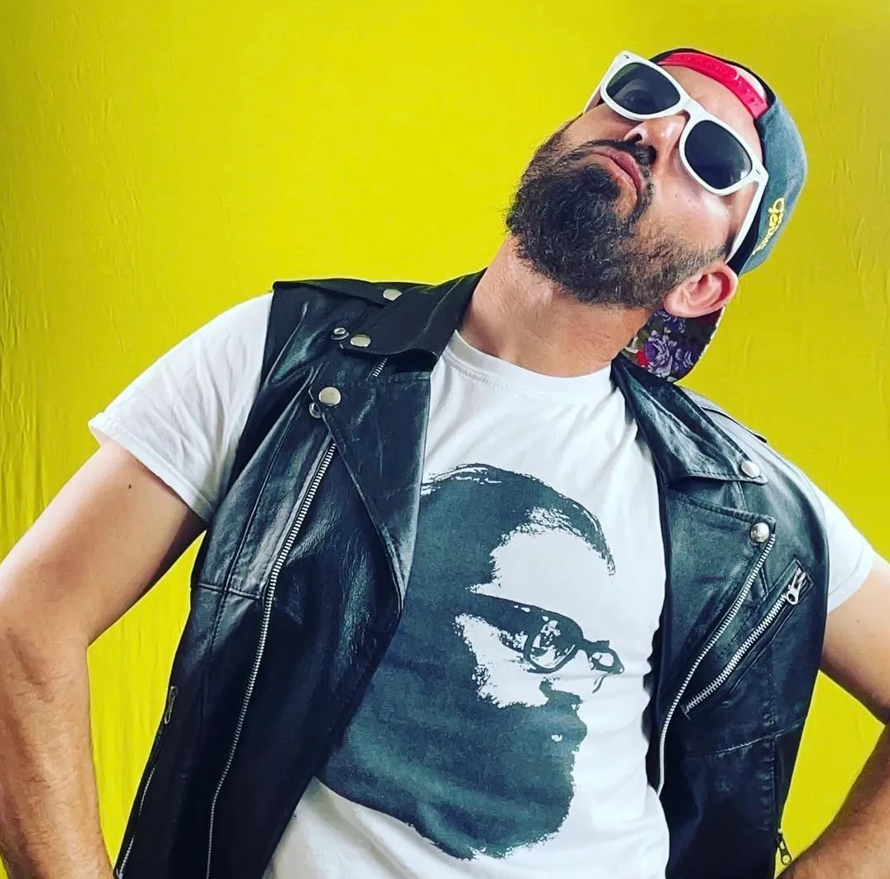
The studio began drawing people in. Musicians from completely different worlds – classical and jazz, electropop and punk – were pulled toward jam sessions with no specific plan other than the very fact of playing. It was in this community without an agenda that “We Should Be Animals” was born – James Beastly’s third and, by all appearances, boldest album, released on March 20. The path to it was paved by two previous works – “Illusionland” and “Junk Values” – on which Beastly had been consistently developing his own language: indie rock, pop and punk in his hands don’t blend into a compromise, but collide head-on, striking out something third. On the new album, this approach received unexpected reinforcement in the form of saxophonist Patrick Briers, violinist Magdalena Zając, who has played with Smokey Robinson and Andrea Bocelli, as well as old collaborators from The Cast-Iron Canaries.
Listening to the album means passing through several completely different rooms in succession, each with its own climate. The ten-track recording begins with “Spring Violets” – ringing, guitar-charged spring sections, an ode to “lost butterflies,” as the author himself calls them – and gradually moves into indie-psychedelic waters, where the fear of being happy quietly laps. Violins, the ringing of cymbals and birdsong in the final section herald the arrival of spring. A note of anxiety is set by the second track, “Fear Of Joy.” A smooth guitar solo draws attention to the theme, then the drums enter, sweet-vanilla strings and James’s velvety vocals. He doesn’t force his voice against the diligent guitar and strings – he possesses refined artistry, a specific combination of talents that no fee can buy. For lovers of faster songs, with more pronounced drums and less insinuating vocals, one of my favorites on the album will suit – “The Defeatist.” The track’s charisma and energy could be envied by the majority of far more uninhibited musicians. The guitar arpeggios and percussion are brought to an ascetic absolute, but amplified by the most powerful energy of the violin passages – and the effect of involvement washes over you from the very first minutes.
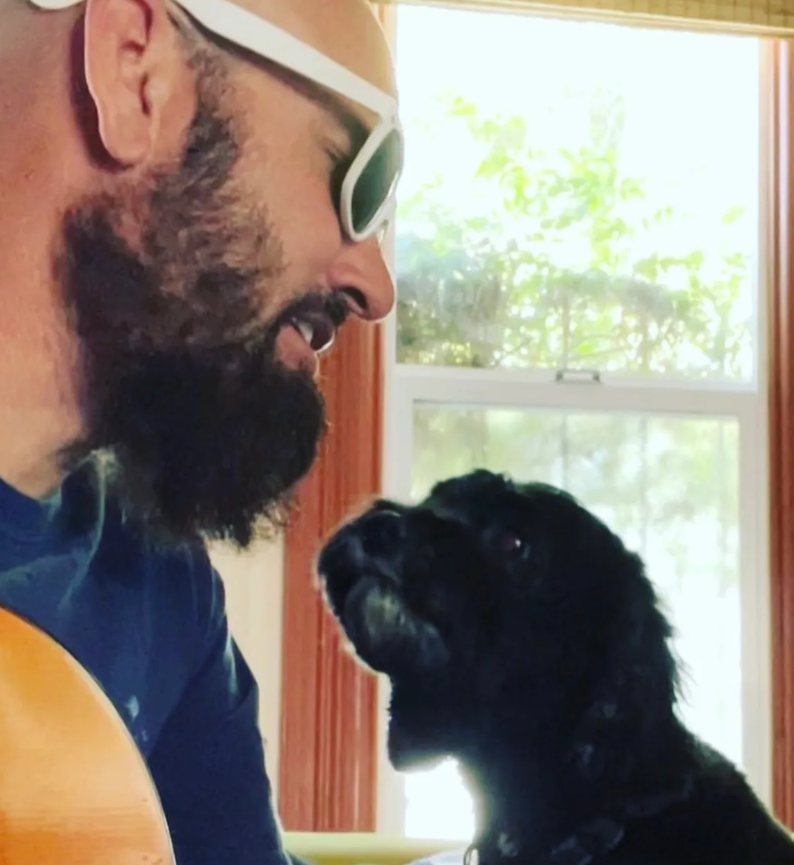
Very aptly placed in the middle of the album, “Slow Arrows” sounds fresh: the voice here is clean, vulnerable, without unnecessary effects – precision combined with restrained instrumental parts. Its direct opposite is “Persona Non Grata”: a burst of spotlight straight in the face, vocals drowning in reverb, drums tearing the air without warning. “White Dwarf” picks up the energy of “Persona Non Grata” and brings it to a convulsive dance – post-punk heat, saxophone as the chief herald of the apocalypse, absurdity elevated to a principle. And then the album does what you don’t expect from it: it stops. “Ephemera” slowly and deliberately cools down – a folk motif pulls downward, toward the earth, toward the silence after everything has already happened. In my view, this is the most poetic track, filled with complex imagery and allusions. It smoothly leads the recording toward its epilogue – the track “Oh! Mockingbird”: chamber sound, guitar and harmonica arpeggios, birdsong in the background and in unison with everything – James’s tremulous voice. As if you step out onto the porch of an old house and stand there, listening to the day quieting down.

“We Should Be Animals” is a serious and captivating album, superbly played and recorded. Music born from a chance confluence of circumstances and people ultimately speaks about very personal things: about how hard it is to allow yourself something good when you’re used to waiting for a catch. James Beastly does what few dare to do: he dismantles his own myth about himself right before the listener’s eyes – without anesthesia and without apology. Self-reflection in his execution is not a therapeutic monologue, but something closer to a ritual: summon the inner beasts, give them names, see who survives. They survive. With obvious pleasure.
Published in partnership with SubmitHub

 Voxwave Magazine: Music, Culture, Interview, Fashion