
“Nothing behind, everything ahead, as always happens on the road,” wrote Jack Kerouac. And, it seems, such an impulse of movement through uncertainty becomes the nerve of the new album “The Great Divide” by Matthew Shadley Band. I first became acquainted with the band’s work while working on a review of the album “Shaka” (May 2024), then there was “Preternatural Dreams” (June 2025). I honestly admit – I am a fan of their music. And therefore, you approach the seventh full-length release no longer as a random listener, but as an attentive fellow traveler who knows: beyond the next turn, the road will change again.
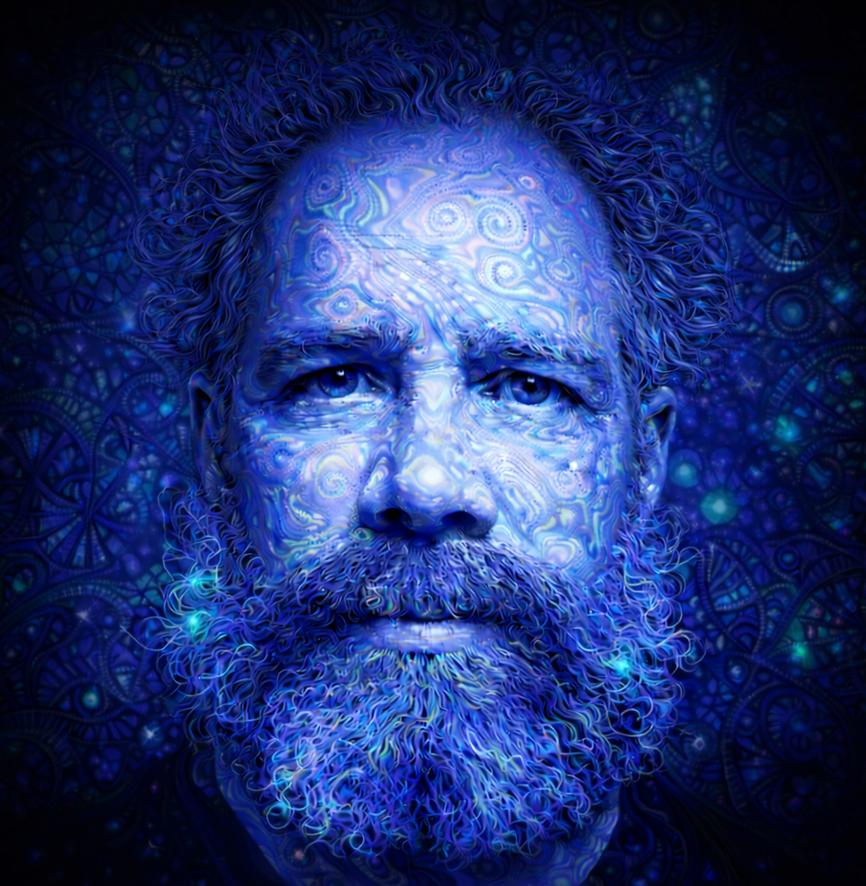
The recording took place in a coastal studio on the Outer Banks of North Carolina, “The Great Divide” is a step forward for Brauer. He shifts the focus toward guitar drive and a dense hard rock sound, going beyond previous boundaries. As before, Brauer carries the main part of the work: he plays most of the instruments and sets the overall tone of the recording. Nearby is a trusted circle of musicians; their participation is carefully distributed across the tracks and adds richness and variety to the album. And, as Brauer himself says, before us is the most cohesive work in lyrical terms – an album where the texts finally come together into a single statement. And if we speak about the sound – this is also the heaviest record in his catalog. Musically, he pushed off from the guitar aesthetics of the late British wave of the 60s – tube Marshall and Vox at the limit, a thick B-3 organ – but in the process the material itself pulled toward a harsher sound. At the core of the texts is personal experience, which still resonates in the songs and gives them inner tension.
The album opens from the threshold – politely aggressive. “Ball That Jack” charges like a shot of a starting pistol: Marshall tubes at maximum, harmonica on the verge of a rasp, and Brauer’s voice declaring faith in the road as a religion. The track refers to Kerouac and Neal Cassady – the same nervous energy of people for whom movement becomes the only way of existence. “Single Shot Revolver” is already a different temperature. Southern gothic, unhurried and viscous. The narrator accepts the consequences of his choice as something inevitable – with dignity bordering on fatalism. The guitar sound here is heavier and darker; Brauer clearly finds his place somewhere between late Cream and early Robin Trower.
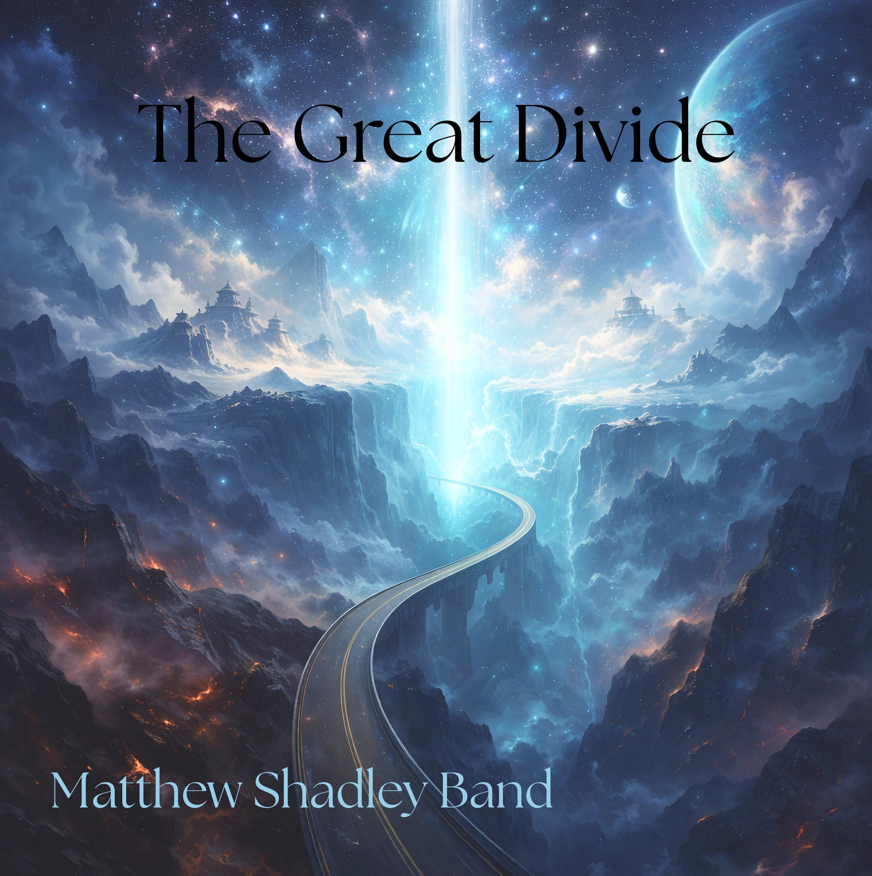
Into a new dimension introduces the title track “The Great Divide“. Here the road becomes a metaphor of a threshold – between this world and another. The backing vocals lift the track into an almost mystical space, and the organ hums in the depth, like a voice from a cathedral.Against this backdrop, “Jack Straw” sounds more intimate. The live studio recording and the presence of his daughter – Maggie, appearing here as a bass guitarist and backing vocalist – add a sense of fragility. The story of an exile turns into a dialogue between generations: the themes of death and the road take on a familial dimension. It is here that the album briefly lets go of its weight to reveal what lies beneath it -connection. But then follows one of the strongest moments –“Left This World Today”. Inspired by Trower’s Bridge of Sighs, the track explores the experience of clinical death with the detachment of a person observing their own body from the side. Disorientation without panic. Shock without a cry. A deep breath closes the first side of the album. After such a finale, the second side begins unexpectedly briskly.
“Sooner Than Later” – fast, funky, with percussion and an infectious groove – returns to the ground. Earthly desires have not gone anywhere; now the narrator simply looks at them differently. Released as a single on Valentine’s Day 2026, the song is an elegant wink: life goes on, and this is not bad. The second half of the album works as a series of commentaries on what has been experienced. “Pay The Man” formulates this extremely clearly: consequences are inevitable, but attitude toward them is a choice. Here there is no longer dramatization-only observation. “Radical Chic” also seems successful, the first single from the album, released back in October 2025. In it is heard fatigue from superficial gestures: guitar rock of the late 60s serves as decoration for a text exposing modern decorative “engagement.” This is one of the most ironic points of the album – and, possibly, the coldest.
The instrumental “Archipelagos” works as a transition into another state. It gathers the lines of previous themes and lays them out in space: fragments, islands, archipelagos of sound. Here especially is felt the thoughtfulness of the album as a unified statement. And the finale, “Like Stardust“, – liberation. The music dissolves in an ambient haze, the voice becomes softer, and the words stop demanding an answer. Gradually the main thought is outlined: inner balance comes at the moment when the need to seek final answers disappears – including about what awaits on the other side of the “great divide.”
In the album “The Great Divide“, Matthew Shadley Band sound cohesive – largely because they simply capture a state rather than try to sum anything up. It’s a story about the feeling that stays with you once you’ve come too close to the edge and returned slightly different. I listened to this album late at night and somewhere in the middle of the second side caught myself thinking: in Brauer’s songs – much of it is personally close to me. And the silence – for a minute or two in the final track – arises from the fact that there is no need for words.
Published in partnership with SubmitHub





 Voxwave Magazine: Music, Culture, Interview, Fashion