
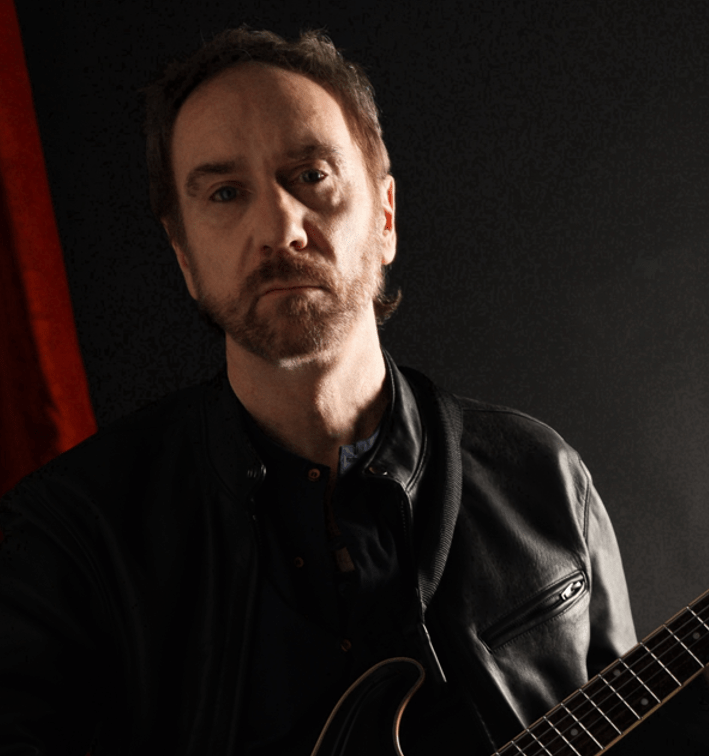
A classic story: true freedom in music begins where looking back at others’ expectations ends. The longer an artist stays in their own orbit, the clearer their own language sounds. It was with these thoughts that I turned on the new album by a musician our readers should get to know. Thomas Young, the one-man orchestra behind the alias Victims of the New Math, is clearly one of those. For more than twenty years, he has been writing songs at home, not really asking the world for permission.
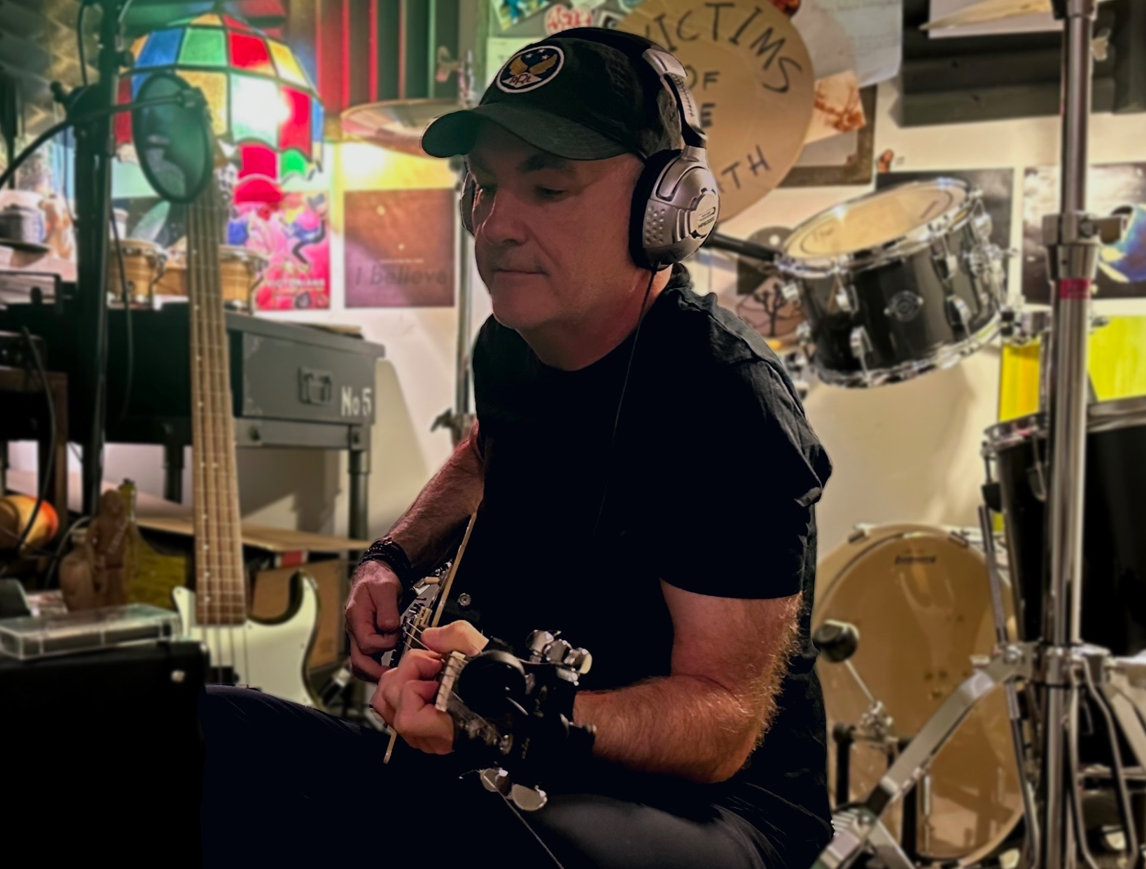
The story of Victims of the New Math began as a family affair. At the very beginning, Thomas Young’s brother Joe was by his side. The two of them started the project with a touching idea in its own way: to try to catch the sounds of AM radio that played from speakers in childhood, to understand what that sound was made of, and to recreate something similar with their own hands. Other people’s songs did not interest the brothers much. Thomas writes his own songs – with breaks, but that does not change the essence. Over time, the project became solo, acquired new influences: glam rock, new wave, psychedelia, garage rock – everything gradually entered a sound that is hard to fit into a single genre box. Which, in general, is what makes it interesting.
In May of this year, his new album “The Stories That You Weave” is released: personal, slightly disheveled, and honest. The new release by Victims of the New Math is a carefully assembled archive of moods, memories, and sounds. The recording includes 12 tracks, and I will try to briefly talk about them. The album opens with the instrumental “The Run Up” – a daring guitar solo without preface brings the listener up to speed. Young seems to say: words later, first listen to how I play. A minute later, “You’re A Star” bursts in – classic booming indie rock. Its rhythm makes you nod your head without thinking.
The key moment on the album comes in the track “Be What You Want”. Viscous guitars create a thick texture, hard drums keep everything in tension, and the vocal goes straight until it unexpectedly shifts into falsetto, naturally continuing the emotion. The themes that run through the album are not new – the fleeting nature of success, love, loss, the attempt to hold onto inner light in the world. The author speaks about them calmly, matter-of-factly. In his delivery – the persistence of a person who continues to write and play music.
The exhale after the first sharp pieces comes next – three tracks, I would say, three pillars. “Time Flies” unfolds like a night drive without a destination – a soft ballad with warm, slightly diffused light. “We Can Be Anything” works differently – like meditation. The tempo is unhurried, the arrangement restrained and atmospheric. “Believe in Me” closes this lyrical trio with light dreamy indie pop and a slightly watercolor, impressionistic “stroke.” It is important to say how the album sounds as a whole. Todd Tobias’s mastering adds depth and density without destroying the lo-fi fragility of the original material. Lo-fi is a genre that is easy to underestimate. You hear rough home sound and think: “well, low-budget.” But for its best representatives, that roughness is their signature. “The Stories That You Weave” sounds as if it was written over a long time, at different times and in different moods.
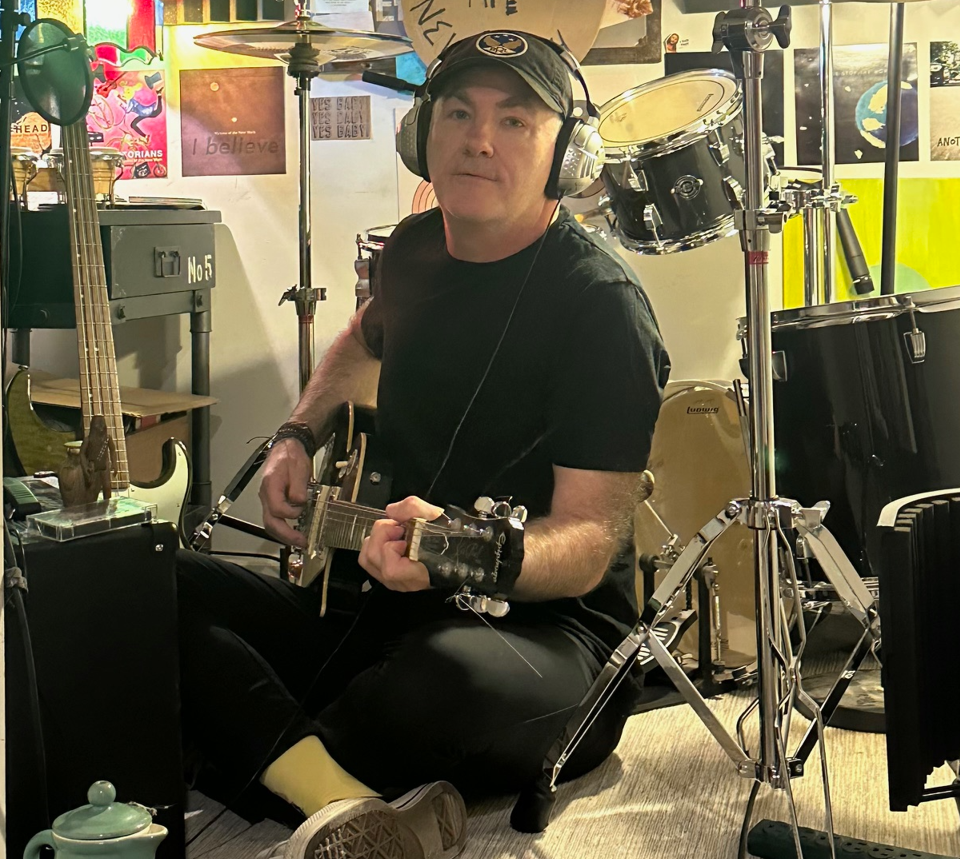
For example, as in “It’s You That Wanted More”. A sharp change of scenery excites the ear. Sixties garage rock in all its glory: rough, alive, with the energy of basement rehearsals. The guitar cuts here, the rhythm section presses tightly and without tricks – a track you want to listen to loud and preferably with an open window. Without losing inertia, “Every Day Is Saturday” picks up this mood. Vintage rock sound and drive – two tracks side by side work as a duet, as two parts of one thought: music should mean only itself. The instrumental “The Run Out” and the song “Packing List” bring back the hardness. There is less lyricism here, more pressure – the sound becomes thicker, the guitars sharper, the album gathers itself before the finale. And the finale does not disappoint. “Return to the Universe” is my personal favorite. Drawn-out electronic lines, warm, trusting vocals, and a ringing guitar solo gradually expand until they completely dissolve.
Victims of the Math walks its own path, far from genre frameworks, and “The Stories That You Weave” only confirms this: independence is the core value here. The album carries echoes of glam, shadows of new wave, psychedelic shimmers, and it all comes together into an organic authorial language. This is how someone sounds who has absorbed all kinds of music and learned to speak in their own dialect. He’ll find his listener — the one who cares that there’s a real story behind the sound and a real person behind the production.
A studio in one’s own room is a deliberate choice. Sincerity and consistency sound convincing on their own, with no need for ambitious gestures.
Published in partnership with SubmitHub





 Voxwave Magazine: Music, Culture, Interview, Fashion