They say that in the afterlife, we are awaited either by absolute nothingness or by infinite light. But perhaps true bliss is the absence of obligations. A world where no one demands that you file a tax return, reply to accumulated chats, or iron a shirt for tomorrow. Paradise is a place where earthly bustle comes to an end. Welsh musician Eilir Pierce formulates this idea quite literally. Paradise is a place where there are no lists,’ he says about the song that became the reason for this text. But before attaining this peace, Pierce still has to deal with a ton of unfinished business here, on Earth. His new song ‘Do-List,’ released on July 10, 2026, sounds like a session of existential therapy set against gloomy synth-pop. It is his first official single-after more than 30 years in the underground, 39 albums, and 500 songs. Pierce seems to have deliberately arrived late to his own debut.
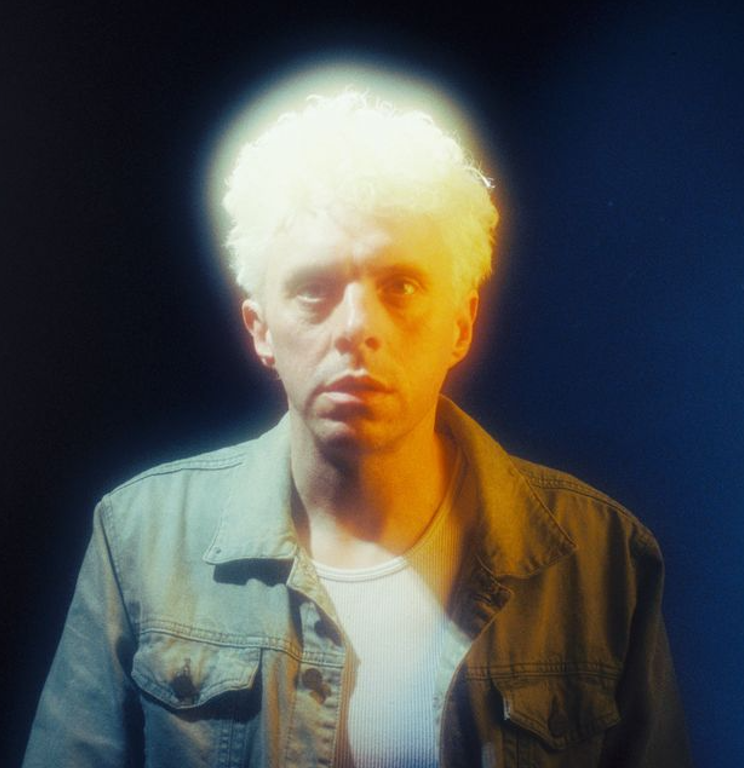
His move from Wales to Glasgow became a reset point for him and the beginning of the project Half-Time – a synth-pop musical about relocation, age, and the attempt to become a pop star when it is ‘already too late.’ ‘Do-List’ is its nervous center. The song captures a mind overloaded with tasks: the more you cross off, the longer the list becomes. ‘I make lists because I’m overwhelmed. Then the list becomes another thing overwhelming me. I tick something off, feel satisfied for about three seconds, and immediately notice the other 27 things I haven’t done,’ says Pierce, even rejecting the phrasing “to-do”: the extra “to” sounds like pressure.
Initially, the track rested on an anxious piano, but with producer Gavin Thomson it grew a cold body: drum machines, synthesizers, strings – all working toward a feeling of nocturnal inner panic. The verses are mechanical, disconnected, with a voice tired not from life, but from organizing it. Meanwhile, the chorus is suddenly alive and fragile. The combination looks strange on paper, but works when heard, because the theme is structured the same way: beneath the everyday bustle of lists, something far more existential is hidden.

The most precise thing in ‘Do-List’ is the ending – or rather, its absence. For a moment, the song manages to break free from the pressure of endless productivity: a pause appears in which it seems that the list is finally closed. And then a new task appears. And in this lies a painful accuracy: relief is a lways temporary, because the lists continue even without us.One wants to believe that paradise will indeed turn out to be a place without lists. Until then, we have a song about it.