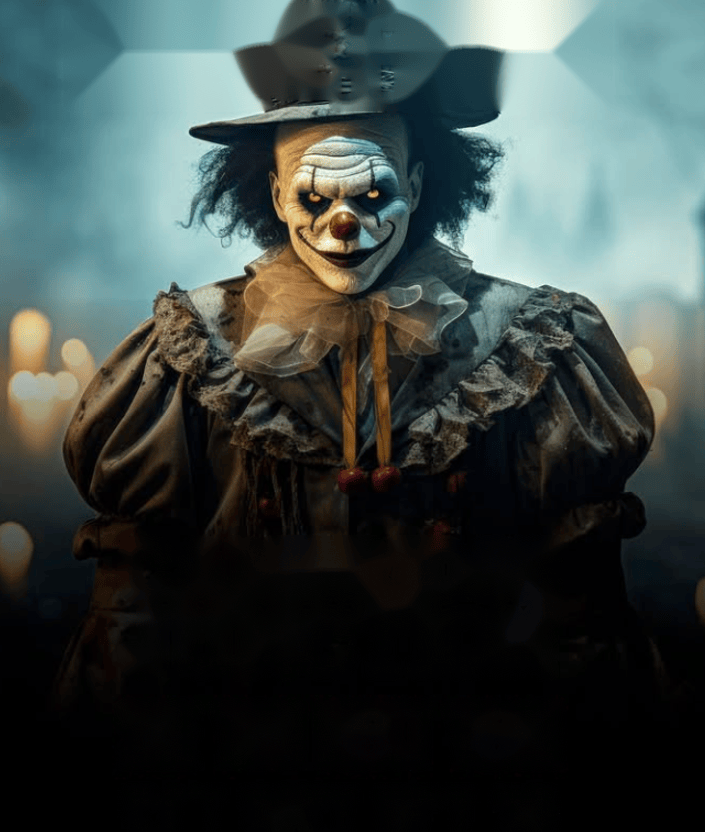
Cambridge is used to knowledge, gowns and neatly trimmed lawns. But on 31 October, Cambridge Junction will change the agenda for twelve hours: six stages, more than 90 artists, and music ranging from jungle and hardcore to trance, house and the dance classics of the 1990s and 2000s. Zombie Fest returns for its ninth edition – with N-Trance and their “Set You Free”, Grooverider, Stanton Warriors, Jaguar Skills, Ratpack and other names that once set the tone for British rave culture. Halloween is taken seriously here: costumes, characters and that particular freedom that appears when nobody on the dancefloor is trying too hard to look grown-up. But Zombie Fest has long been more than a nostalgia machine. Over nine editions, it has grown from an all-night party in Mildenhall into one of the biggest musical events in Cambridge Junction’s history – and it is already thinking about its next chapter, ZF-X. We spoke to the organisers about why old tracks still refuse to die, what a big lineup really costs, and how to make sure the tenth Zombie Fest isn’t just ZF9 with a different cover.
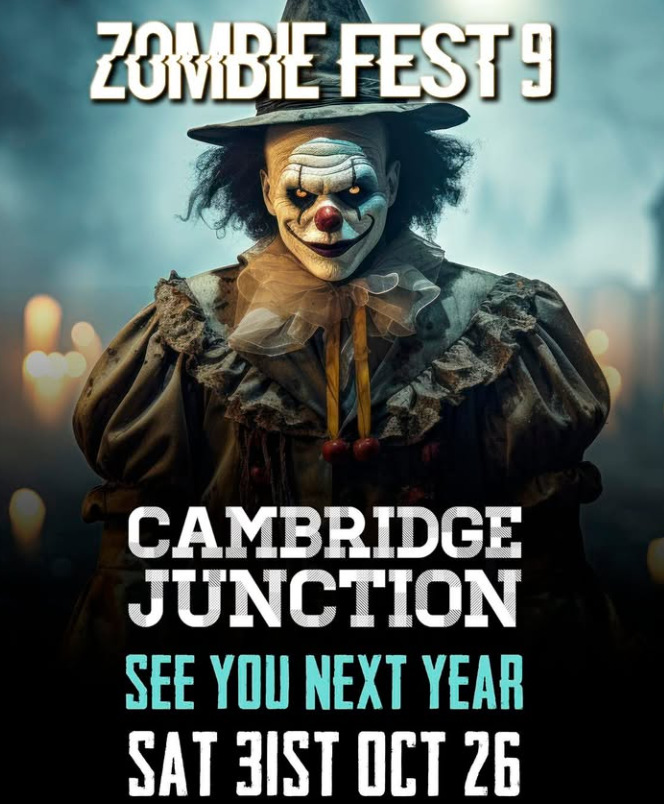
First of all, it’s a pleasure to meet you, and thank you for taking the time to speak with us. Zombie Fest 9 promises 12 hours of music, six stages and 96 acts – quite an undertaking. Imagine the organisers of the very first Zombie Fest walking into ZF9 with no warning. What would surprise them most?
Probably the sheer scale of it. The original idea was always about bringing different parts of rave and dance culture together, but I don’t think we could have imagined walking into Cambridge Junction years later and seeing 6 stages, more than 90 acts, an afterparty and the whole complex being taken over. The DNA is still the same – it’s just grown up considerably.
Some people will arrive chasing the records they loved twenty-five years ago, while younger visitors may know those same hooks through parents, remixes or social media. Whose expectations are harder to satisfy?
Probably the older crowd, because nostalgia is incredibly powerful and people have very specific memories attached to those records and nights. But that’s also what makes it interesting – when you see someone in their twenties reacting to the same record as somebody in their forties or fifties, but for completely different reasons, that’s when you realise the music has genuinely crossed generations.
The famous names will dominate the poster, obviously. Who is booked lower down that you quietly expect to steal the day?
There are quite a few, but Triple Threat are definitely ones to watch. We’ve known Harry Shotta for years, they’ve recently had the exposure from The Voice, and this is much more their natural environment. Zombie Fest has always given proper club and underground talent a platform alongside the established names, and sometimes those are the performances people end up talking about afterwards.
Cambridge spends much of the year presenting itself as ancient, academic and impeccably respectable. What can Zombie Fest get away with here that would lose its character in London?
That contrast is part of the fun. Cambridge has this beautiful, historic, academic identity and then for one night you’ve got thousands of people in Halloween costumes listening to jungle, hardcore, trance, house and old-school dance music. In London that sort of thing is everywhere; in Cambridge it feels like we’re temporarily turning the city upside down. That makes it feel much more like an occasion.
Promoters sell excitement while privately staring at invoices, contracts and frightening spreadsheets. Which cost behind ZF9 would make the average ticket buyer spit out their drink?
Probably the artist bill.
Hardcore, jungle, garage, trance and house crowds all bring their own habits and tribal loyalties. Which two audiences are you most curious to put in the same building?
I love seeing the jungle and drum & bass crowd mixing with the trance and hard-dance crowd. On paper they’re very different tribes, but there’s actually a lot of shared history there. A lot of people who went raving in the 90s and 00s never listened to just one genre anyway. Zombie Fest gives people freedom to wander into another room and suddenly remember a completely different part of their musical life.
Halloween gives adults permission to hide their faces, dress absurdly and behave with a little extra confidence. What changes on the dancefloor once people stop looking like themselves?
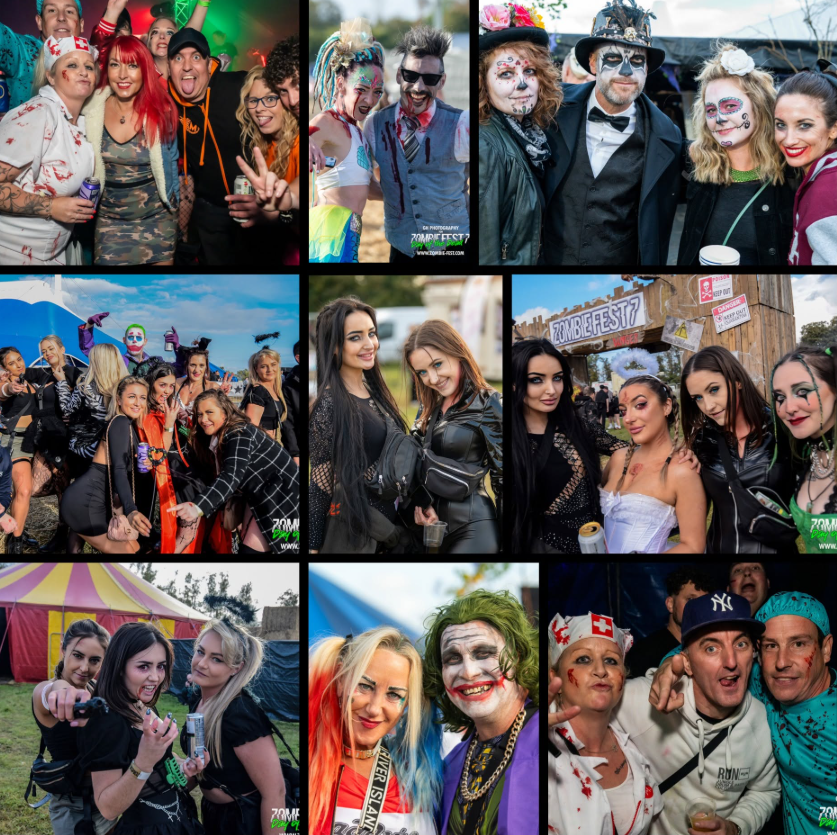
People stop taking themselves so seriously. That’s probably the biggest difference. Someone who might normally stand at the back suddenly turns up dressed as something ridiculous and they’re right in the middle of the dancefloor. Halloween breaks down that self-consciousness, and that feeds directly into the atmosphere. Nobody is trying to look cool because most people are here to let loose and have fun. Check some of the previous photo’s on www.zombie-fest.com
Here’s the awkward one. Every long-running festival has one past mistake that permanently changes how the team works. Which mistake is still written into the planning of ZF9?
Probably learning that ambition can’t be allowed to run ahead of the audience. As a promoter you always want to make everything bigger – bigger production, more artists, more rooms, more ideas – but ultimately the numbers have to stack up. We’ve had events where we’ve probably built more than we needed to, and you learn very quickly that every extra bit of production has to have a reason for being there. ZF9 is ambitious, but we’re much more disciplined about how that ambition is delivered.
Nostalgia can pack a room very quickly, yet a living scene needs something beyond recognition. How can you tell when an old anthem still has a pulse?
When someone who wasn’t even old enough to hear it the first time knows every word.
That’s the test for me. If a record only works because people remember where they were in 1998, that’s nostalgia. If a 22-year-old hears the same record in 2026 and loses their mind to it, then the record is still alive. Dance music has always recycled and reinvented itself, which is probably why so many of these records have survived.
The tenth edition already carries the name ZF-X, which sounds like a reinvention rather than another anniversary. What part of Zombie Fest has to die before ZF-X can become genuinely new?
The idea that Zombie Fest is simply a nostalgia event.
The heritage will always be incredibly important = that’s part of our identity – but ZF-X has to look forward as well as backwards. I want established artists alongside genuinely exciting new talent, stronger production, new concepts and things people haven’t seen at Zombie Fest before.
If we’re doing number ten, I don’t want people walking in and thinking, “this is ZF9 with a different poster.” I want them to think, “What the hell have they done this time?”
Tickets can be purchased: https://www.skiddle.com/festivals/zombie-fest/