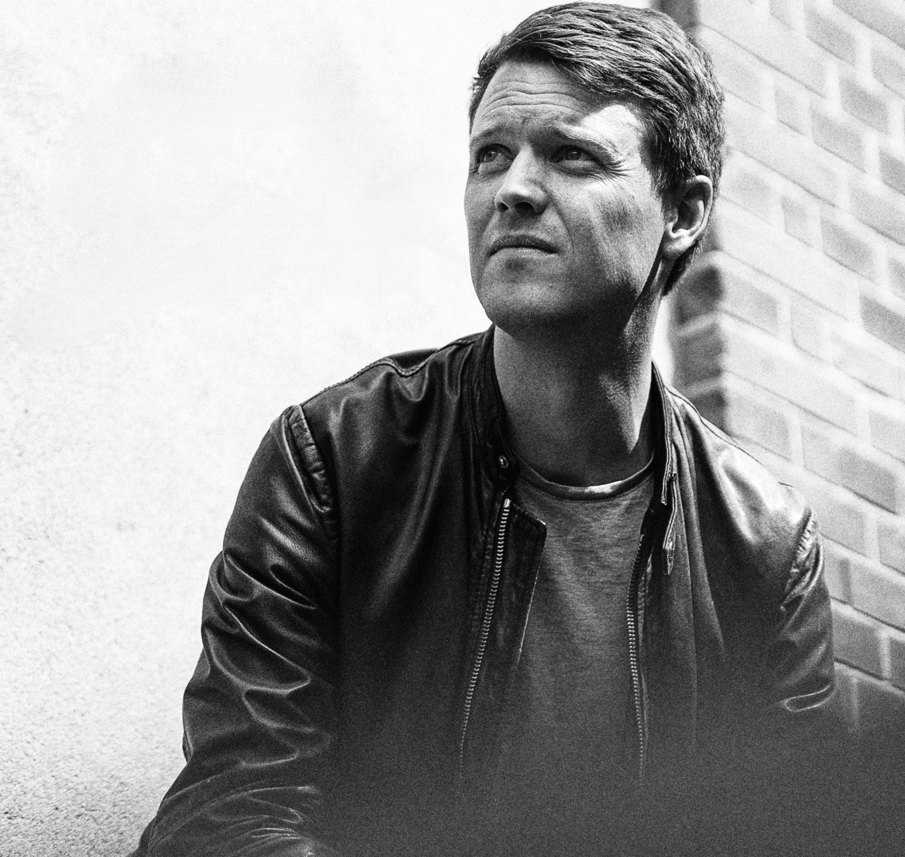
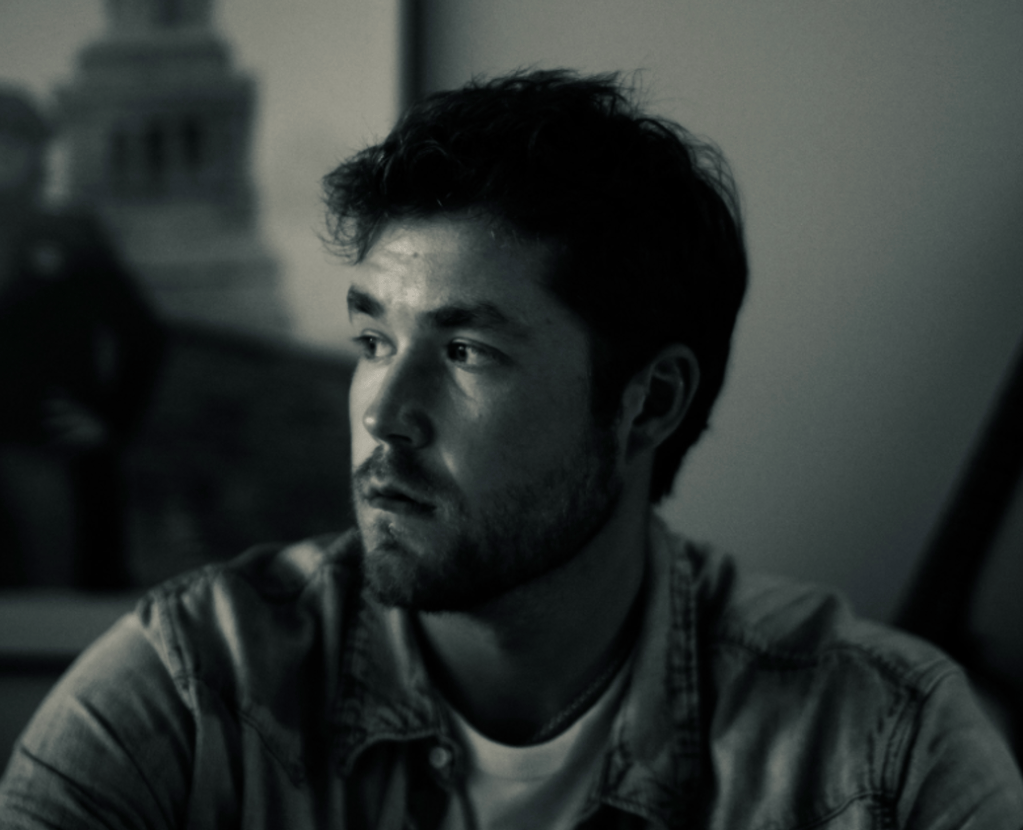
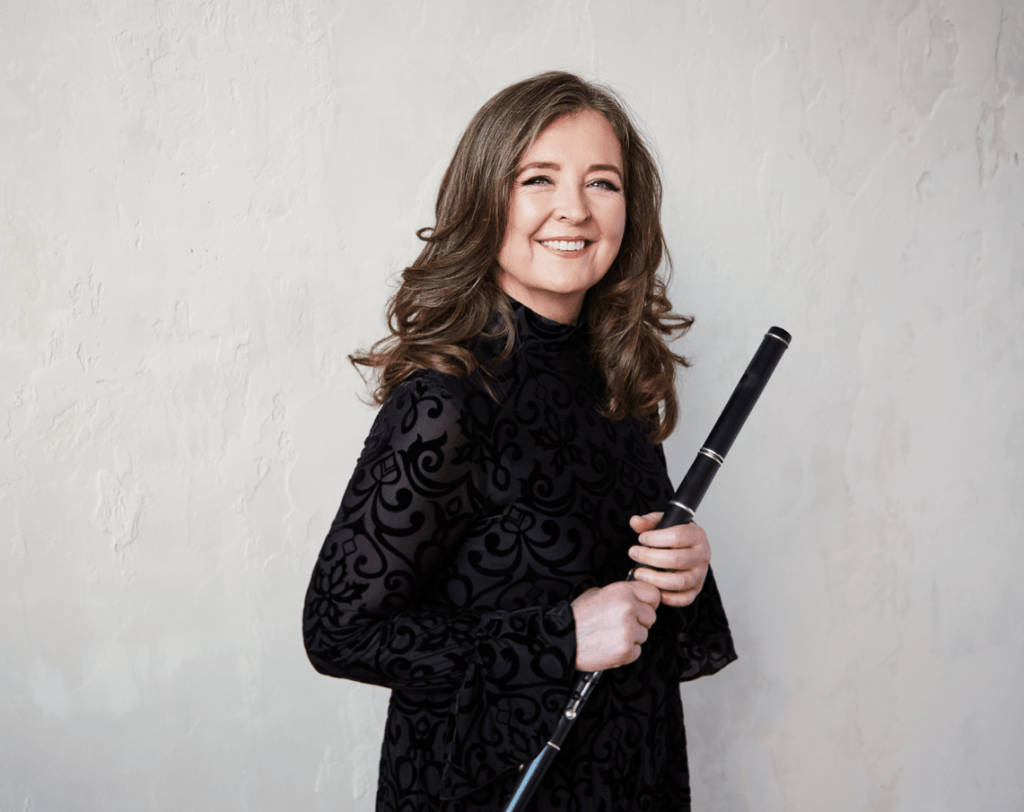
Leafing through old music magazines, I came across a story about Miles Davis. Once he said to a young musician: “Don’t play what is. Play what isn’t.” The musician got confused, fell silent, and then asked: “But how do I play what isn’t?” Miles shrugged: “Exactly.” That answer is a precise definition of creativity: it begins where instructions end. Where there are no rules, what remains is hearing, intuition, and the courage to step into the void. Listening to “…From What?” by Outsideness, I kept returning to that story again and again. Let me start by saying that Outsideness is a project that exists beyond the conventional sense of a group. Freidrich$ builds the building, Azalias lives in it — and in the process knocks down load-bearing walls. The result is unpredictable, yet stable. Strangely enough.
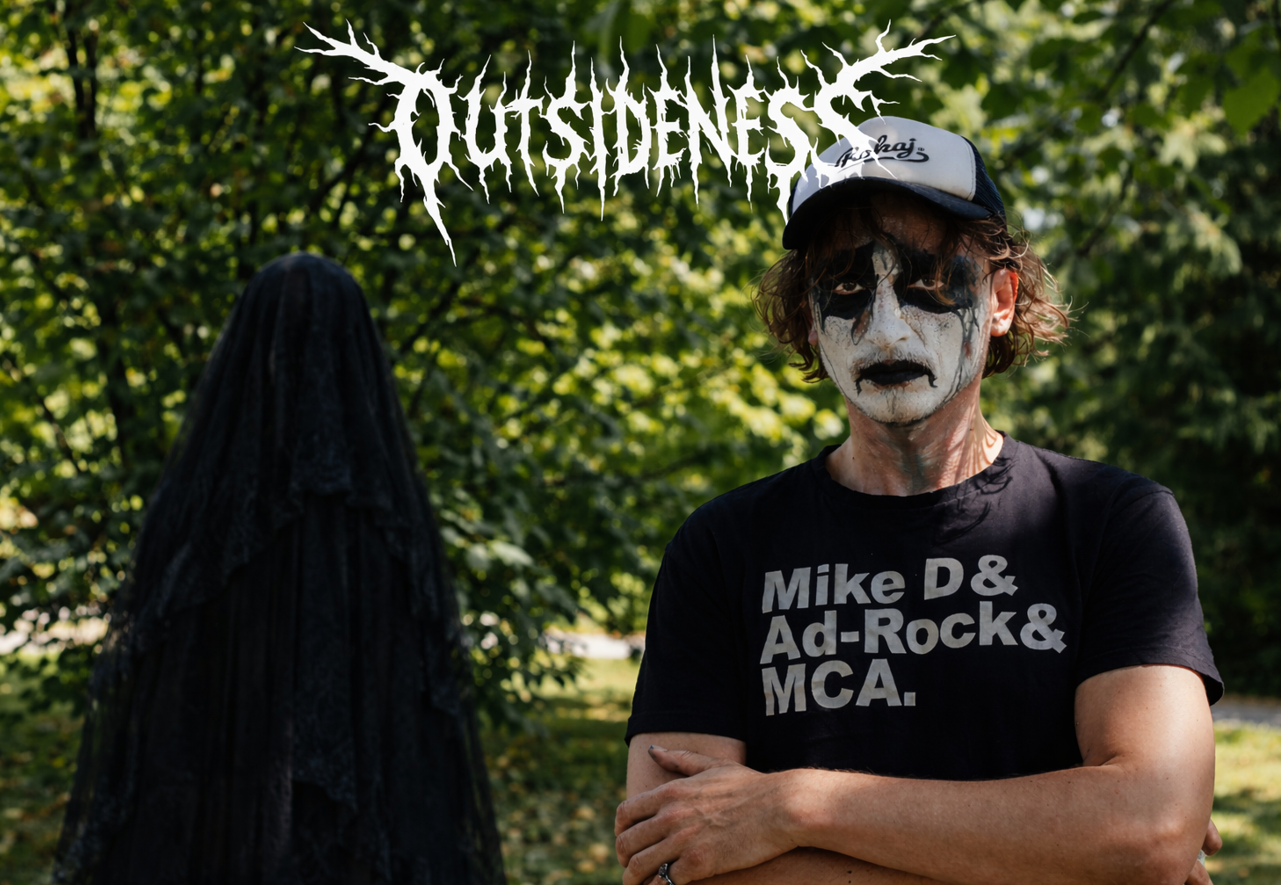
The album opens with “Remedy” – in Freidrich$’s words, the track was originally “just a demo.” Well, if this is a demo, then most finished albums should reconsider their lives. “Remedy” immediately sets the temperature for the whole recording: slightly overheated air, humid R&B with a light trembling – like the horizon at noon. Azalias is cautious, she is only entering, not yet knowing the result. But the voice already promises everything. The second track “Pretend” sounds unexpectedly romantic – it has the mood of a summer hit. Musically the track removes caution and switches on movement. The beat moves forward, Azalias follows it – or rather, it follows her. Listening to this track, I thought about how rarely you encounter performers who have no gap between intention and result. On “Crazy” something breaks – in a good sense. According to Freidrich$, he wrote one thing, Azalias took it and remade it into something else. He didn’t recognise the track and treated the result with respect. The result impressed me. The track turned out energetic and bright.
Although I liked the ballad “Different” much more. It sounds without irony and without the safety net of postmodernism. I played it twice: first I analysed it, then I listened. With “Poltergeist” the album becomes something whole. The moment I wait for impatiently in recordings – when you realise that everything before was the foundation, and now an elegant building is beginning to take shape. Different scales – but the same feeling: there it is. “Lovers” is a light, deceptively uncomplicated track. Freidrich$ himself hints at Tate McRae, and yes, there is something there. But here – it’s a conversation. I like it when musicians don’t pretend they exist in a vacuum. The melodic lines gradually become danceable, but seem more refined, elegant. Together Freidrich$ and Azalias lean toward dance music – which, in my view, more precisely fits the image of a duo.
“Thank U” is my personal favourite on the album. They take Dido – literally a voice from my teenage playlist – and place her in a completely different context. And she sounds better there than I remembered. This is a good trick: to take something familiar and give it back to you – renewed. An example of a song with a less predictable structure. An almost meditative track that gradually changes and, after all the vivid impressions across such different songs, lets you catch your breath, and the recording feels like a therapy session. The album most resembles a DJ set in which there are few repeated moves, and even the dance songs become a surprise and seem experimental.
For example, “Country” – burns. Literally and metaphorically – something catches fire there, I’m not sure what exactly, but the image holds. A song about unofficial America that you see from a car window at night: lights on the horizon and the feeling that you’re driving toward something important. “Country” flows smoothly into “Touch Me,” which transports you to an abstract space, with a meditative delivery and instrumental. “Touch Me” doesn’t explain itself – and rightly so. Either it catches you or it doesn’t. It catches me. “Cold World” is another track begun by Freidrich$ and remade by Azalias. He says she made it better – in the way he expected, and in the way he couldn’t have predicted. I know that feeling: when someone else’s view of your work turns out to be more accurate than your own. And finally, “Ends.” The title promises a conclusion, but the track doesn’t deliver one. It doesn’t close the album, it dissolves it, leaving the listener in a state that is hard to call a finale. More of a gentle push forward, toward where everything begins again.
I listened to “…From What?” three times trying to find an answer. Haven’t managed yet. But it’s a good question. Any attempt to describe it turns out to be imprecise. One could open an imaginary laboratory, break it down into components – house, R&B, trip-hop, dreamy indie pop – and carefully weigh the proportions. But do the exact measurements matter, if the main thing here is what seems not to be there?
Published in partnership with SubmitHub