
“Not everyone will drink my rattling spring…” – once remarked Sayat-Nova, the great 18th-century ashugh. He admitted that his “rattling spring” would not be to everyone’s taste; he was hardly being disingenuous, since knowledge of three languages – Armenian, Georgian and Azerbaijani – gave him a hearing capable of catching the subtlest pauses and overtones between cultures. The self-taught ashugh of the 18th century was a wanderer in the space of meanings, and today this spirit of intercultural dialogue finds its reflection in the work of Sydney pianist Zela Margossian.
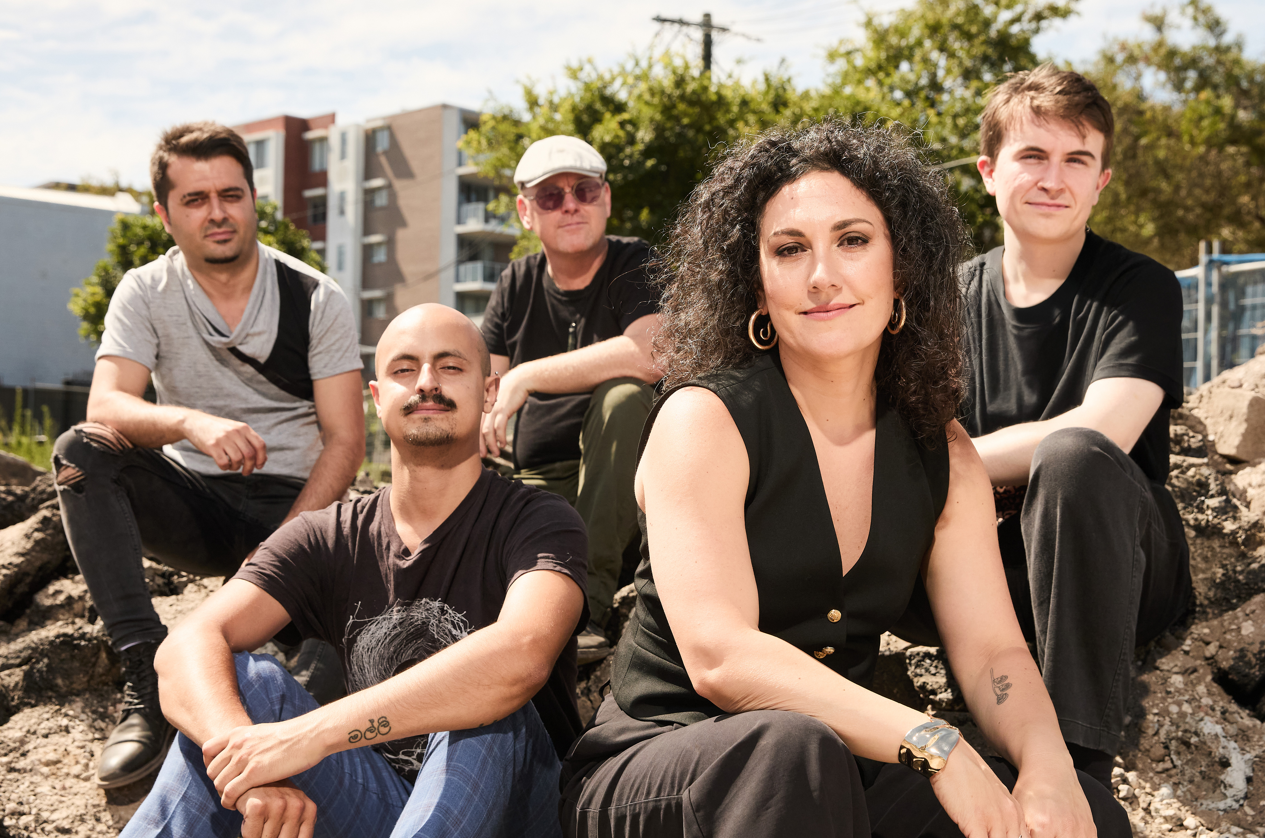
Margossian came to jazz through a demanding school. Born in Beirut into an Armenian family, she studied piano from childhood at the Parsegh Ganatchian music college and later at the Komitas Yerevan State Conservatory, where the strict classical canon coexisted with a living tradition that had fought for survival for centuries. Armenian ethno-jazz – the union of folk melody and improvisational freedom – for her is like a second native language.
When she founded the Zela Margossian Quintet in Sydney, this heritage found its path. The path of the quintet is a story of gradual conquest of the world, beginning with the debut album “Transition,” nominated for the ARIA Awards, and continuing with the album “The Road,” which finally secured for Zela the status of the most distinctive voice of the contemporary jazz scene. Her music, like the streams of Sayat-Nova, offers the listener a special taste in which behind the jazz rhythm one always feels the breath of ancient traditions and the personal story of a person who feels at home everywhere precisely thanks to her art. The first two albums built the reputation of the Zela Margossian Quintet. But the third, “Remedy,” is different. Written over several years of personal change, the album captures a period of emotional upheaval and renewal – the birth of her son and the uncertainties of recent years. “This record is one of the most personal I have ever created,” says Margossian. “There is so much pain, love, reflection and reconciliation in it within me and with what is happening in the world.” An accurate description of what happens in each of the album’s 10 tracks.
The composition “In Flight” opens the record and sets the tone with restraint that is eloquent in itself. Margossian’s piano sounds chamber-like, leaving space for the ensemble to breathe. On this calm pulse, Stuart Vandegraaff’s saxophone draws lines that sound like a touch. Jacques Emery’s double bass holds everything together, catching shades of mood. This is followed by the more tense “Indifferent World.” Guest trumpeter Phil Slater builds a solo that Margossian describes as “the voices of people suffering in wars around the world whose cries remain unheard.” Slater’s trumpet does exactly that: it screams in the language of jazz – jazz is almost the only way to scream so that dignity remains in that scream. The quintet accompanies the trumpet solo with delicacy, which heightens the sense of emptiness. Rhythmic ease, graceful improvisations intertwining jazz with classical music and along the way adding elements of ethnic and modal sound – the deep, lyrical, bright and spiritual music of Margossian is both an homage to the classics and her own unique view of jazz. On the album the eastern, Caucasian color is invisibly present. For example, in “Waves Unveiled” and “What If,” the compositions are like a wise and ornate Armenian parable told at a heartfelt Yerevan feast. Drums by Alexander Inman-Hislop and percussion by Adem Yilmaz, in combination with the other instruments, elegantly weave both folk motifs and jazz into what is happening. It is worth paying attention to “How I Wish,” the only track with vocals – an amazingly delicate melody and performance add charm to the album.
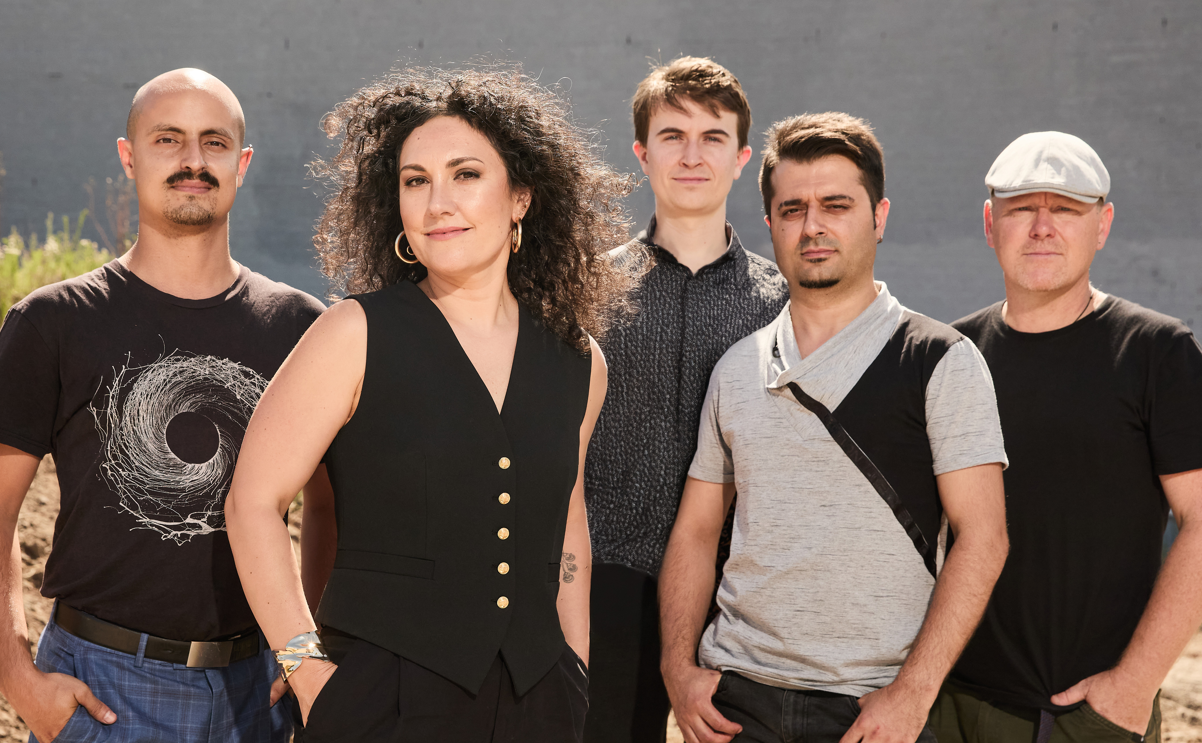
The central moment of the album becomes “Kintsugi” – a composition in which the idea of restoration through cracks receives a sonic embodiment. Flamenco guitar by Damian Wright adds roughness and warmth to the texture, and the piece itself develops like a process of gluing: from fragments to wholeness. A conversation of two cultures carrying history is born: a kind of musical reconciliation that conveys the idea of the track better than any metaphor. The pieces on the album address themes of heartbreak, motherhood, resilience and compassion in an anxious world. Each carries its own story. There are pieces on this album where Margossian’s piano sounds like a lost lullaby: melodies that begin recognizably and move into more uncertain territories. The instrumental parts work in layers that sometimes lull and sometimes disturb. As in the compositions “Repentance” and “Clarity,” different in tempo but virtuosic in performance. One must give credit to the musicians: they convincingly demonstrated their mastery in the solo parts – this is special jazz.
The album ends with “A Song of Joy” – a soft exit from concentration to a light, playful intonation: springy double bass, sparkling percussion, transparent piano strokes and two-part harmony that gathers everything into a joyful whole. In this finale Zela Margossian captures a moment where vulnerability and strength no longer argue.
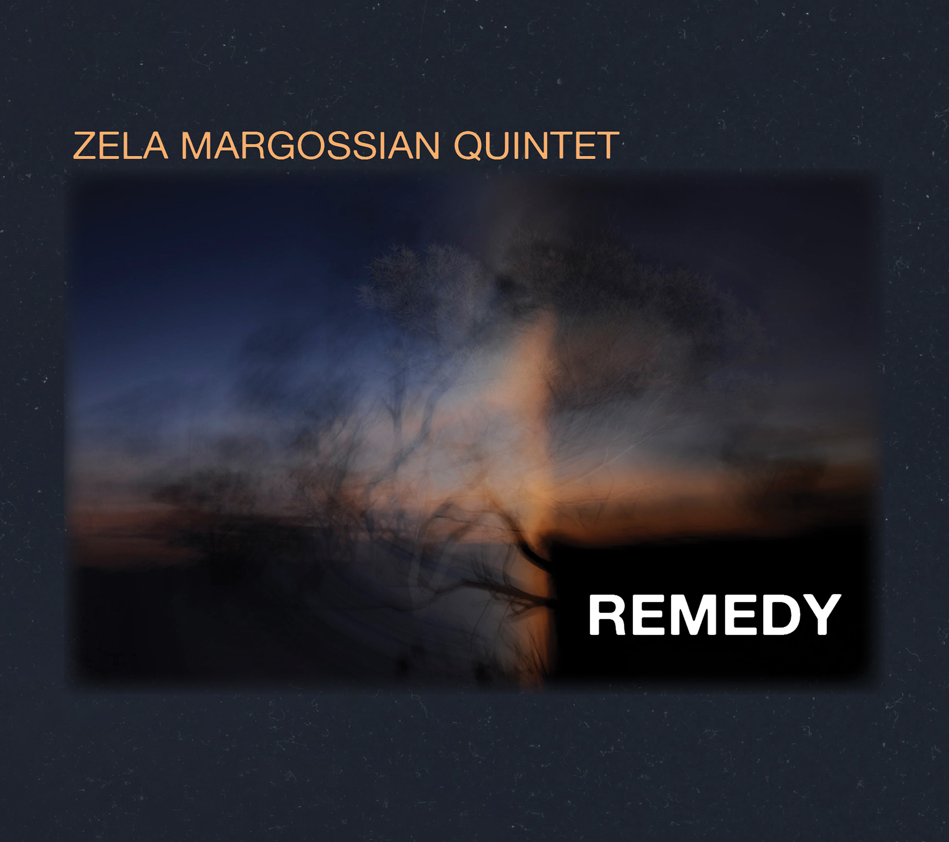
“Remedy” by the Zela Margossian Quintet sounds like a personal pulse – jazz, academic tradition and Armenian chants merge into a free flow. “With each new album I feel more comfortable expressing myself in ways that I couldn’t before,” says Zela, and after the May 22 release she already dreams of an international tour. It seems this “rattling spring” will find its listener.
Published in partnership with SubmitHub






 Voxwave Magazine: Music, Culture, Interview, Fashion