
Miles Davis once said: “Play not what you can play, but what you hear.” The phrase is short, but it contains an entire philosophy that separates craft from art. In this gap between technique and inner impulse, true fusion is born. A state in which acid jazz meets psychedelia, and lo-fi fog settles on a hot funk groove, gives rise to music that is impossible not to feel. The kind made by the guys from the Ventura-based band Matterform on their self-titled debut album, which is officially released on June 19, 2026.
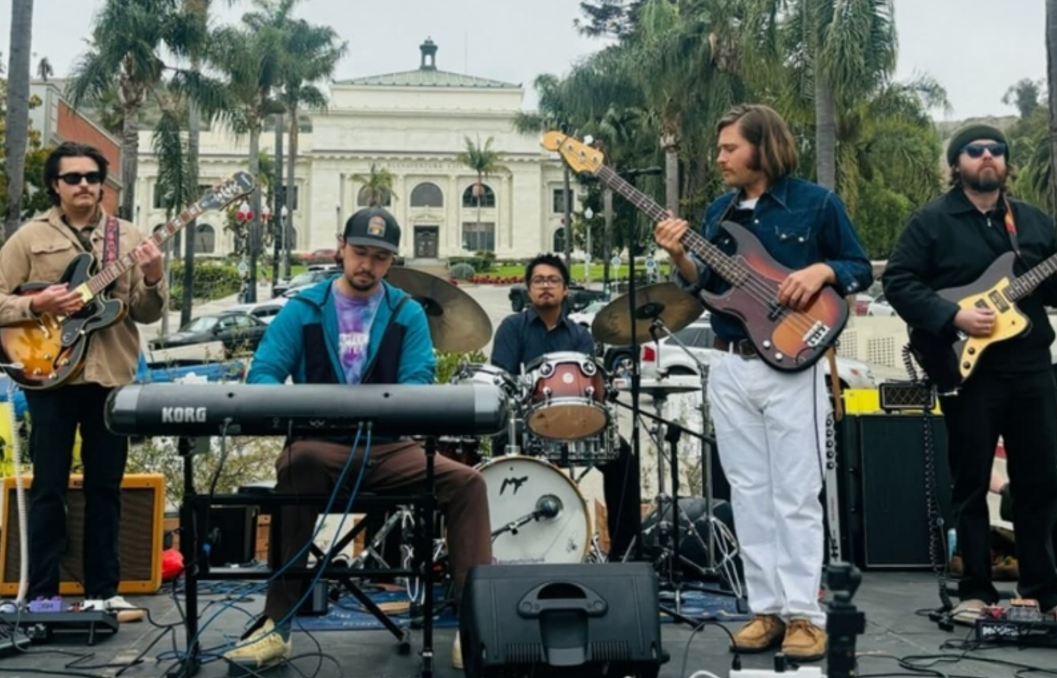
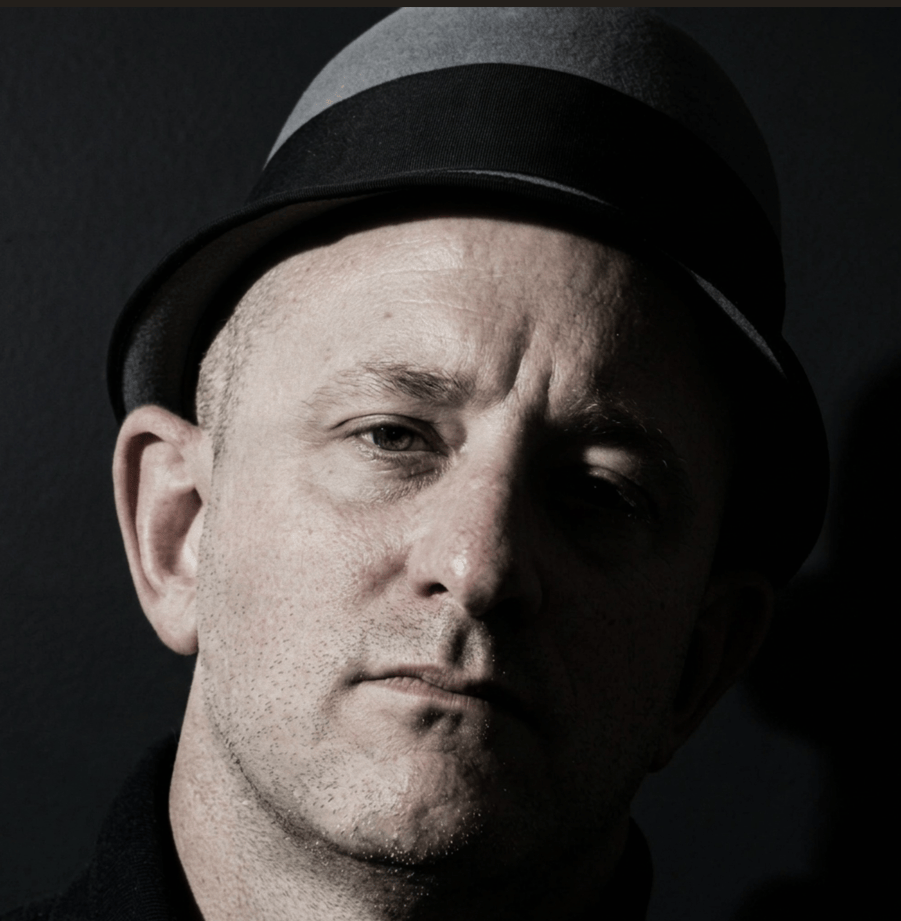
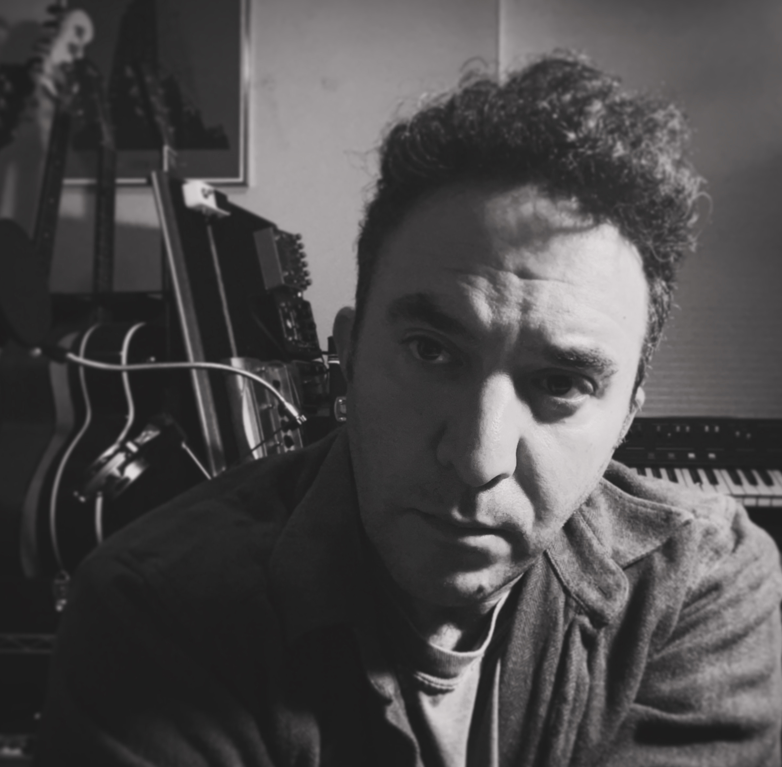
Matterform: Chet Toner (Guitar/Sax), Javier Avlia (Keys), Drew Espejo (Drums), Tony Pelosi (Guitar/Art), Zach Manpearl (Bass/Keys).
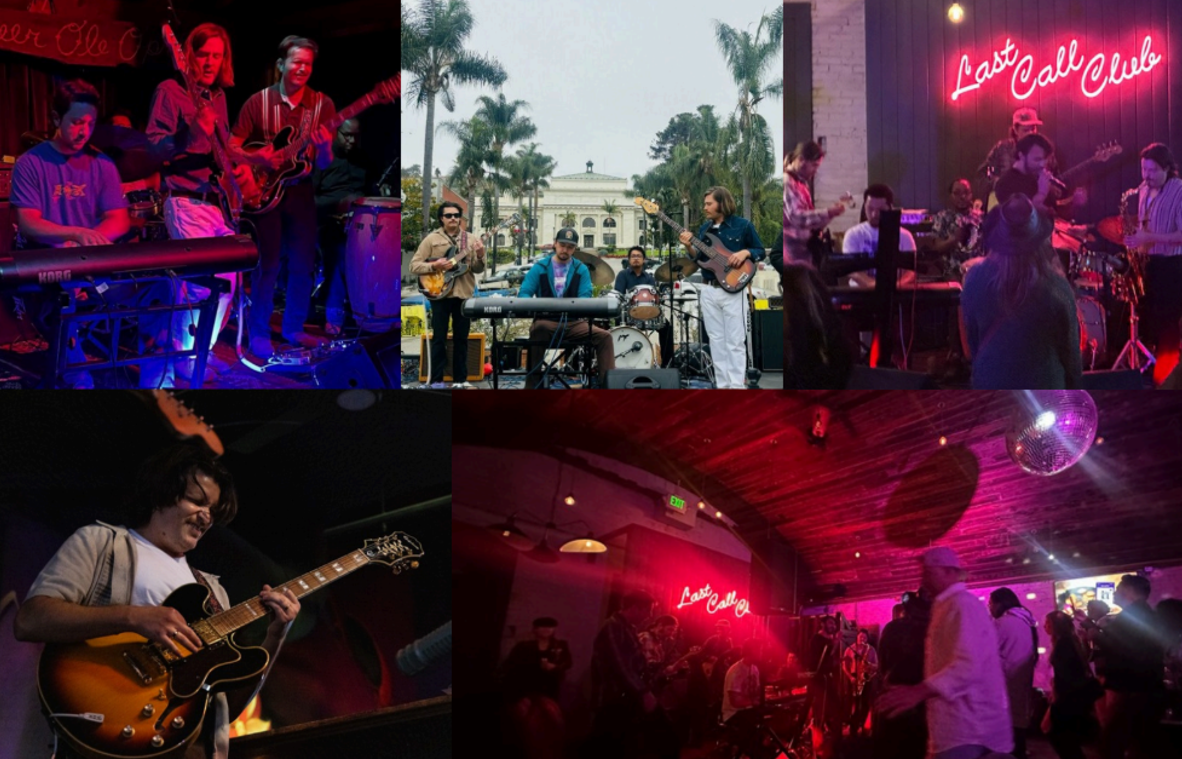
Before us is the concentrated result of the band’s four-year wanderings through smoke-filled stages and sun-drenched venues of Ventura and Santa Barbara. Matterform spent a long time carefully testing their “cosmically adventurous” vibrations on audiences before locking them into the confines of a physical medium. By the way, the album “Matterform” is preparing a monumental landing on vinyl, and the cover artwork for it was drawn by the band’s guitarist himself, Tony Pelosi, which only emphasizes the project’s absolute handcrafted nature. Let us lift the needle from the tonearm and go through the record track by track.
The album opens with the composition “Awakening” – a meditative, confident awakening. The melody resembles the morning fog over the Pacific coast, through which the first neon rays of fusion break through. The track gently tunes the ear, slowing inner time. The instruments enter gradually, like light through closed eyelids, immediately defining the album’s space – wide and airy. In every instrumental section, the excellent work of the guys can be heard: virtuoso guitar solos, drums, bass, keyboards, intricate and precise rhythmic patterns. In my opinion, their interaction looks especially effective in the composition “Oxnardis” with the contrast between the ecstatic sound of the bass and the soft, lyrical playing of the solo guitar. “Oxnardis” is the flagship of the album and the first single. A lo-fi tribute to Miles Davis, named after neighboring Oxnard – a small Californian city by the ocean. The melody envelops; it exists in its own time. Cinematic, introspective – one of those things that make you want to look out a car window, pretending to be the hero of a film. It sounds refined, jazzy – pure flight.
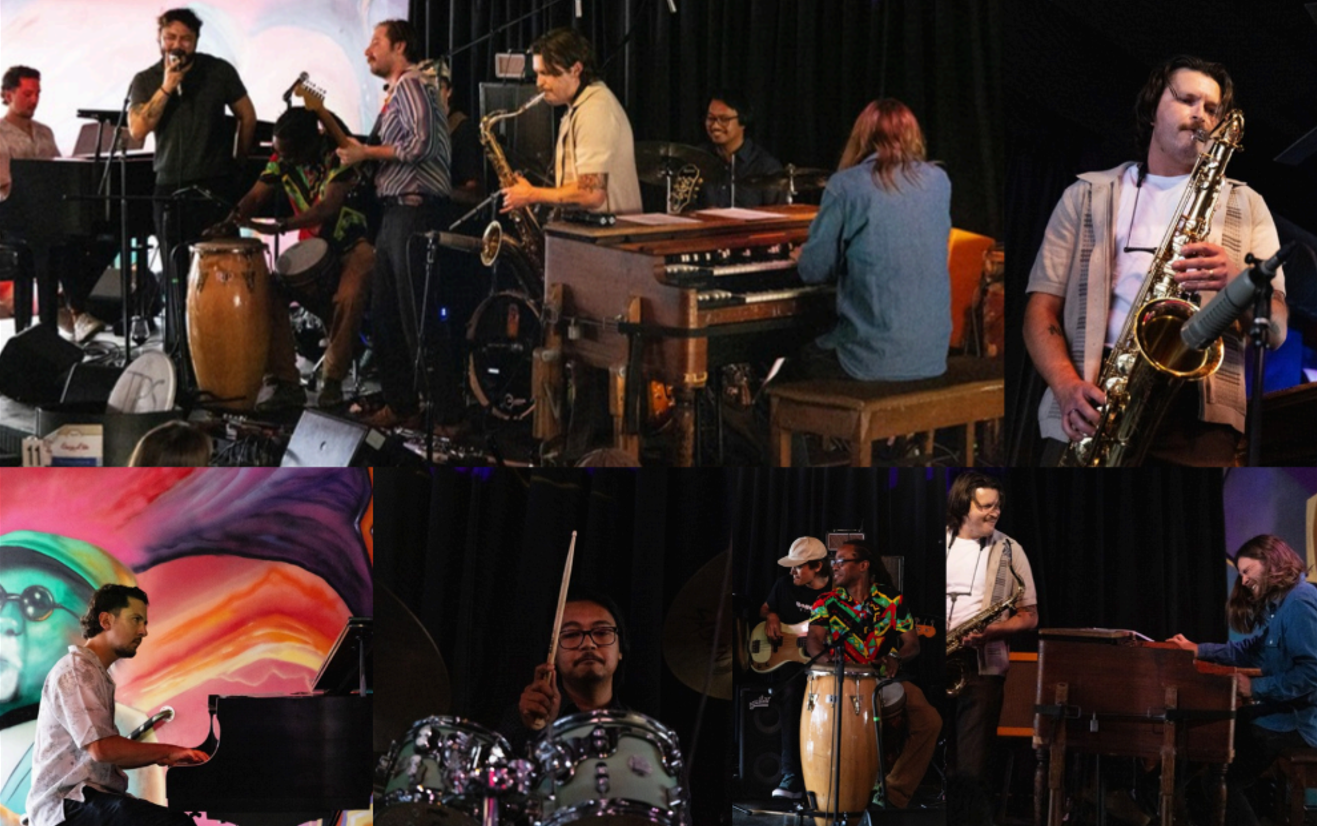
In turn, “Duster” adds a little more texture to the palette: here a dusty, analog roughness appears. The rhythm becomes denser; the saxophone part is especially good. At times it seems that the musician uses several types of saxophones. With astonishing ease and grace, he glides from highs to lows and then soars upward again; into his playing he pours an entire sea of passion. The same is true of the other instruments, which enter one after another. In the third minute, the solo and bass guitars enter the game, followed by the keyboards. Everything concludes with the “king” of the composition – the saxophone. And this cannot fail to resonate with the listener. The release is equally stylistically strict, unobtrusively conceptual, and demonstrates the improvisational mastery of the recording participants. Next comes “Toaster” – the second single and an energetic moment of the album. A change of angle takes place: funk riffs, elastic bass – jazz ceases to be polite and begins to move. Danceable, without unnecessary fuss.
If we speak about the brightest synthesizer and horn parts, then here I would give preference to the composition “Paperweight”. It rests on a surprisingly dense and tangible bass framework; then the guitar and electronics come to the forefront: sometimes one after the other, sometimes in unison. Psychedelia in its most elegant manifestation. The drum kit is the generator of the track’s drive, and this generator sometimes seems like a perpetual motion machine, so intensely does the drummer give his all. Suppressed tension reveals itself in brief trumpet insertions, when, having played, thrown, fired, stretched, sung, or whispered one or two notes, the musician expresses light, reason, tenderness, respect, delight. In the recording, one can clearly hear the “togetherness” that the musicians forged over four years on the Californian coasts.
“Morpheus” is the final chord of the album. A beautiful, enveloping conclusion to a cosmic journey. The solo continues the rhythm, but at the same time breaks it apart, as time itself can divide – disappearing, abstract, and unpredictable. The music is contradictory, calm, and at the same time bright. The harmonious sound of all the instruments and expressive solos – the background and foreground of the music – constantly exchange places. The fading echo effect leaves a pleasant aftertaste and a persistent desire to put the record on repeat.
Matterform’s debut turned out to be interesting. Even more interesting is where the collective will move next in its creativity: no one has yet canceled the work on recording a second album!






 Voxwave Magazine: Music, Culture, Interview, Fashion