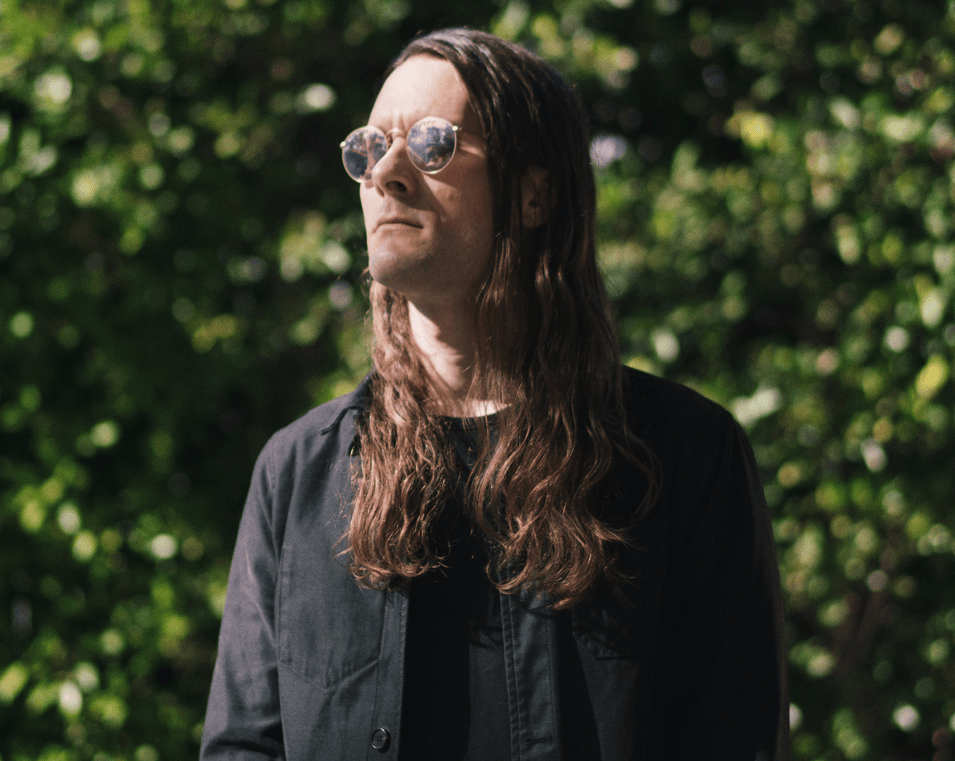
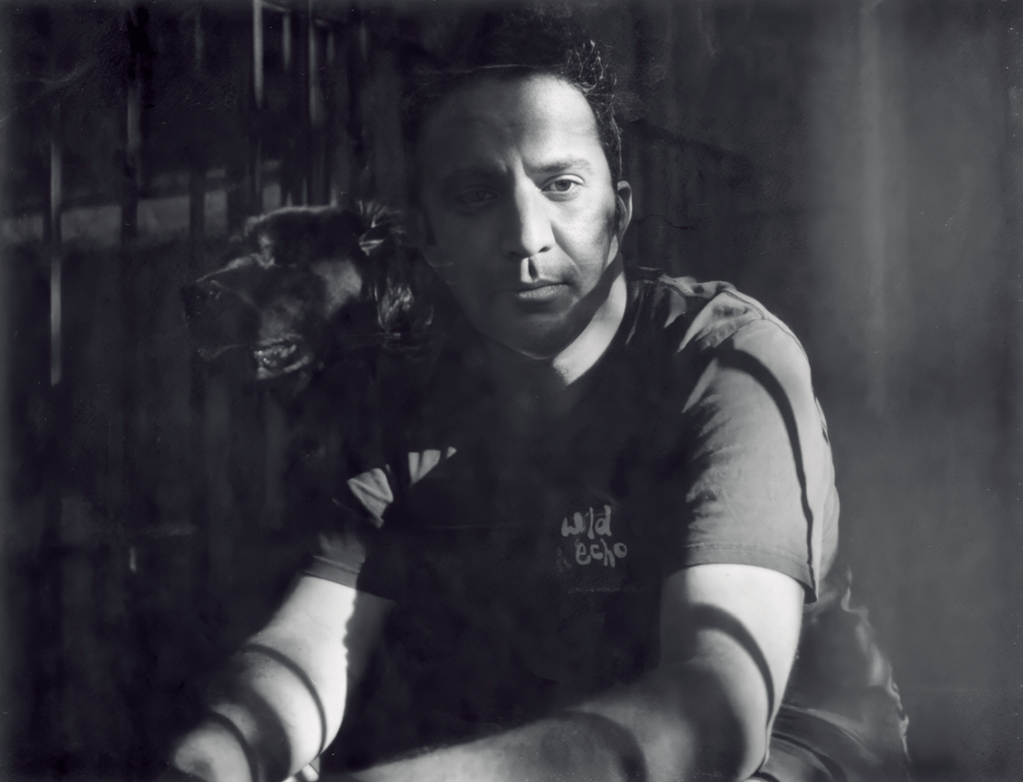
An anti-war song that would have had no place in Russia has received international recognition – and that alone says a lot about its power. Oxygen1um’s single “Fools Waited for a Miracle,” released in 2022 and later included on vinyl in VinylMoon Volume #93, was awarded bronze at the Global Music Awards in 2026. The music contains references to Kino, Mashina Vremeni, and Molchat Doma, but not for nostalgia’s sake – rather, as a way to speak about the present day. We spoke with Anton Tomilin about a song that still sounds too relevant, and about the path of an independent artist who can connect different genres, languages, and audiences.
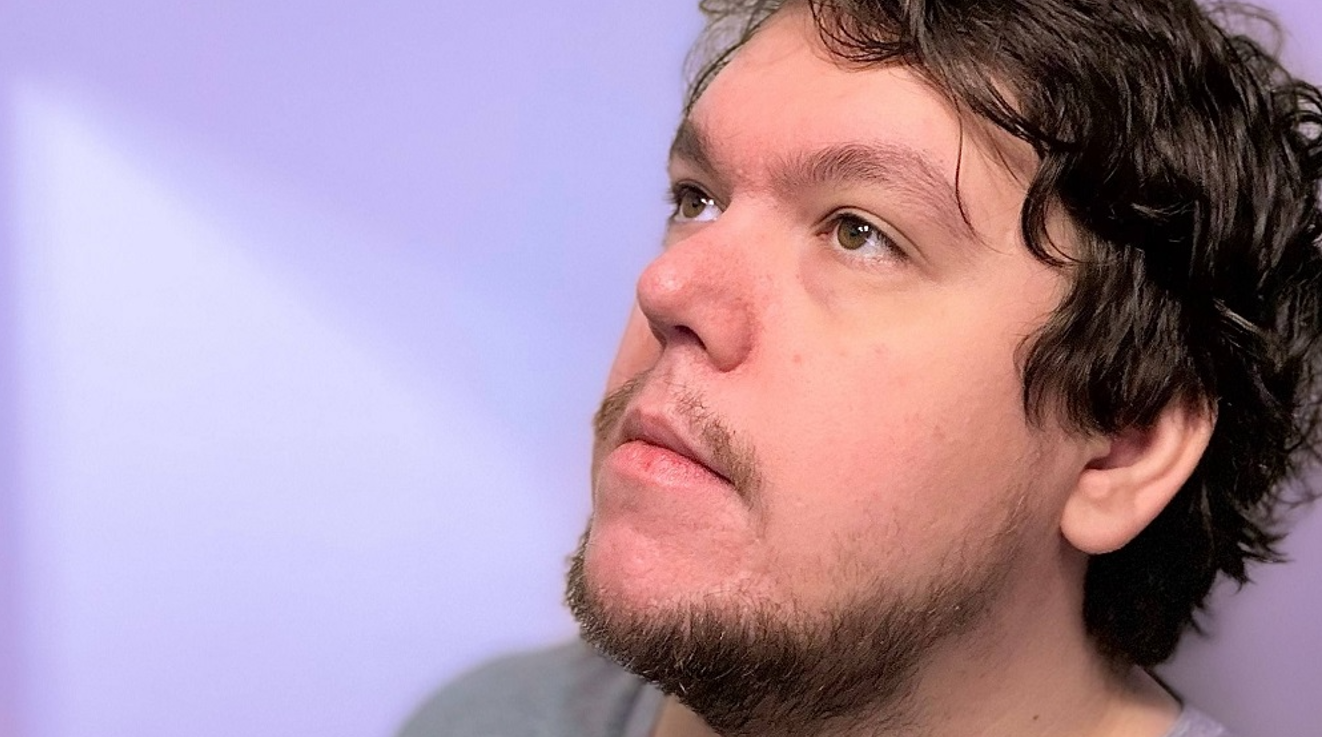
Anton, great to meet you and thrilled you’ve carved out time for this chat. Before diving into the music, I’d love to learn a bit about you. Let’s start from the very beginning – before awards and millions of streams. How did Oxygen1um come to be- and at what point did you realize music was more than a hobby, but something bigger?
I had an interest in music since childhood — it was hard not to. My father has a great taste in music, and my mother has a musical background in violin, so sound was always present in the house in one form or another. Tools to create or record it were around me too such as a computer, an upright piano and a synth keyboard.
My first experience of “electronic production” so to speak was in 2008 with software from eJay — a name some will find familiar. They released simple DAWs with sample packs in a very affordable format, just 2 CDs in a box at a discounted price. In 2011 my cousin, who was in the local hip-hop scene at the time, messaged me about FL Studio — I downloaded the demo right away. The moment I was able to put drums in a pattern, select a synth, and write a melody in the piano roll — I realized there was more to come. I was around 11 or 12 at the time.
I came up with a nickname Oxygen1um around 2014 when I was picking a gamer tag for the PlayStation Network, and a bit later it worked out to serve as my artist name and my YouTube channel name.
If you look at your path from the outside, it’s clear you never like standing still: EDM, pop, indie-rock, gaming tracks, and even on three languages – Russian, English, Japanese. It’s like it’s not genre-switching, but a constant search for new optics. Is this experimentation and curiosity – or is there a clear line behind it all that you’ve been steadily following since 2014?
The constant was always the need to communicate something — the genre was just whatever format that fit that moment. I was always driven by curiosity and new openings. 2014 and EDM were fundamental for me — I picked up a lot of tricks in FL Studio, figured out the difference between delay and reverb, compression and saturation, and started building proper chains for instruments to sit in the mix, and that’s where my own musical identity began. No matter what kind of music I was making, I adapted each time, and that’s how I was able to hone my craft. There is no such thing as perfection in a sound or a genre. There are only trends going up and down, niches appearing and vanishing, and the most important thing — the original vision of the artist.
A language is simply a vessel I like to experiment with. Take Frambuesa — my song in Spanish, a pop track with reggaeton influence and sweet lyrics about expressing love for a sweetheart, as sweet as a raspberry — which is also what the title means. Music is ever-changing and constantly evolving. A need to progress, to express, to experiment, and to have fun — those are what keep moving me forward.
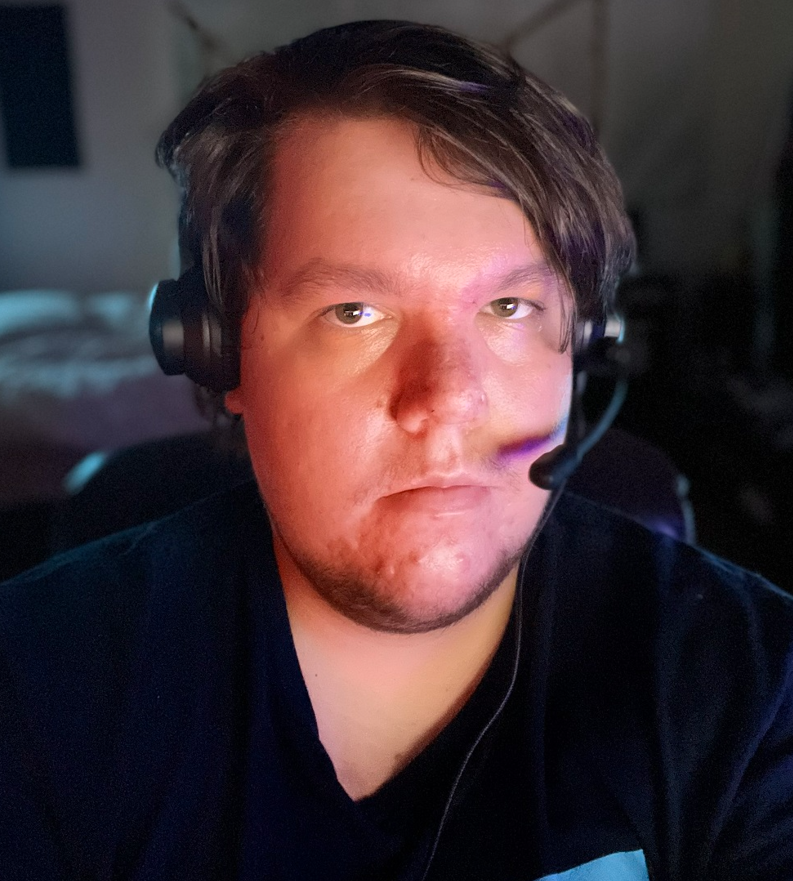
2017 became the moment when the project found its niche, connecting internet culture with electronic music. It sounds like a spot-on hit for the zeitgeist, but such things rarely happen by accident. Was it an intuitive strike or the result of long searches and experiments?
Around 2016 I was involved in translating and localizing English content in Russian. That experience made me curious about creating localized versions of songs with syllabically matching lyrics, which gradually honed not only my localization skills, but songwriting in both languages. That first move was pure intuition and curiosity. I found a song I liked in a niche I was into at the time, published the first draft — and it was hitting viral numbers, which drove the growth and direction significantly — throughout 2017 and into 2019, with a lot of localized song covers in the gaming scene.
The next steps were more calculated and researched. As I became more mature, even the themes shifted. From gaming songs, by 2020 I moved my focus toward pop songs for general audiences — more about life and people, and kept an eye on the internet hit songs to cover — most of the good decisions came from simply listening to the audience. But I never forgot my original music. In 2018 I released several EDM singles, followed by an EP in 2019 and more singles throughout 2020. Then, in 2021, came The Legend — a mostly bilingual album weaving English and Russian lyrics within the same songs, with one track even incorporating Japanese, as you mentioned earlier.
Let’s move to “Fools Waited for a Miracle”- there’s more said between the lines than directly. Its tension and strange restraint only amplify the effect. When you sat down to write it in 2022, was it an emotional impulse – or did you already know what statement it should become?
It was written, in an emotional rush — grief and sorrow over what’s happening, almost without thinking. The song is about deep disappointment of people in other people who get involved in the war, and in those in power who started it; because only pure evil could turn the world to ruins and plant hatred in people, where there once were kind intentions and morale.
What pushed me was an uncle’s comment on a phone call: “We have bombs to use!” — and it hit me like a punch in the gut. These words are still echoing in the song Older generations in Russia used to say “Let there be no wars,” remembering the grief of World War 2, but now, because of the television, many people there say “We can repeat it again!” Not everyone thinks that way, though — that’s where hope comes from. It is very sad that song is still relevant — it’s a tragedy for everyone. But I hope everything will end, and there will be no more suffering, no more pain, no more crying. Someday everyone will all live in peace.
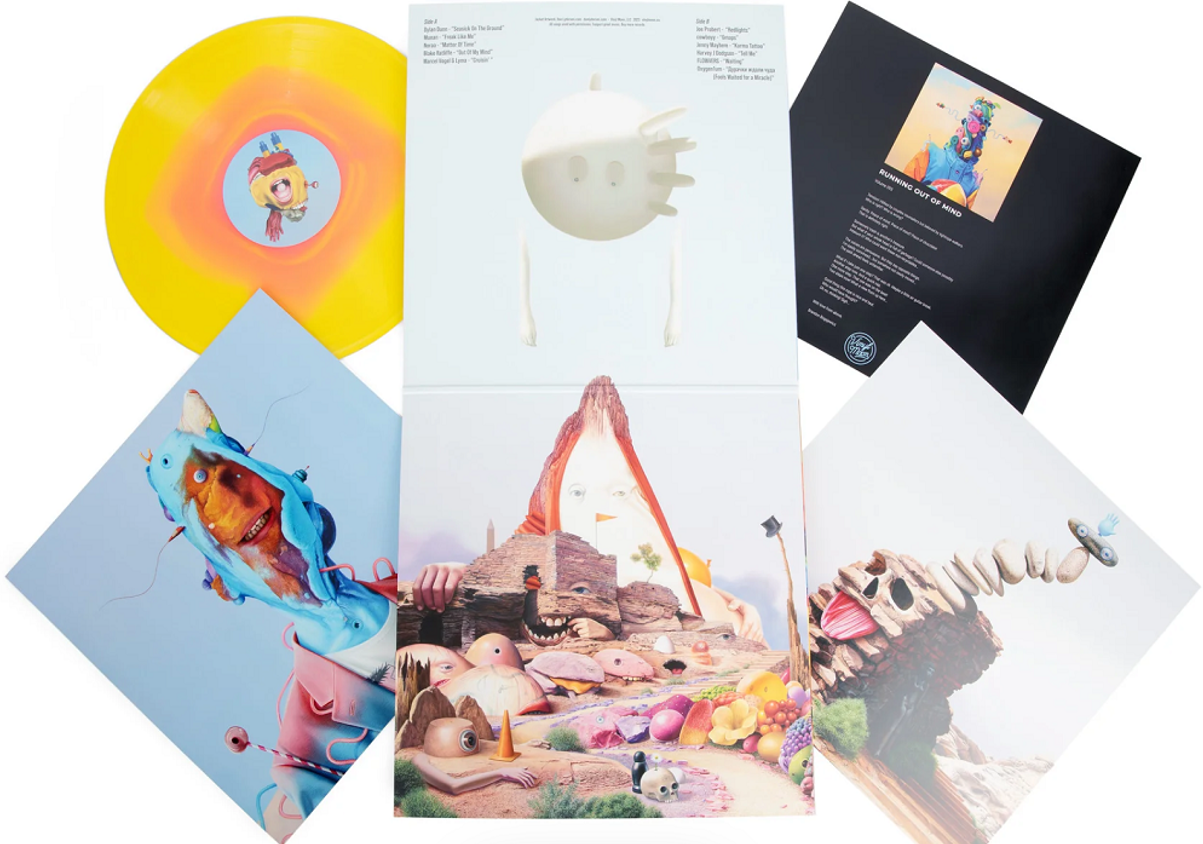
An anti-war song in Russian that couldn’t be released back home – and suddenly it’s on vinyl in California. Sounds like a movie. When you first held that record in your hands – did something click?
The first time I played it on my record player, I could not believe what I was seeing and hearing. At the same time I felt appreciation — and sorrow, and bitterness, because of the reason this song was even created. I feel honored to this day that it was picked for the vinyl compilation. I wasn’t expecting such support for my music in the United States and worldwide. Big thanks to Brendon at Vinyl Moon, all the listeners, and vinyl enthusiasts out there.
Can we say this song is one of the most personal in your catalog, or is it, on the contrary, maximally distanced?
There is always an artistic prism in front of the beam of creativity — and that says it all. No matter what a song is about, it always passes through the prism of its author. I can’t say which track has more of a personal seed in it than another, because they are all songs at the end of the day — each one may contain as many artistic, fictional, and playful moments as it does real emotions and passion. Every song has a piece of me in it — some are just wearing more layers than others.
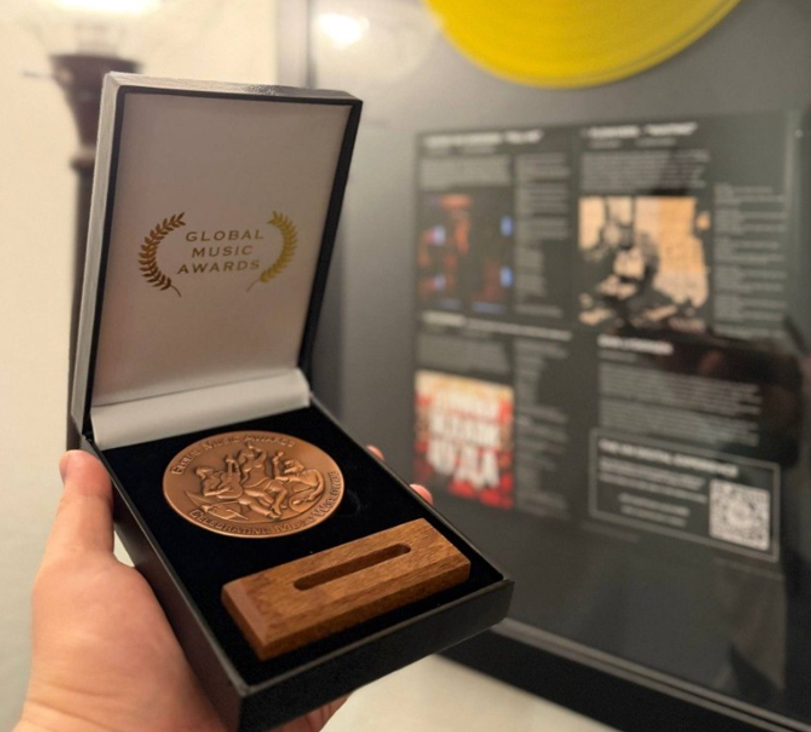
Global Music Awards, bronze, April 2026. An award for a song you wrote not for prizes – but because there was no other way. How did you find out – and what did you feel when something like that suddenly gets a beautiful formal frame?
I did not expect to win at all. It was, again, a bittersweet surprise. I am honored to be internationally recognized for this work — recognized by a jury that includes Grammy and Emmy award-winning artists and long-time professionals of the craft. For a song that was never written for awards or recognition, but because it felt that there was simply no other way to process what was happening, then getting a formal, worldwide acknowledgment and a seal of approval — this puts a strange and beautiful frame around something special. I received the bronze medal just a couple of days ago and still cannot quite believe it.
In “Fools Waited for a Miracle” you can hear references to Tsoi, “Mashina Vremeni,” Molchat Doma – a serious company, to put it mildly. But you didn’t grow up in a vacuum – Western music definitely seeped in somewhere. Are there artists from there who really influenced you?
The references you mentioned are on point. As for western influence — I always had a very diverse musical taste, but when it comes to this song specifically, I can’t pinpoint a single western artist that directly influenced it. Not because it is that unique, but because I genuinely can’t place one. It is probably similar to something at some point. From my own taste, it could be The Offspring, Nirvana, or Radiohead — those are my favorites in a similar territory — but even those feel too far away as a direct sound reference.
After the vinyl, the award, and everything that followed- what’s the direction, project, or collaboration that’s already keeping you up at night?
There is always more to come. Recently, a Spanish-Russian fusion track came out as a collaboration with QVAN, and there’s also a track on his album where I mix English, Russian and Spanish, juggling languages within the same song, plus another one where I contributed as a songwriter. With my recent output of singles like I Wanna Feel, No Regrets, my RØNIN – SO DONE remix, and a growing pull toward Drum and Bass, I am looking forward to creating more bass-driven electronic dance music and seeing where that direction takes me.
Last question – and the trickiest one. What was little Anton listening to- and is there something from there that still quietly seeps into your tracks, even when you weren’t planning it?
My musical taste was shaped by a wide range of popular music throughout my childhood and youth. On the Russian side — Tatyana Bulanova, DDT, Ivan Dorn, Noize MC, the already mentioned Mashina Vremeni, Kino.
On the western side, sometimes even without understanding the lyrics back then, mostly sonically and rhythmically, I was influenced by — will.i.am and The Black Eyed Peas, LMFAO, Vengaboys, Stromae, Far East Movement, Benny Benassi, Global Deejays, Swedish House Mafia, David Guetta, Skrillex, Diplo, Deadmau5, Martin Garrix, The Prodigy, Red Hot Chili Peppers, Tenacious D, and the already mentioned Offspring, Radiohead, Nirvana. And later on The Living Tombstone, Oliver Tree, Fred again…
A lot of different worlds — and somehow they all ended up in the same place.