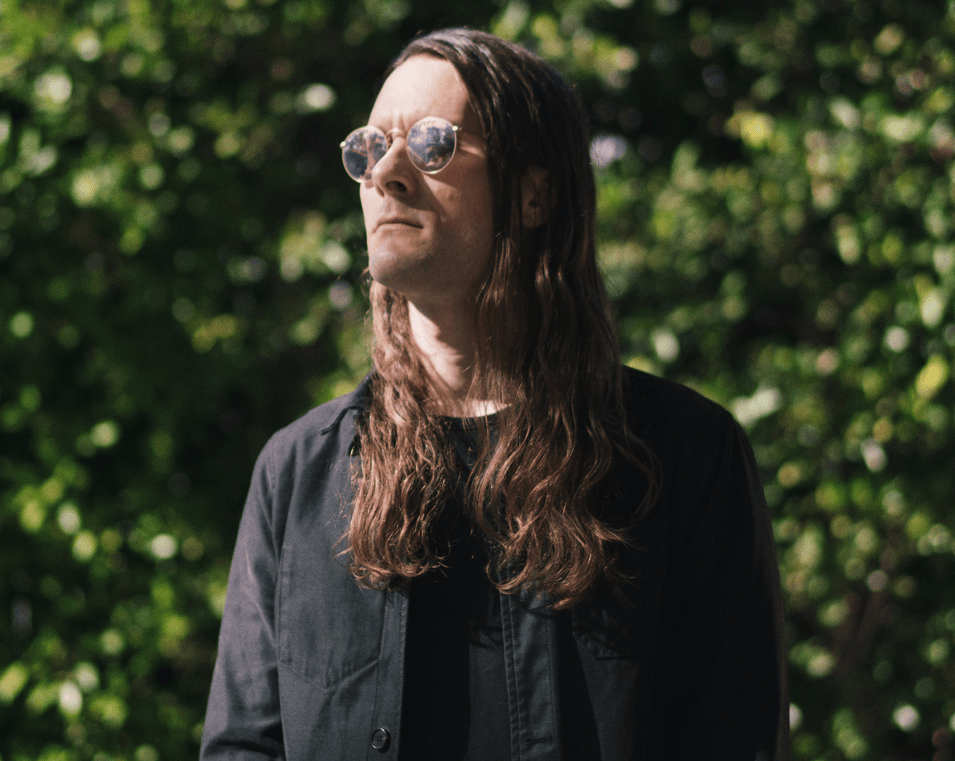
Music journalists love catchy labels, but with Matt of Matts, traditional genres are powerless. Synth-pop about divorce set to drum machines, Disney fairy tales adapted for Gnostics, and dancing on the ruins of religious trauma-on November 20, the psych-folktronica artist from Dallas is releasing his debut album, “Strange Hymns”. Following the release of the single “Matching Horses,” we talked with Matt about filial duty to an exorcist father, the ability to sing about one’s greatest fears, and why dancing is the best way to survive the end of the world (or a marriage).
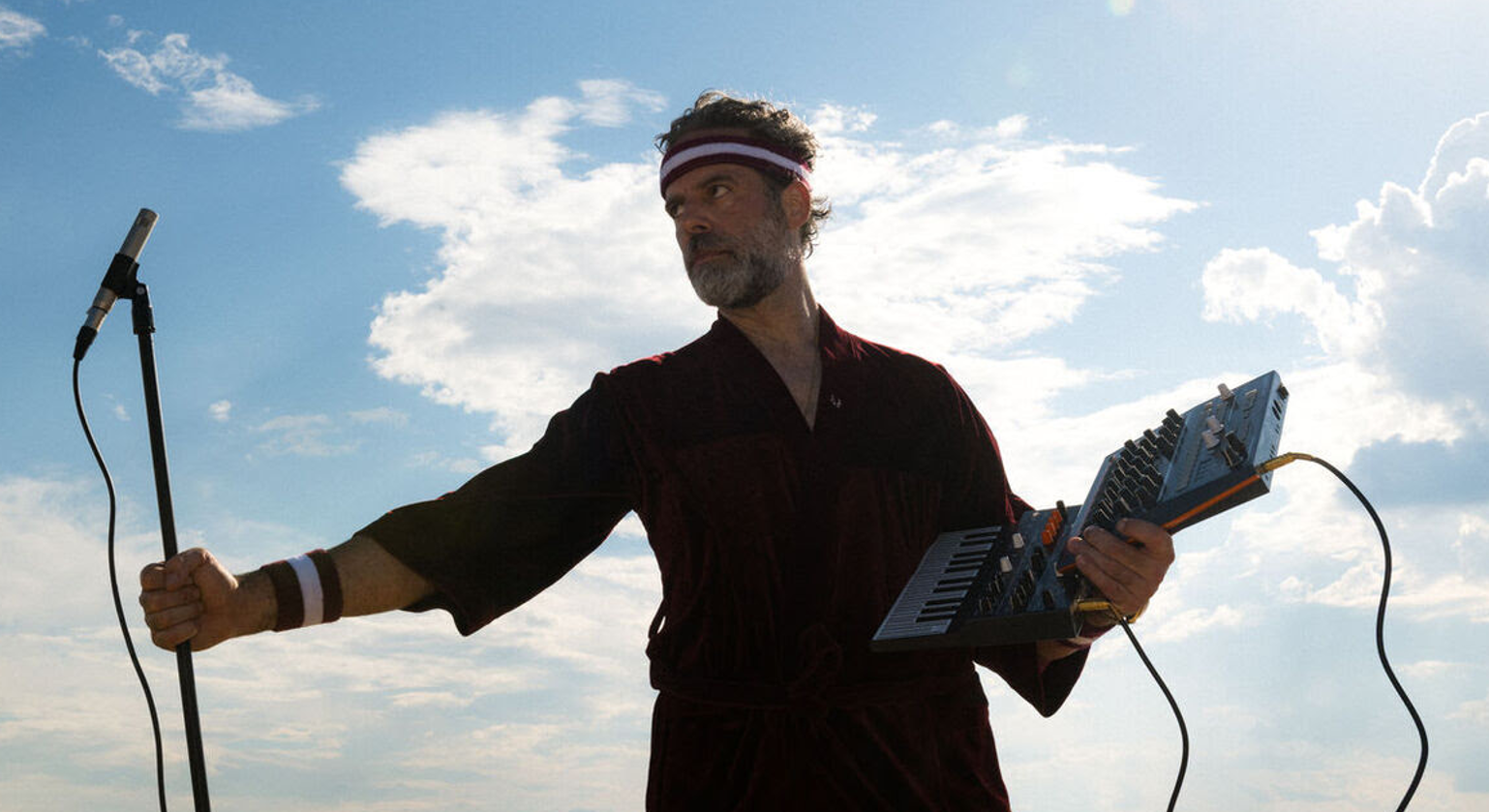
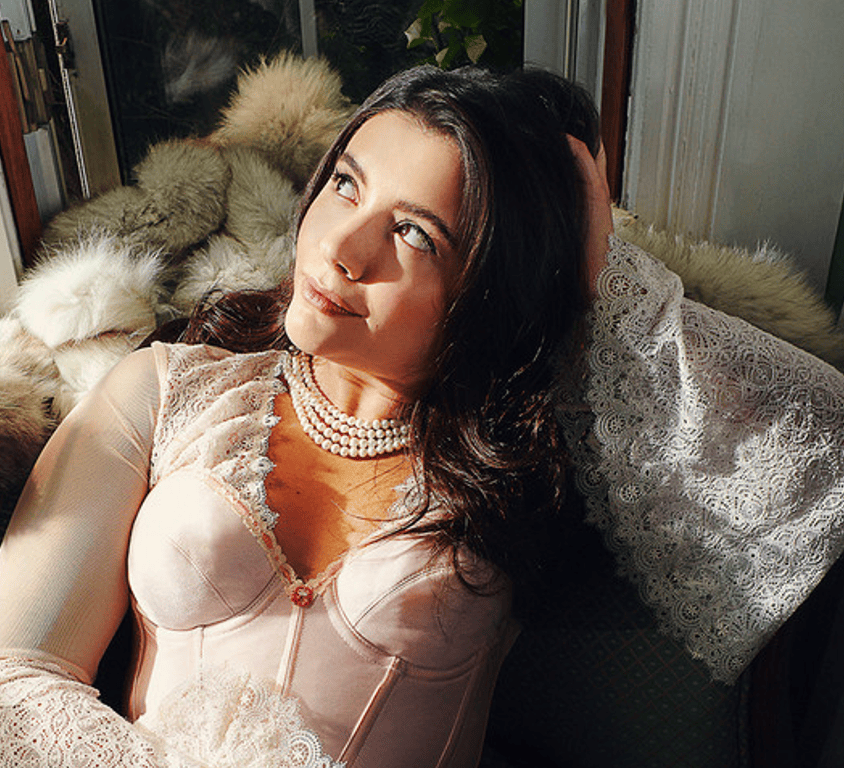
Photo by @aseaoflove.com
Hi Matt, it’s very nice to meet you! Thank you for taking the time – judging by the description of your music, it brings together psych-folk, electronics, religious imagery, family drama, and a little bit of apocalypse – quite an impressive combination for one musical project. Let’s start with the simplest question: how would you introduce Matt of Matts to someone hearing your name for the first time?
We’re workshopping this together right? How bout “If Frank Capra were in spiritual psychosis and made music instead of movies?” Someone on TikTok described my music as “Father John Misty took more acid than he meant to” which is a better descriptor for about half these tracks than I’ve been able to come up with. The other half are maybe more “James Murphy: the chopped and screwed version.”
Before the current project came along, there was probably quite a long journey – the first bands, recordings, unsuccessful experiments, and songs. How did your musical journey begin?
My first band was in the 90s, we called ourselves The Layabouts and got some radio play on the local college station. I sure hope none of those tracks are findable now, it was like a twee version of Soul Coughing and is best never spoken of again. Then a stint in a hair metal cover band called Stan Halen, the apex of which was getting to play some Motley Cru songs live for Nikki Sixx himself. Since then I’ve written and recorded privately for years. Strange Hymns is the result of me finally getting over my fear that it’s too personal to let out into the world.
Listening to your songs, you can notice quite a strong mix of genres and approaches. How has your idea of what your music should be changed from your earliest recordings to Matt of Matts?
Part of the fun of this project has been trying to unify my competing musical instincts into one reasonably cohesive statement. At this point, how successfully I did that is none of my business. But the goals were always clear to me. Thematically, the songs each started as me confronting a core fear and trying to befriend it, maybe even bring some reverence to it. Sonically, I anchored the production choices around the same analog drum machine and deliberately mixed the kicks higher than is generally “correct.” Matt of Matts writes with very simple (often two chord) melodies, even better if there’s something familiar about them – “To an Ancient Power” obviously started as “Twinkle Twinkle Little Star,” the old hymn “Come Thou Found of Every Blessing” was the starting point for the second track, and “Part of Your World” is self explanatory – and then reimagines and reduces them into something haunting and hypnotic, with layers of bespoke synth sounds and running things through some homemade effects pedals, that sort of thing. If it ends up both accessible and destabilizing, I feel like I’ve achieved what I set out to do.
In the description of the project, you say that you use the language and posture of religious piety to explore various forms of apocalypse. Why did religious language become such a precise tool for you to talk about fear, death, and change?
I grew up in a hyper-evangelical household – my father was an ordained minister and an actual exorcist – and I stayed inside that culture much longer than most of my peers, which made leaving it a lot more traumatic when I finally did. The language of doctrine and worship is now just part of how my brain processes reality, and I’ve made an uneasy peace with that. I’ve tried to repurpose that language to let go of the certainty and the dogma, but retain the mystery and the reverence.
I really liked the way you put it: “Somewhere along the way I learned to sing to what I most fear.” Why, in your opinion, can fear sometimes be more productive artistic material than, for example, happiness?
I’d like to imagine that plenty of great art comes from happiness, Lou Reed’s “Perfect Day” or hell The Muppets. But I also suspect all true happiness comes from an honest confrontation with fear. And fear, for its part, wouldn’t exist without something delightful at risk of ending.
The word “madness” appears quite often in your descriptions. At the same time, your music doesn’t feel chaotic at all – on the contrary, there are many carefully thought-out details in it. What does madness mean to you as an artistic theme, and where is the line between control and losing control?
Yeah madness for me is more thematic here than musical. One of my longest-running fears is losing my mind, a fear amplified by a series of deeply strange paranormal experiences. When I leaned into that fear and allowed my rigid ideas of what “sanity” was supposed to look like to dissolve, these songs materialized, as if they were waiting for me to find them. The most literal version of this is “St Pelagia of Tarsus” which is about a very real-feeling dream I had that of being a woman burned alive. I found out later the same day that it was St Pelagia’s (who I had never heard of) feast day that day. And that she died, according to legend, burned inside a brazen bull.
Let’s talk about your debut album. “Strange Hymns” brings together very different themes: death, divorce, fatherhood, old age, religion, fear, and madness. Do you see the album as a continuous narrative, or more as a collection of separate stories?
It’s not quite linear, but it’s close. It starts with a divorce song that is both literal and symbolic, an initiatory break that reveals a wider world. The following songs are a kind of courtship with death, culminating in the second to last song, “listen in 60ish years”, which I wrote for my children to one day listen to on their deathbeds. That song revisits to the wedding imagery with death as the final bride. Then the closing song is a kind of resurrection.
One of the album’s unexpected starting points is “Matching Horses” – a danceable synth-pop song about the end of a marriage. Divorce and dance music – the combination sounds almost indecently cheerful. Why did you decide to talk about the breakdown of a relationship specifically through a dance track?
I wrote that song years ago in the middle of my marriage breaking down, and I joke now that my feet must have known it was a happy story before my brain did. The slightly longer story is that that track started out as part of a DND campaign. I was playing a pacifist bard who refused to fight because he believed he could convert any enemy to a friend if he sang a good enough song. Only later did I realize it had been about my marriage all along. I debated whether or not to include the original version, in the end it made me laugh so I did, that’s track six, “Matching Horses (Lvl 5 Bard version).”
An even more unexpected turn is the song from “The Little Mermaid”, which you interpret as a Gnostic allegory of the universal longing to return to the pleroma. At this point, I feel like I should first make sure that we are actually talking about the same cartoon. How did “The Little Mermaid” lead you to Gnostic philosophy?
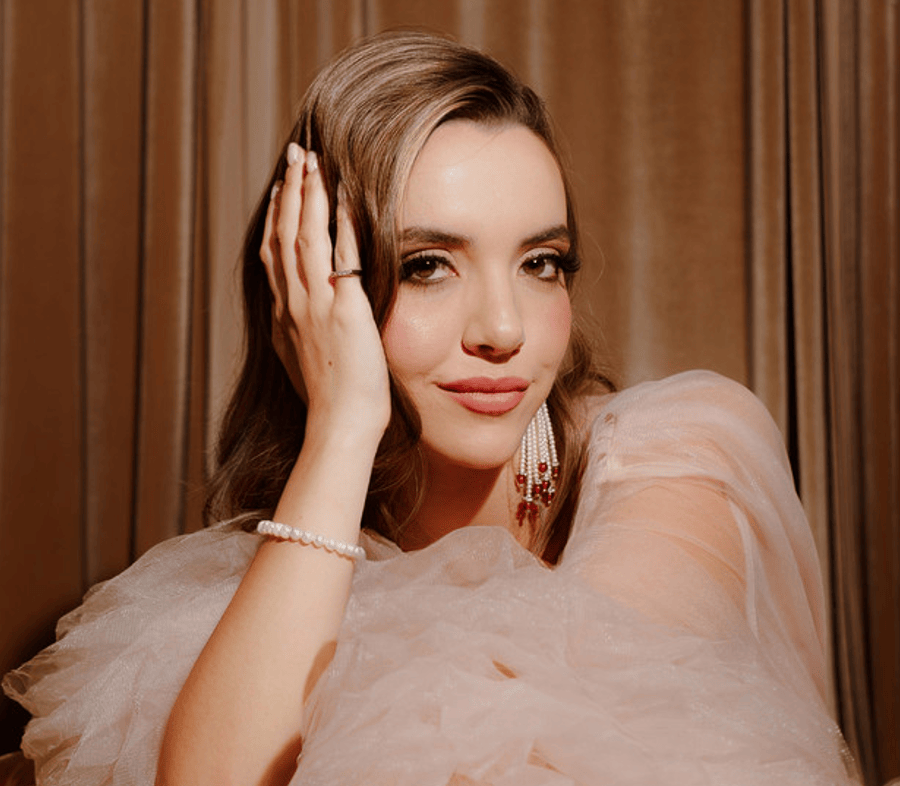
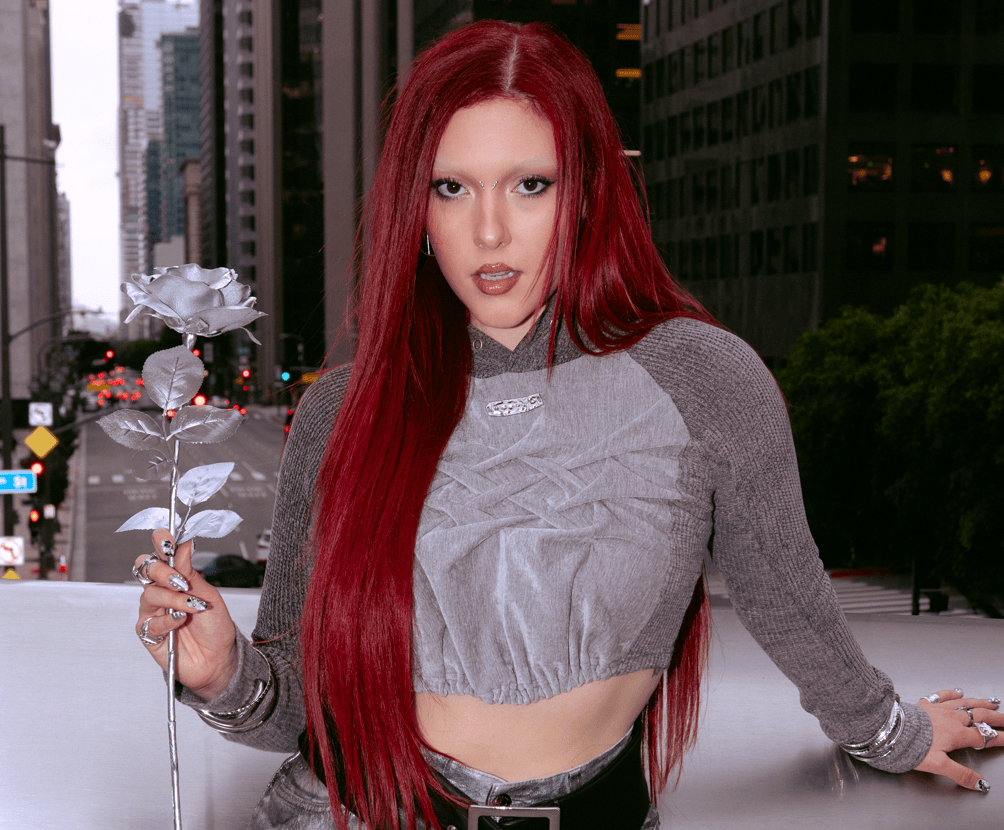
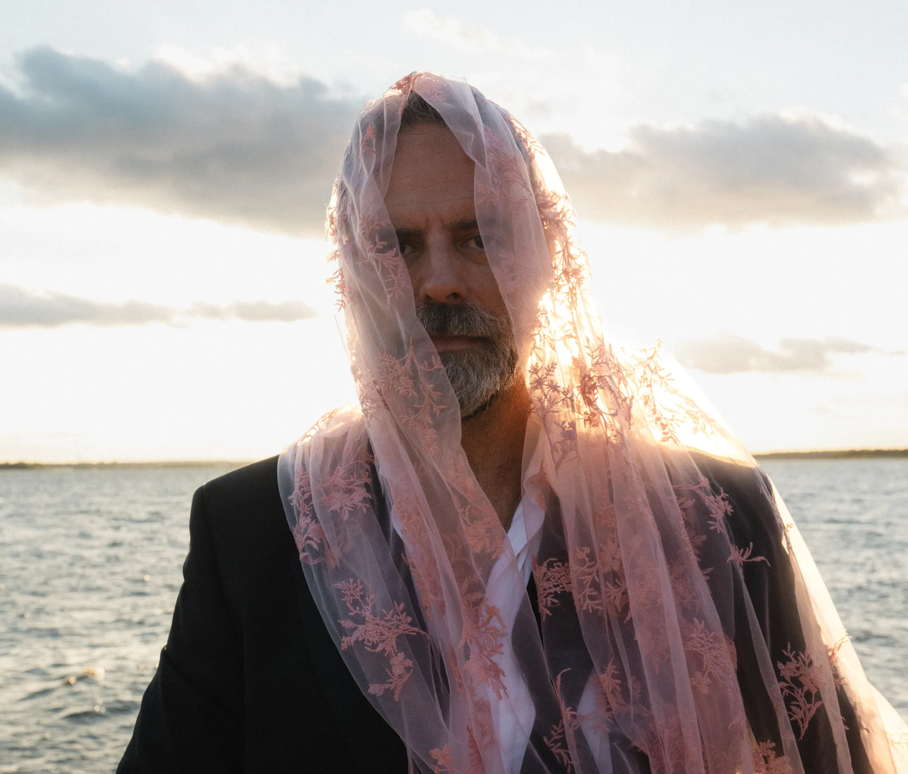
The same cartoon! Fairy tales, children’s books, and comic books are all filled with gnosticism. The Little Mermaid is born into privilege in a world she doesn’t belong in, trapped there by her body. She can only get to the higher world of the sun by sacrificing her voice. Her path back to herself forces her to reclaim that voice. I was 14 when that movie came out and it always read as more than a story to me. There’s a practice in certain folklore traditions of reading all the characters in a story, protagonists and antagonists alike, as versions of yourself. Which makes her marriage at the end an alchemical wedding to herself. An idea which made its way to even my press photos.
Thank you for your answers, Matt. And finally – after all these conversations about the apocalypse, family disasters, saints, stars, the pleroma, and dance songs about divorce, I’d like to bring us back down to earth for a moment. If we put all the metaphors and apocalypses aside, what in your everyday life today makes you smile and feel that things aren’t actually so bad?
The presumption is is that I think the alleged apocalypse is bad news. Maybe it’s not. Maybe it’s just the birth pains of somethings inconceivably beautiful over the horizon. Or maybe that’s the remnants of my evangelical childhood talking.