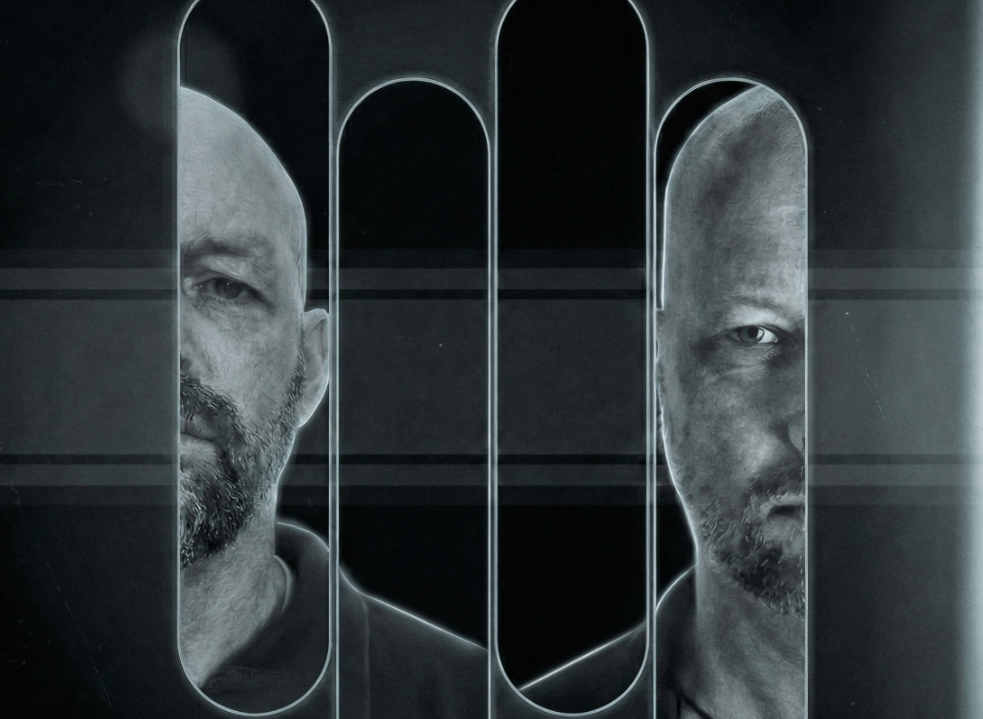
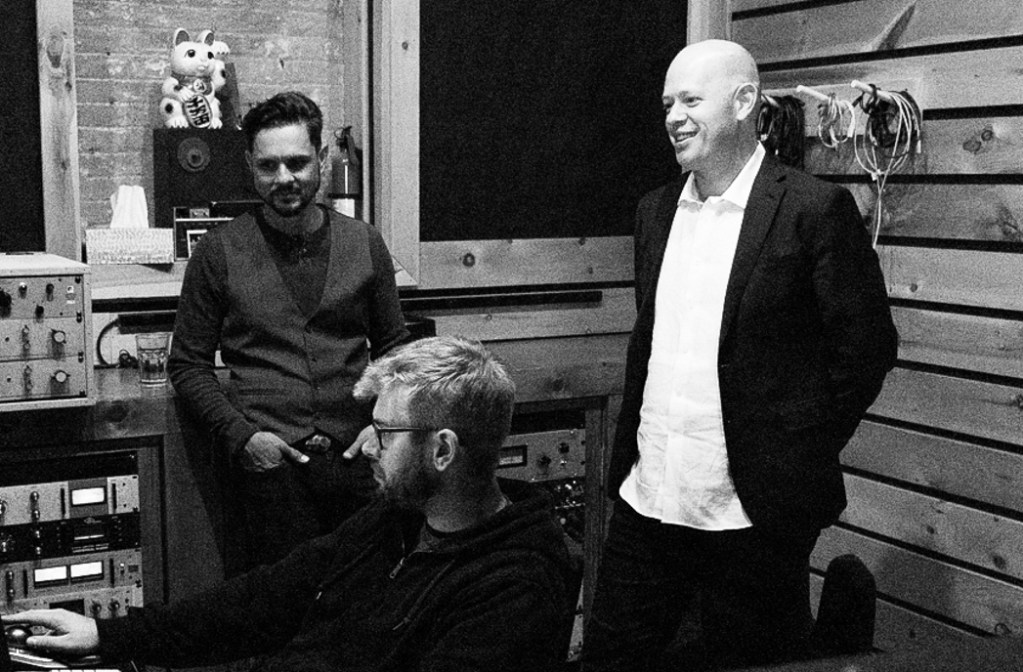
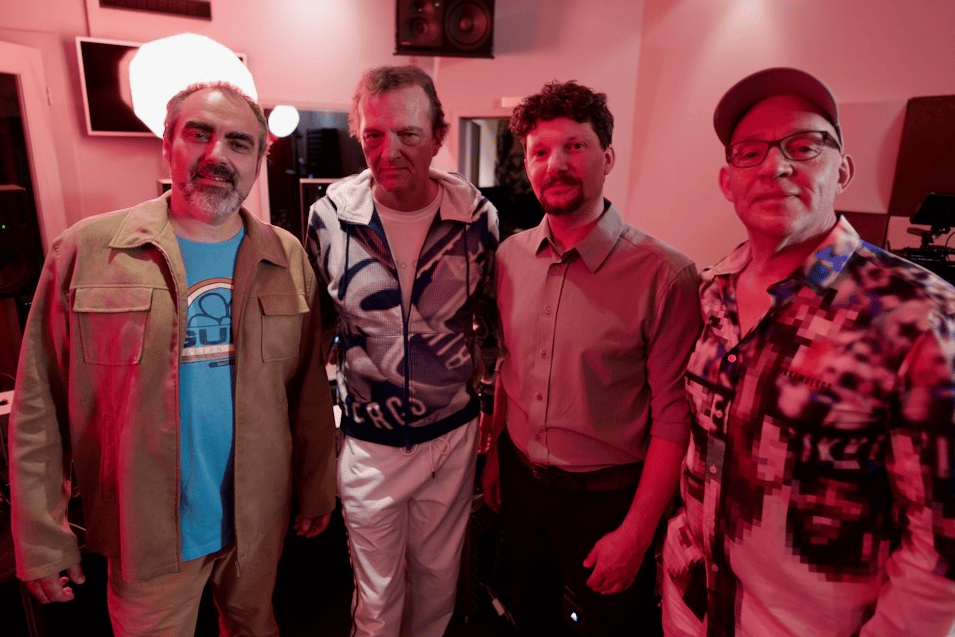
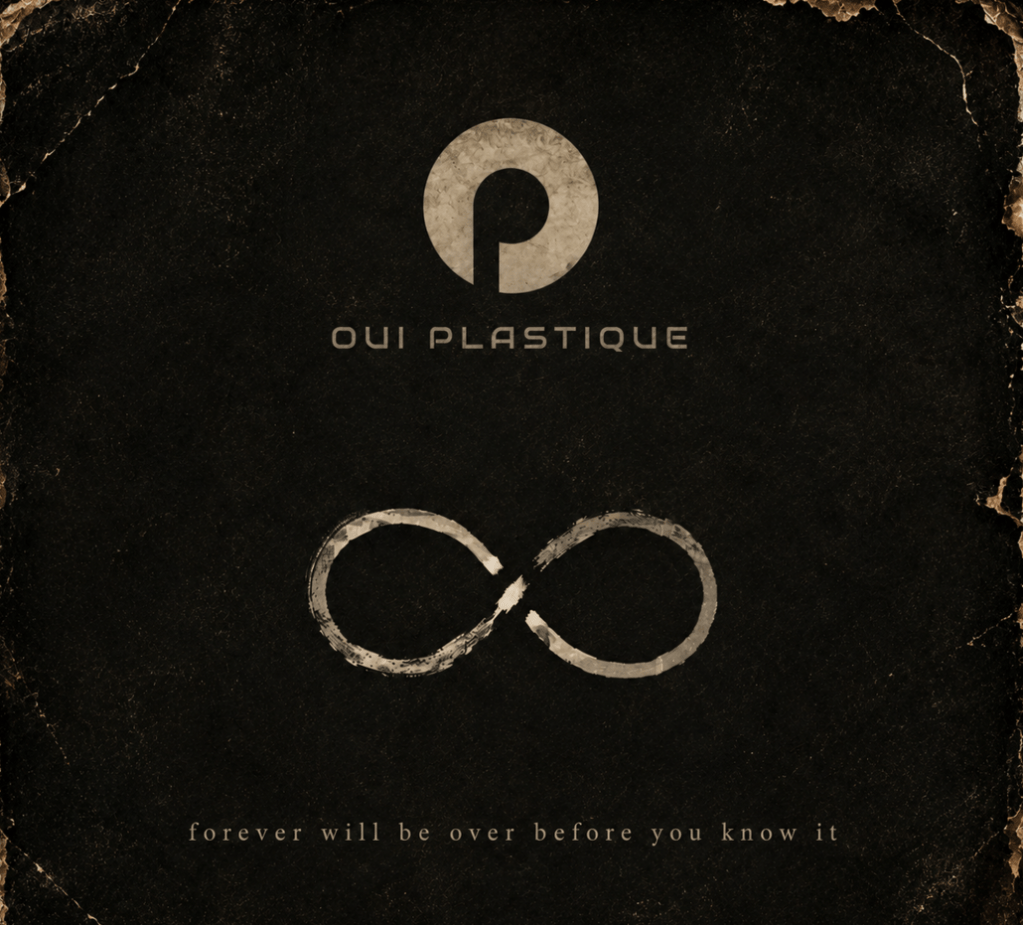
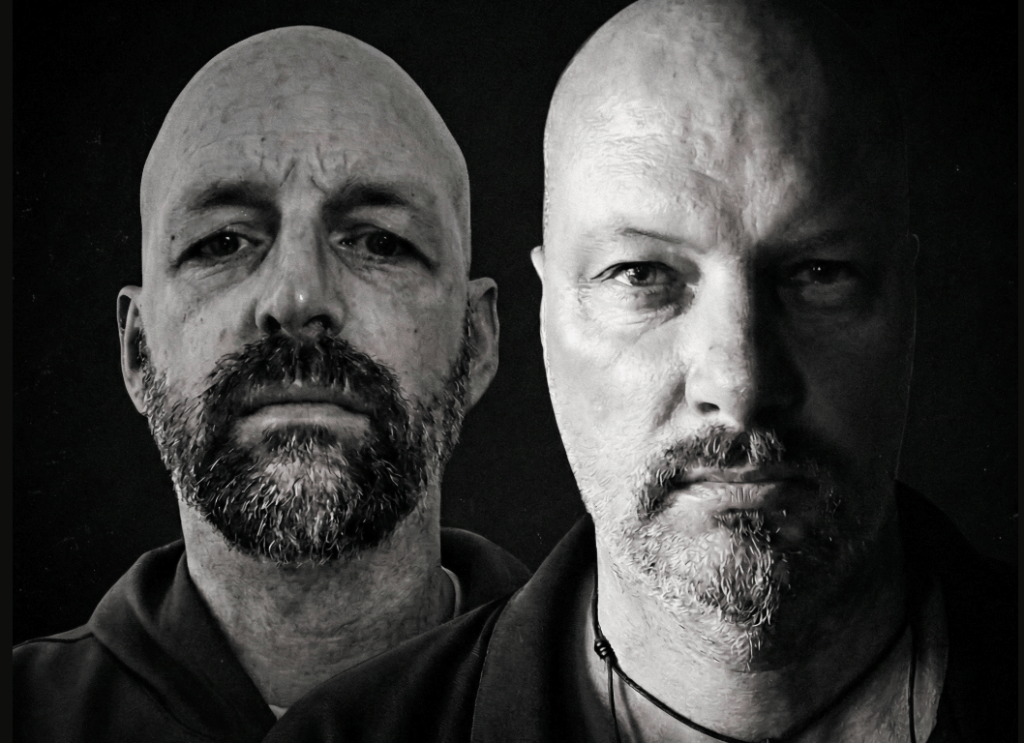
Oui Plastique have made a second album I’m going to defend, mostly to people who flinch when electronic music gets this theatrical. Martin Nyrup and James Thomas, the Danish/UK duo behind the project, release “Forever Will Be Over Before You Know It” on 27 November through Town and Towers Records, and it’s the kind of record that picks a mood and refuses to apologise for it. Gothic synths, a baritone, a guest singer, a couple of songs built to fill a room. One of them sounds like Imagine Dragons going through Depeche Mode’s record collection. Someone will be annoyed by that comparison. I’m keeping it.
The song in question is “Messiah”, and it’s where I’d send anyone first. It goes straight for the big pop gesture, no warm-up, and the electronics underneath give it an older, darker shade, so it feels new and retro in the same breath. I was excited about it before I’d worked out why. Usually I analyse first and feel later, and the feeling arrives pre-approved. Here the feeling came first and the analysis had to catch up, which is how I know the song is doing its job.
What I like about this record is that it commits. Drama is easy to mock, particularly in electronic music, where a huge chorus and a dark palette can look like a costume. The songs that work here work because nobody in them is winking. The duo mean the gothic colours, they mean the baritone, and they mean the big gestures. When a record is this sure of what it wants, I’ll forgive a lot, including the stretches where my own taste pulls the other way. Irony is cheap, and sincerity at this volume takes nerve. Plenty of bands could have made a safer, cooler version of this album. I’m glad these two didn’t.
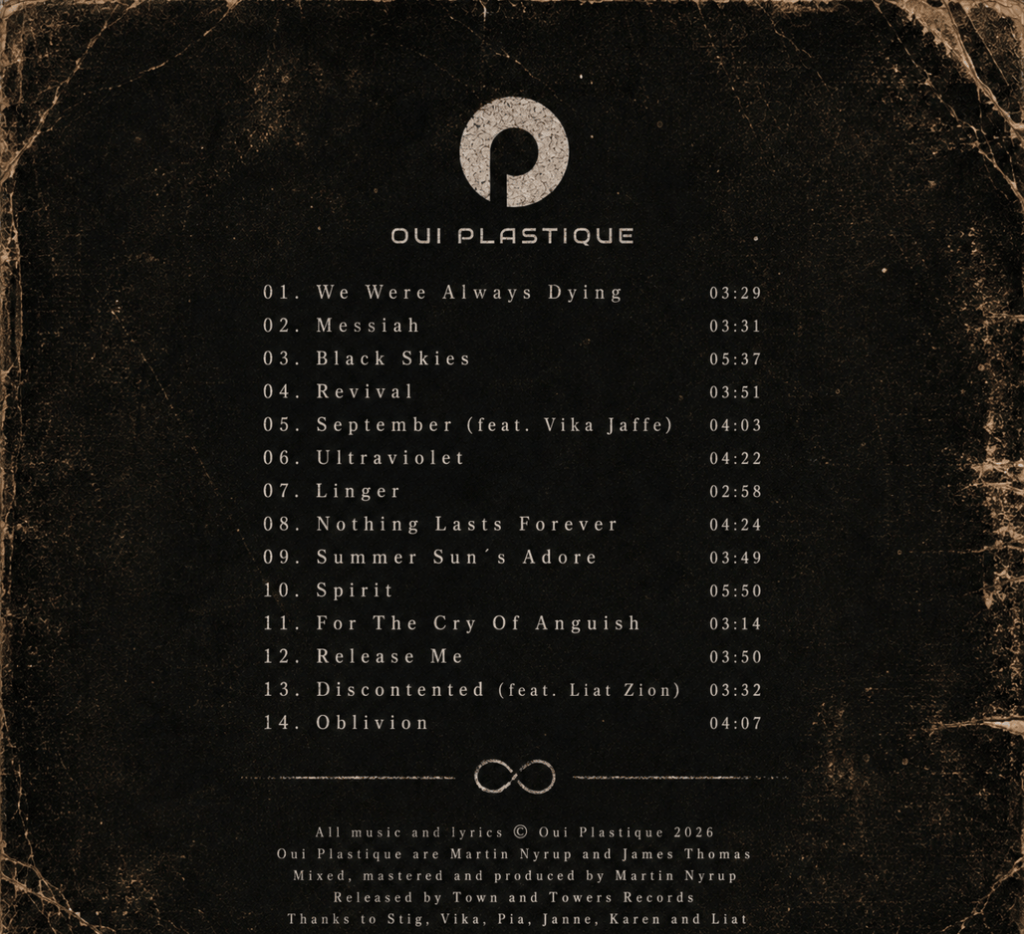
Then there’s “September”, where Vika Jaffe sings alongside the baritone. Gothic synth duets are a trap for a critic. I’d like to say I kept my distance. I didn’t. The two voices together are the thing I wanted back the moment the song ended, and I played it again before moving on. A guest vocal can feel like a favour or a gimmick. This one feels like the song needed her, and that’s the best thing you can say about a guest. A low male voice in gothic-leaning electronic music can slide into parody the moment it leans too hard on the gloom, and the record’s best moments avoid that by letting the voice be one colour among several. It’s the contrast with the synths, and with the guest vocal, that makes it land. On its own it might be a pose; in company it sounds like a character.
“Black Skies” is where I start to squirm. It’s lean and slow, and it keeps holding back the release you’ve been told is coming. Some people love that kind of suspense. I spend it bargaining with the song: add something, lift the energy, give me a sign. Put it next to “Messiah” and you can hear how differently the duo think about intensity. One song announces itself; the other makes you wait, and then makes you wait some more. I’m firmly on the side of the announcing, so this is where my patience thins. If you like to hang in a suspended mood, you’ll probably feel the opposite, and the album gives you both options.
The lead single, “For The Cry Of Anguish”, is about seeing something disturbing and having to carry it around afterwards. That idea is quietly frightening. You can’t unsee a thing, and you still have to get through the rest of your day. For me it brings up the way these images turn up now: a clip in a feed over lunch, a glimpse you never asked for that then sits in your head. That’s my association, not something the band spells out, but it’s what the song put in front of me. It also makes the single awkward to replay, because a song is something you choose to meet again and again, and this one is about a meeting you didn’t choose. Wrapping that in melodic, familiar synths is a strange decision, and I think a good one. The retro sound is the way in; what waits inside is very much present tense. The album’s title says forever will be over before you know it, and the single describes something that won’t leave. Those two ideas rub against each other all through the record.
Now the practical part. There are fourteen main songs and two bonus tracks, sixteen in all: “The Persuaders Theme” and “Spejlfald”. Bonus tracks usually feel like leftovers, something you get round to later. This one doesn’t. I’m not going to say what happens in “Spejlfald”, because finding out is the fun, but it’s the one thing on the album I’d want you to hear unwarned.
Who is this for? If you grew up on synth records that treated melodrama as a virtue, it will feel like a welcome back. If you prefer your electronics cool and detached, parts of it will wear on you, and I’d understand. But I’d rather hear a duo overreach for something with a pulse than watch them hedge. Ambition that occasionally tips into excess is a more interesting problem than caution that never does.
So: “Messiah” and the Vika Jaffe duet are the quick reasons to get into Oui Plastique. “Black Skies” is the test of whether you share their patience. Sixteen tracks of dark synths is a lot for one sitting, so dip in if you need to. And whatever you decide about the rest, stay for “Spejlfald”.