
When a name is destiny and music is a birthright passed down with a mother’s milk, artists like Daouda Diabate are born. A griot by heritage, he carries the voices of his ancestors and lives by the philosophy of abedikal – the vow to give the best of oneself to the world. His journey is a dialogue between tradition and modernity, Africa and Europe, roots and wings. Now based in Spain, Daouda creates borderless music and continues a mission that began long before him. In this interview, he shares his artistic path, cultural memory, and the power of music to bring hope.
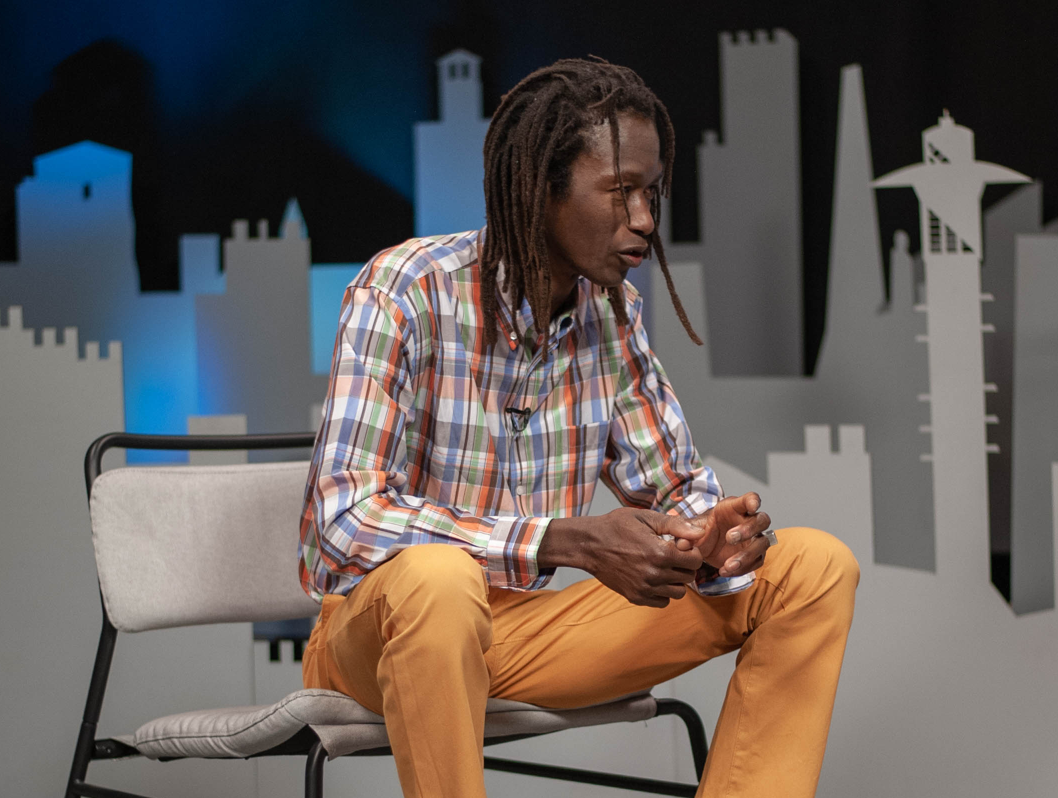
We’re very happy to meet you, Daouda! You began your journey in music quite early – at the age of 14. That’s the age when many people are just starting to think about who they want to become, while you already knew you would bring music into this world. Tell us about that first moment. Do you remember your first song, the first applause, the first emotions?
Thank you for giving me the opportunity to share this moment with your magazine. You know, knowing what you want to do in the future, very early on at a young age, helps you move quickly toward your goals, and it’s one of the keys that can open the door to connecting with yourself. From the age of 14, I already know that I was destined to speak and bring my vision and sensitivity to the world.
Many artists have something deeply personal and meaningful that guides them through life and is reflected in their art. Judging by what we know about you, your music is a whole philosophy that you’ve carried with you since childhood. Could you tell us more about what the concept of “abedical” means to you – this Mandinka principle of “giving the best of yourself”?
I think you’re getting to the bottom of the issues, and for us artists, it’s important. We needed to be understood and listened to, because artists lead the way for the salvation of humanity. Because we are not politicians, what we want the happiness and the dignity of human beings. I think that art and music break the chains of fear and repression and erase social categories. The only thing that matters and is paramount is the emotion and joy of sharing magical and unforgettable moments with our fellow human beings.
When I first heard your music, I was struck by its subtle and unusual sound – it’s very different from the standard. It feels truly authentic, yet it resonates easily with people from different countries and cultures. Tell us how you developed your unique style?
Yes, indeed, we worked a lot with my group Toubamba to create a new style of music that we eventually called ABBHEDICAL MUSIC, which in my African dialect means swearing to give the best of oneself. We want to have our own musical identity and not follow the various musical trends that already existed. As is often said, an artist must have their own vision of the world and their own sensibility, as the world is cosmopolitan, creating a musical foundation tending towards universality, which gave us the opportunity to work and collaborate with musicians from different backgrounds.
Would you agree that music today is constantly evolving and blending with different styles? It’s fascinating to see how artists find their own balance between modern sound and their roots. How important is it for you to preserve traditional African motifs in your music?
What we achieved in designing our musical style was to create a bridge, the blending of different cultures, sharing with different musicians who play different musical styles and who can adapt to our musical register. To achieve this, it takes a lot of work, because African music is based on rhythm, we adapted its rhythms to the universal codes and language, which are the scales of music with which musicians can communicate universally.
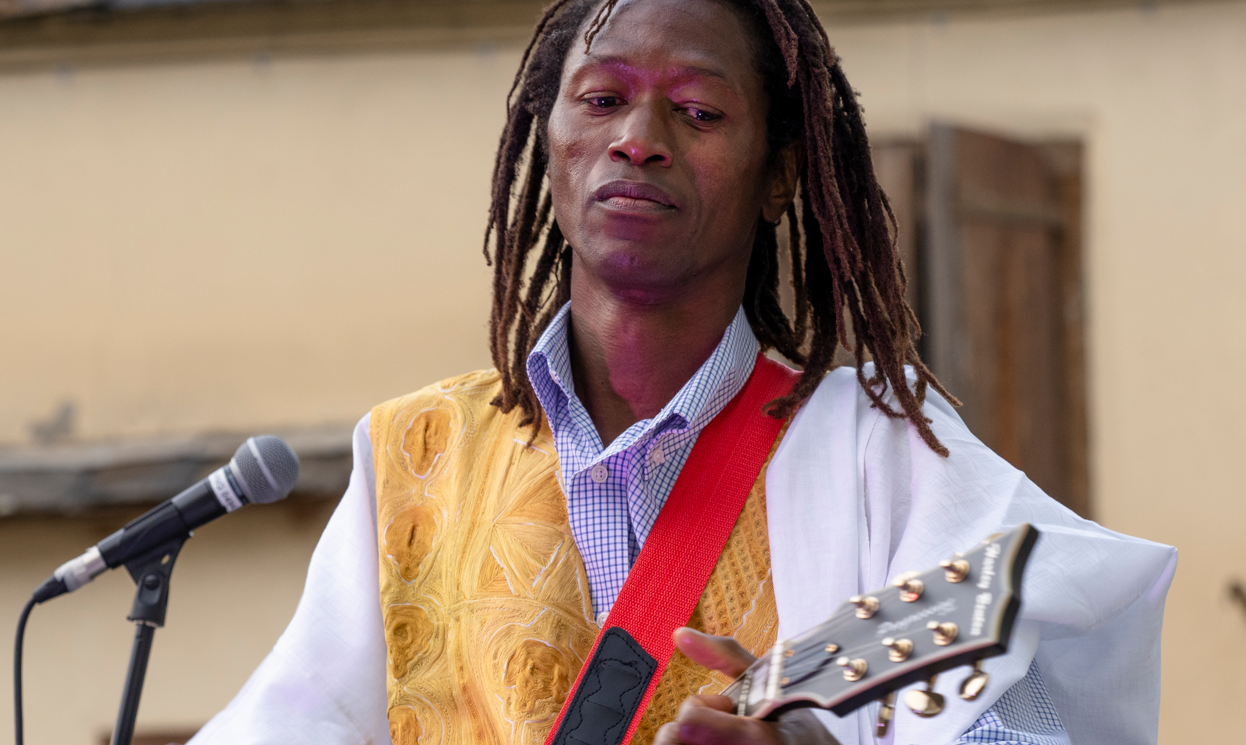
Your debut album “A New Day (Un Jour Nouveau)” was warmly received by both the public and critics. It beautifully blends different languages – French, English, Mandinka, and Wolof. It’s amazing to create music that speaks in several languages at once! Tell us, how did you decide to include these particular languages in your songs, and what does multilingualism mean to you?
A New Day is our second album. I think that, since we have messages to share through our music, the choice of different languages in the album, A New Day, was well thought out, to speak to everyone, in Africa and Europe, using English, French, and Spanish as a medium to convey the messages we want to share.
Your fourth album “Tama Silo” is a real musical dialogue of cultures. It continues your journey in “modern African” music. The teamwork with the band Toubamba is especially felt in this album. It’s great that together with musicians from Spain you create such a vibrant mix of African and Western rhythms. Tell us, how did the idea for this album come about?
The album Tama Silo is the fourth album by the group Toubamba. The vision we were able to create universal music gave us the opportunity to collaborate with different musicians from diverse musical backgrounds and cultures, confirming that music is a universal language, capable of crossing borders.
When an artist works in a group, music becomes something like a living organism, because each member brings something of their own. How does working with a group differ from working solo for you? Which part of the process is closer to your heart?
You know, this is what I tell us to my musicians: each musician is a building block in the edifice we are building or have already built. Of course, I’m the leader of the band. I always give each musician space to express themselves. Even if I have the ideas and the basics of what we’re going to do in terms of composition and arrangement, I always listen to my musicians, because making music in a band is shared, it’s give and take. For me, playing alone with the guitar or playing with my band gives me the same emotions. The most important thing for me is sharing, and giving other musicians the opportunity to have confidence and grow, because we always learn in life.
I know that besides your music career, you’re also involved in humanitarian projects – including organizing festivals through the Window of Smile initiative.Please tell us, how did this idea come to life, and what’s most important for you in such intercultural gatherings?
Yes, indeed, I presented a humanitarian and solidarity organization called The Windows of SMILE. We are used to helping vulnerable people in Africa by digging wells for populations who have difficulty accessing drinking water because water is the basis of life, because without water there is no life. We also contribute to education by helping children, and in health care as well, and in other sectors. The project of organizing music festivals in different cities and towns around the world is also to help vulnerable people in cities and towns. Of course, Europe is not like Africa. I travel to cities in Europe, and it is clear that people are struggling to make ends meet because everything is increasing, and salaries remain the same. The idea behind the Windows of Smile music festival project is to organize concerts in cities and redistribute the proceeds to the mayors of the cities who in turn help vulnerable people in their communities.
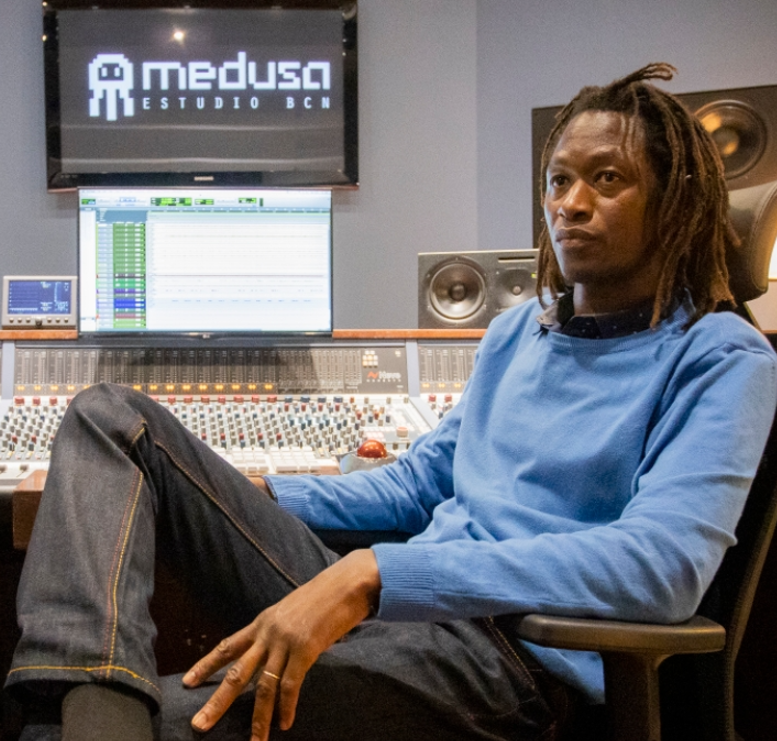
When a person uses their popularity and energy not only for the stage but also to truly change someone’s life for the better – that always deserves great respect. I read that you actively take part in aid projects – building wells, supporting those in need in Africa. Tell us, what results have you already seen from these initiatives? And do you plan to develop this direction further?
You know, the role of an artist must be to convey love, peace, and dignity to human beings. Being an artist is a responsibility, because what makes an artist different from others is their uniqueness, their vision, and their perception of humanity, which is not a commodity that can be auctioned off just for extraneous interests. And that is the great evil of modernity today. If we have a duty to speak, and we are listened to, wisdom demands that we match words with actions.
In creativity, there are always ups and downs – moments of inspiration and challenges that help you grow and become stronger. What has been the hardest thing on your path? And what exciting projects do you dream of realizing in the near future?
It’s true that when we started working to create our own style of music, we didn’t doubt ourselves or what we wanted to bring back. But working hard to create something new means that we are often misunderstood. But when we did our first radio and television show to present our music during the show, we received a call from a producer who was fascinated by our work. We then worked with a producer in Paris, who produced the album, “A New Day.” It’s true that to compose music that conveys something, you have to experience things so that the songs connect with the sensibilities of many people, near or far from you. I often say to our fellow human beings, “Without a mask,” because the theme of each song speaks to someone.

 Voxwave Magazine: Music, Culture, Interview, Fashion