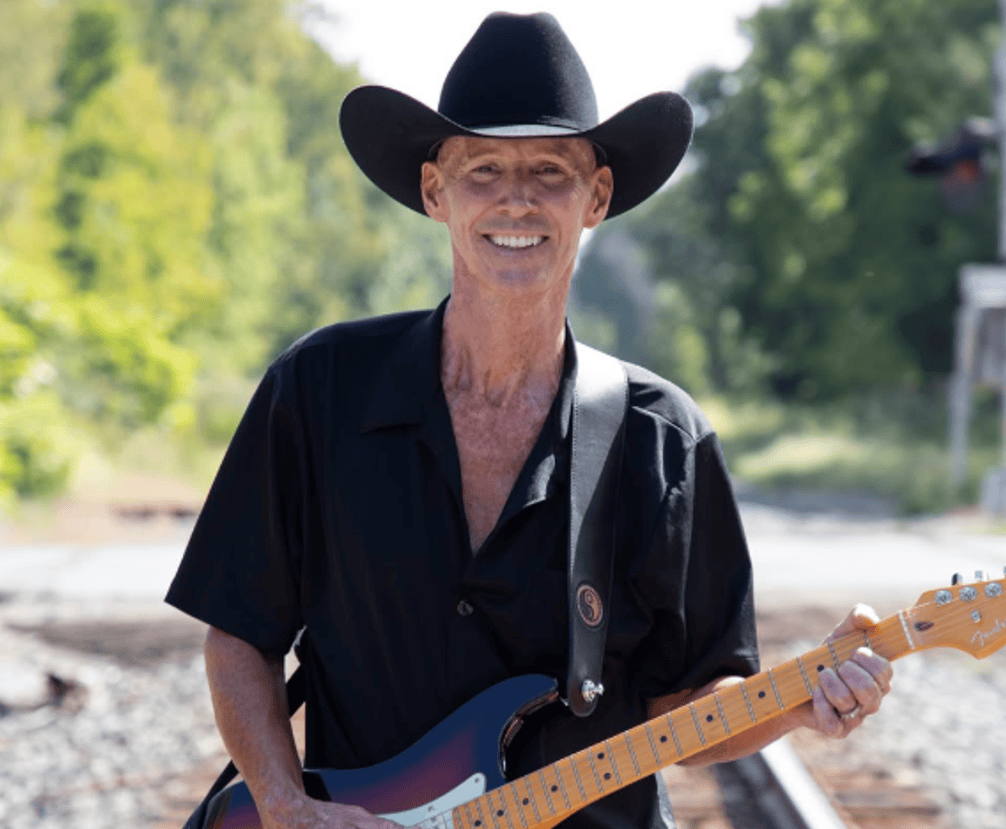
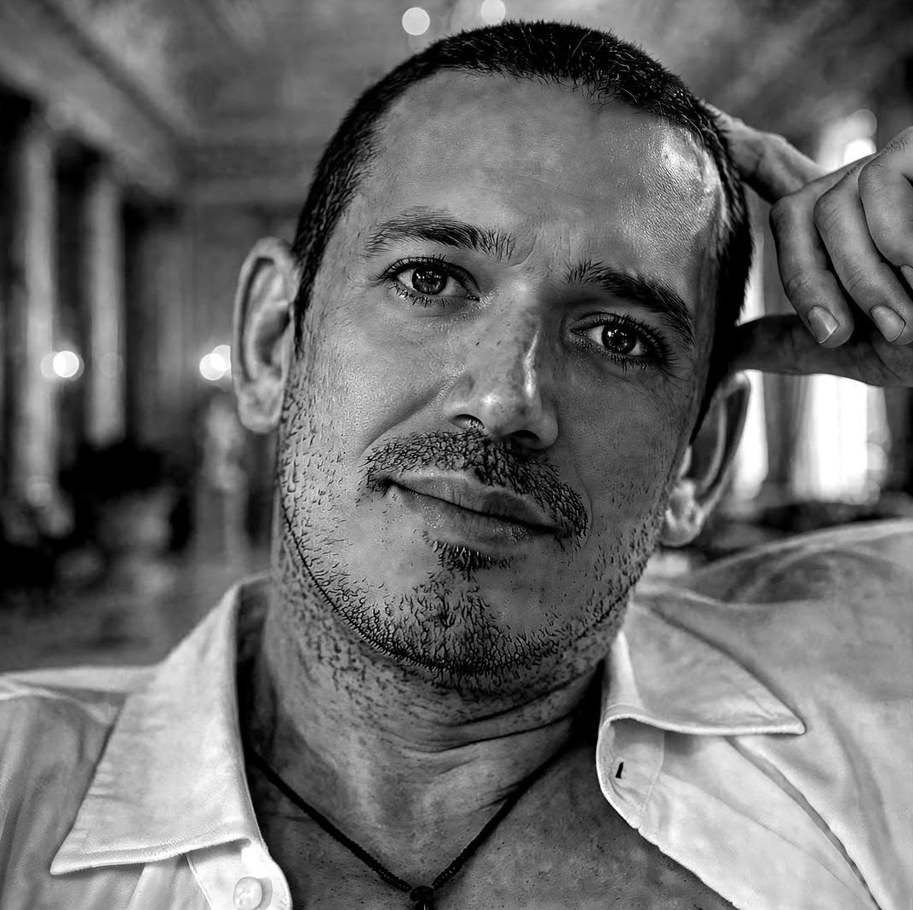
On the night of July 24, 2023, at four in the morning, lightning struck the windowsill centimeters from the feet of Anthony Cedric Vuagniaux – at that moment he was working in the studio. He had never seen it so close before. Anyone else would have jumped back, closed the shutters, and gone to sleep. Vuagniaux stayed. The pre-dawn thunderstorm became the starting point of the album.
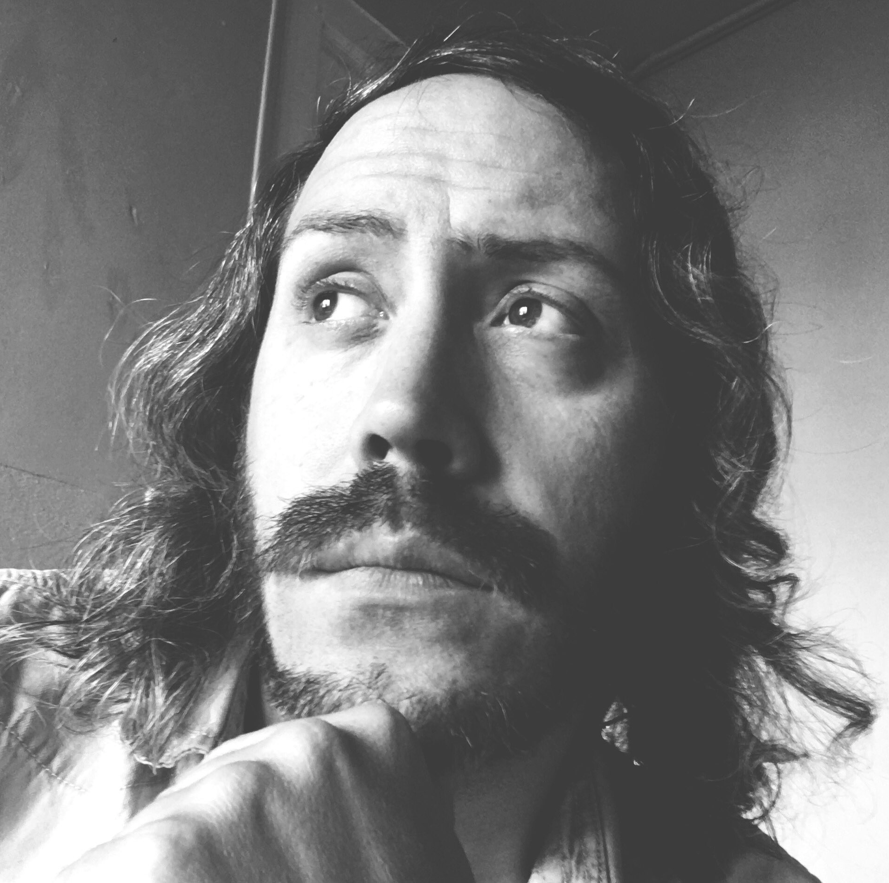
A composer with many years of experience could not miss such material – especially since the music came by itself. “Danse avec le tonnerre”, released on April 27, 2025 on the MELODIASTRE label, is perceived as a recording of that electric moment. It is an unfilmed movie: one storm, an hour and a half of cinema without a screen. Ten tracks in which Vuagniaux appears in all roles at once – composer, performer, producer. Everything was done by him alone, in his own studio: without samples, without covers. The music maneuvers between poetry and electric power, offering the listener an old-school, vintage sound.
The opening track “L’écho de l’ombre” (“Echo of the Shadow”) sets an anxious premonition spilled in the air like the smell of ozone. Vuagniaux works with space: synthesizers stretch, hum, howl. There is something here from soundtracks to 1970s space cinema. The musical line flows smoothly, and the transition to “Soir de tonnerre” happens unnoticed – like a change of weather outside the window. The air thickens, the whistle gathers clouds, the tension becomes bodily. The bass guitar carries itself with the dignity of an old detective, and the clavinet adds characteristic nervous lightness. A few seconds later the thunderstorm dramaturgy discharges, giving way to “L’enivrement des rayons gamma” – a track in which Vuagniaux allows himself a slight science-fiction smile. It unfolds like a slow waltz under the crackle of fluorescent lamps: the organ hums in the background, the solina draws the orbits of strange dreams. The music captivates with effects and a feeling of controlled madness.
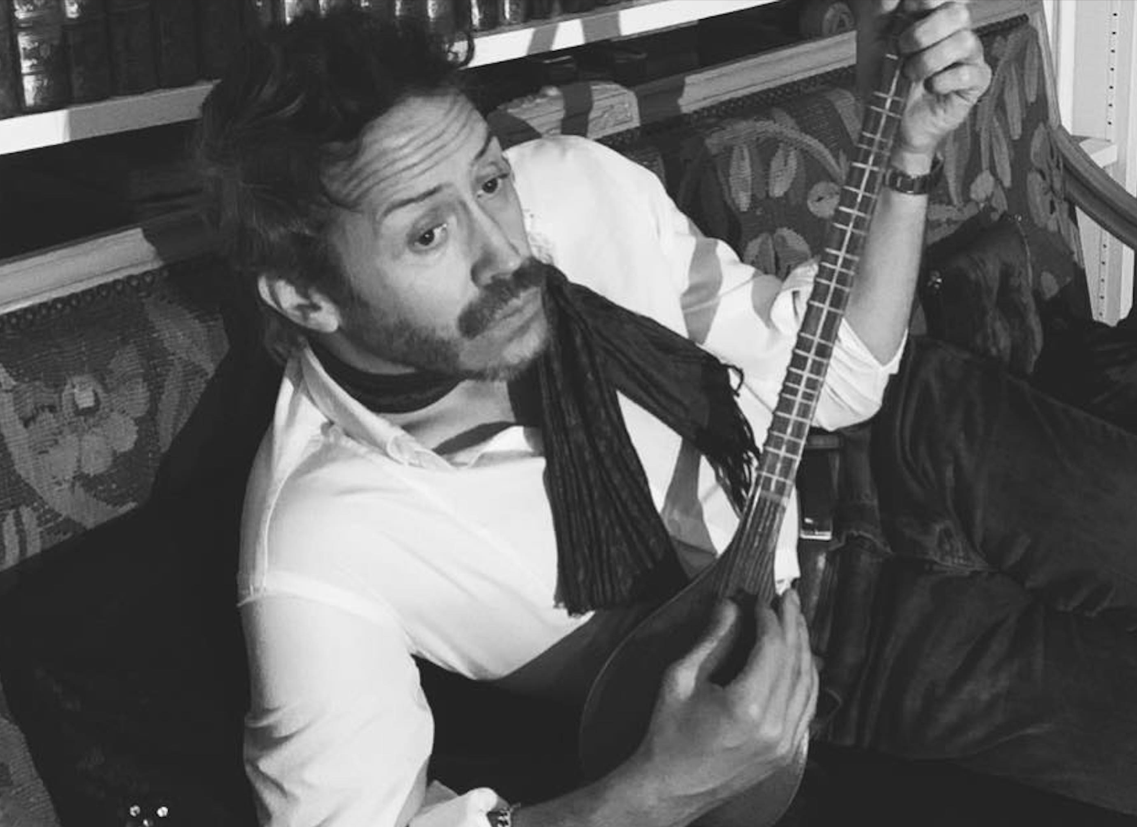
Then – “Joli Cheval”. Just a month after release, the track flooded Reels and TikTok with the organic shamelessness with which strong things spread – without press releases or promo budgets. In the composition Anthony is joined by Eva Joris, Janet Stepanian and Marion Devaud – their voices add epic scope. The track emerges from childhood while remaining in the space of adult anxiety. I consider “Ménage méninges” successful – careful work with internal dialogue: sound lines are interrupted by subtle nervous accents, creating the effect of sorting through thoughts. “Soliloque” is an intimate, closed track. Its space shrinks to a room with one window. Keyboards and a sound resembling the cry of a night bird convey an atmosphere of gloomy languor. “Induire ou mourir” picks up this mood and unfolds it toward philosophical harshness: the sound becomes sharper, the texture drier, although by the finale the tension releases.
The title track “Danse avec le tonnerre” is the culmination and the heart of the album. It develops slowly, like a storm front: first the distant rumble of synthesizers, then bass and percussion enter, and at some point you catch yourself already dancing. The lightning that struck the windowsill – here it acquires rhythm. After the title track the author may have found his calm, because “Essence de la raison” more resembles improvisations with light arrangements. The composition explains what was experienced – colder, more structured, but with the same smoldering tension. The album ends with “Les fleuves du déni” (“The Rivers of Denial”) – the second viral track. Its popularity is understandable: a cinematic, wide composition, like the end credits of a film you want to rewatch. The river of denial here is both a refusal to accept the end, an unwillingness to let go of the silence after the music, and a simple desire to press repeat again.
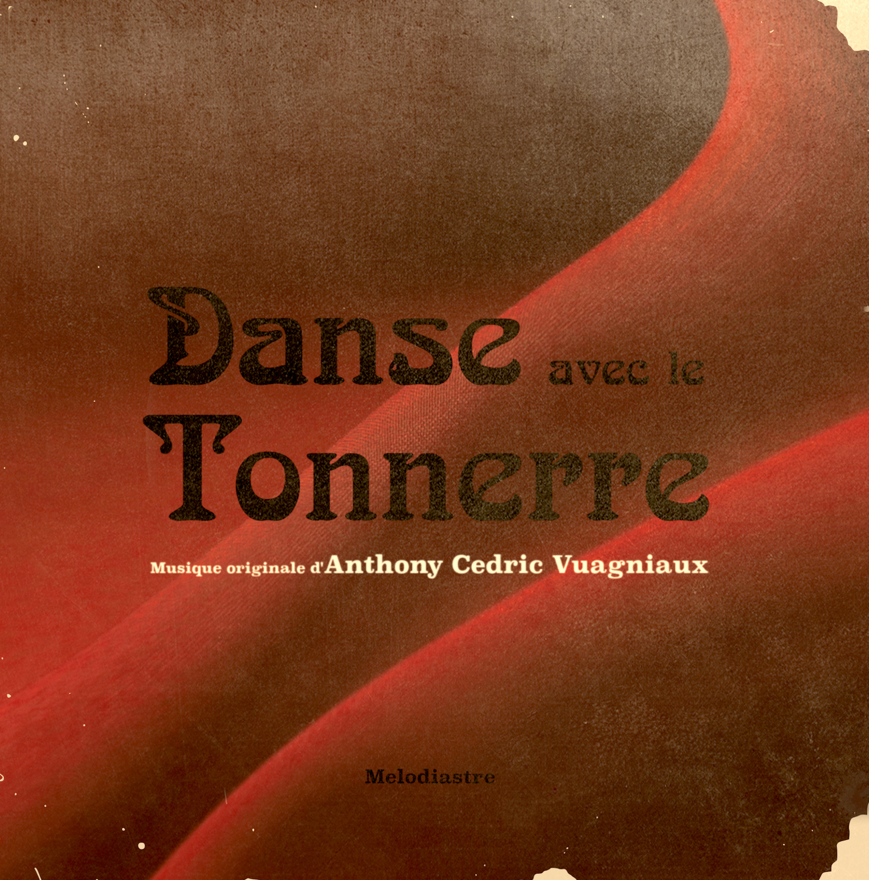
“Danse avec le tonnerre” is the music in which Anthony Cedric Vuagniaux speaks from the very night when lightning came to him personally. And of course it is logical that David Lynch published his tracks on his blog: they share a similar aesthetic – beauty with a flaw, where the flaw becomes the essence. The storm here is a metaphor. The dance is a way of survival. And vintage cinema is the point of view.
Listen to “Danse avec le tonnerre”. Preferably at four in the morning.
Published in partnership with SubmitHub