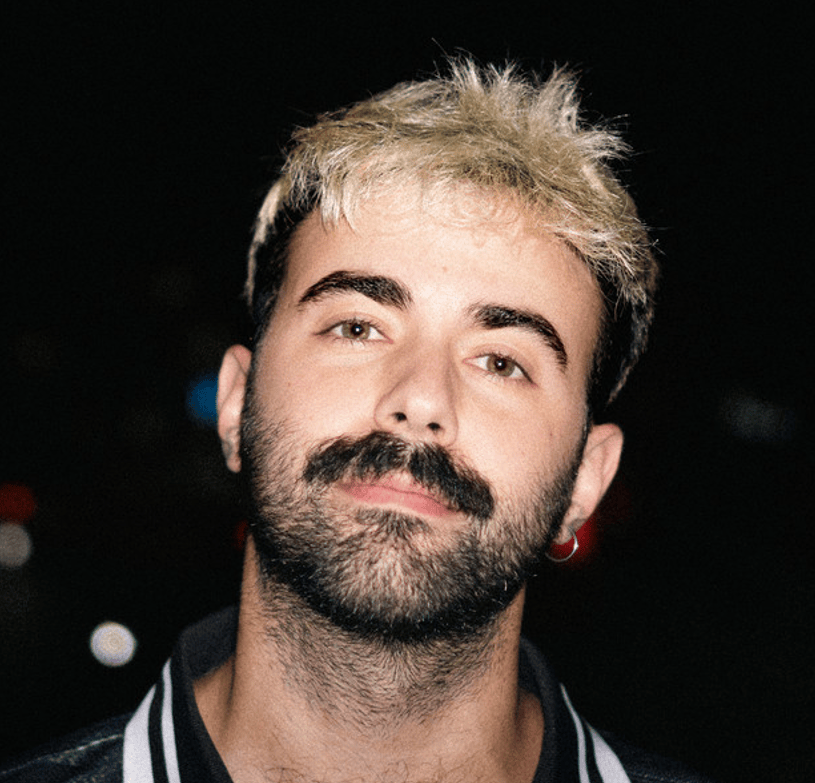
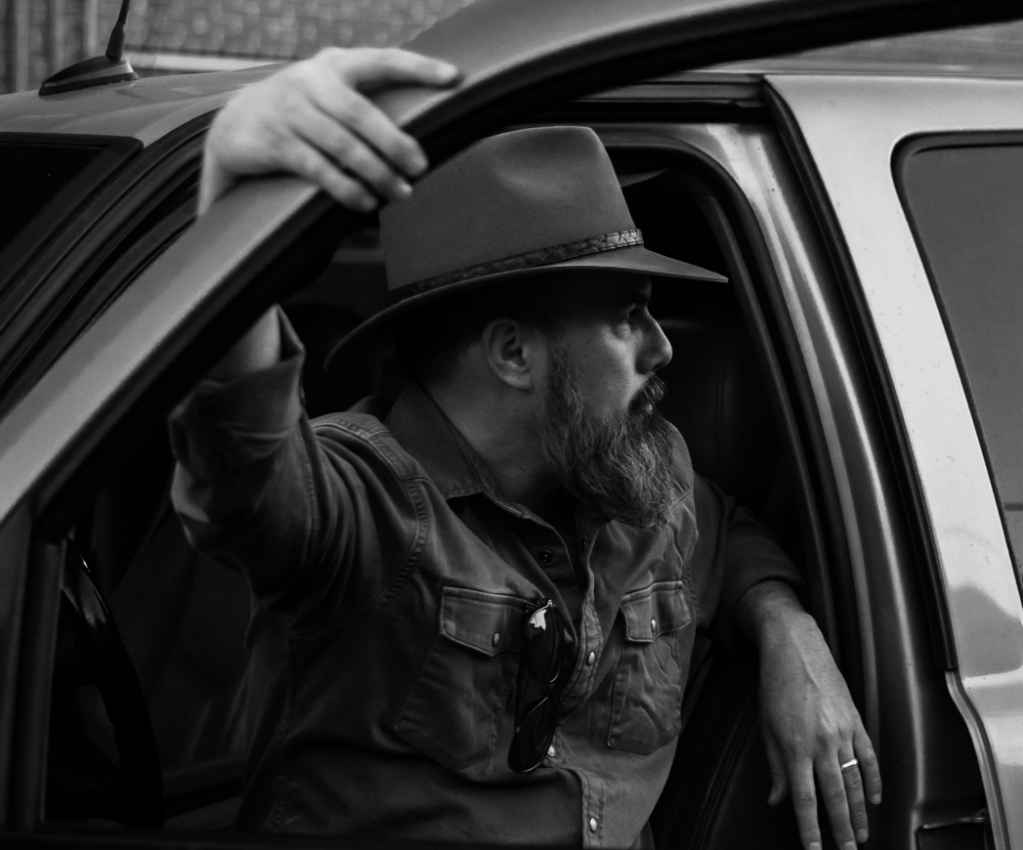
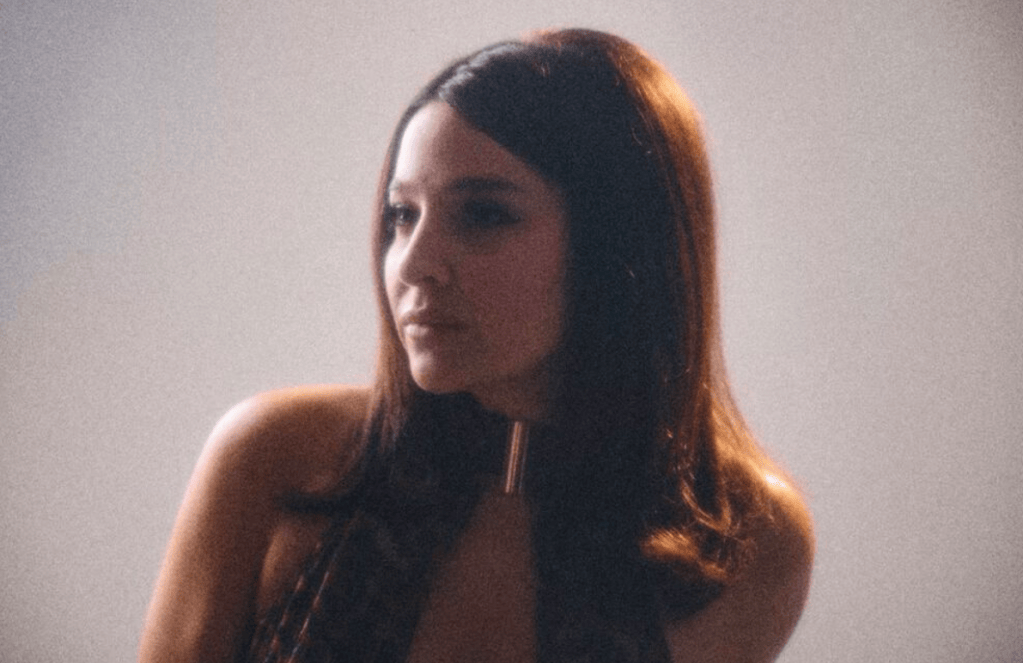
Tennin is an independent French artist whose music exists at the intersection of fragility and absolute strength. You may have heard her tracks on the iconic label Kitsuné Music or on releases with Tricky (yes, that Tricky from Massive Attack), and felt her live energy during a tour with the bold Dope Saint Jude. Tennin knows how to turn personal wounds and difficult questions into stylish, piercing stories that resonate with everyone. In this interview, we talk about her new song “BØDY,” created for the short film “I Might Regret This,” as well as freedom, choice, and the female experience that lies at the heart of both the film and the song.
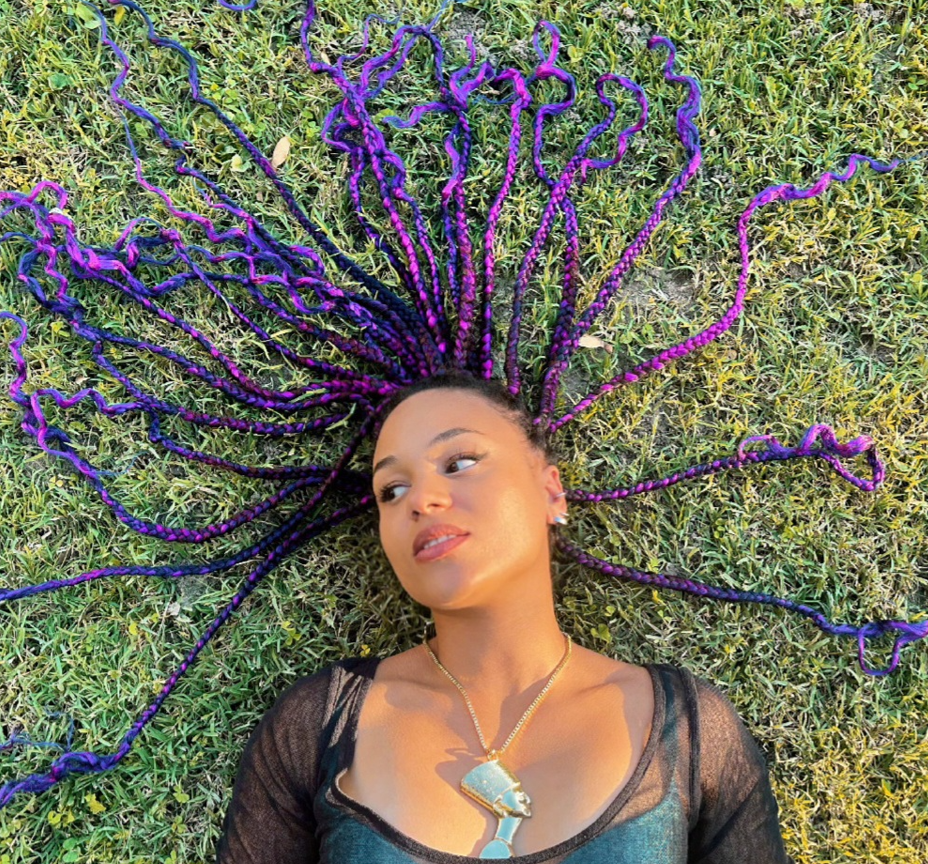
Tennin, nice to meet you – and we’ll say right away: this interview comes out at a very timely moment. You’ve just written an original song for the short film “I Might Regret This,” which touches on the theme of feminism, it’s being released on streaming platforms, and the film’s has been screened at a Berlin for the Grrrl Haus Cinema. How do you feel when so much is happening at once – does it feel more like a celebration, or more like you’re standing on the edge of a diving board waiting to finally jump?
Thank you for your question. I indeed created BØDY for the film A Might Regret This, which was written and produced by my twin sister, Eva Lomby. She worked incredibly hard on this project for a long time, alongside director Aurélie van Oost, and seeing the final result of her and their dedication is what made me the happiest.
The film was screened in Berlin at the Girrrl Haus Cinema and was among the nominees for Best Berlin Local Shorts. When I first saw my song used in the opening of the film and again in the credits, I felt a real sense of pride. It also made me realize how many things are possible to achieve through art and music. Having your own creations out in the world like that brings a deep sense of fulfillment and satisfaction.
Every artist has a point of origin – cultural, geographical, intuitive. You are a French independent artist. Is France the place that shaped you, or can you share some additional perspective on that?
It’s interesting because I’ve never really considered myself a local artist, but rather someone with a broader vision of the world. I grew up in France, but from a very young age I was drawn to Afro-American music. At the time, in France, there were very few representations of Black or mixed artists in the media or in the cultural and musical landscape, so I naturally turned toward Afro-American artists for inspiration.
Later on, I discovered other styles such as trip-hop, which was a real revelation for me—more on the UK side of things—and that opened even more doors in how I understood music and sound. I’m also someone who loves to travel, to observe different perspectives, and to exist within an international environment.
It’s true that I initially started writing in English because of these influences, and I later found my voice in French as well, which might seem a bit contradictory at first. But for me, it simply reflects the way I see art: something that isn’t confined to one place, one language, or one identity, but something much more open and global.
Your music is described as alternative pop, indie R&B, and trip-hop. Is that how you classify it yourself – or are these more like labels others have attached, while you look at them with slight confusion?
In fact, these styles have certainly influenced my music, and using those terms to describe what I do is simply a way of acknowledging those inspirations. It’s true that the industry often pushes us to categorize or define things very precisely, but I don’t think that really captures everything about what I create.
I’ve always struggled with labels and classifications, because when I’m creating or trying to express something, I don’t think in terms of genre first. I think about what I want to say, or the emotion I want to convey.
Let’s talk about an important moment in your work – an original song for a short film. Tell us how you became involved in the project “I Might Regret This,” and at what moment you realized: “yes, this is my story too”?
It is my twin sister who is at the origin of this short film, and she gave me the opportunity to create music for it. Music for image has always been something that deeply interested me, even though I hadn’t previously had the opportunities or the doors open to explore it. So this was a golden opportunity, and I’m truly grateful to her, as it allowed me to take my first real step into this field.
The film addresses the social pressures placed on women regarding motherhood and the roles that are often imposed on them by society. It offers an ironic response to injunctions such as “you have to have a child before you’re 30, or after that it will be too late.”
I’ve always been irritated by those type of comments, as if what defines a woman first and foremost is her marital status or whether she is a mother. As if contributing something to the world could only come through the role of motherhood.
I have always believed that motherhood is something that should be chosen. For me, bringing life into the world should come from a moment of clarity, when one feels fulfilled and ready for transmission. Being a mother is not simply a question of age; it is about finding balance, but also about responsibility. I believe that bringing a child into the world is not necessarily something you do for yourself, but rather for them.
When you first read the script of “I Might Regret This,” what caught you first?
What I found particularly interesting about the film is that it highlights women’s experiences, what they go through, and what is often considered taboo. It also brings these realities into contrast with certain societal beliefs, questioning them rather than simply accepting them.
At the same time, it incorporates other contexts, particularly the experience of immigration, since the protagonist is a French woman who has just arrived in Germany. This adds another layer to the story and allows for a broader perspective.
I find it meaningful to approach these topics within a wider framework, because it also helps us understand how our experiences can vary depending on geographical context and the different life challenges we may face.
“BØDY” is a short track about a very big theme, which requires precision, almost like surgery. Did you consciously choose such a compressed format, or did the song itself decide how long it should be?
I liked the idea of the song being quite fleeting—almost like a message thrown out to sea, something brief that each listener can catch and reflect on in their own way.
It was also a collaborative process with the filmmakers, since the format had to adapt to the specific moment in the film where the song would appear. That naturally shaped its length and structure.
The track is quite short, and that suits me perfectly, as I always take a certain pleasure in stepping outside of established frameworks and expectations, especially when it comes to form and structure.
It has even been something I’ve been questioned about at times, and that’s actually when I feel I’m on the right path. For me, it is really important to move beyond limited ways of thinking about music and about the creative process in general.
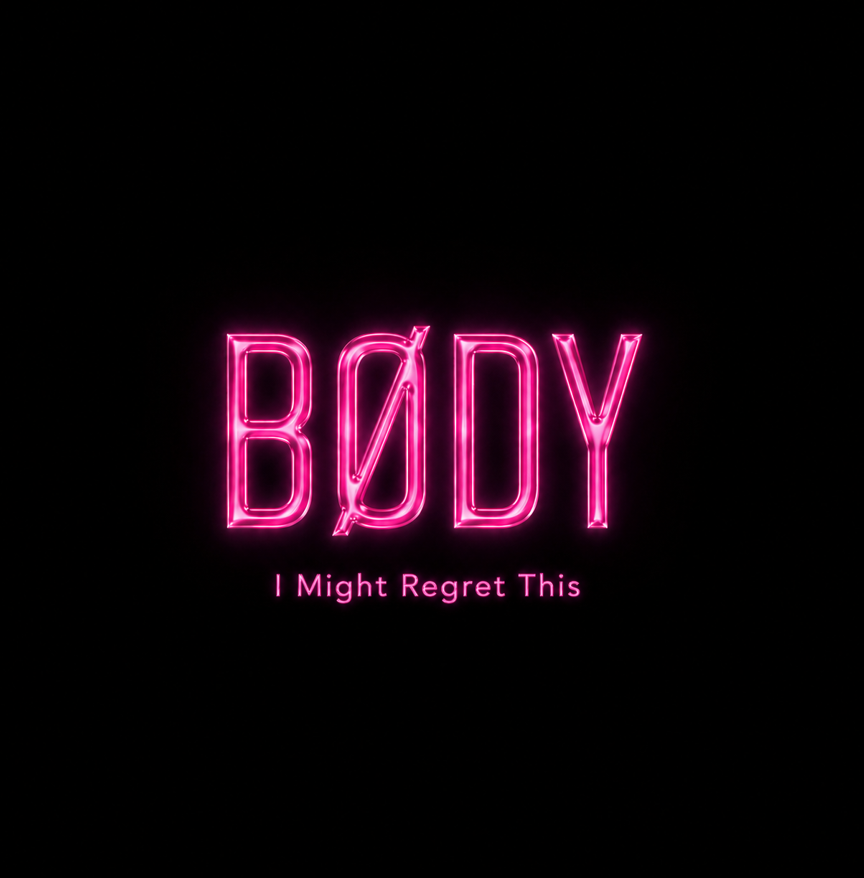
“I Might Regret This” is a strong title. In four words, there’s doubt, defiance, irony, and fatigue. Eva Lomby built an entire film around them about the pressure society places on women. Did you immediately recognize yourself in this theme – or did the title “I Might Regret This” shift something and point you in a direction worth exploring?
The words you’re using describe feelings I’ve also experienced, and I assume Eva has as well. In fact, we often talk about it together, but ultimately we know that each of our choices —the sum of all those choices—leads us down the path we’ve selected, refined, and built for ourselves.
And at the same time, these emotions and experiences also allow us to become more certain about what we want for the future.
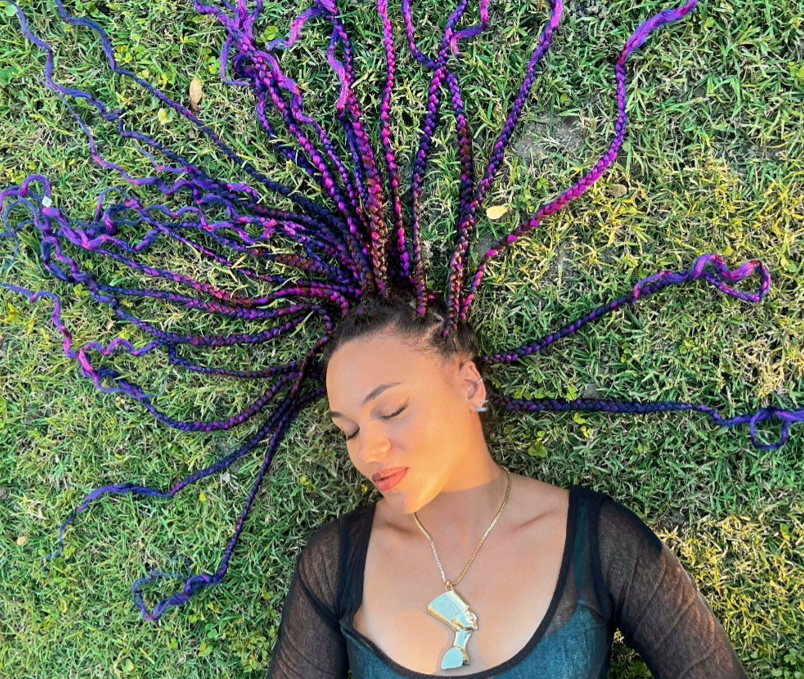
The mixing and mastering were done by Nano Beyo, a two-time Latin Grammy winner. What did your collaboration look like? Did he change something in how the track sounds, or rather refine what you had already created?
I was very happy with this collaboration because he was able to work while fully respecting my vision and the emotion of the track, taking it to another level.
When it comes to mixing and mastering, I think it is essential to feel that the other person is truly listening, and above all, that there is real respect for each other’s work as artists. When things happen in that way, you always learn something new, and it allows you to feel mentally clear and free from unnecessary mental pressure that could otherwise limit our creativity.
Berlin is a city with a very particular energy for independent art. What does it mean to you that the film featuring your music will be screened at IL Kino for the Grrrl Haus Cinema?
Berlin has always been a city that inspires me. I’ve made encounters there that have truly contributed to my art. It’s a place where, when you are creative, you can find your place and feel at home creatively speaking.
So naturally, reaching this step and seeing my work being presented in a city like Berlin feels like fulfilling part of my own vision, while also experiencing a deep sense of alignment.
Interviews are a strange genre. Everyone asks more or less the same things, and at some point the answers become polished to a shine. So I’ll ask differently. Is there something in your story that you are never asked about – but that you yourself consider important?
I have the feeling that artists in general are rarely asked about everything that happens in between the visible moments—the time when nothing seems to be happening from the outside. People often assume that because there is less activity on social media, nothing is going on creatively. It really shows how much perception today is shaped by social platforms, as if online presence equals artistic activity, and silence equals inactivity. But in reality, a lot of the work exists precisely in those quieter phases: experimenting, writing, creating without necessarily thinking about visibility, and constantly refining and deepening our craft.
And beyond that, I’m for example also working on other cultural projects that are less visible but very present in my daily life. I run my own media spaces, I host my own radio show, and I’m involved in different cultural initiatives and collaborations with artists internationally. So even when it doesn’t appear publicly, there is always a continuous process of creation, exchange, and cultural engagement happening across different forms.