
A tree is known by its fruit. Hidden within this ancient Biblical metaphor is an existential trap: we are accustomed to judging ourselves by our intentions, while the world judges us by our results. It is easy to hide behind the illusion of one’s own impeccability, but what are we to do if the fruit we pick turns out to be bitter?

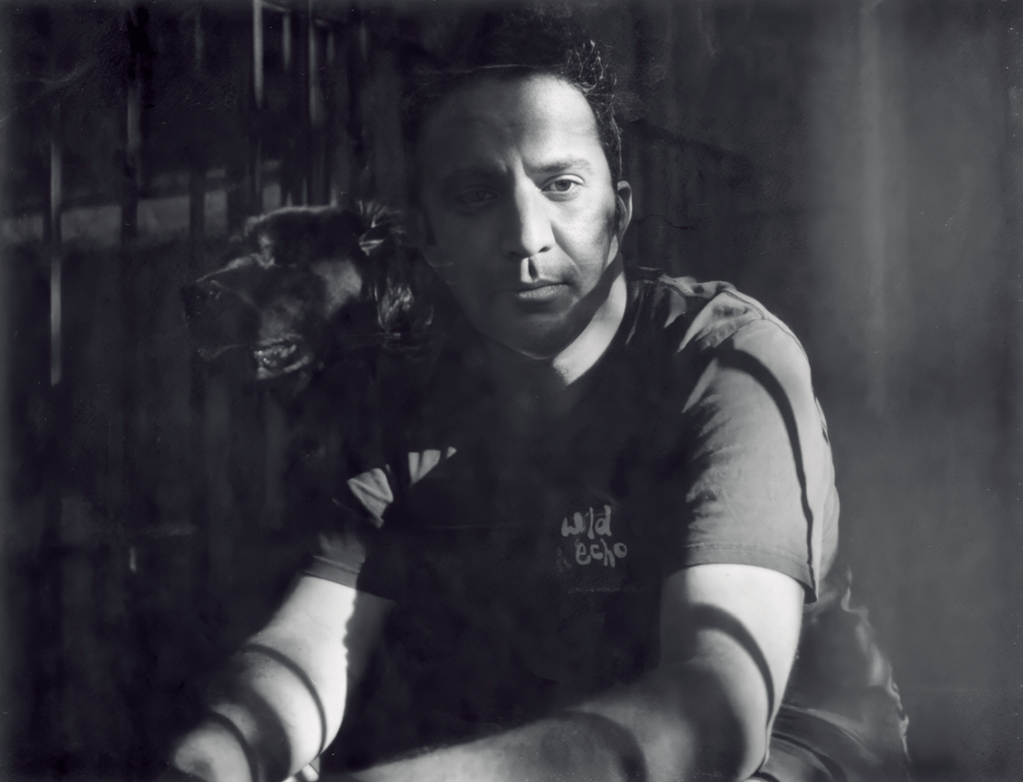
Photo by David Zayas Jr
New York City harpist, singer, and songwriter Stephanie Babirack decided not to hide this bitter harvest. Her new album with the striking title “Rotten Fruit”is a tangible musical essay on the nature of human depravity, the phantoms of identity, and the artful fairy tales we tell ourselves in order to escape the truth. Having received a rigorous classical education, Stephanie has accustomed audiences to the idea that the harp in her hands is a living, pulsating nerve. In “Rotten Fruit”, the instrument sheds its Baroque gilding and gracefully enters the world of indie folk and cinematic noir.
The harp is a “mysterious ladder” connecting all the musical themes of the album. The album was written and recorded together with a friend and long-time co-author, Stephanie, Peter Scoma, who sings and plays guitar on all tracks. Joshua Benash handled the mixing and production of the entire album. Eight tracks are woven from the finest sonic threads, where classical rigor meets rough contemporary acoustics. Let us walk through this garden. The recording begins with the pastoral opening of the title track, “Apocalypse.” Acoustic guitar and harp, intertwined as one, create a fragile framework that supports Stephanie’s weightless vocals. The apocalypse is an inner one; it expresses the collapse of former illusions, where every pluck of a string sounds like a countdown to the inevitable. There is no overt noise of life, history, or civilization in the music-only fragile, sustained beauty and the “naked charm” of sacred lyrical harp sounds, through which humanity has measured its feelings and thoughts since the beginning of time.

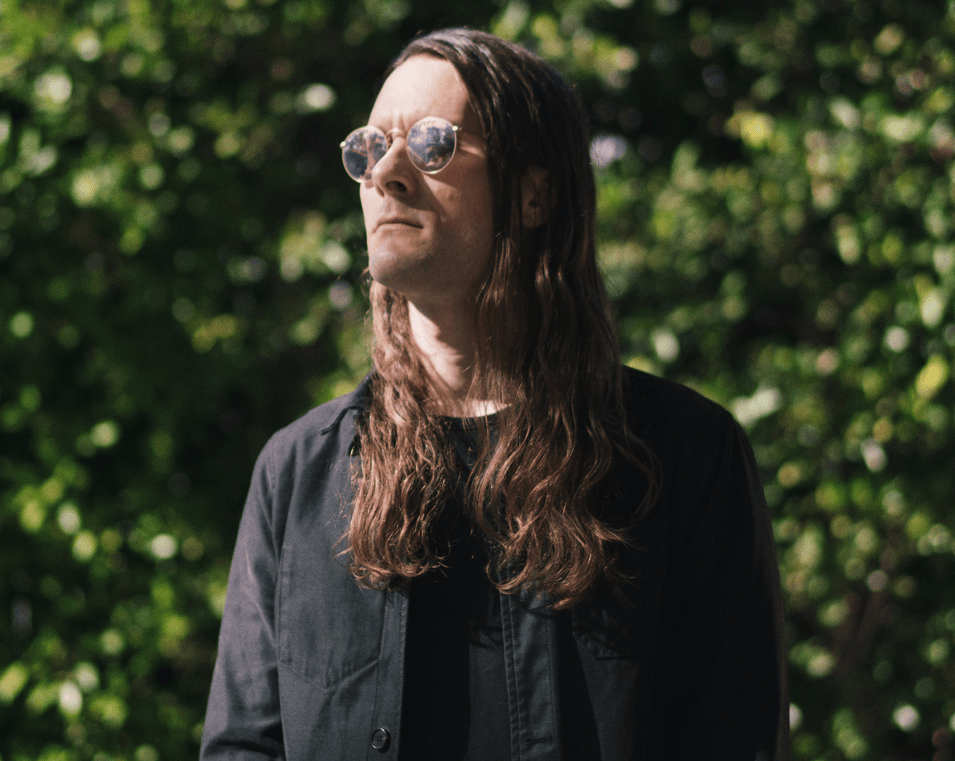
Photos by Nicholas Lee Ruiz
The track “Waves and Whispers” elegantly changes the mood. The percussion pulses like the breathing of water, while the lead and backing vocals intertwine as if one thought were sounding in two shades-spoken and withheld. A kind of vocal acrobatics unfolds upon the rhythmic canvas. The harp scatters light, and the guitar gathers it into form, maintaining a fragile balance. The song moves along the boundary between confession and silence, where words dissolve into sound. One of the album’s multilayered tracks is “Hey Cain.” Here a dense bass appears, along with confident drums, deep backing vocals, and the piercing, aching cry of a violin. The title refers to the first Biblical fratricide. It is a song-investigation of inherited guilt and family patterns. It is no coincidence that Stephanie herself formulates the album’s central question with utmost directness: “My work on the album was an attempt to understand: is depravity something innate, or something that is formed through family and repeated patterns of behavior?” In “Hey Cain,” this question sounds especially acute.
The luxurious shimmer of the harp enchants in “Waterline” – the conceptual center of the album, the track which, according to Babirack, inspired the album’s title. The ascetic union of guitar, harp, percussion, and voice sounds frighteningly honest, capturing the moment when the water reaches one’s throat. There is something precise in this-about how long one can stay afloat before realizing that one has long since been drowning. Unexpectedly bold on the album is “Lakeside.” The calm flow of harp passages and violin is whipped onward by sharp drums. The vanilla-caramel vocal imitates the smooth surface of a lake, but beneath that surface a hidden underside can be felt. The music lulls, but the lyrics force one to remain alert. The song turned out in a very contemporary manner, although with a harp. Its classical origins ennoble all the sonic masquerades it performs according to the author’s intentions.
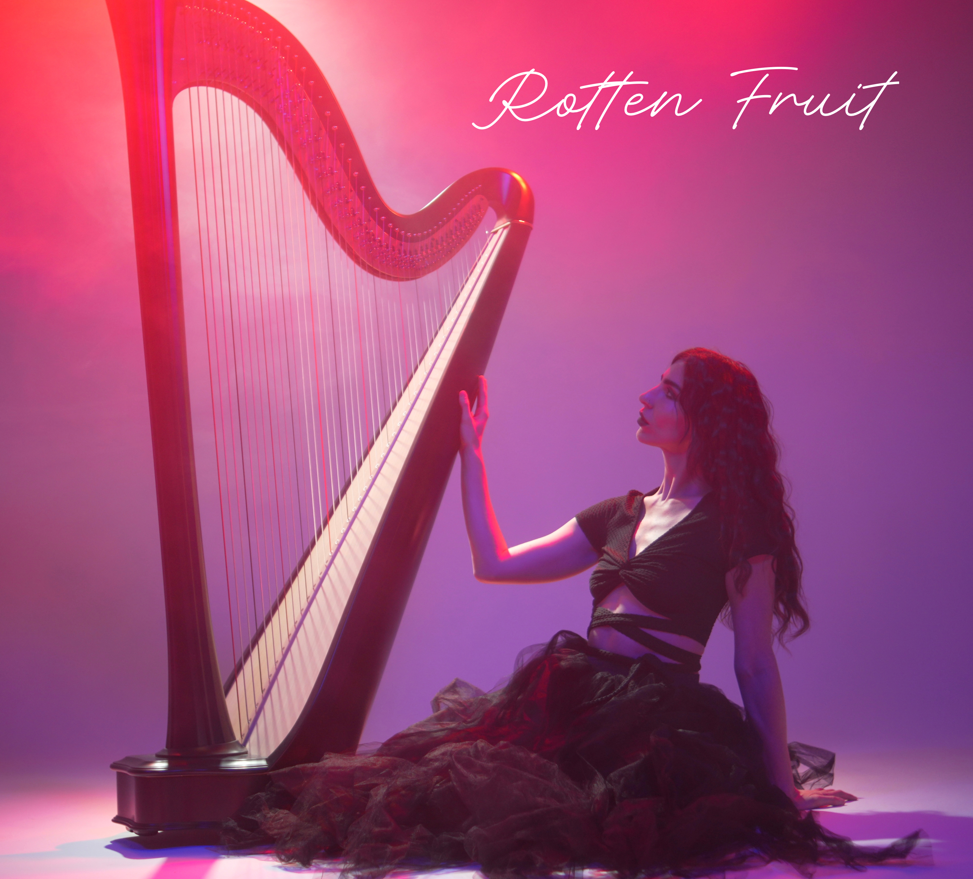
Album cover is by Johnel Clemente
“Moon River,” the album’s only cover version, appears successful. It is an unexpected and incredibly elegant reinterpretation of a classic. The main instrument is the harp; an acoustic guitar and multi-layered backing vocal parts smoothly join it. Babirak strips the famous melody of its Hollywood gloss, returning it to the original melancholy of a lone wanderer. The spacious, tangible track “Utah” brings back the violin-and with it returns something troubling, geographically distant, and very personal. Distance can be heard: between people, versions of oneself, the past and the present. Its melody resembles a melancholic road movie. The harp sounds sparse, imitating echoes in canyons, while the vocal drifts somewhere beyond the horizon in search of purification and a new land. The final track, “Coda,” is left exclusively to the harp. After eight tracks filled with lyrics, voices, and stories-silence remains, in which only the instrument is left.
“Rotten Fruit” is a masterful anatomy of human weaknesses, executed with impeccable taste. Stephanie Babirack has created an album-mirror. It is not always comfortable to look into it, but it is impossible to look away. Moving from Biblical archetypes to personal scars, Stephanie reserves for herself only the right to be an observer. Before us is pure contemplation of the “spoiled fruit,” mesmerizing in its sincerity and attention to detail. A refined, mature, and atmospheric work, capable of resonating in memory long after the final chord of the harp has faded away.
Published in partnership with SubmitHub







 Voxwave Magazine: Music, Culture, Interview, Fashion