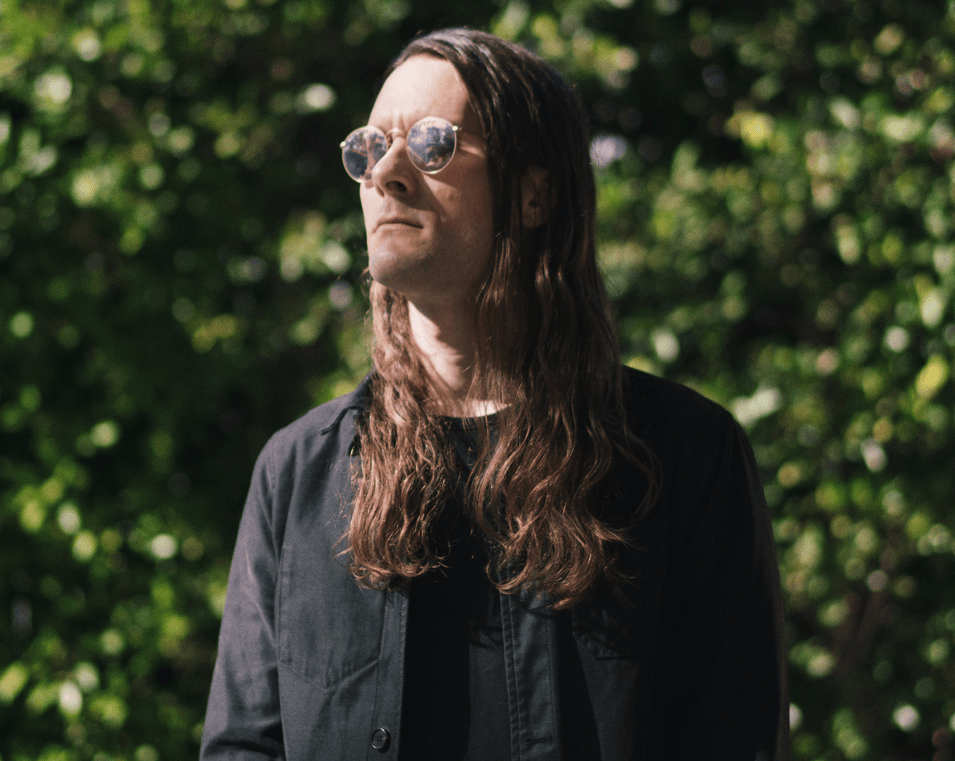
“You don’t need to look far into our band’s history to know that we’ve always made an effort to use music to bring people together to support causes we believe in and make our small corner of the world a little nicer than we found it.” In these words from Loversteeth vocalist Brandon McCabe, there’s a kind of awareness rarely found on the heavy scene. So who are Loversteeth?
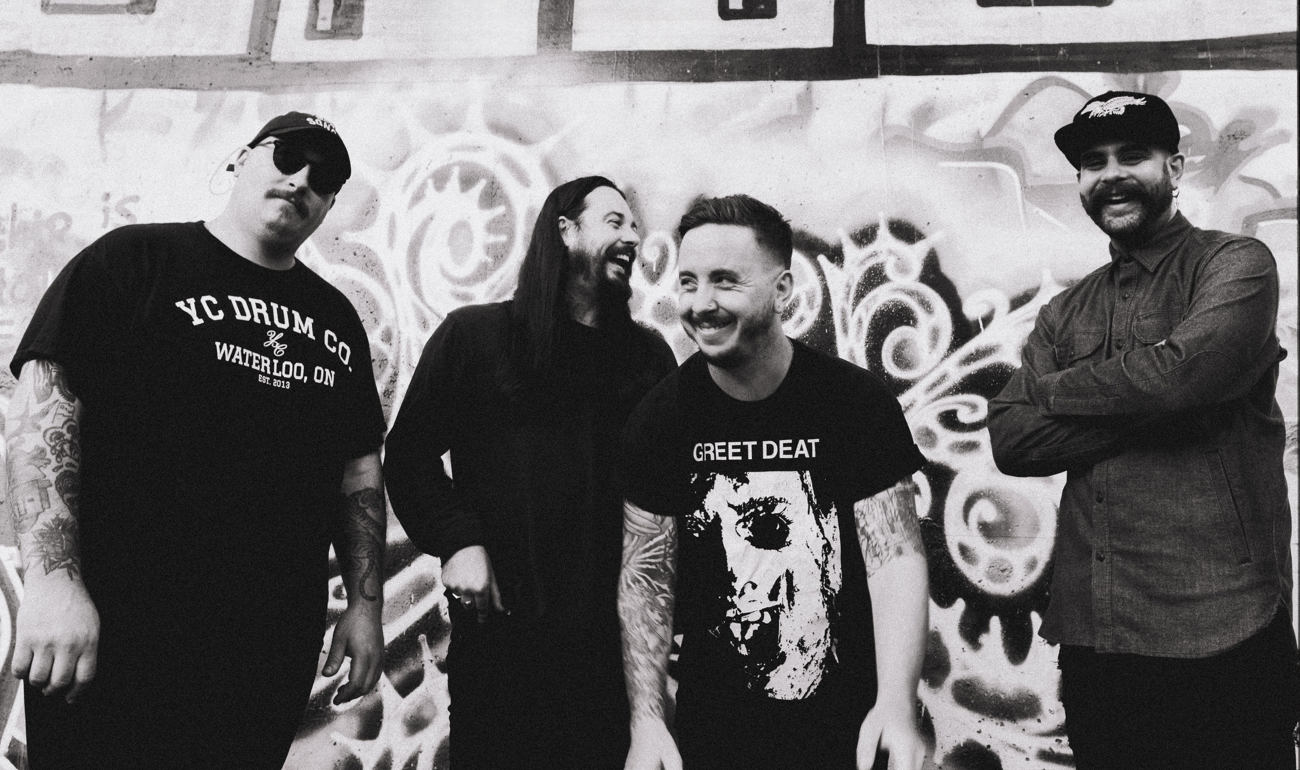
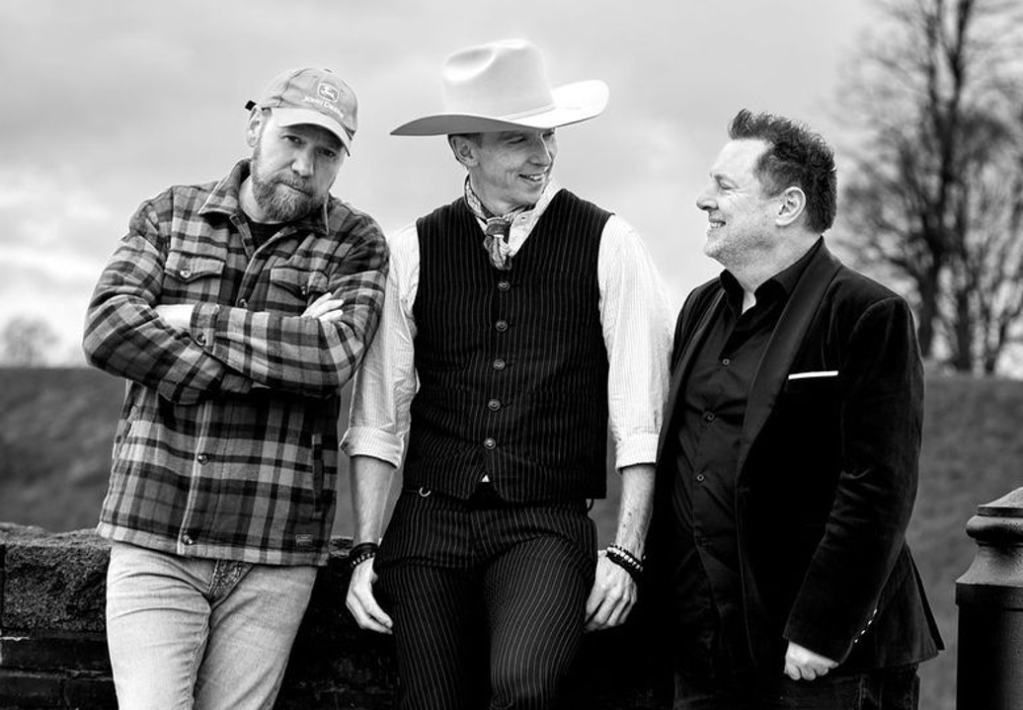
Photo – John Scarlett
Four guys from Hamilton and Montreal – Brandon McCabe, Charles Capretta, Karl Lebel Viens, and Zack Frattoni – formed a band that speaks to the listener in the language of polar emotions. Their music lives in the tension between refined, fragile beauty and primal, crushing energy. There’s the rage of modern metalcore and the directness of alternative metal, all carefully wrapped in a dense, melancholic post-rock haze. Since forming in 2022, Loversteeth have toured across Canada and the U.S., changing the world around them through action. Offstage, the band is deeply involved in charity work, supporting local Hamilton organizations such as Helping Hamilton Homeless, Neighbour to Neighbour Centre, and the Scott’s Encore project.
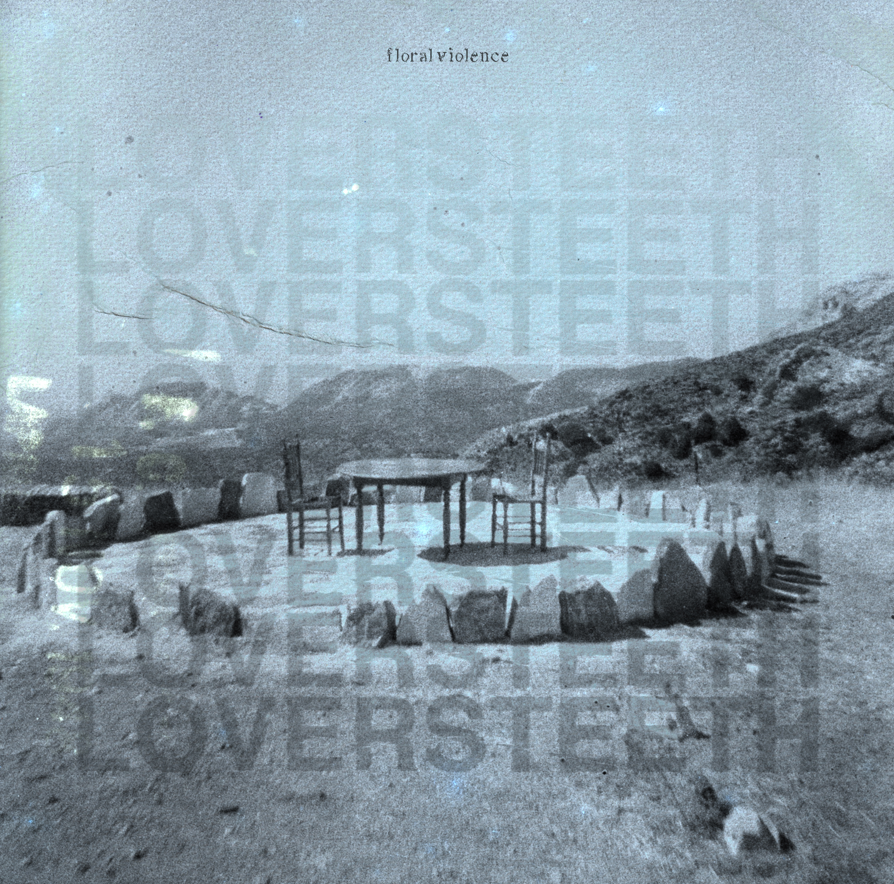
On June 24, the band released their new EP, “Floral Violence.” Scars, breath, and old school – that’s how I would describe this record. Six tracks. And from the very first seconds, it’s clear: nothing here was hidden behind a computer. Karl Lebel Viens puts it plainly: “We wanted to make this EP the old-school way: real amps, real drums, real synths, real microphones, everything recorded for real. It was important to chase the right sounds, focus on how we perform in a room, and capture that as honestly as possible. We wanted the record to feel real, raw, and as grungy as we could make it.”
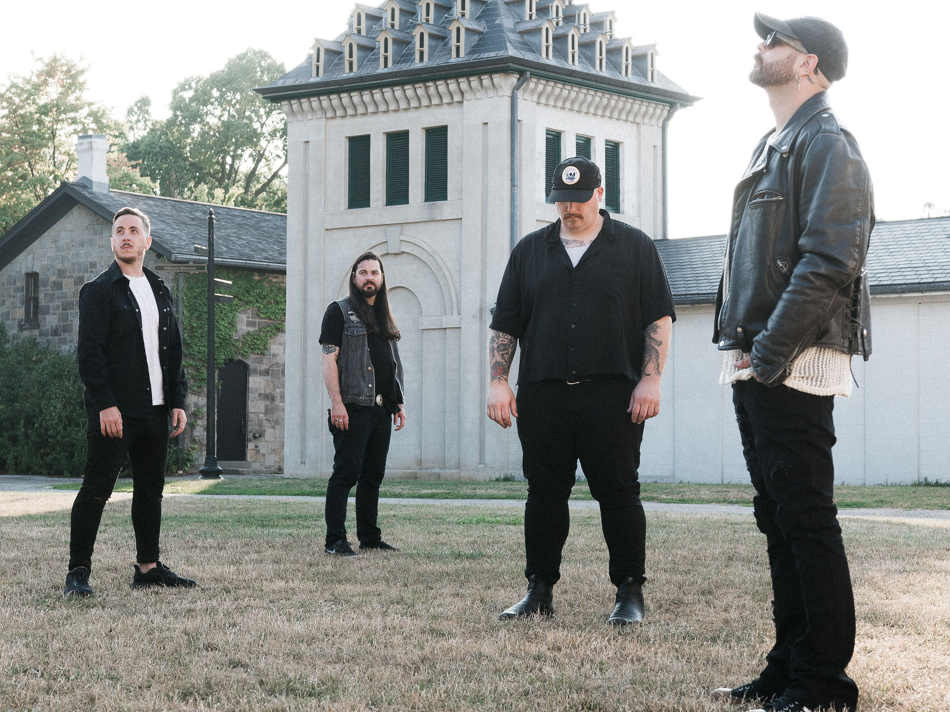
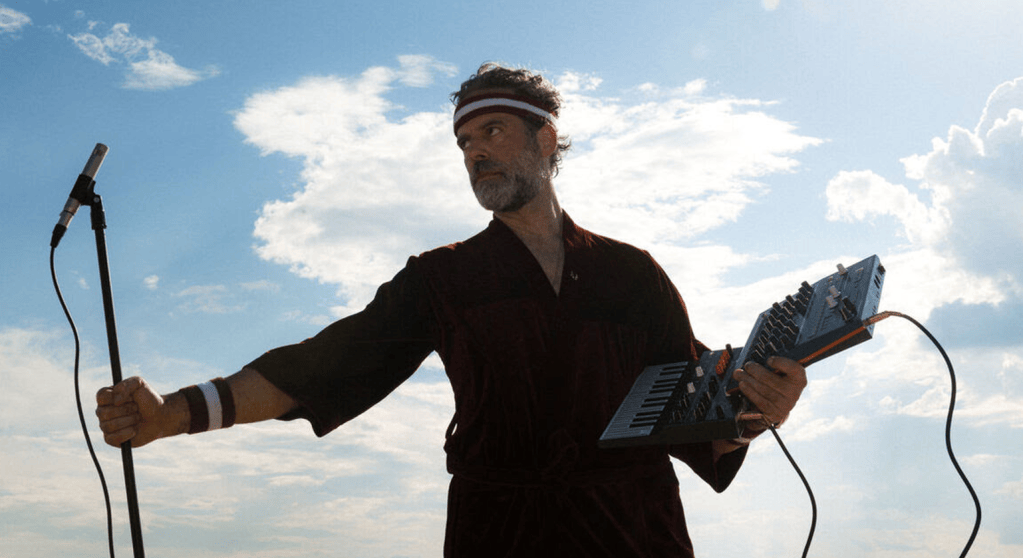
Photo – John Scarlett
The recording geography is intriguing: guitars were tracked at School House Studio in Dundas, while drums and vocals were recorded in two separate studios in Hamilton and Oakville. Mixing was handled by Mike Watts at VuDu Studios. That kind of studio fragmentation could easily have broken the album’s sense of unity, turning it into a patchwork quilt. But with “Floral Violence,” something like magic happens: the record sounds cohesive and solid throughout. As if all these places, people, and miles between them eventually started speaking the same language. It seems Loversteeth achieved the most important thing – remaining human in a world of algorithms.
But don’t mistake their kindness for weakness: their compassion goes hand in hand with righteous anger. The title track “Floral Violence” hits with a dense wall of sound, where Brandon McCabe’s aggressive vocals dissect the idea of “floral violence” – a veiled destruction inflicted by the modern capitalist system on both the planet and people. It feels like a triumphant anthem for the 99% forced to “make do with crumbs in the dirt.” The track opens with a grand, almost ceremonial tone; the organ sounds striking as it transitions into a guitar riff. What begins as a song about danger ultimately unfolds into something much broader.
Even more layered is “Altered Language,” a track that explores linguistic violence. Heavy, viscous riffs become a metaphor for the isolation imposed on marginalized communities. The music captures the inner monologue of someone trapped within a web of alien, imposed meanings. The band’s idea of “violent language” comes through in fragmented phrases and broken rhythms, while the track itself resists conventional structure. This is music that refuses to be comfortable – gloomy, beautiful, and slightly anxious.
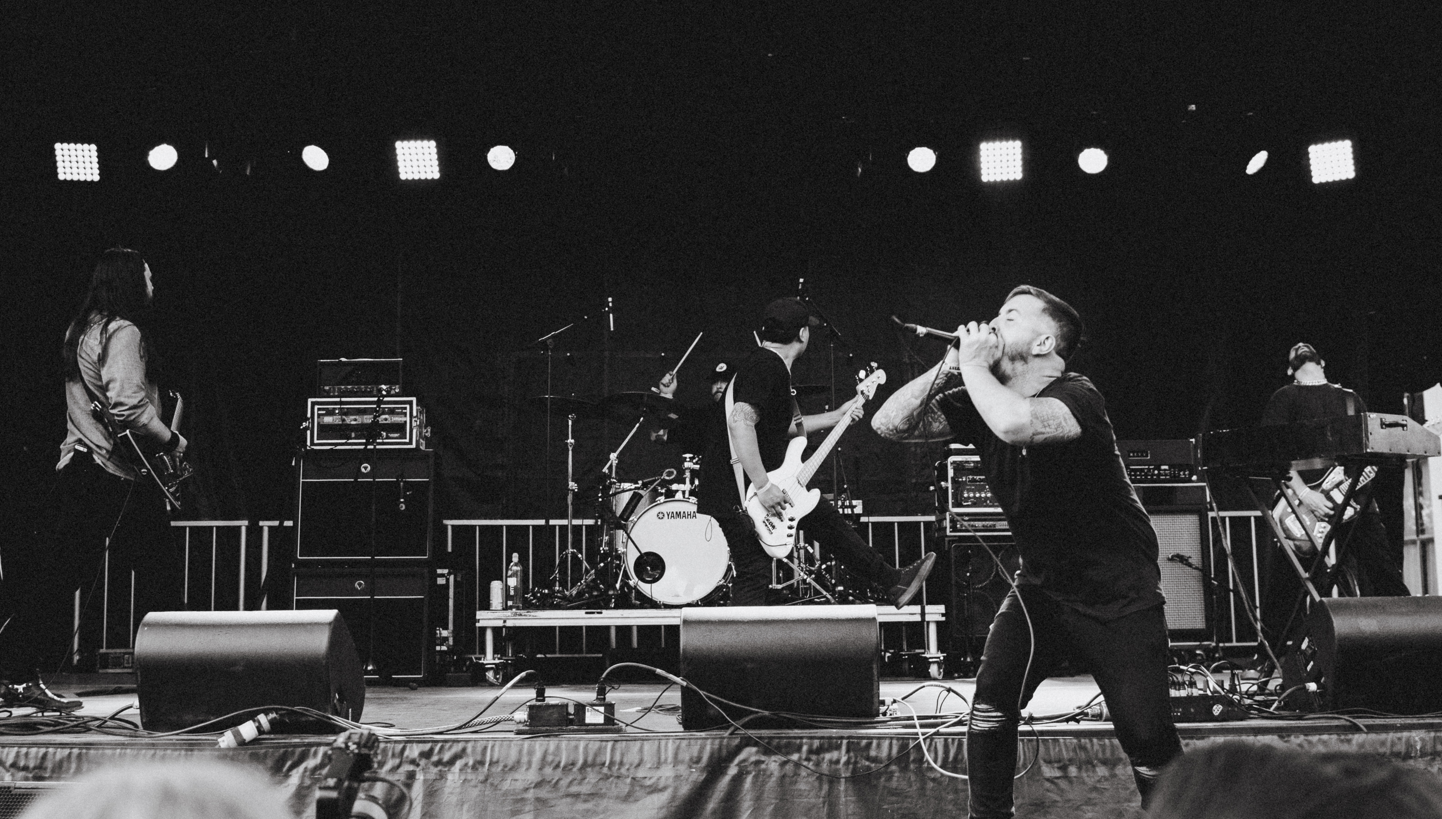
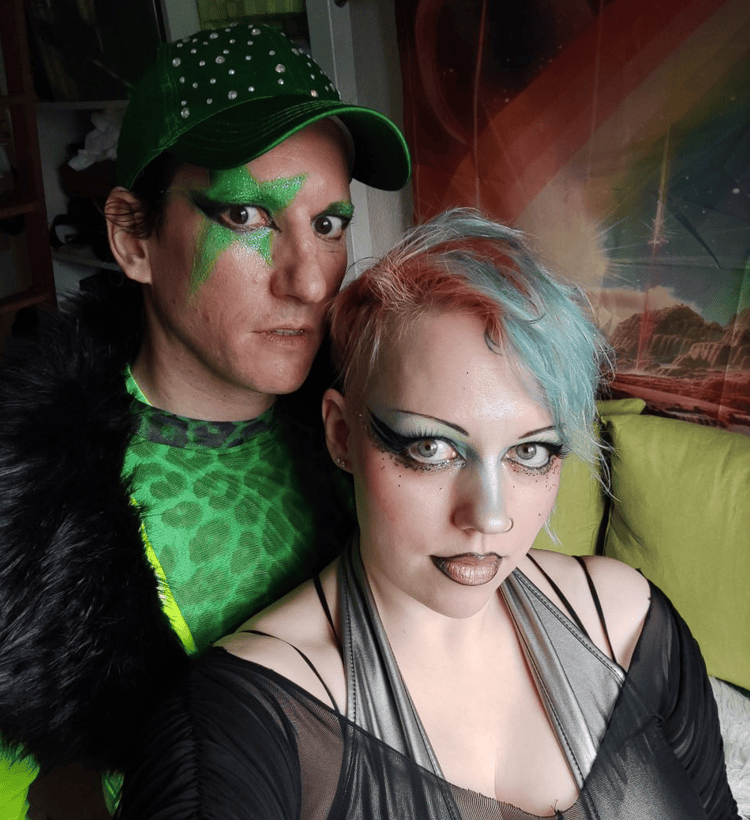
Photo – Erin Cosentino
The lead single “Closer to the Sun” stands as the most open moment on the EP. Thorkildsen’s contribution adds a vocal counterpoint that functions like a second voice within a single monologue. The band reflects on inner division – that state where a person cannot come to terms with themselves. It’s a monumental piece, where expansive guitar lines rise toward the light, cutting through the dark post-rock atmosphere. “Form in the Spill” unfolds in a more cinematic way: its viscous post-rock textures are hypnotic. The sound spreads like spilled liquid, losing its shape. Musically, it begins as chaos, within which a pattern gradually emerges. Here, Loversteeth sound at their most experimental.
The fifth track, “Autumn Lust,” demands special attention. A ballad driven by a striking guitar solo and powerful drums, it feels both restrained and furious. There’s a damp, autumnal decay in its atmosphere – not resignation, but a gathering of strength before a final surge. The melancholy here has sharp edges. The EP closes with “Silent Gardener,” a powerful and deeply affecting track. The image of the “silent gardener” becomes a metaphor for quiet, unseen resistance. It lands as a kind of cleansing catharsis, proving that love and solidarity can also be radical acts of defiance.
Album Artwork designed by: Charles Capretta
“Floral Violence” strikes hard without hiding its scars. It’s a delicate yet crushing record that makes you feel alive in a world exhausted by simulations. Loversteeth speak of solidarity as action. In that sense, their “floral violence” becomes an act of protection.
The band will bring their new scars and triumphs to the stage on a summer tour across Ontario and Quebec, with their first hometown show set for June 26 at Mills Hardware in Hamilton. If you find yourself nearby, go. Music like this is meant to be experienced live.