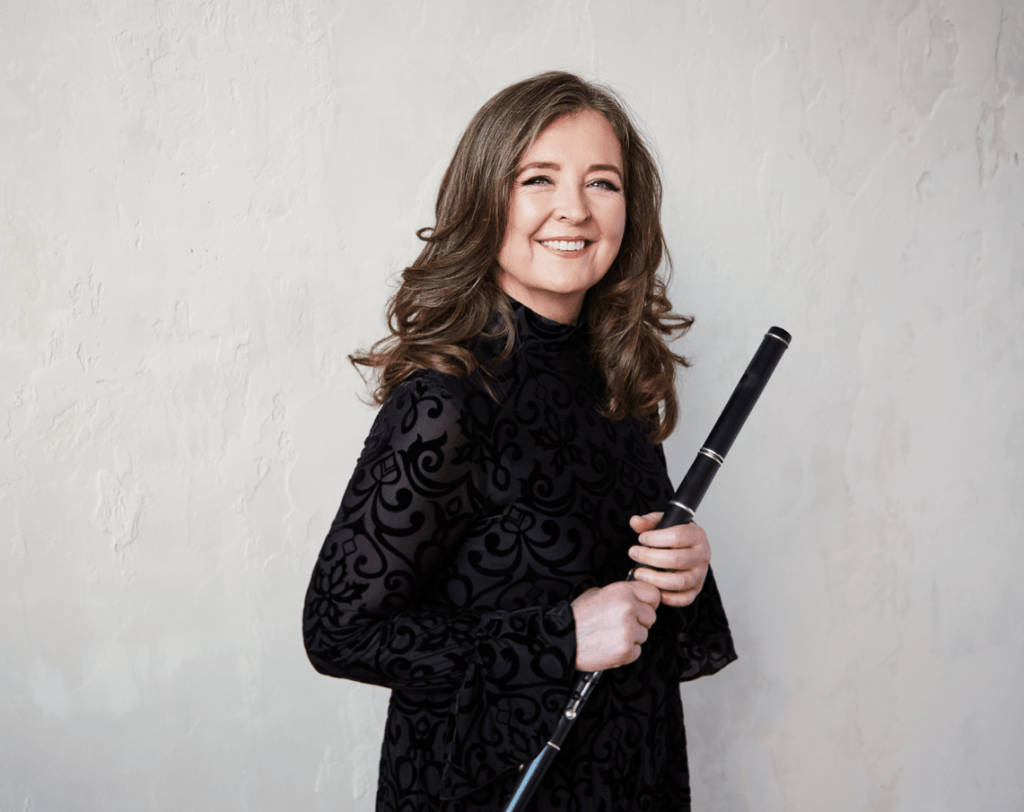
Many screenwriters, tired of the predictability of classic fairy tales, ask themselves: what if you switch the roles – make the dragon kind, and the princess the savior? Bailey Grey asked herself a question that seems simpler at first glance, but much more personal: what if Cinderella and Prince Charming had been best friends since childhood? She embodied the answer to this question in the song – “Unfortunately.”

The story of the single begins with a move. Returning to her hometown after long and defining years in the United Kingdom, she encountered the classic syndrome of a “stranger on familiar streets.” The place is the same, but old friends have moved away, anchors are lost, and the air is saturated with nostalgia and a slight anxiety. At this point – between “no longer” and “not yet” – “Unfortunately” was born. The song grew out of reflections on a long-standing friendship and a strange feeling: to be near – and infinitely far. The fairy-tale metaphor about Cinderella and the prince–childhood friend lay over these experiences like a transparent layer, allowing one to speak about the personal not directly.
Bailey Grey distances herself from glossy fairy-tale clichés, but in “Unfortunately” unexpectedly chooses sentimentality – and does not hide it. Musically, the track is assembled impeccably – a huge credit to Bailey and her producer Sam Cook-Stuntz. Over five years of working together at the Homespun Audio studio in Seattle, they learned to understand each other at the level of semitones. Everything rests on calibrated dynamics: a dense pop layer carefully pushes the vocal toward the climax. For lovers of details, Bailey prepared a luxurious “Easter egg.” In the chorus, the chime of a tower clock is woven into the dense pop arrangement. Exactly twelve strikes, leading the track into the final climax. Drummer TJ Watson also contributed to this dynamics – he was so energized by the material that in the studio he requalified from a session musician into an official member of Bailey’s solo project. “This is going to be the one we all sing together in stadiums…that’s how I see it in my head”, says Bailey.
The ending works most strongly: the anxiety returns, the vocal dims and loses its contours. The fairy tale ends, but the feeling remains – and the belief in it as well.