I thought about starting the conversation about the debut album “Joan of Snark” by Winston Liv with a story about Joan of Arc, but after listening to the release and learning more about its creator, I changed my mind. What Winston Liv said about their work conveys the album’s concept best: “Growing up is going from one extreme to the next regarding your thoughts and feelings. You begin to lose your faith in a lot of things all while wanting to hold on to it because it’s all you’ve ever known.”
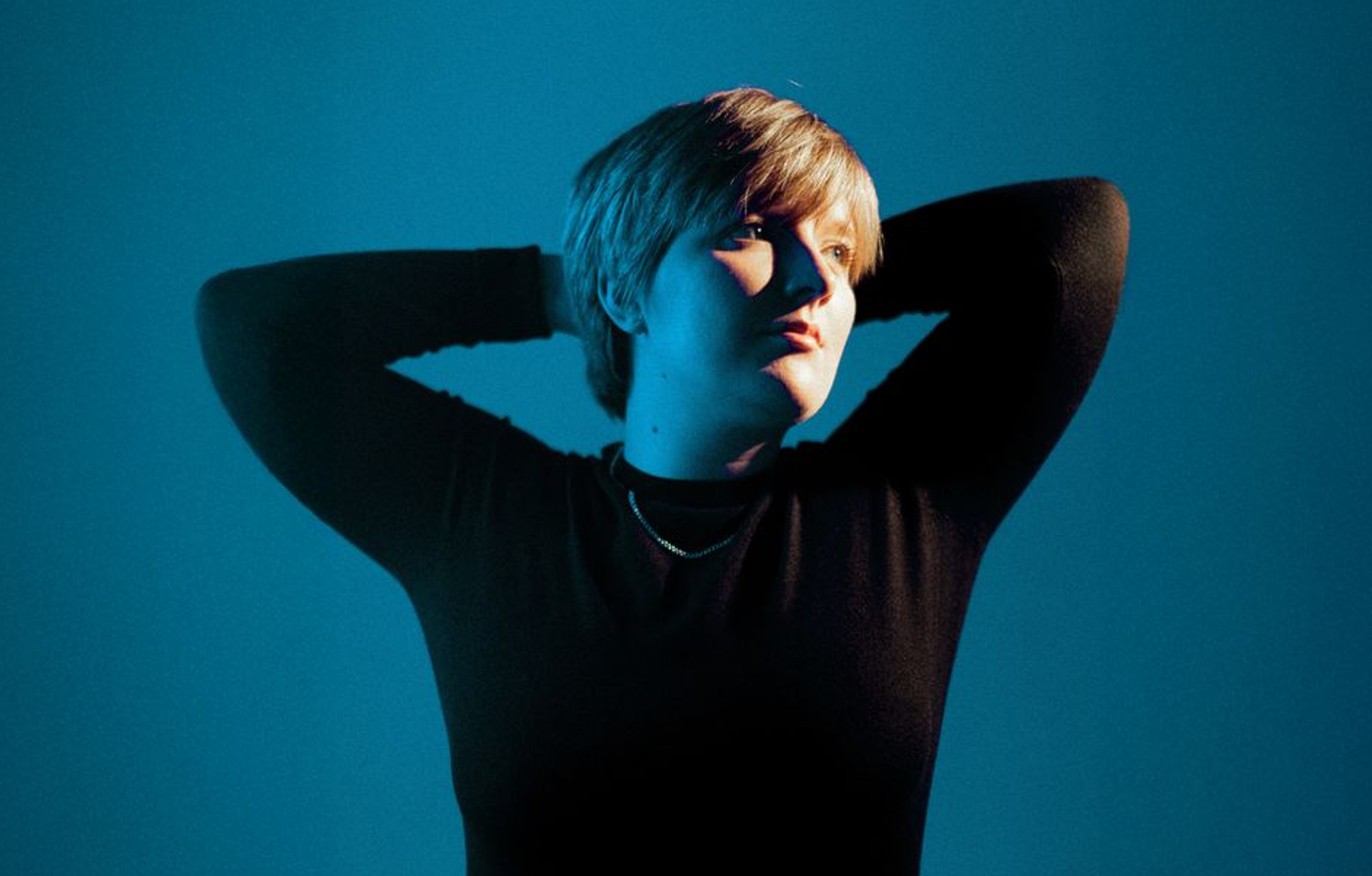
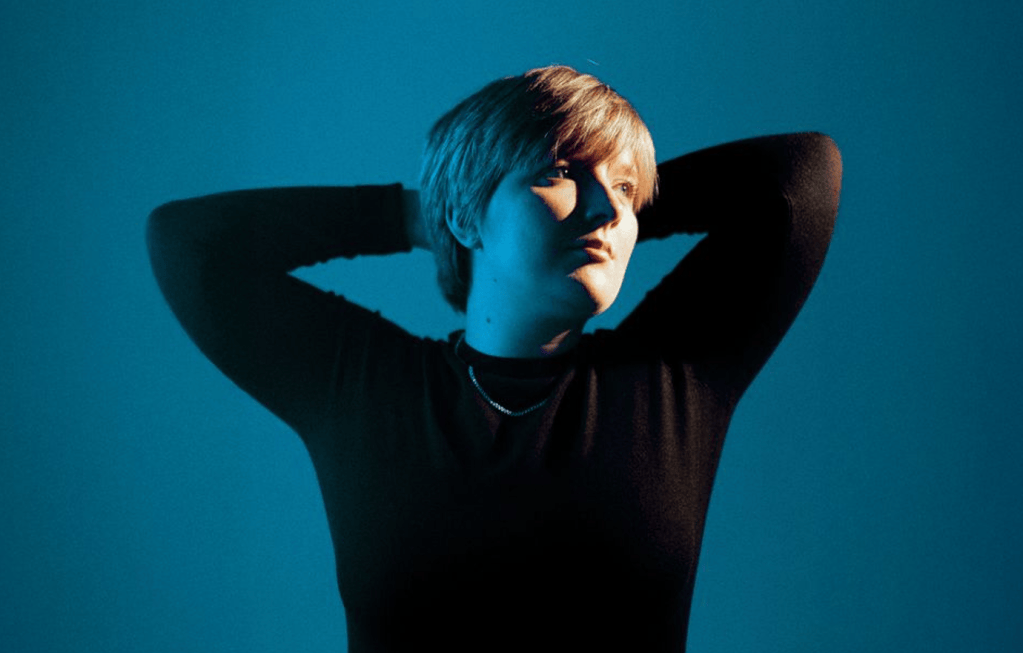
And perhaps this quote could have stood in place of a review. But I think it’s worth telling how this thought sounds when it is explored and unfolded in songs. Let’s begin with the title “Joan of Snark” – a witty, slightly ironic wordplay on the name Joan of Arc, setting the tone for the entire narrative: before us is a chronicle of small internal battles, where the shield is a ukulele and poetic reflection, and holiness gives way to a teenager’s sarcastic defense against the outside world. Winston Liv (they/them) were born and live in Nashville. At first they experimented with their voice, wrote their first poems in seventh grade, joined the school choir, and learned to play the ukulele, so the poems began to turn into songs. Many things on “Joan of Snark” were born still at a school desk. That’s why they wanted the debut to be about growing up. The folk here is contemplative, the pop is alternative, the melodies are light and playful. The result is a dreamy, slightly melancholic record about searching for independence, first love, and self-doubt.
There are twelve songs on the album, and I’ll talk about the ones that touched me most. I’ll start with the first – it immediately sets the accents. “Muse” is a bright, buoyant song about a first infatuation that never became mutual love, but found expression in drawings, poems, and music. Winston Liv immediately invite us to listen to the story of a feeling that had to find another outlet. At the heart of the song is a crush that began after transferring to a new school. Liv drew the object of their affection, wrote poems about them. An adult view of the story appears as an excess of energy that is looking for form. The song is light and even a bit playful. In it, one catches an attempt to smile at one’s former self. “Muse” shows how a personal experience becomes a creative impulse, and an unfulfilled romance becomes part of an artistic biography.
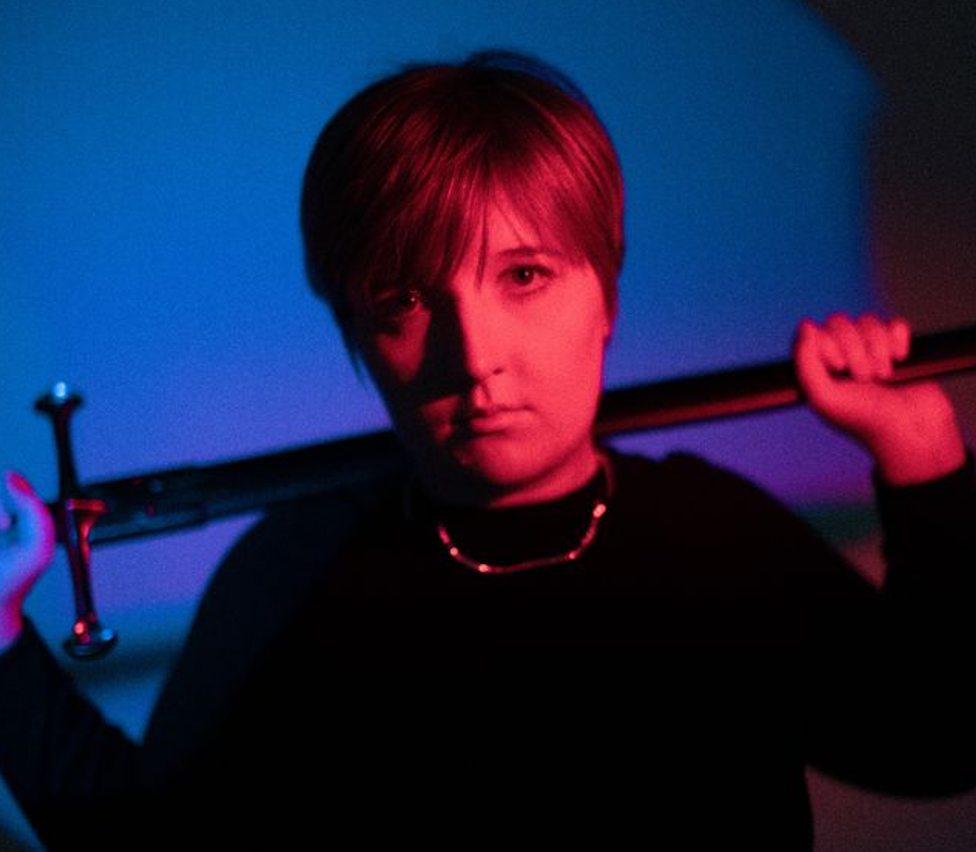
Next, everything becomes quieter, and I listened to “Origami Crane” holding my breath. Atmospheric indie-pop with an acoustic foundation, melancholic soul, and lo-fi roughness. What moves me most is the voice: Winston Liv’s vocals set the emotional temperature of the entire narrative. The image of the crane is chosen precisely – at least, that’s how I want to read this song: as a story about hope and healing. The song speaks of nostalgia, accepting one’s own vulnerability, and trying to piece broken feelings back together. Hope is born from small things – like a wish that is sent off as a paper crane to where you yourself cannot reach. Acoustic picking and lo-fi aesthetics sketch a conversation alone with oneself in a dim room, where every detail matters.
The theme of emotional dependence and the search for warmth continues in “Sugar Baby.” The song moves away from literal interpretations into a deep exploration of human attachment and the fear of loneliness. I have a particularly warm attitude toward this song because of the story connected with it. In their youth, Liv wanted to get into a closed songwriting course and sent their demo to the instructor – and got a spot. When I listen to “Sugar Baby,” I want to think of it as a pass: not every author manages to prove with their lyrics that they belong in the classroom. A bold leap the album makes on the track “Werewolf.” Here the meaning is much more serious. The song uses the image of a werewolf as a metaphor for gender identity and the transformation of one’s own body. “I wanted to write a reassuring anthem that I and others could sing along to whenever we’re viewed as someone we’re not” – Liv explains. It is precisely here that I understood that the quote from the introduction works literally: a person feeling unique and worthless, in this song finds a way not to choose between two roles.
Closer to the finale, the record drifts into a state of sweet nostalgia with the track “Time Machine.” A spacious, airy arrangement leaves room for one’s own memories. The lyrics explore the desire to go back to fix something or relive a happy moment once more, coming to an acceptance of the inevitability of moving forward. Listening to this is sad, but in a good way, like a farewell after which it becomes a little easier. The album concludes with “Rock Is Dead.” The song reflects on changing eras, fading ideals, growing up, and shifts in musical culture. I like that the album ends exactly like this: having begun with a teenage infatuation, it arrives at a conversation about time and change. A person grows up, and the world around them does too.
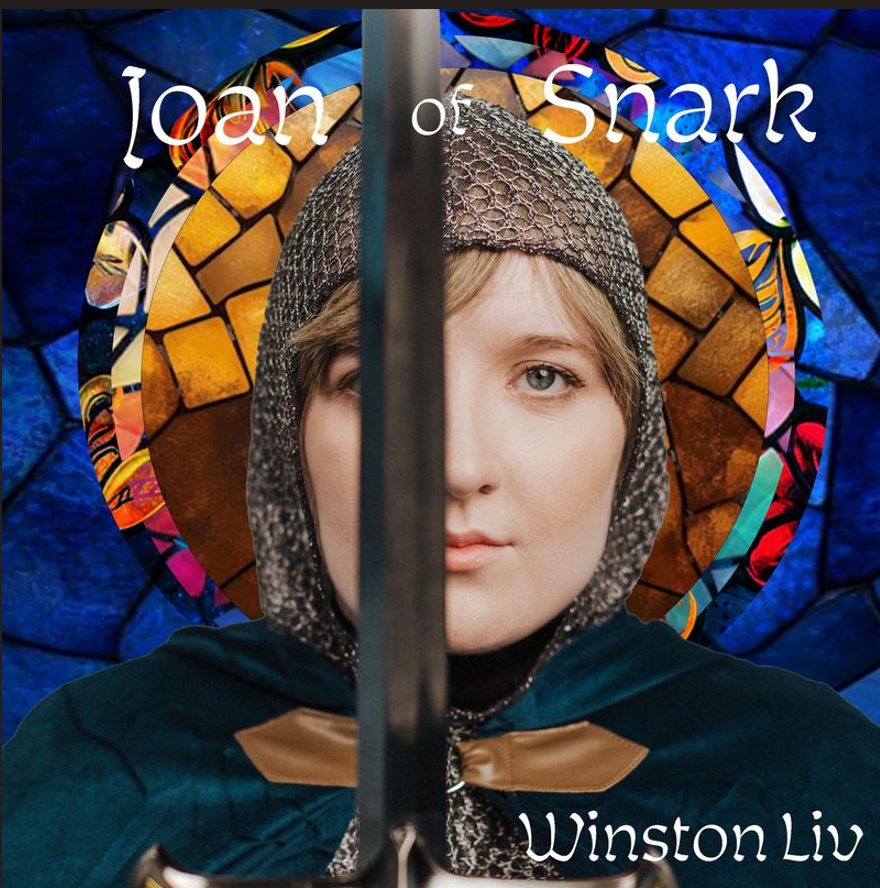
I think “Joan of Snark” is the debut of someone who has not yet finished their conversation with themselves and is therefore able to speak especially convincingly. Winston Liv construct their own artistic image from soft, dreamy, and at times melancholic music. Winston Liv’s coming of age happens among sketches of poems, random melodies, and thoughts that, I am sure, will eventually assemble into a final system. Perhaps this is the main meaning of “Joan of Snark.” And I want to believe that Winston Liv will continue to write, sing, and assemble their own form from fragile details. Even if it still resembles a paper crane, it is already movement.