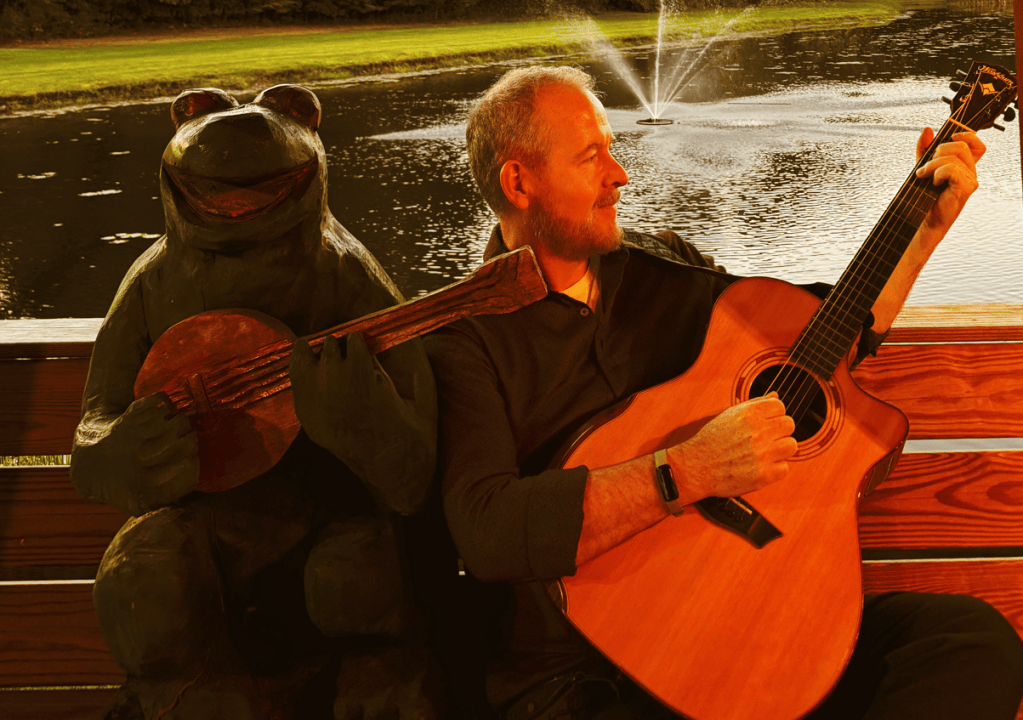
Time is the most elegant and merciless thief: it leaves no traces at the scene of the crime, except for wrinkles around the eyes and a slight sadness in the voice. In his seventh full-length album, “Marauder (That Was Once Joy)”, New York-based singer-songwriter Brian Halloran transforms the passage of time into the image of a Marauder – a predator that steals youthful delight, but leaves wisdom and a precise sense of melody in return. The release is scheduled for October 23, 2026, but I think the conversation about it should begin in advance.
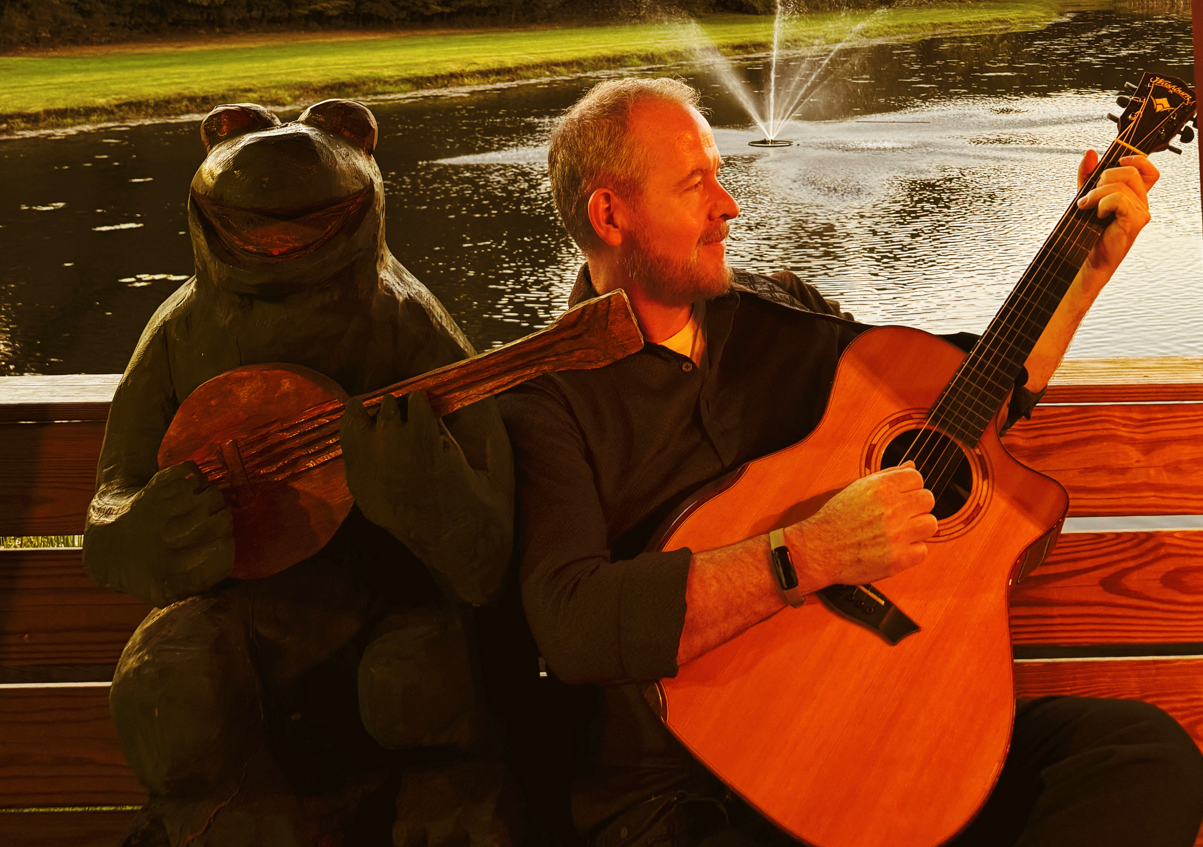
Three decades on the New York scene – six albums, an EP, a single. An experience many would envy. And an experience that is accurately reflected in the title: once, time was joy. Now it has become a Marauder. It steals moments, opportunities, people. So what’s under the cover of this record? Carefully recorded compositions in which every detail serves the overall sound: dense lows, clear vocals, and calibrated space. Halloran produced the album himself, with mixing handled by Ricky Watts. He was helped by longtime colleagues from the New York scene: Rodney Flood, Zack Zaro, Nicholas Trautmann, and TJ Viola, as well as vocalists Kacie Sky, Steph Hurley, and Natalie Colton. Together they created a sonic space where interpersonal conflicts, regrets, and longing intertwine with the wisdom of someone who knows well the price of time.
“The Feeling” opens the album as a declaration of intent. Heavy guitar layers build gradually, but Halloran’s voice immediately takes center stage – confident and strong, the voice of someone who wants to feel, to know that the fire hasn’t gone out yet. The sound is polished: the frequency balance preserves both the depth of the lows and the airiness of the highs. In the finale, a powerful guitar solo soars upward, as if trying to catch the slipping time. Behind it remain dreamy piano splashes that gently bring you back to reality. The dense emotional intensity smoothly transitions into the acoustic pulsation of the single – “Kind”. The song sets the album’s philosophical vector, exploring the courage to be kind in a world poisoned by isolation and uncertainty. The acoustic guitar here works as a second full-fledged voice, entering into an elegant dialogue with Halloran, while the backing vocal lines add a warm, friendly atmosphere.

In “Contrition”, the narrative gently turns toward the drama of internal compromises, recorded jointly with Jes Hudak. The guitar riff twists into a knot of mounting tension, while Nicholas Trautmann’s bass demonstrates a distinct, textured quality. The keyboards place shimmering accents, and the vocals of Halloran and Hudak sound like a conversation after a fight – the words have already been said, but true reconciliation is still far off. Next comes “Radio”, written by acclaimed songwriter Grey Revell. At the heart of this touching song are guitars, soft drums, and light electronics. Halloran’s charismatic voice makes the song intimate and tender. It’s the kind of track you want to listen to late in the evening by the fireplace, thinking about nothing.
The peak of the first half of the album is “Fool in October”. The song is impeccable in its dramaturgy: string picking and keyboard passages slowly build, expanding the harmonic palette through a rich chord progression. Halloran’s voice displays an impressive range, easily rising into the upper register. But the main strength of the track is contrast: behind the external expressiveness and intensity lies emo-melancholy. This contrast between strength and fragility especially grips me. From the climax, we move into memories together with “I Need”. The sound is nostalgic, reverb stretches the space to infinity, and electronic elements add a modern touch so that the past doesn’t feel like a museum exhibit. It’s noticeable that Halloran experiments with form here, but still remains true to his melodic nature.
From the semi-transparent haze, we emerge into a fateful aesthetic in “Red” – the track insistently begs for a repeat. A dense bass line, “floating” guitar textures, and a confident, walking drum rhythm form the foundation of a classic rock ballad. Halloran’s voice sounds here with special depth and sincerity. With “The Whole World”, the album grows noticeably darker: the drums hit harder, the guitars ring, and synthesizers and vocals build tension. The only song described here where time-the-marauder shows its teeth without any diplomacy. The album concludes with the philosophical “What Falls, What Stays”. A light guitar picking, a splash of keyboards, Halloran’s voice with a noble, barely noticeable rasp, and spatial effects lead to an emotional resolution. What falls, and what remains with us, when the Marauder-time completes its raid?
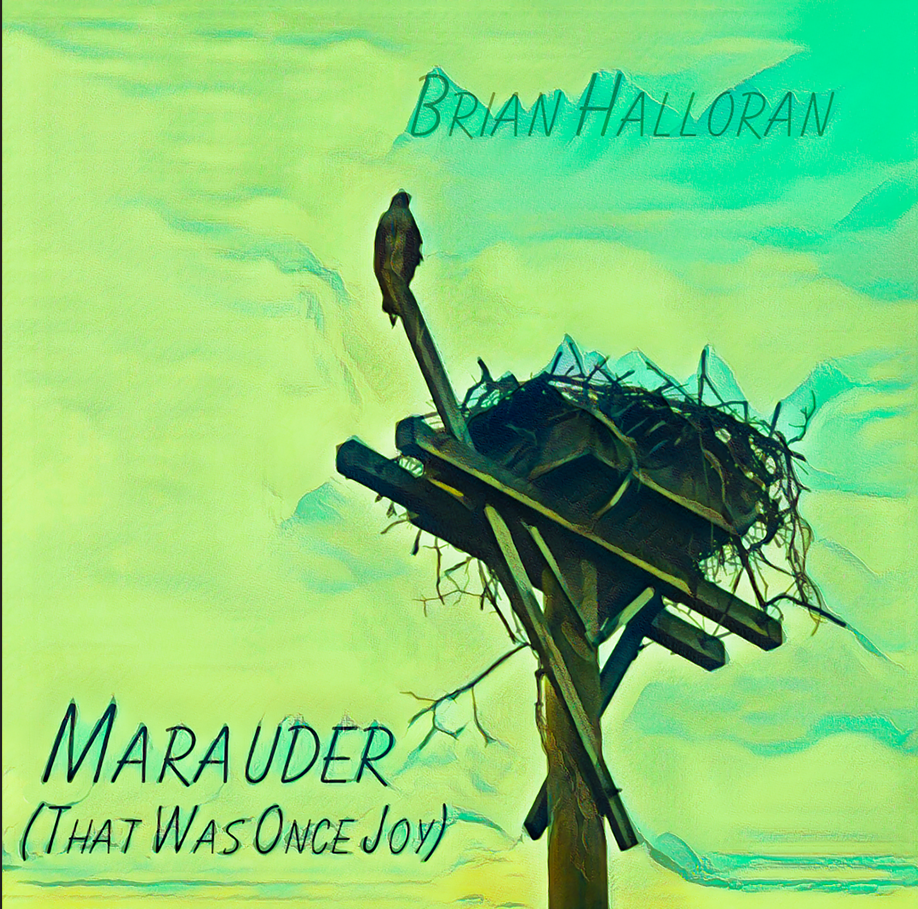
“Marauder (That Was Once Joy)” is a solidly assembled album. Brian Halloran and his numerous collaborators have recorded a monolith – sturdy, weighty, polished. And even if time takes away carefree joy, it leaves authenticity in return.
Published in partnership with SubmitHub