Jah Decko knows how to change the game. For fourteen years, he was a professional footballer before making an unexpected pass into roots reggae, founding his own label, Dredda Records, and creating music where his Surinamese roots meet European life. His new album, Love Who Loves You Back, released on October 5, marks a new chapter for the artist: for the first time, English has taken centre stage in his work. We spoke with Jah Decko about his journey from the football pitch to the studio, the power of Sranan Tongo, the importance of live instrumentation, and the hope of finding that special someone – the very theme behind his lead single, “Sen Her Come.”

Hey Jah, it’s a pleasure to meet you, and thank you for taking the time to talk to us. There is quite an unusual turn in your story: professional football, and then founding your own label, Dredda Records, music, and roots reggae. Usually, people move from one team to another, but it seems you changed the whole league. How did this journey begin, and how would you introduce yourself to someone who has never heard any of your songs?
I had always been listening to different kinds of music, so when I started making music myself at a young age, around 23 or 24, together with friends, people I knew and family, I naturally started thinking about taking it further. That is how the idea of starting my own record label came about.
If I had to introduce myself to someone who has never heard my music, I would say that I am someone with my own style and, above all, a true lover of roots reggae. I love making roots reggae and expressing it in our own way. My music is always socially conscious and can be critical about things happening in society, but at the same time I always try to keep the message positive. That balance is an important part of who I am as Jah Decko.
Fourteen years of professional football is a serious amount of time. Many athletes move into business or commentary. You chose reggae – not the most “safe” option. Weren’t you afraid?
After my football career, I had a few years to think about what I really wanted to do next. I knew that choosing reggae was not necessarily the safest option, especially in the Netherlands. There are very few reggae artists here who can make a full-time living from roots reggae alone.
But for me, that was never a reason not to make the music. Roots reggae is something I genuinely love, so I chose to continue doing it while also building a life outside of music. Alongside my career as a reggae artist, I also run my own small business. That gives me the freedom to keep making the music I believe in without having to change it just because I need it to be my only source of income.
You were born in Suriname and now live in the Netherlands. That makes for an interesting combination of cultures and musical influences. What do you always bring with you from Suriname into the studio?
What I carry with me from Suriname is an awareness of both paradise and hardship. Suriname can be incredibly beautiful, but I also know that when life turns against you, things can become very difficult. That taught me that you have to keep pushing, make the effort and create your own opportunities. Even when circumstances are hard, you have to believe that there is a way forward. So what I bring from Suriname into the studio is that search for justice, for a better life, and for a way out of hardship. That awareness has always stayed with me, and naturally it finds its way into my music.
In 2003, the Dreddayouthz project emerged, combining roots reggae with lyrics in Sranan Tongo, which holds a special place in Surinamese culture. How important is it for you to preserve this language in your music today, when your audience is becoming increasingly international?
There is a large Surinamese community in the Netherlands, so for me it will always be important to have some Sranan Tongo songs in my repertoire. Especially for people in the audience who understand the language, there is an immediate connection. They can identify with those songs in a different way than they might with the English tracks.
That is why Sranan Tongo will always have a place in my live shows in the Netherlands, particularly in the bigger cities where there are larger Surinamese communities.
At the same time, I understand that my audience is becoming more international. When I perform abroad, I simply adapt my repertoire to the audience. I don’t see it as having to choose between Sranan Tongo and English. Both are part of who I am as an artist; it is just about knowing what connects best with the people in front of you.
Rastafari plays an important role in your life and creative work. How does it influence your lyrics and worldview without turning your music into a direct declaration of beliefs?
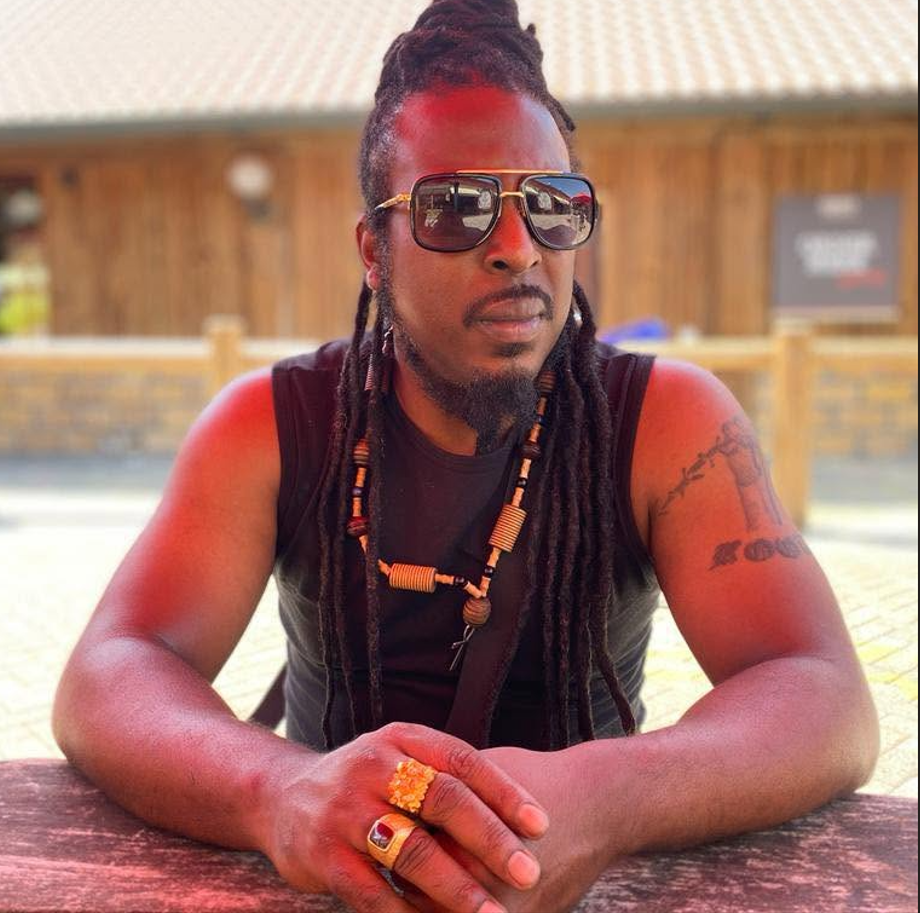
For me, Rastafari is about peace, love and doing good. Those values naturally come through in my music – love, unity, brotherhood and trying to bring something positive to people.
I don’t consciously sit down and think that I need to put Rastafari into a song. It comes naturally because it is part of the way I think and the way I try to live my life. At the same time, I would never use my music to tell somebody, “You have to be Rasta,” or try to force my beliefs on anyone. That is not what it is about for me. You will simply hear the Rasta in me through the music, the message and the way I express myself. That’s it.
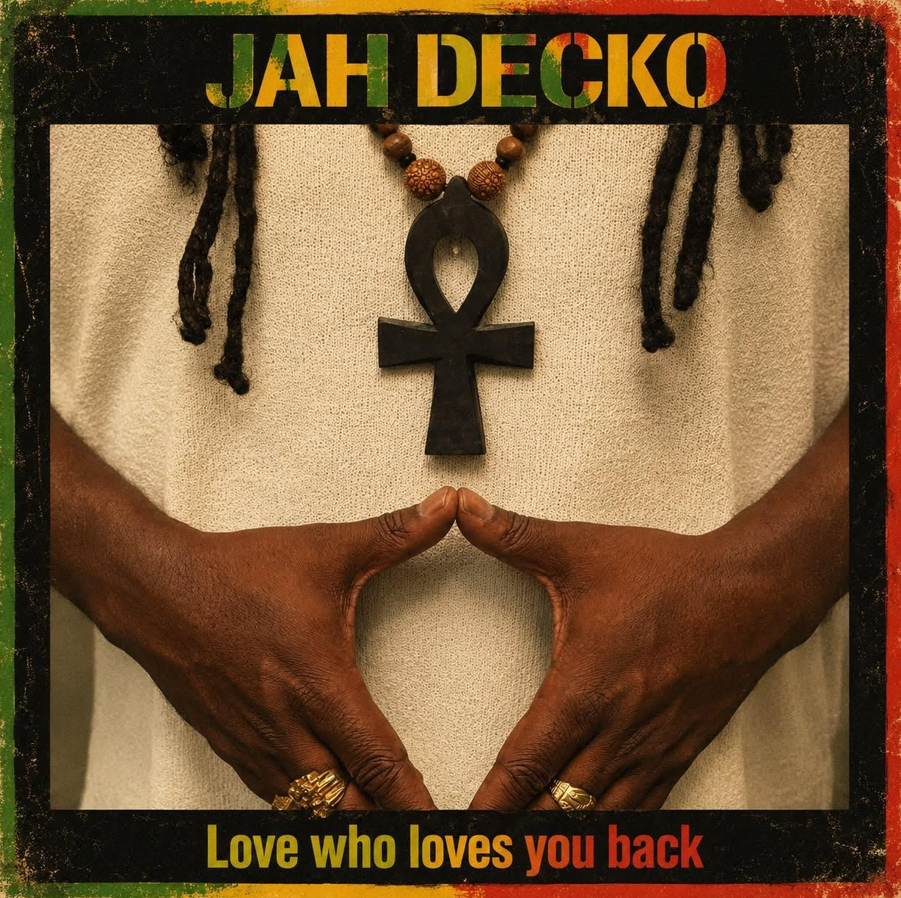
Let’s move on to the main event – on October 5, the album “Love Who Loves You Back” is coming out. At its core are love, unity, gratitude, and consciousness. It sounds like a good piece of life advice. Did these themes emerge naturally during the creative process, or was there a common conceptual plan from the beginning?
It really developed during the process. I didn’t start recording the album with a complete concept already in my head. I just started making music and recording tracks.
After we had recorded a few songs, I began to see what direction the album was taking. That was the point where I started thinking, “Okay, we still need a track with this kind of feeling, or we need something like that to complete the album.” So the concept wasn’t there from the beginning. It grew naturally from the first group of songs. Once I heard what we already had, I could feel what was still missing and what the album needed to become complete.
What has changed in Jah Decko between your previous releases and “Love Who Loves You Back”? What do you yourself hear as the main difference in the new material?
The biggest difference is definitely the language. In the past, my music was mainly in Sranan Tongo. I had recorded some English tracks before, including collaborations with artists like Turbulence and Joggo, but English was never really my main thing.
With Love Who Loves You Back, that changed. This is the first time English has really become the main language of a complete project for me. So that alone makes this album very different from everything I have done before.
It also challenged me to approach the music differently, especially in the way I write and use my flow. For me, that makes this album a new chapter in my development as Jah Decko.
You put an emphasis on live musicianship and the traditions of roots reggae. Is this a fundamental position for you, or is this simply the way you feel most comfortable working?
For me, roots reggae should always be played with live instruments. Electronic production can sound good and there is definitely a place for it, but to me it quickly gives the music a more commercial feeling.
The real feel of roots reggae – the real frequency – comes from live instruments. It is the interaction between the musicians, the bass, the drums, the guitar, the keys and the small imperfections that make the music breathe. That is where I feel the true spirit of roots reggae.
The album’s lead single is “Sen Her Come”. The title is intriguing. Is it an invitation, a feeling of anticipation, or perhaps a little irony about the way we all wait for someone? What is the song about, and is there a story behind its creation?
“Sen Her Come” is simply a song about someone hoping that the right woman will come into his life. That is really the heart of the song.
It is about that feeling of waiting and hoping that the right person will cross your path. I took that feeling and wrote a song around it. I think it is something many people can relate to – wanting to find that person who is truly right for you.
You have more than two decades of experience behind you. What still makes you wake up and think, “Today I want to write a new song”? After 20 years in music, curiosity alone can’t be enough anymore.
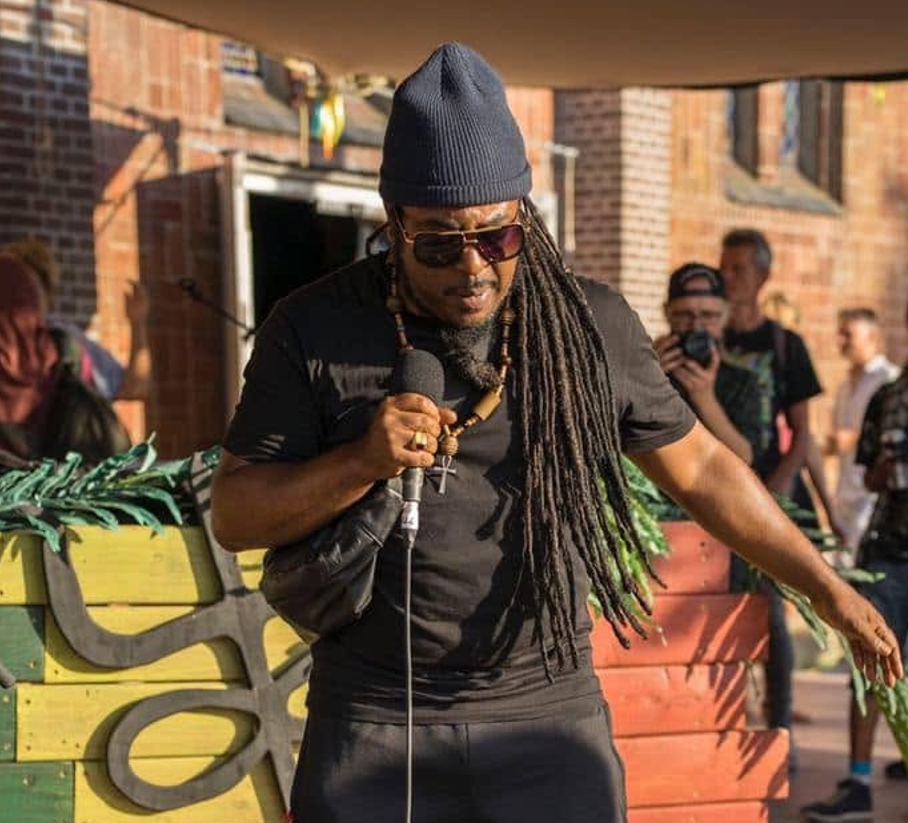
Music is timeless. Every new inspiration you get from a riddim, a new bassline you create, or just a new feeling in the studio can immediately inspire you to make something new.
That is the beauty of music for me. There is always another sound, another idea or another feeling that can trigger something creatively. I don’t think that ever really stops. After all these years, music can still give me that same feeling of wanting to create something new. That is timeless.