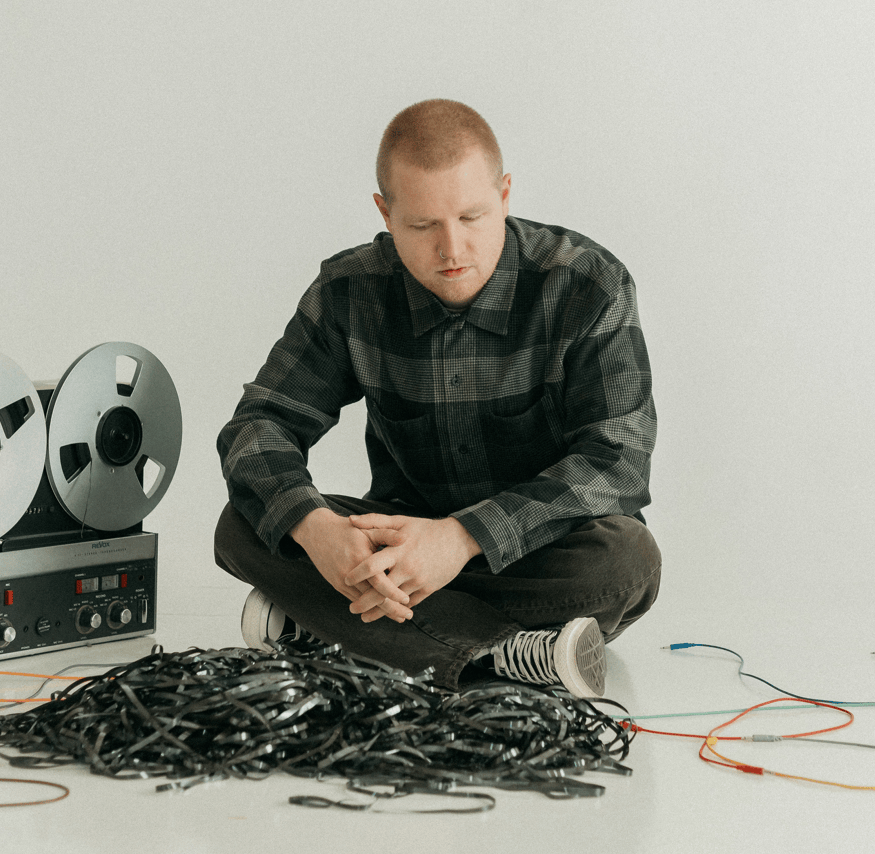
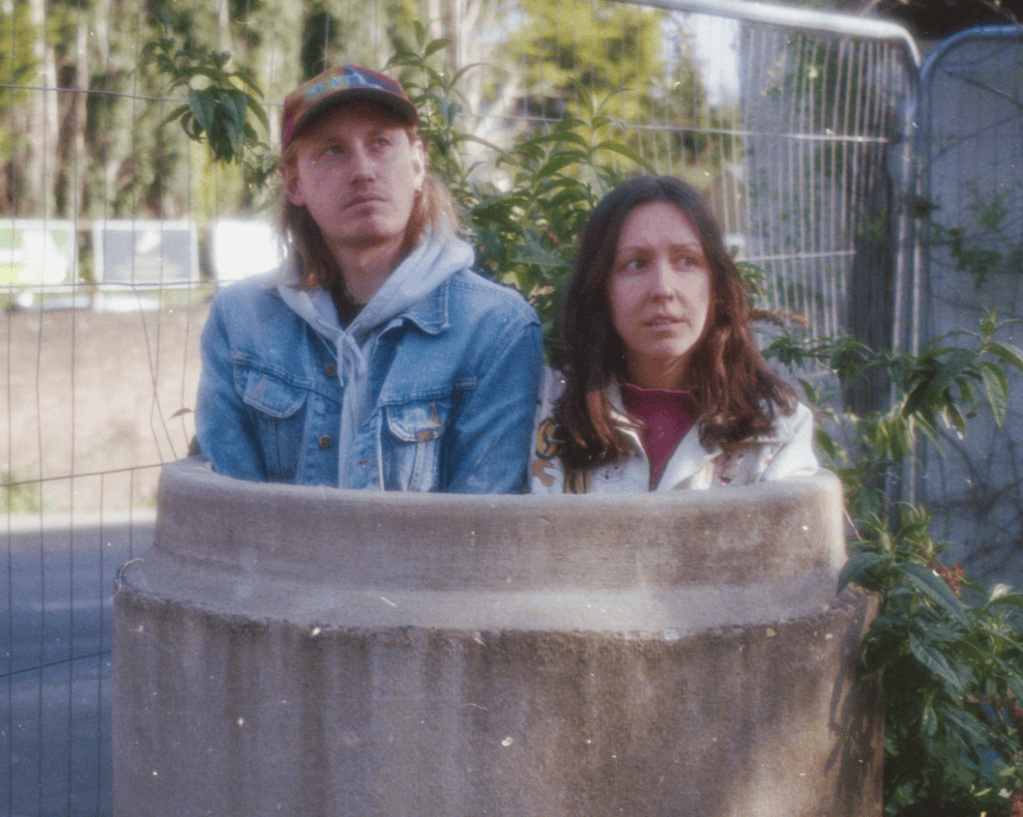
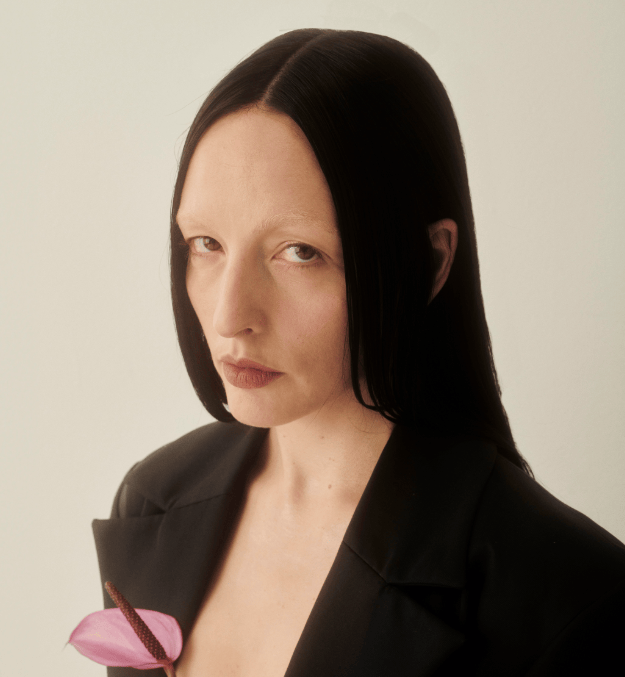
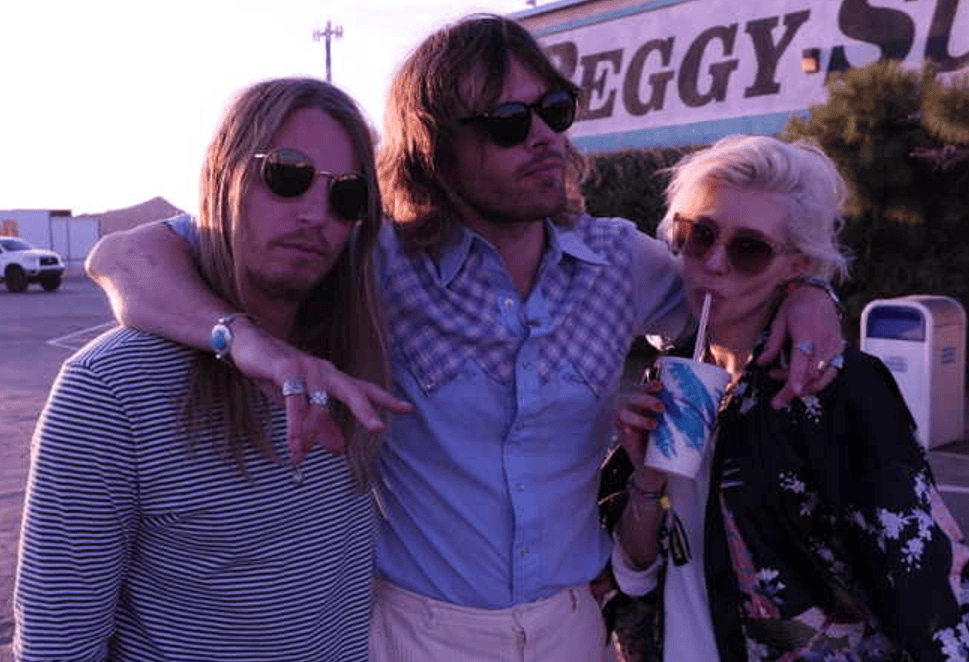
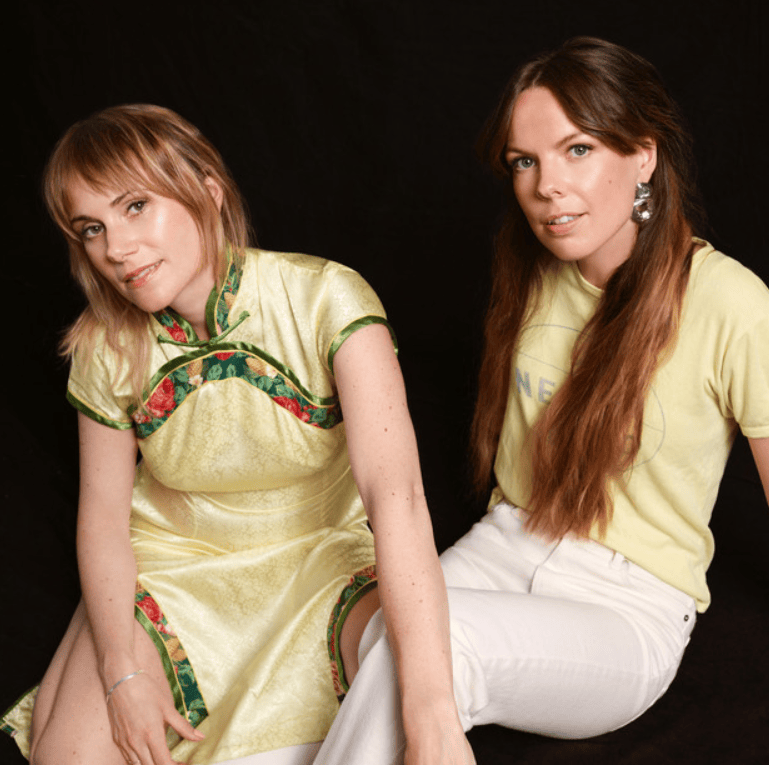
Life after thirty rarely resembles a film with a happy ending – more often, it is a series of awkward dates, coffee on the run, and endless attempts to work out where the old illusions went. Natalie Holmes and Christian Pinchbeck of Girlhood have recorded ten songs for this period. Their new album, “This Will Make Sense In The End,” released on 5 November through OK!Good Records, sounds like a long late-night conversation in the kitchen, when it is late autumn outside the window and there is a strange mixture of emptiness and readiness for change in one’s soul. The title promises that everything will make sense later, and you listen to the album with the same feeling: at the beginning, it is not entirely clear, but somehow it feels good. For several years, Girlhood recorded music at a distance, in parts, with guest vocalists.
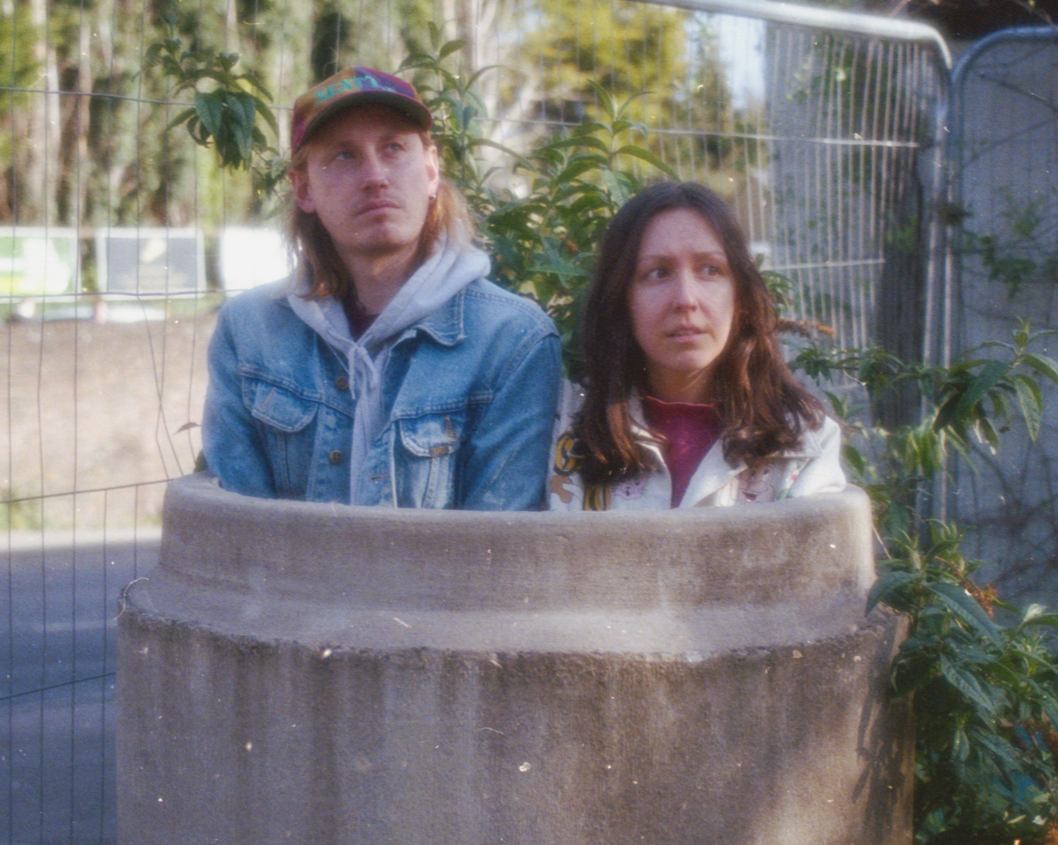
The long exchange of files and remote sessions finally came to an end: Natalie Holmes and Christian Pinchbeck found themselves in the same room. And in the music, that primal, living chemistry immediately came back to life – the kind that seemed impossible to recover. The result is genuine indie pop with the soul of soul music and the nerve of a big city – cosy, yet piercingly honest. Now they sound like a band again: the songs have acquired a shared breath. The recording is filled with the feeling of the morning streets in the town of Stroud. Raindrops hit the windows of coffee shops and the air smells like bread and the coming of something new. Now that Natalie has passed her forty years she sees love and dating in a different way. The pretty pictures she used to have are gone. Instead there is a grown-up tough reality. In this place the strong wish, for emotions is mixed with trying to protect her own space and limits.
This album is a winding road: at first, there is more light in it, then it gradually darkens. The second half is less polished, more reflective – Girlhood do not hide behind beautiful melodies the fact that it can sometimes be very hard for a person to remain whole. Food serves here as a subtle metaphor for feelings: through lemonade, breakfasts and picnics, the album tells the story of adult love – with all its compromises, expectations and fragile attempts to remain oneself beside a loved one.
It all begins with “It Could Be Worse”: an elegantly theatrical song that slightly recalls cabaret indie pop, with abrupt shifts in tempo. The heroine seems to have accidentally found herself in someone else’s play, where she has been assigned the role of an amusing doll, but instead of playing along, she tears down the scenery with a smile. It is a track about unequal relationships and emotional exhaustion, about the moment when you realise that being convenient is not a role worth playing to the end. In “Lemon Aid”, sunlight and anxiety dance together. Soft British charm, a languid groove and a deceptively light melody skilfully conceal chronic exhaustion. Lemonade is not a refreshing drink at all, but a bitter metaphor: how to squeeze at least a drop of sweetness out of sour, exhausting circumstances and keep going.
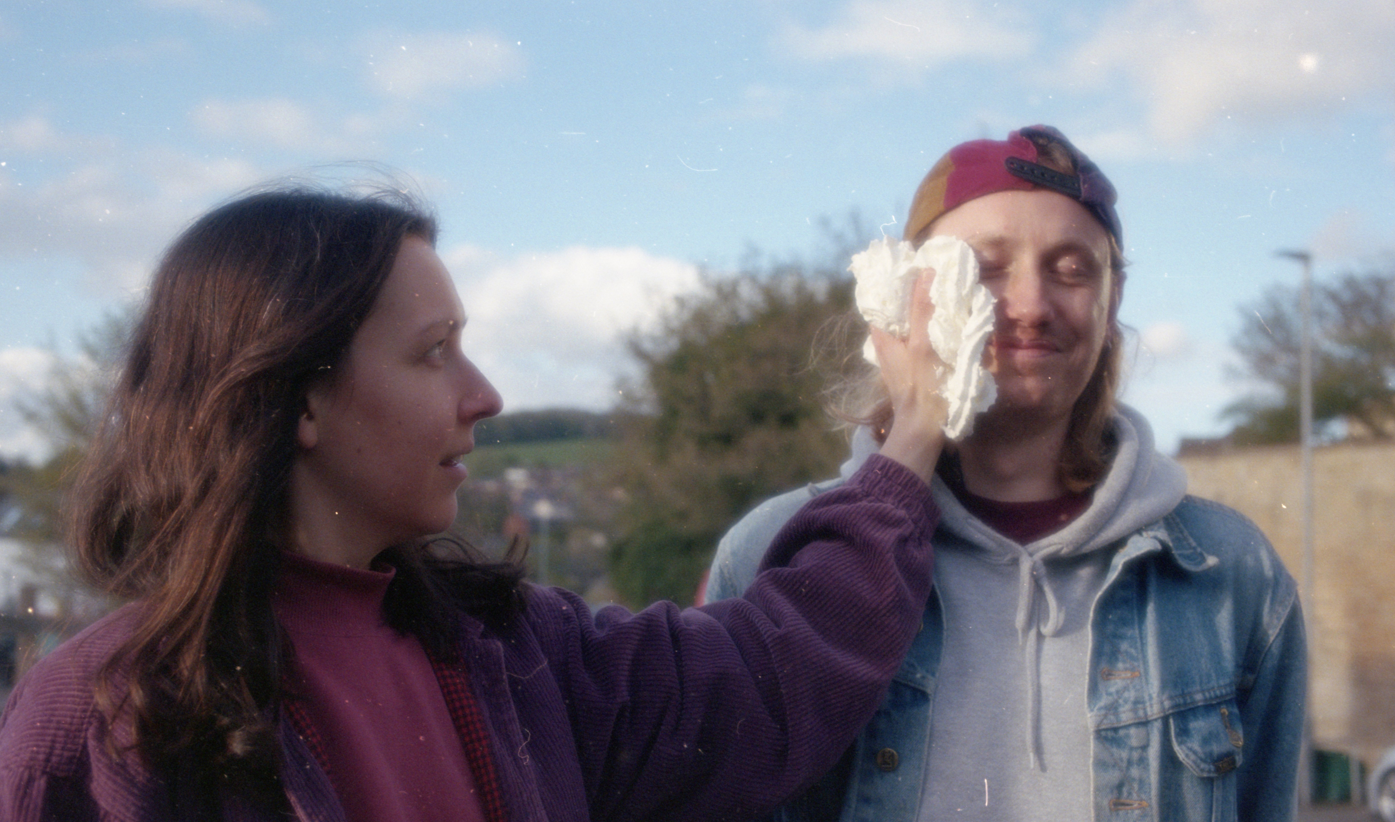
The ability to turn personal difficulties into amusing observations works especially well in “Picnic”. Behind the carefree summer melody, with its soft piano and saxophone solo, lies an ironic portrait of dating after thirty. Holmes transforms the dilemma of choosing between dates and friendship into an elegant food metaphor – it feels so true to life, as if you had overheard a conversation between friends over a cup of coffee. “Cracked” brings the search to boiling point: this is the most feverish spark on the album. Springy beats and danceable lightness give rise to a dazzling infatuation, when the ground disappears from beneath your feet and you forget about sleep and food. The title speaks for itself: love breaks through armour, splits the world into “before” and “after”, but it is precisely through the crack that light finally breaks into the room. The second half of the album deepens its colours.
“Silver Lining” has more soul and R&B, a little less sunshine. The voice is more vulnerable, more surrendered. It is a grey, rainy day, when there is less and less strength to hold on, while hope still stubbornly feels its way somewhere at the bottom of a pocket. I find the track “Island To Island” particularly successful on the album. It wraps itself in warm soul samples and an unhurried rhythm. Beneath Natalie’s calm, slightly melancholy vocal, it tells of an invisible distance, when the desire to be together is still alive, but there is no longer enough of a shared language – an honest conversation about love without embellishment and its awkward sides in relationships. The quiet, melancholic “Born Hungry” is the emotional centre of the release. An airy, intricately assembled arrangement, the free flow of the vocal, a sense of stream of consciousness. “Born hungry” here is not about appetite, but about a thirst for more: meaning, love, an understanding of oneself. It is a song about an eternal search – about the state of a person who was born with a thirst for meaning and answers, and is now trying to understand why their road took exactly this turn. And then all the roads converge in the finale, “Wouldn’t Change a Thing”: it brings a warm, ringing weariness. There is a minimum of outward glitter here and a maximum of naked truth. The dense voices of Natalie and Christian articulate a hard-won acceptance: yes, it hurt and it was frightening, but to erase this experience would be to betray oneself.
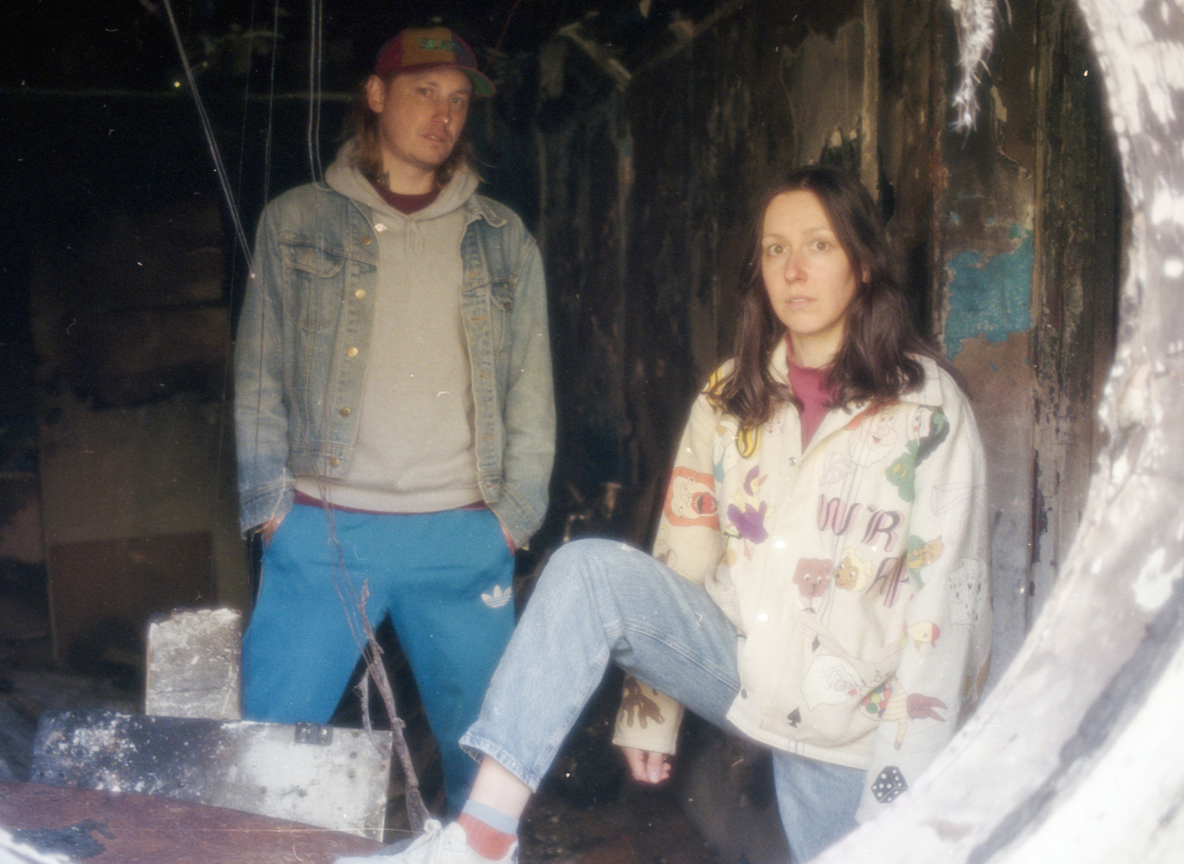
Personally, I find “This Will Make Sense In The End” interesting above all because Girlhood do not divide life into pleasant and unpleasant experiences. Here, infatuation coexists with emotional exhaustion, self-irony with vulnerability, and the desire for change with a perfectly understandable fear of it. At the same time, the music remains light, lively and melodic. Without offering ready-made answers, Girlhood beautifully hold on to the state between exhaustion and hope. And sometimes that is enough: to put on the album, pour a coffee, and allow yourself not to fully understand what happens next.