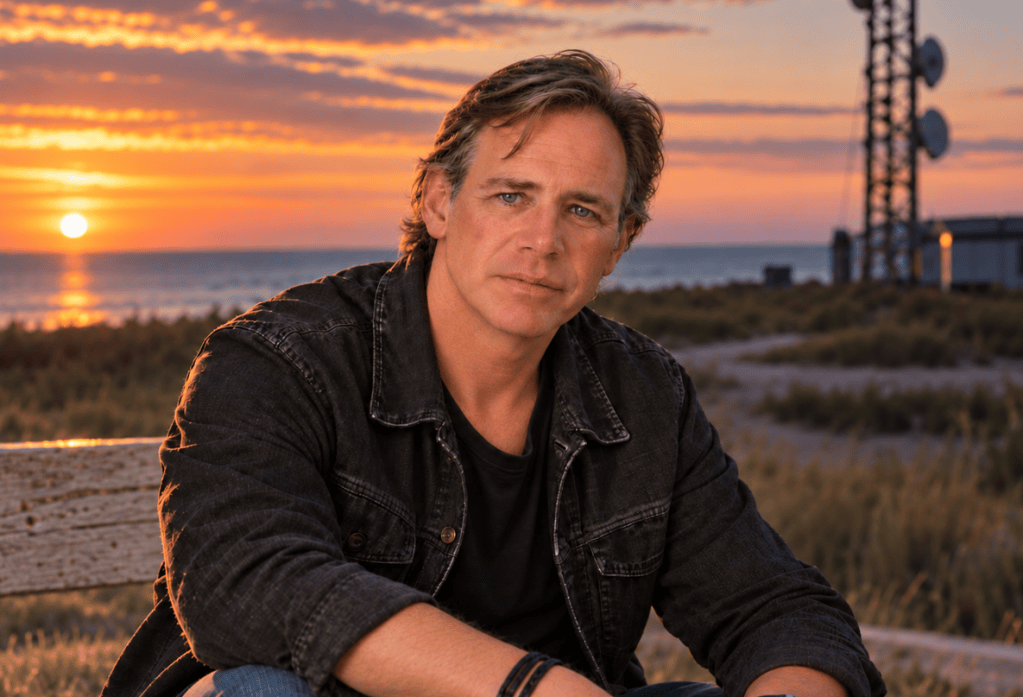
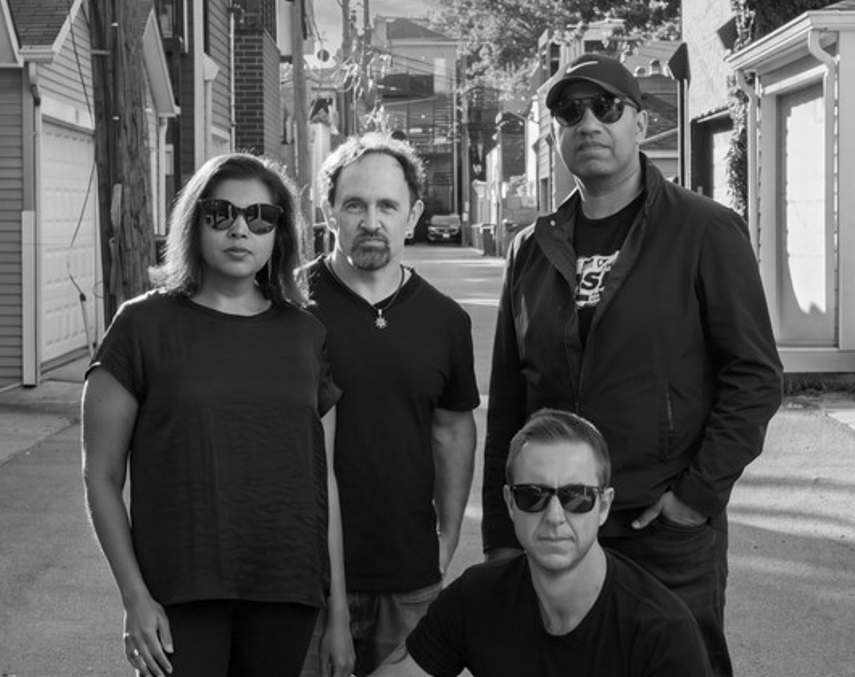
They say at thirteen the world cracks at the seams in a rather loud way. For the first time you’re shown the door (out of class, out of the group, out of your normal life) and you’re a guest at someone else’s party where everyone else knows the rules and you don’t. Thirteen is a number with a bad reputation in some circles (superstition), in others it’s just the number after twelve. For Finnegan Seeker Bell and his project Love Ghost it’s a number which represents a threshold where the youthful scars don’t just go away, they become songs.

The “tirteen” album came out on Friday the 13th and I think that’s no coincidence. It’s acoustic grunge from the American midwest – a diary with some pages ripped out and then re-glued in. There are thirteen tracks on it and I’ll tell you about a few of them. Start with a church, even if it’s the most odd kind of church. “Church for a Vampire” kicks off with a completely wordless vocalisation, as if someone were humming under the vaults of an empty church. The guitars come in then, with a very anxious, dripping quality to them. The song gradually thickens, a Latin inflexion starts to seep in and you really want to sing the chorus. Bell is singing all over the place, at times barely a whisper, at other times breaking off completely. It’s not so much that he is singing about pain as that he is singing about remembering pain. The man is looking for holiness in the most unorthodox of places, in people with broken hands and damned souls.
From the church it’s just one step into the thicket and “Into the Woods” takes you precisely there. It’s the kind of song that sounds like a fairy tale being told in a lazy voice: very cosy on the outside, quite unsettling on the inside. The guitars are so overgrown you could easily lose your way. The woods are a metaphor for growing up, the moment you stop believing the world is that simple. Bell sings softly and very quietly so the lyrics come across as a confession and it’s really best heard at night through headphones. Of the album’s successes I’d have to single out “Can’t Run Forever” which is a rather moving song in its own way about the moment when you’ve run out of places to run from and the sun behind the blinds is just like an interrogator. That’s the band moving away from the heavy grunge into more melodic alternative rock. The acoustic guitar is quite murky, the chorus is very catchy and the sense of calm on the surface only serves to heighten the underlying anxiety. In my view it’s one of the most straightforward songs on the record in that the melody is absolutely there and you can’t forget it, what it says about you lingers a bit longer.

“Something in the Water” is the quietest of the tracks and the heaviest. It’s about the pain that seems to just seep through the generations in a small town, through the addictions, the depression, the violence. It’s as if the pain is just in the air. The arrangement is very unhurried, with watery samples and shimmering guitars. There’s a strong current underneath the surface and the vocal is weary and quite soft, the voice of someone who’s had it all inside them for too long. After all that, contrast is in order and “Blood & Roses” provides it. The title says it all really, beauty and a wound. It’s the story of a love that shines a light in the most desolate of places. Anxious plucking gives way to a hum, a distorted warmth and you can quite easily hear the ghost of the early Smashing Pumpkins in there. Melancholy, noise and a melody that just doesn’t come to you immediately. The whole thing is anchored by the vocal line which carries the title, Bell seemingly trying to keep his voice together as it all falls apart.
“Pointless” kicks off in a very visceral way, like a morning when you just can’t get out of bed, and the guitars then explode into life and the chorus really takes off. The real enemy here isn’t the world outside, it’s your own fears, your own depression and the expectations of other people. It’s the classic grunge drama of course: quiet doubt, then explosive resistance. There’s a real amount of bitterness in the song but there’s no despair at all. The desire to get out of there is very much alive. The vocal goes from a very melancholy place to a very defiant one and that defiance carries through to the end. Even the line about “every hero must fight alone” is bitter, it doesn’t in any way take that hope away. The tracklist concludes with “Filthy Hands”. The arrangement is as stripped back as you can get, minimal, lots of space, the silence between the words is no worse than walls of guitars. It’s a song about shame and the wounds you can get from the actions of other people and about how you can still find the humanity in yourself even with filthy hands. The vocal is raw and defenceless, absolutely no bravado at all, and it leaves the narrative with a simple ellipsis. A very personal, quiet ‘farewell’ to an album that has given voice to something that has been hurting for a long time.
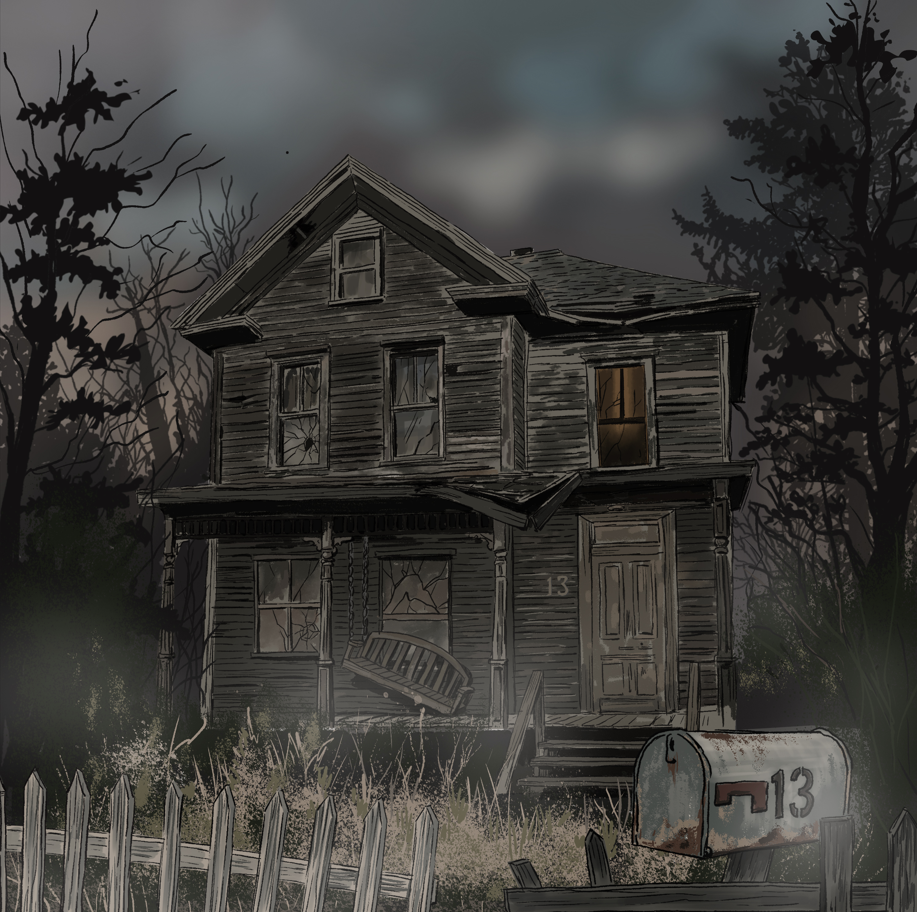
When the album was over it felt as though I’d simply waltzed through the labyrinth of someone else’s memory, been let in without much of a fuss. Thirteen is in fact not an unlucky number, it’s simply the age at which too much becomes apparent. “thirteen” is an album about how to stop being ashamed of having once been weak. Love Ghost invite you to sit with them in the dark and not rush. For anyone who grew up on the indie, grunge and emo-core scene, this is a record which makes vulnerability sound like a first language.
Published in partnership with SubmitHub