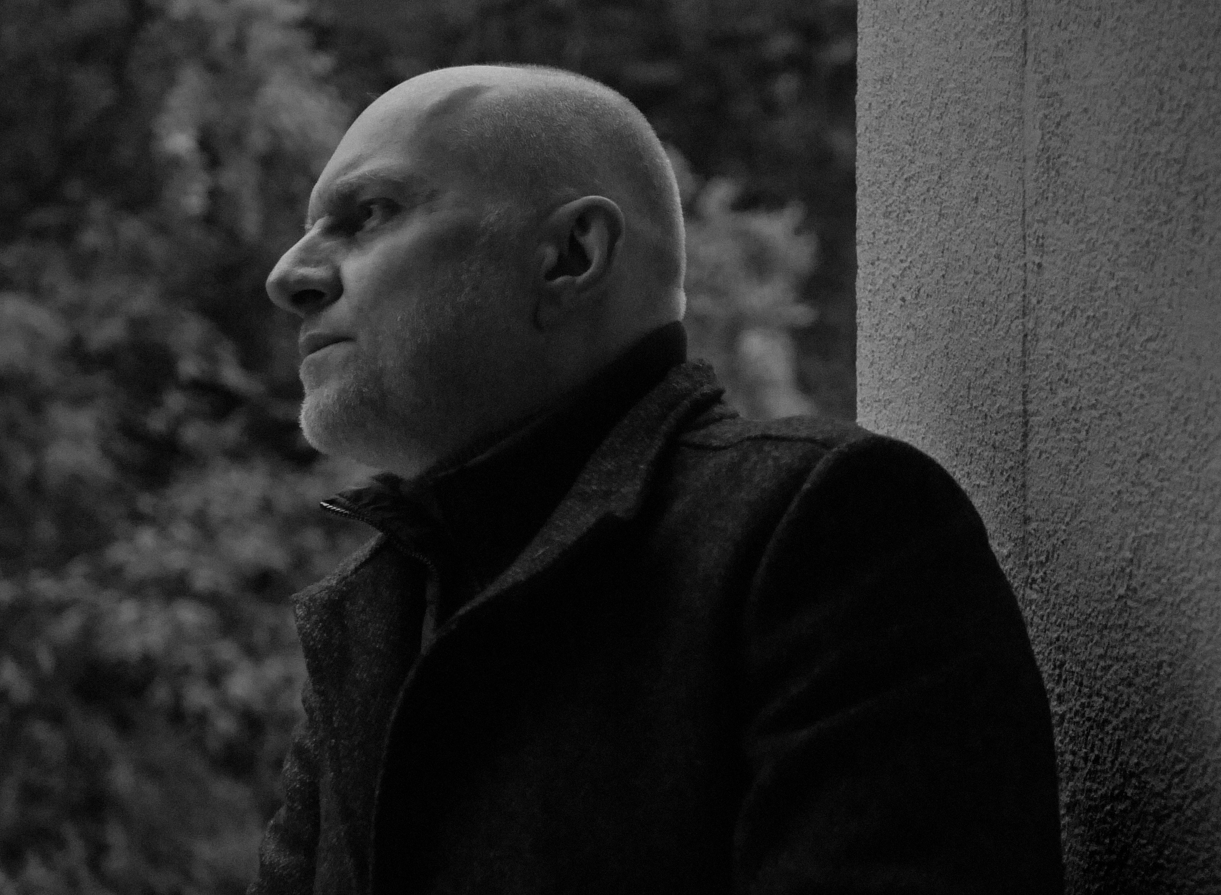
It is hard to imagine a rock band vocalist at the piano, playing tender, philosophical melodies. We are used to the voice of a rock singer bursting outward, while he treats silence as an annoying pause between verses. But Vital Varkovic, apparently, has not read these unwritten rules. Or perhaps he has – and decided that the main thing in music is not loudness at all.
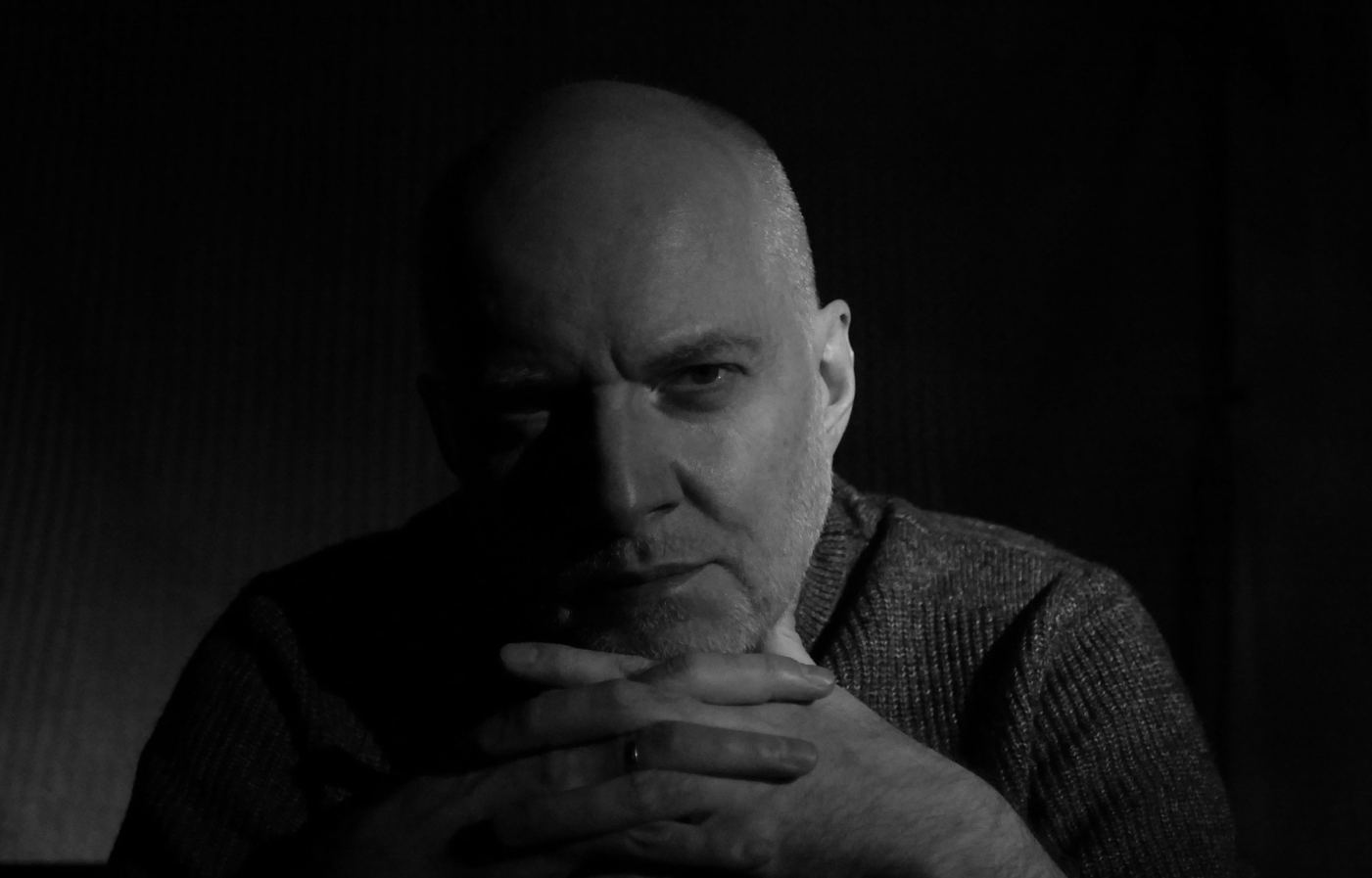
Varkovic’s musical path did not follow a straight line. A childhood in Lithuania, first piano and accordion lessons, an accordion orchestra, tours across Europe. Then Poland, conducting, a jazz ensemble. And then – unexpectedly, even to himself – a microphone and a rock band. It would seem that the road had led far away from the keys. But real music never goes anywhere: it waits.
His debut album, “Rooms and Flowers”, due out on November 13, 2026, carries the noble echo of Impressionism. His music is emotional and melancholic – sometimes more so than even its author might wish. Yet within its twilight there always remains a warm spot: the light from the next room, reminding us that the night is not endless. Varkovic says he wants to create music that helps people relax and find peace in moments of stress. On “Rooms and Flowers”, this desire bypasses declarations and becomes the texture of the playing. Inheriting the transparency of Debussy, the poetic sadness of Chopin, and the meditative minimalism of Satie, Varkovic creates 13 piano sketches. Eleven of them are already familiar from singles released in recent years, but gathered together and supplemented by two new pieces, they form a coherent architecture of the human soul – with its hidden rooms and feelings that blossom in the darkness.
From the very first piece, “First Floor,” a delicate, slightly refined, intelligent manner of performance is established. One can sense a classical school in it – soft, elegant, attentive to detail. But without other instruments, the piano is not lonely: the music flows smoothly and expansively, like a first step beneath the vaults of an old house. Before one’s eyes appears an autumn park, where the sun slowly sinks into sunset, golden leaves swirl, and the air is filled with a cozy yet undeniable sadness.
From this “first floor,” we ascend by “Steps in Reflection.” A clear, unhurried rhythmic pattern imitates footsteps, onto which transparent harmonies are threaded. It is a walk focused on an inner monologue – an attempt to come to terms with oneself in the silence of solitude. The combination of simple timbres and deliberate monotony of rhythm works hypnotically: the music gradually draws one inward. In “Maybe Tomorrow,” reflection turns into evening contemplation. The melody unfolds unhurriedly, resting on soft, repeated chords. This is music before sleep – when the day has already ended, but one’s thoughts are still not ready to accept it. The chords swirl in calm waves, as if a person keeps returning to the same hope, refusing to let it go out.
Time loses its linearity on the album in “minutes ago, more or less.” Free rhythm and a restrained tempo create the feeling of a suspended moment – as if the pianist is catching in the air the trace of a conversation that has just ended. Philosophical silence gives way to the light impulsiveness of “Drive.” The music remains unhurried and sensual, but occasionally quickens – like a sudden gust of wind that has stirred a curtain. In “In Need of Light,” Varkovic builds a contrast between weightless passages and dense accents. The melodic line persistently reaches upward, and the mood breaks through the darkness toward a long-awaited clarity.
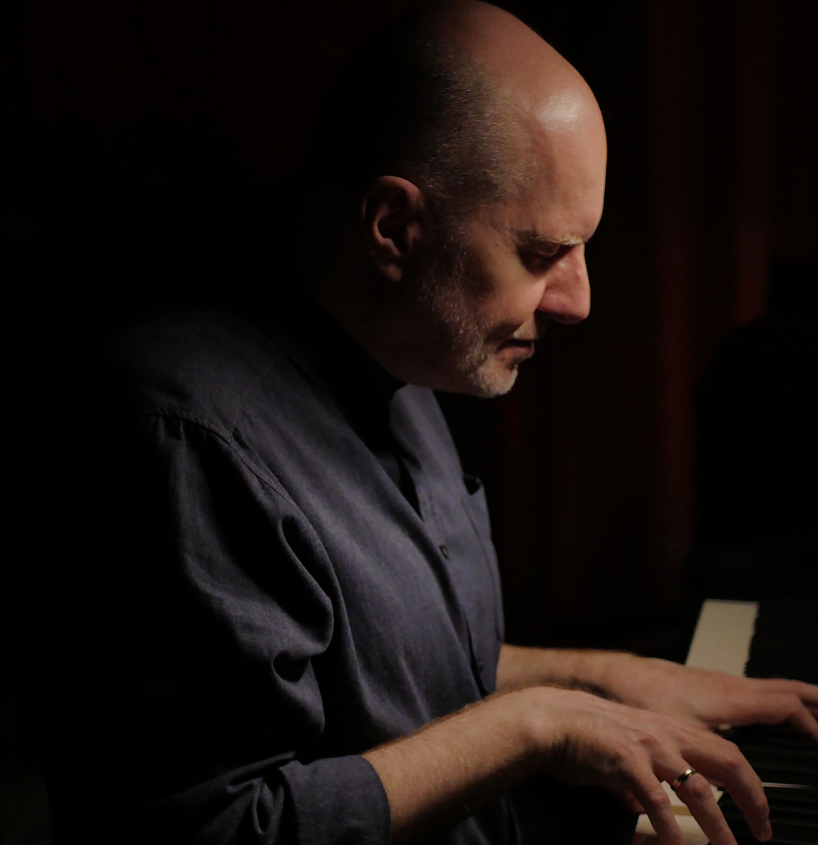
And in the quietest moments – for example, in “Lights” – the pianist reveals a particular passion. The piano flickers cautiously, as if someone outside the window is switching a lamp on and off. Between the notes there remains a gap in which sadness can be heard – a familiar, almost domestic sadness. The eighth piece, “i think you need a flower,” is one of the two new tracks and perhaps the most tender. The pianist stretches out the pauses, as if afraid to finish speaking. In them one hears timid affection, and beneath it, deep melancholy. This is how one gives flowers to a person to whom one does not dare confess. Here, music speaks instead of words – vividly and organically.
“Like Any Other Day” finds beauty in the ordinary. It is music about a day that is no different from any other – and precisely for that reason becomes a good one: the tea did not go cold too quickly, the light fell just right, someone smiled. Small glimmers of happiness flash through the piano fabric – muted, but real. “Silent Bloom” unfolds like a flower opening in complete silence. Here all the states of Rooms and Flowers converge: sadness, tenderness, hope, and light. It is truly a “silent bloom” – an emotion that unfolds not in a climax, but in the stillness after the final note. The album then continues with “Carousel,” before “Fade” brings “Rooms and Flowers” to its close, letting its images dissolve rather than end.
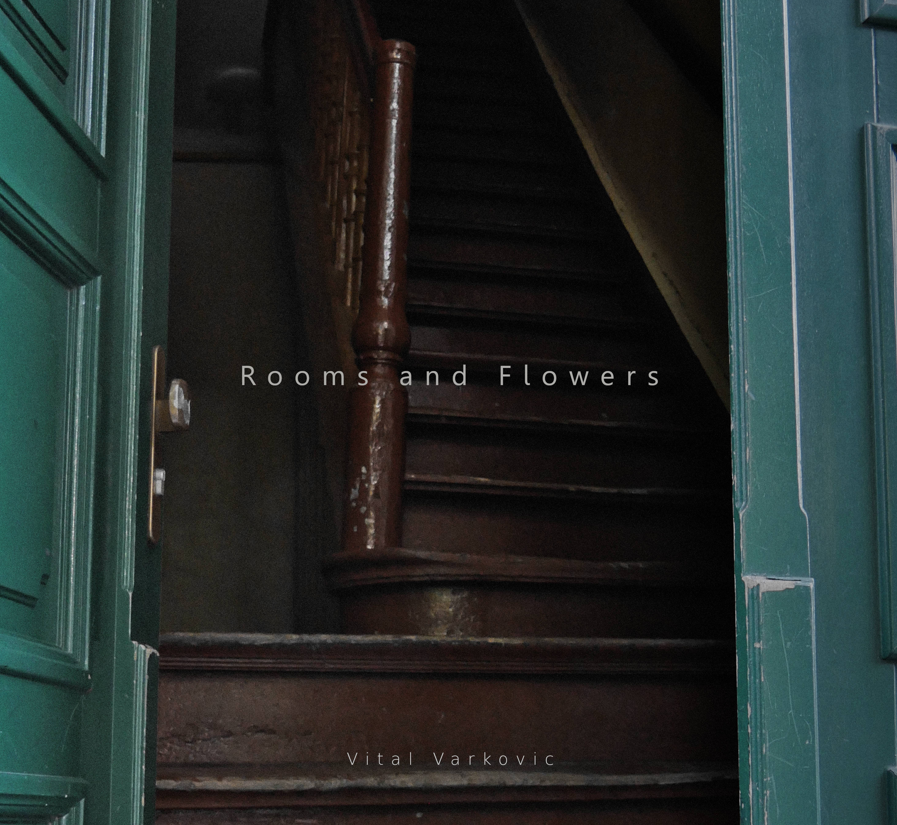
“Rooms and Flowers” is difficult to listen to in passing: its quiet pieces demand attention. But that is precisely why they work. When you stop rushing, Vital Varkovic’s piano begins to speak of things that usually remain beyond words.
Published in partnership with SubmitHub