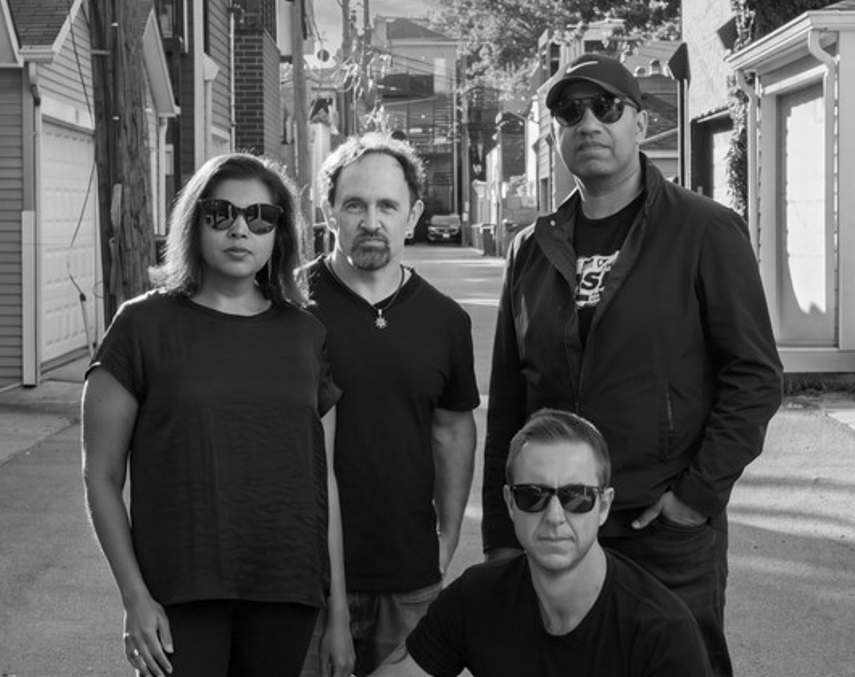
I first saw Part Time Signals a couple of months ago in the context of my piece on their single “Waking Hours”. Their music at that point already had a real sense of ease about it. The complexity of the textures wasn’t in any way a display of technical prowess, it just sounded like natural, easy conversation. It was very much in the same vein as Quen actually, not in any direct way really, just the same light irony and the same ability to make a very rich soundscape feel warm and cosy.
That’s why I was so keen to hear “Duck’s Back, Baby”. It picks up the story from “Another Day In Paradise” and the EP “The Window”. Part Time Signals recorded the core of the album over five days at Giant Wafer Studios in Mid Wales (their first time in a real studio). The rest of the instrumentation (vibes by David Newington, pedal steel by Rhodri Brooks and clarinet, flute and sax by Stephen Black) was all added in Cardiff. It makes the sound a lot warmer and a lot more interesting, but doesn’t in any way turn it into a collection of effects. Normally after such a long process you’d end up with recordings that had the scars of stitching. In this case I couldn’t find any. The eleven tracks formed a complete piece, observations of a person learning to accept the world without undue stress. The first thing you hear is the sixties, filtered through soft indie pop. The voice is quite muted, the arrangements are a bit off kilter and it’s precisely that looseness which is the whole point really. It’s the picture that’s a bit crooked that looks so much more alive than one that’s been perfectly straightened. If you’re a fan of old forty fives with a bit of hazy psychedelia in them you’ll spot a lot of that here. Just not the dust.
“Green Light” kicks off the record with a relaxed, slightly bouncy groove. The guitar is the driving force, the keys are very much in the background and the vocal doesn’t try to dominate either. It’s a memory of a good time, not a performance of one. The green light in the title I think is just the green light to go on. It’s a happy song, but not a happy song in any kind of showy way. You can quite clearly hear someone who’d remembered how to be happy and didn’t make it into an event. The landscape outside the window gently blurs. “The Light” is wrapped in a cool haze. The instruments come in one at a time, like the suggestion of a room at dawn. The hope is in the very texture of the sound rather than in the chorus. You can quite easily hear yourself thinking that this is probably the way people play when they don’t have to be constantly checking on each other.
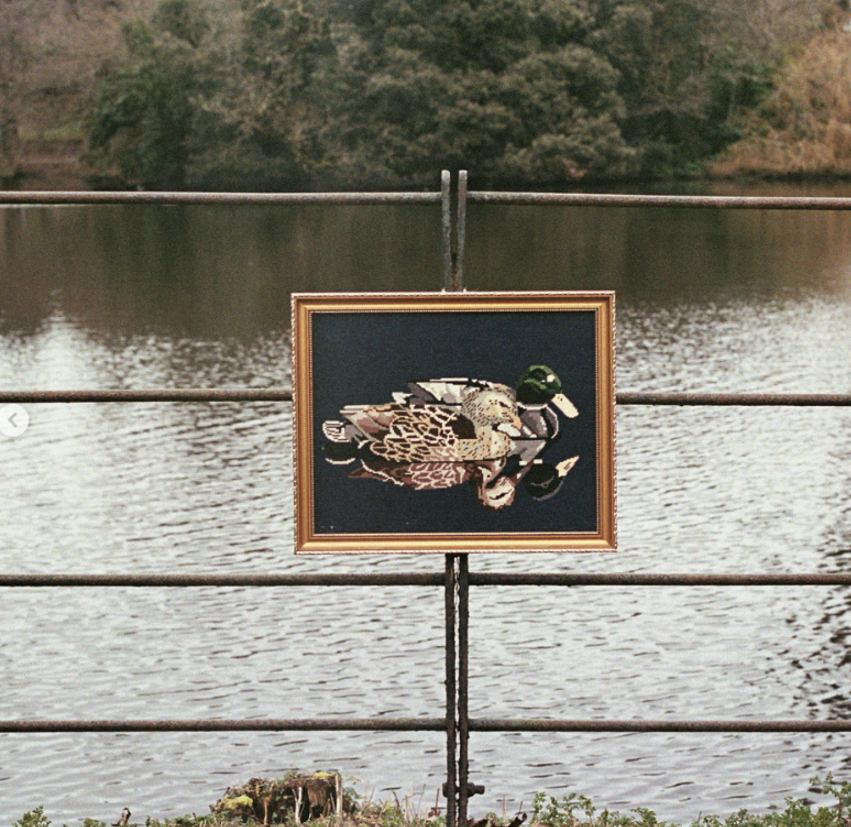
Then the band just go and have a joke and I liked that. “Duck’s Back” the title track became my favourite track on the record. The title is of course a reference to the expression ‘water off a duck’s back’. It’s a short song with a proper rock ’n’ roll strut and a cheeky little smirk in its voice. It’s the one I most wanted to see them play live and it seems as though on stage it becomes a little game between the four of them. And even when the sky over Wales is all clouded up the feeling isn’t in the least spoilt. “Song For A Rainy Day” is absolutely devoid of that theatrical woe which is so typical of autumn ballads. The pace is slow, there’s a gentle keyboard bed and the rain is in fact a perfectly valid excuse not to be going anywhere at all. It’s an excuse to just sit by the window (with the glass all misted up), warm your hands in a cup and let your thoughts drift along at their own unhurried pace. The voice is soft and the sadness is quite light. Rain is a reason to slow down here, not a reason to be dramatic.

“Dancing in the Night” is very much an open door song. Lots of movement, lots of that retro gloss and it’s very much a night time romance. It doesn’t actually need a dance floor really, a kitchen and one lamp on will be quite sufficient. There is romance in the song, but no pathos at all. It’s the kind of romance you’d find in an old film where the characters are still dancing even though the conversation between them hadn’t gone well. Towards the end it’s all become much more subtle. In “Another Time’ the nostalgia is very much there in the flesh. The arrangement just spreads out into these soft oily smears and the voice is the voice of a man who’s had a secret confession to himself for a long time and has finally decided it’s time to say it out loud. The vibraphone and horns are just there so subtly, as if they were tacked on at the end without in any way disturbing the rest of the texture of the song.
Then we have “Paper Thin” which takes that delicacy to the extreme. It’s even thinner, far more anxious. It says nothing at all and all the anxiety is in the silences. It’s as if one sharp word would rip it in two. The final “Dreaming” is the perfect logical conclusion to the record. A sleepy little melody, smoky keys and a soft vocal just drifts away and dissolves the last traces of the album. It’s more a soundscape of drifting off to sleep than a song about dreams. There’s no dramatic final note, no desire to make a final impact. It just fades away quietly. The end is absolutely precise.
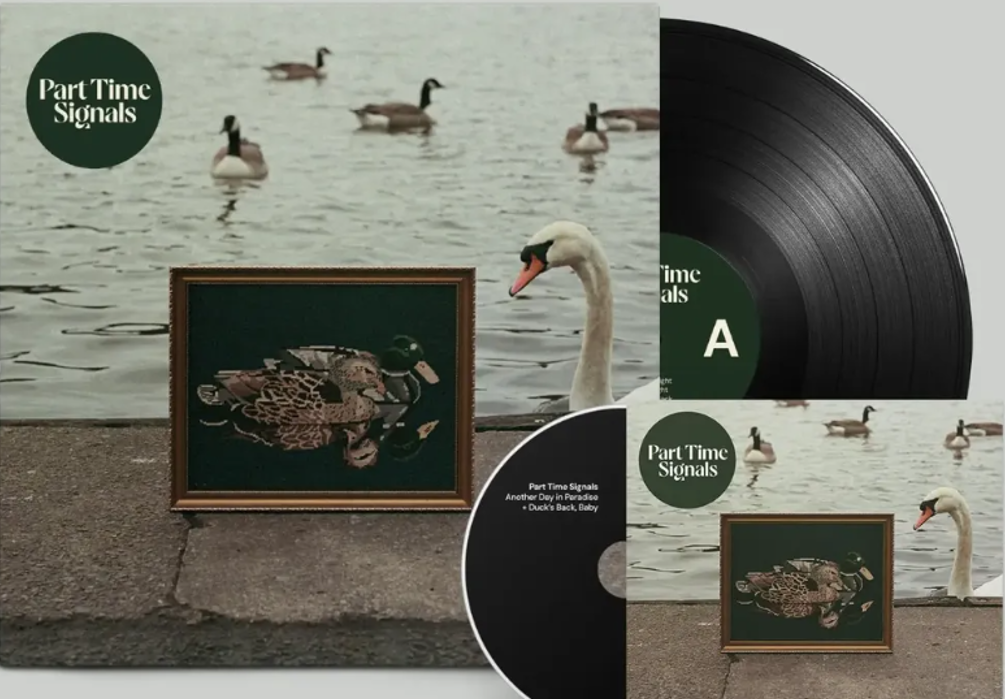
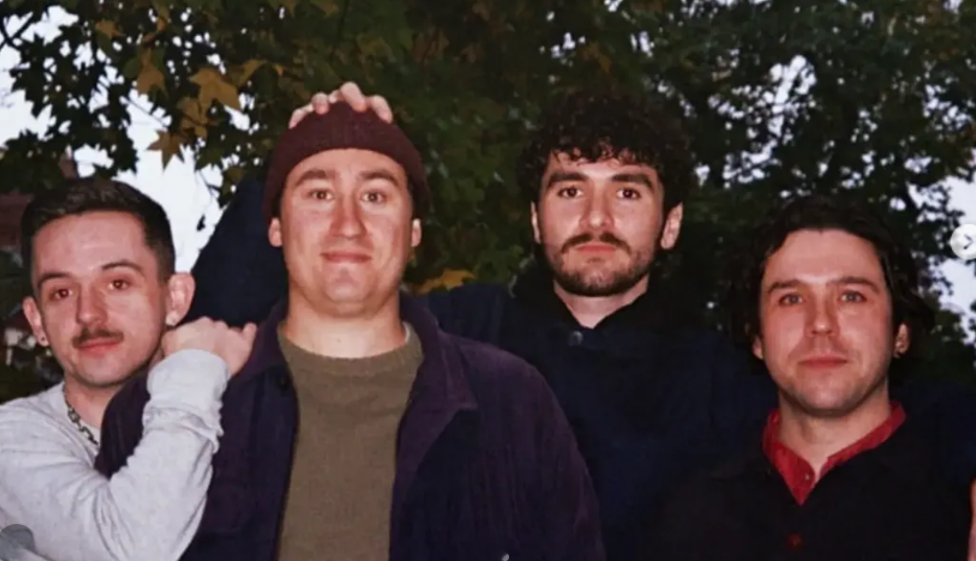
There are eleven songs on the record in total and I’ve written about eight of them so there’s something for you to discover for yourselves. The musicians have said that when you listen to the record in sequence you start to pick up links between the tracks and that’s absolutely true. I actually heard the main link before any of the songs though: “Duck’s Back, Baby” were recorded together (not one after the other) and you can see four people all looking in the same direction. That’s precisely why I want to keep going with Part Time Signals. The album is available on heavyweight black vinyl and CD via Bubblewrap Collective.