I have a weakness for sensual music with a cinematic sound – and especially for the kind where dark electronics coexist with something special. It is exactly this combination that I heard in the debut album “Composed Reality” by the Danish duo Fake Mannequin.
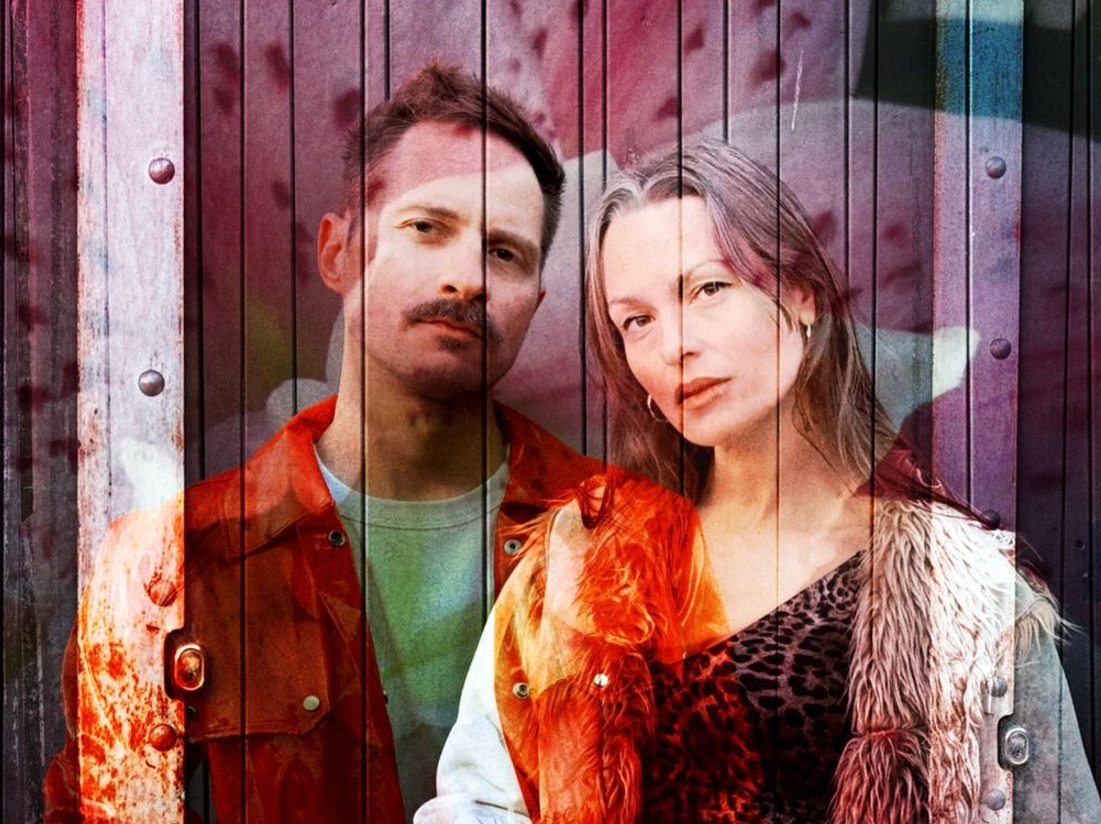
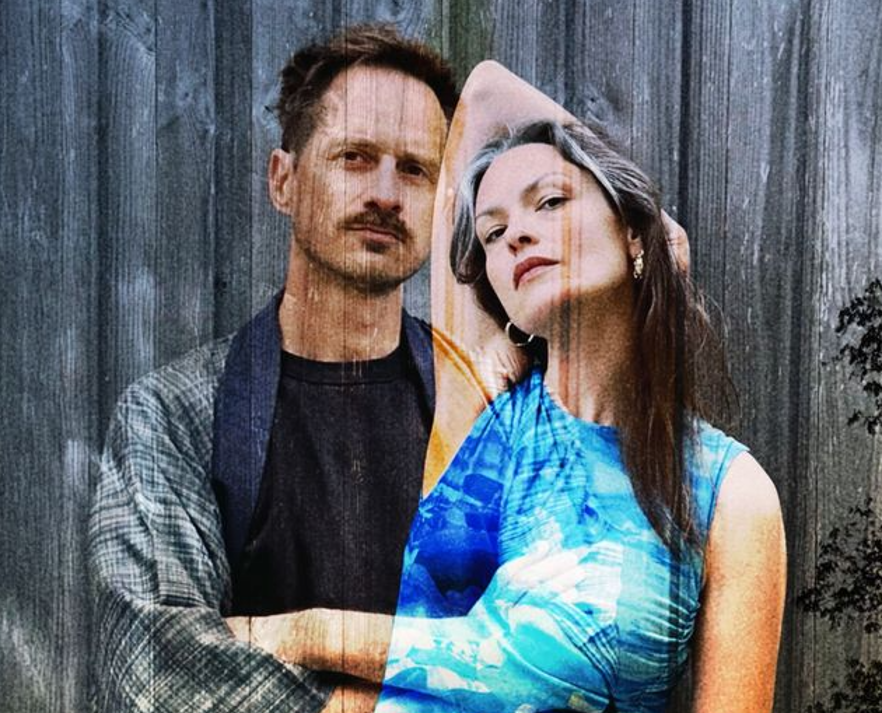
Behind the name stand two people with completely different biographies; at some point they decided that they had something to say to each other – and to the listener. Amy Horn came from the electronic duo naun, which worked between Copenhagen and Munich – it was between these cities that their creative duality was born. Before that, Amy lived in Berlin; it was a period of thoughtful genre exploration. Tor Laurens all this time was behind the studio glass: a producer and composer of his own projects Elegant, UhreWaja and OAKH, co-author of Hanne Boel, Sekuoia and others – a person with great experience of other people’s stories, who finally decided to tell his own.
Their music is a tight coupling of trip-hop, synth-pop and dark electronic pop – the mechanical and the human look each other in the eyes and do not blink.
The name of the duo immediately warns. A fake mannequin is a tautology: mannequins by definition are not real. But this is also the trap, the question that Horn and Laurens ask the listener from the very first second: and you? Where does performance end and the authentic begin? If the answer does not come immediately – do not worry. The album has enough time to make this question uncomfortable.
“Composed Reality” is a cinematic record of twelve tracks, where there is no clear concept of the real and the artificial, and identity and control remain in constant motion. I listened to it several times – and each time I caught onto something new. But there are tracks to which I returned against my will. I want to talk about them. Let’s start from the very beginning. As soon as “Colours” starts – time literally changes speed. Shimmering synthesizers, perfectly calibrated rhythms, cautious echo and Amy’s light, precise, sensual vocal create a feeling of weightlessness. Laurens builds the production in layers – warm basses, keyboards – and never once allows himself anything extra. The result is chamber, intimate trip-hop. A song about coming out of depression and trying to start living again.
The album is interesting to listen to attentively, since the incredible cohesion and professionalism of the duo bring special pleasure. A good example is the cinematic “Danger”. The track gathers the key themes of the release: risk, loss of control, tension between desire, power and the striving for freedom.
Tense, seductive trip-hop with a clear nod to the 90s – in the spirit of Massive Attack – but without a retro effect. The duo has its own handwriting, and here it is read clearly. Beneath the smooth surface a fracture is heard – a struggle between self-destruction and the desire to preserve strength.
Through expressive lyrics, Fake Mannequin explore a world of constructed roles and relationships, the boundary between authenticity and performance disappears. In “Body” this theme sounds clearer: it is about desynchronization, when the mind and the body do not coincide. The central metaphor: “Get your head back on your body” – loss of connection with reality and feelings. The smooth rhythm with inventive synthesizer parts emphasize the mood. And the ascetic production here is fundamental: pauses and sparsity become an expressive device, allowing tension to sound on equal terms with the music.
“Illusions” pushes disorientation to the limit. If in “Body” the characters were moving away, here the voice loses support in its own identity. The foggy atmosphere layers: muffled bass, cold synthesizer and a slight tremor in the voice, which says more than any climaxes. A risky and, perhaps, the most difficult track of the album – “When the Light Goes Out”. Paradoxically, it made a strong impression on me. The opening lines “It happened on a Tuesday night / The light went out” are devoid of poetization. Death is presented as a fact. The refusal to heroize grief is a rare honesty for a pop narrative. A restrained atmosphere: weightless bass, barely distinguishable pad. The sound environment works as a frame in which Horn’s voice becomes the carrier of meaning. Perfect mastering allows one to feel the thoroughness with which the duo approaches the process of creating music: not a single element falls out, everything works as a whole.
Closer to the finale, the album changes angle – and begins to speak about acceptance. In “Get Through” the process of living through pain is fixed. The line “One and one is not always two” sounds like an acknowledgment of the gap between expected life and reality. The music becomes denser: pulsating bass, expanding synthesizers, restrained determination appears in the voice.
“Moon Boots” picks up this state and translates it into the plane of reconciliation. Acceptance is already broader: of loneliness, one’s own imperfection and the general chaos. The image of “beautiful mess” becomes the result of the entire album – instability no longer requires correction. The atmosphere opens up, and the voice sounds free. Acceptance transforms into a conscious choice.
“Composed Reality” is a strong and well-thought-out debut. Fake Mannequin turned out to be real.