For centuries, the inner world of a woman remained on the periphery of grand history, yet it continued to live – in embroidery patterns, in lullabies, in folk songs passed from mouth to mouth as the only available form of memory. Joy, desire, anger, longing for freedom – all of this rarely received the right to a voice. And if it did, it was muted, edited, tamed. However, the duo DIVKA dares a beautiful rebellion: in their debut album “folk fatale,” they release these feelings into the open. In their performance, the ancient archive of the female soul throws off the shackles of censorship and sounds piercing and bold, as if a woman had been accumulating this voice for centuries – in order to sing about her freedom.

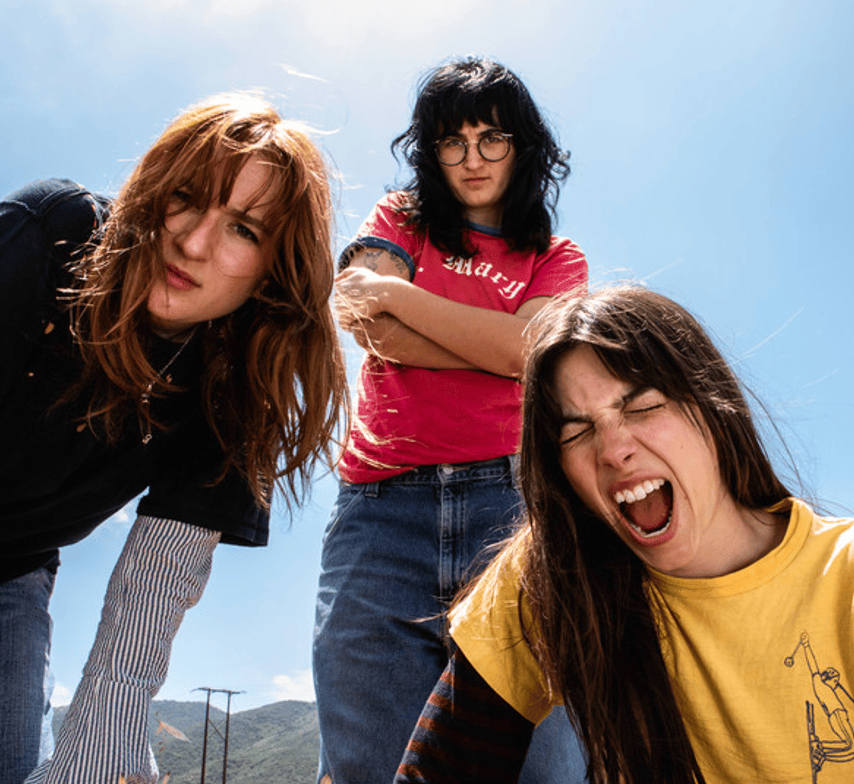
Photo by Lauren Stewart
DIVKA is a duo of two completely different energies. Alina Kytasty Kuzma plays the bandura, a Ukrainian instrument with the soul of a harp and the character of a zither. Tradition in her hands ceases to be a museum exhibit – it breathes and changes form. Zoë Santo, in turn, draws the bow across the viola. In her playing, the instrument resembles a wild creature that she alternately tames and sets free. Together they create a polyphony that is difficult to confuse with anything else: ancient in texture and absolutely modern in meaning – a sound that the musicians themselves call “folk fatale.” The idea of the album was born from a question: what if one were to find songs where a woman is allowed to desire, to rejoice, to make mistakes – and not be punished for it? The answer grew into something greater – into a sonic archive of female experience across different eras: with its playfulness, anger, eroticism, humor, grief, and witch-like power.
The record opens with a rural sketch – “Of Storms, Babas, and Fiddling Rabbits” – mischievous and fairy-tale-like, where elements and animals become full-fledged heroes of the song. In it one can hear a folk tradition where nature is an interlocutor, on equal terms. Mythological whimsy reigns here: rabbits play violins, storms obey wise women, and the animal world seems far wiser and more honest than the human one. The track “Rusalka” slightly changes the sound – a heavy, somewhat ritualistic conversation about ecocide and genocide. The mythological image becomes a language for speaking about a contemporary tragedy. The voice becomes a weapon of memory. In the album’s tracklist, songs alternate that sparkle with lively sound and ethno-landscapes.

For example, in “Harbuz” – an imagery-rich song with light playfulness. The girls performed it with such elegance that it turned into a theatrical vocal number. “IDK” appears successful on the album, a cover of a feminist country novella from the 1950s about a woman with a shooting craft. DIVKA rewrite the ending of the story – and the patriarchy finally gets what it deserved. The irony here is sharp, but behind it one can already discern the duo’s desire to speak not only about private experience, but also about broader processes. And “Garden of Time” expands the scale – from the personal to the historical. A philosophical meditation on time, power, and the inevitable collapse of empires. The sound is expansive; the track moves into reflection on glaring inequality and the fragility of empires built on violence.
A special place in the album is occupied by the explicit line of desire and love. And here I want to note two magical pieces: “Oj Na Mori” and “Enchantress.” In the first, the duo unwinds the musical canvas smoothly and with involvement, lovingly presenting folk motifs and describing the narrative with maximum vividness. The song sounds like an epic ballad with dense melodies of bandura and viola. It conveys something universal and immeasurable, like the grand feeling of love. At the same time, in “Enchantress,” one hears dramatism. Thanks to the delicate musical texture and drawn-out vocals, a sense of mysticism and collision of emotions arises. The action does not freeze for a minute, moving toward a final tragic resolution. These songs sound on the edge of tenderness and tragedy: courtship, attraction, passion – and the price a woman has always paid for the right to feel.
The final chord of the record becomes the playful “Kozel” – a triumph of primordial joy and sly village humor. The main surprise of the track is real goat bleating woven into the audio fabric, which adds to the song the playfulness of a folk tall tale. It seems that Alina and Zoe conspiratorially wink at the listener: in our world there is room for juicy humor, healthy corporeality, and, most importantly, absolute freedom to be strange, loud, awkward, and damn alive. The bandura and viola launch into such a dashing dance that the feet themselves begin to dance.

Folk culture now exists in two opposing planes: the ethnographic sphere, where rituals and traditions of bygone eras are reproduced for decades, and a contemporary direction that tries to inscribe tradition into current artistic trends. It is like in cooking: some are ready to eat only what they were accustomed to in childhood, others boldly experiment, creating new dishes. This is exactly how the new album of the duo DIVKA operates. In “folk fatale,” Eastern European folklore has shed its dusty museum shackles and sounded like a relevant soundtrack to today. These songs have survived empires, prohibitions, and wars. And judging by the wild energy that Alina and Zoë have breathed into them, they will outlive both you and me. DIVKA have shown that the female inner world is not a quiet note on the periphery, but a full-fledged symphony. It has been silenced for far too long.