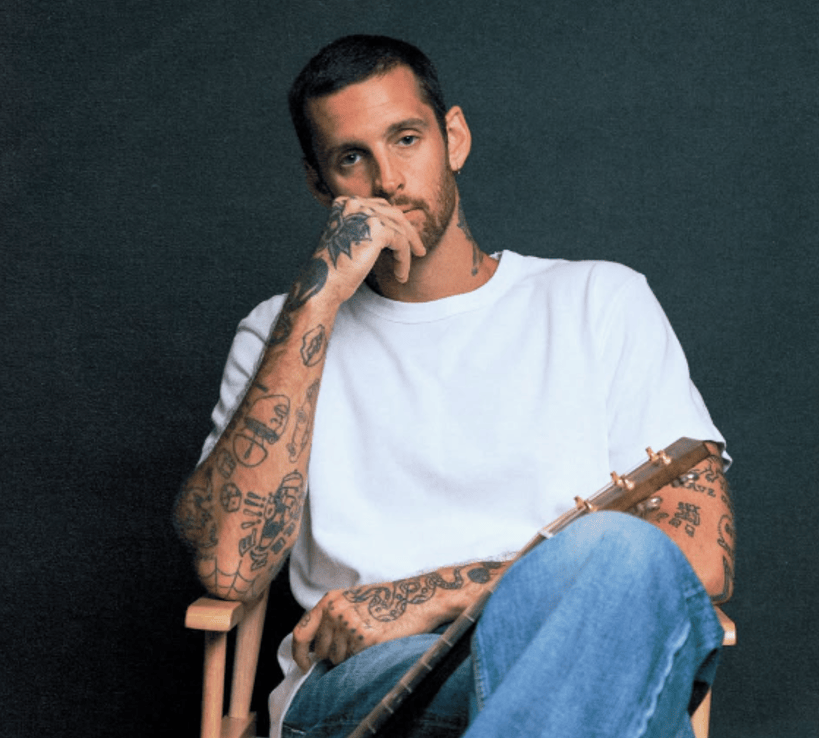
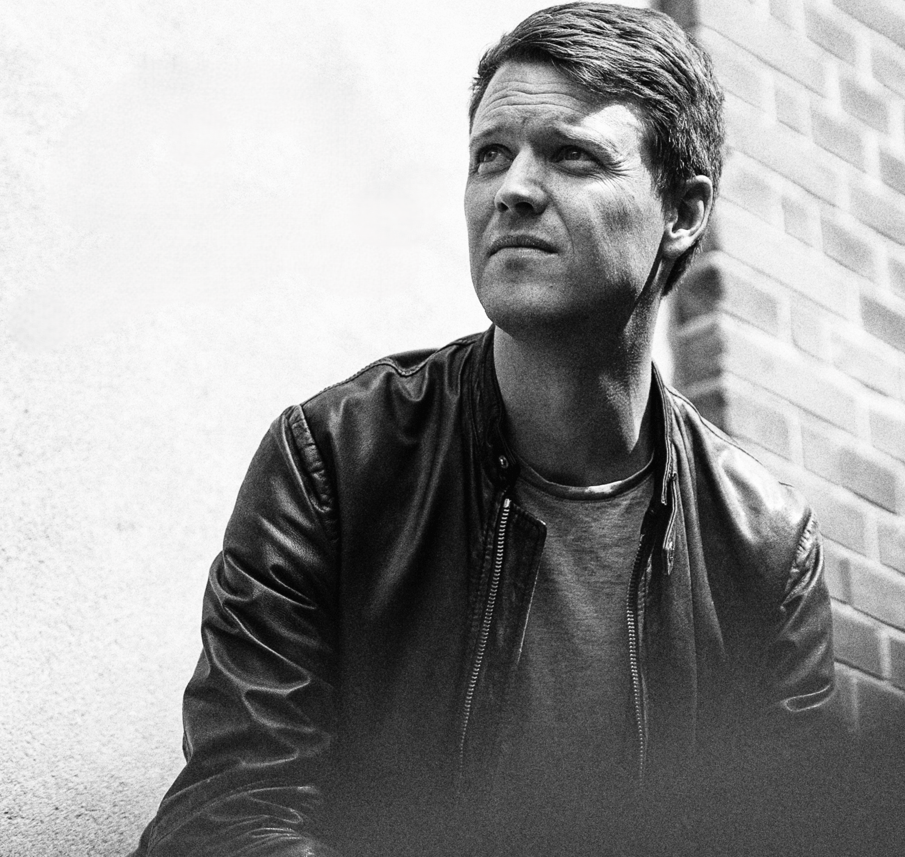
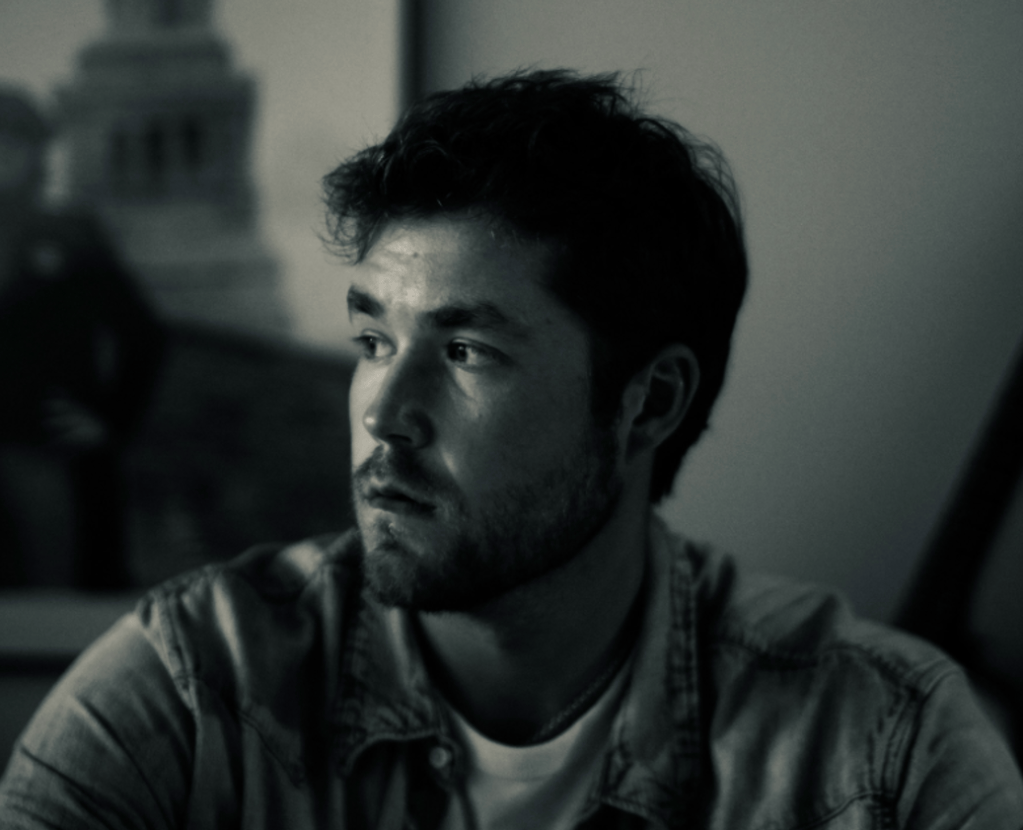
How do you manage to find a balance when you’re just twenty, with a guitar in your hands, dreams of performing on a big stage swirling in your mind, and at the same time carrying a small child whose entire life relies on you? Bringing up a child at a time when the industry is based on self-interest and late hours is like walking a tightrope. On the one hand there’s mad love mixed with the fear of not having enough time to build a career; on the other hand there’s the deeper fear of missing out on your child growing up and one day realizing that the bond between you has become a little weaker. It is precisely from this kind of personal uncertainty that Irish musician Dolph Cane’s song “Sunflower” arose.

The story of Dolph Cane from County Kildare is an example of dedication and is presented with the same warmth that the song “Sunflower” has. In order to be with his family, he stopped performing music and has since produced the very moving album “Big Talk”, which he completely wrote, recorded and produced in his bedroom. His first single, “Sunflower”, was released on September 4, 2026, and this is how listeners first become acquainted with his music.
The song begins with a piece of an actual conversation – a father and daughter on their way to her piano lesson on a typical Wednesday. It’s a bold and surprising choice: rather than singing about their closeness, Cane just plays back the recording of the conversation. When you’re listening you have the impression that you’re in the back seat, overhearing another person’s tenderness – only later do you realize that it isn’t someone else’s at all. His brother and sister provide the backing vocals. A song about home is in fact created within it – and you can hear that: the guitar relies on thick, viscous riffs which don’t make a strong impression but instead gently rock you. The drums – consisting of double hi-hats, toms and a barely audible cowbell – also move in a careful manner, as if afraid of wakening a child who is asleep down the hall.
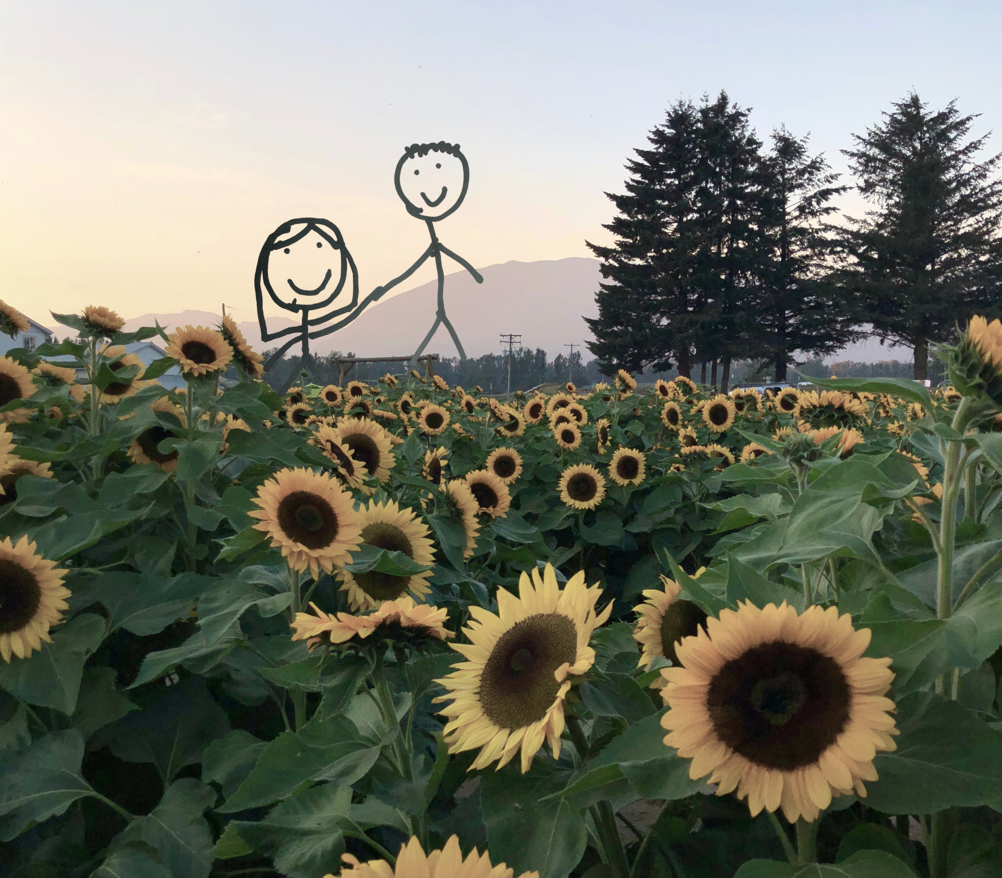
The album ‘Sunflower’ represents the division between the musician’s life before and after that point; it is a letter written by his father to his daughter as a way of trying to retain something that cannot be kept. Given that this is how the album opens, I can only suppose that the rest of it will be just as genuine and heartfelt.