
They say America has no mythology of its own – only a history too young to grow into legend. But drive through the prairies of Dakota at sunset, hear the creak of a freight car somewhere along the tracks of the Pacific Northwest, or pull over on the shoulder of a highway and watch the mountains dissolve into dusk – and it becomes clear: the myth is here. It isn’t written down in books. It’s passed on through a voice, a guitar, and a man who has been on the road long enough to have earned the right to sing about it.

Jim Choukas-Bradley is such a voice. A lawyer almost by accident, a musician by calling, a wanderer by temperament, he has spent more than forty-five years moving between courtrooms and the roads of America. Between energy law cases and the stories this country whispers to those who know how to listen. His second album, “Black Hills Ranger,” continues where his debut, “Rising Tide“, left off. It’s a map: personal, familial, geographical, where every song is a point on a route the length of a life. His son Jesse and his wife Melanie helped draw that map – co-authors of its intonation. Because of this, the album sounds like a conversation around one table, stretched across 14 tracks. Of these, I’ll focus on eight – the ones that set the tone for the whole record.
The title track immediately establishes the album’s scope. “Black Hills Ranger” sounds like an old ballad found in a traveling trunk: a warm acoustic finger-picking pattern, a gentle rhythm, a voice telling a story by an evening campfire. At its center is the story of a man who set out from Carolina for the gold mines of the Black Hills, chasing wealth and adventure, only to gradually discover emptiness and ruin behind the dream. The Wild West–flavored lyrics blend, remarkably, the motifs of American storytelling with the quiet sorrow of trail ballads. After the historical sweep of the title track and the rock-and-roll energy of “Way Down in Dixie Land,” the album slows its pace. “Wind So Still” comes to a standstill in space – a slow song with minimalist arrangement. The author’s melancholic, deep voice seems to dissolve into the silence of the prairie, conveying peace and calm. After the contemplative lull comes a subtle aesthetic flash. In “Lazuli,” the mood shifts: the light, melodic arrangement is enriched with harmonious string accents. The vocal becomes softer and more drawn-out – Choukas-Bradley seems to allow himself more emotion here than in the previous tracks. The lyrics are built on poetic images of color and stone. But behind the metaphor of lapis lazuli lies a thoroughly earthly subject: the search for an inner beauty that, it seems to me, demands a patient eye. One of the most refined moments on the album.

On “Hold On Me,” the album finds its pulse again. Folk-rock with a confident bass line and guitar accompaniment that holds the track in a firm grip. The vocal carries a slight rasp, a bluesy edge. That kind of edge only appears in a voice when there is something real to say. And the theme matches the intonation: a song about attachment, about how, in hard times, one person becomes another’s support. In songs like this, I think, the author’s maturity is especially visible. He speaks of real human support – the kind that withstands fatigue, doubt, and long stretches of silence. The personal intonation gives way to a solemn one on “Heaven Bound.” The song carries elements of gospel, a bright Americana melodicism, an open vocal delivery. The song’s spirituality speaks of the reflections of a man who has been on the road a long time and has learned to look ahead without illusions, but with hope. The “heavenly path” here can only be taken literally in part. The real movement happens within – from exhaustion to trust, from loneliness and fear of the future to a readiness to accept it.
If “Heaven Bound” speaks of inner hope, “Anthem” carries that hope out into the public square. The very form of the song – swelling sound, bright guitar chords, a deep rhythm – implies scale. In my view, this is a song built to be spoken together. Given the author’s legal background, the track reads as a statement from a man who, over decades, has seen the country from the inside – through courtrooms, contracts, through the pain and needs of communities – and has still held on to a belief in the collective. The album’s finale leaves no room for stillness. “Somethings Bout To Change” is a mature piece of Americana about the anticipation of change. A road-worn guitar texture, a restrained arrangement, Jim’s slightly rough voice. All of it carries the personal account of a man accustomed to meeting change without fear, with the attentive gaze of a traveler.
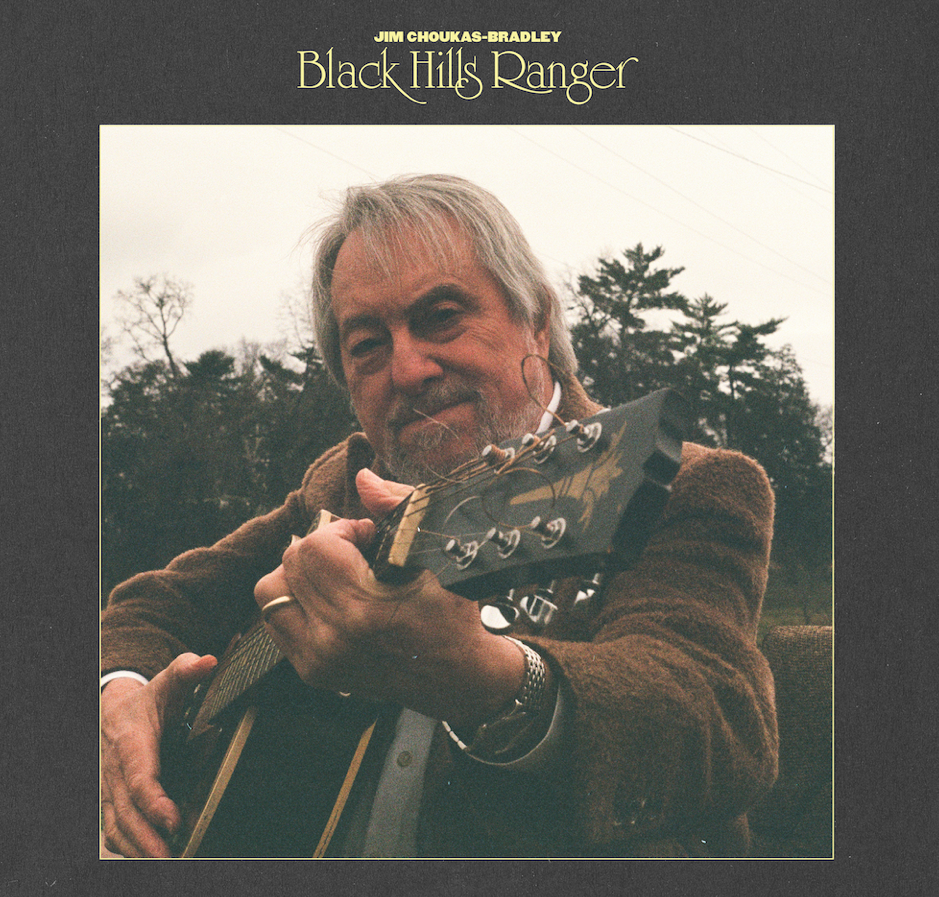
“Black Hills Ranger” is a guidebook album – not to states and highways, but to a human soul that has stayed true to its roots. In Jim Choukas-Bradley’s hands, it comes out sincere, elegant – a timeless conversation about what matters most.









 Voxwave Magazine: Music, Culture, Interview, Fashion