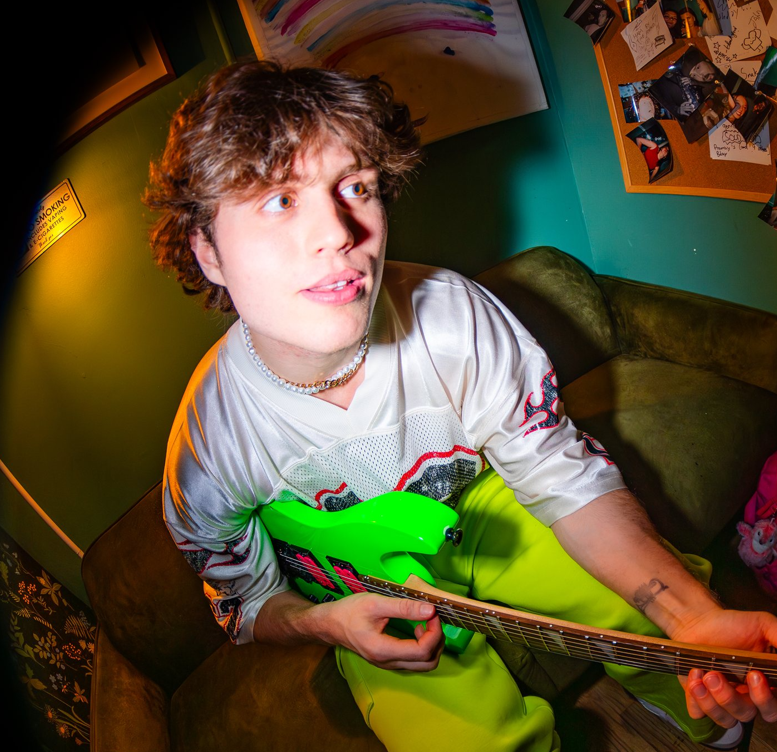
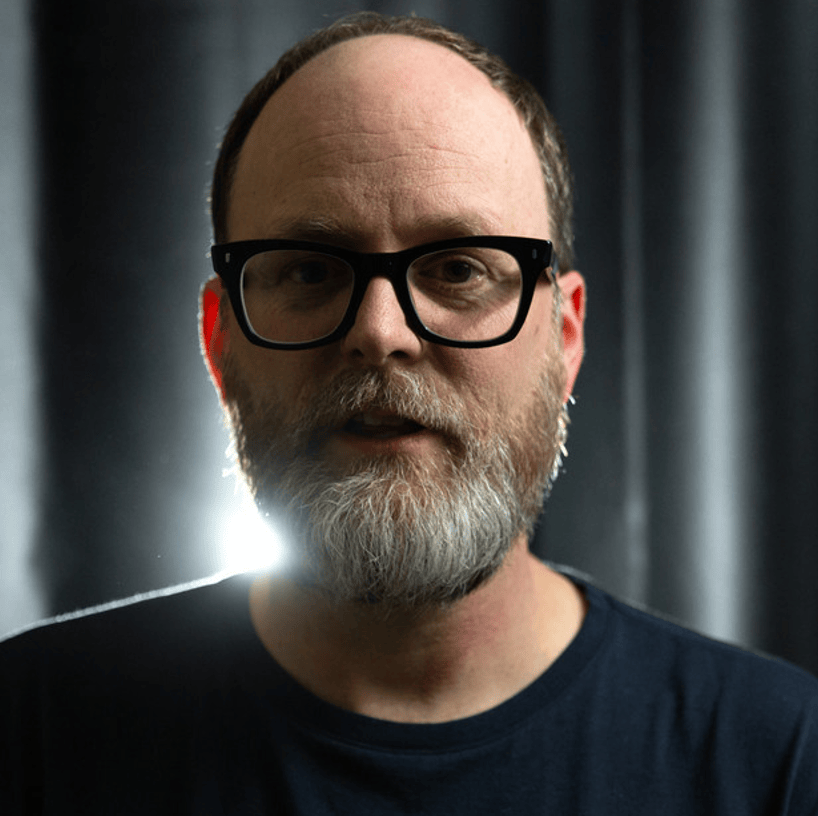
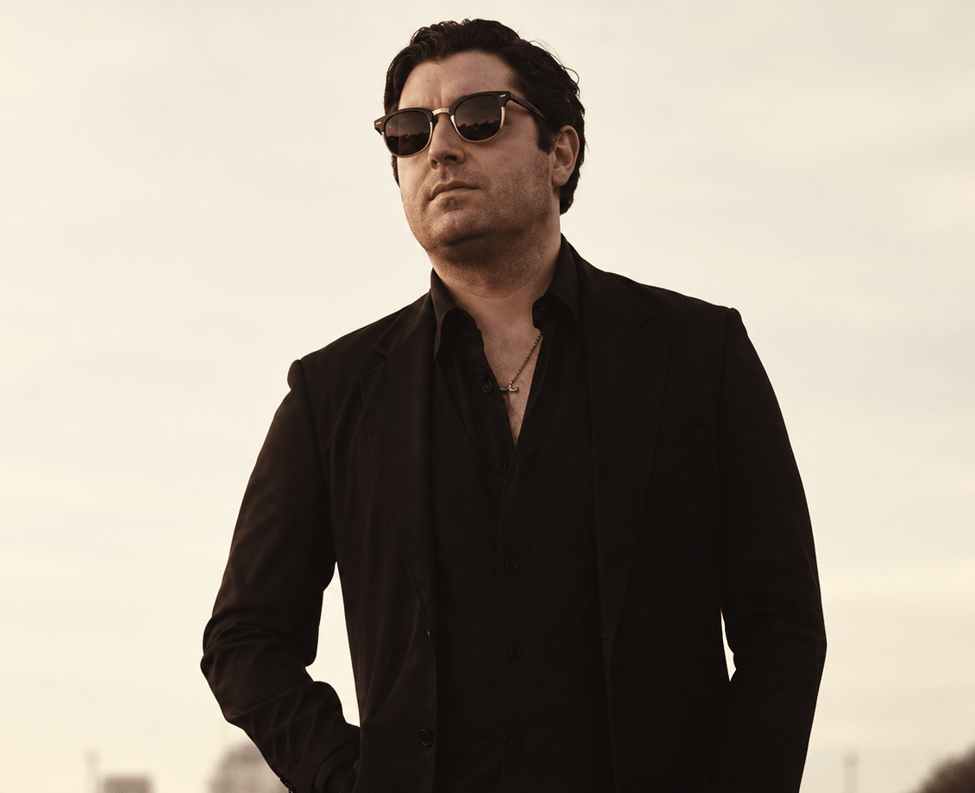
Sometimes, during a concert, every element of a live performance comes together: the venue, the setlist, the quality of the performance – everything works toward a shared mood. This is precisely the state of absolute synergy that New York-based multi-instrumentalist and producer Cole Lumpkin captures on his debut live album, “Nite Trippin: Live in NYC”, released on November 20, 2026, via Suite 484 Records. This is a recording where the evening is not merely “documented” but carefully translated into sound: with the breath of the room, live pauses, the excitement of the horn section, and the feeling that the music is being born in the moment.
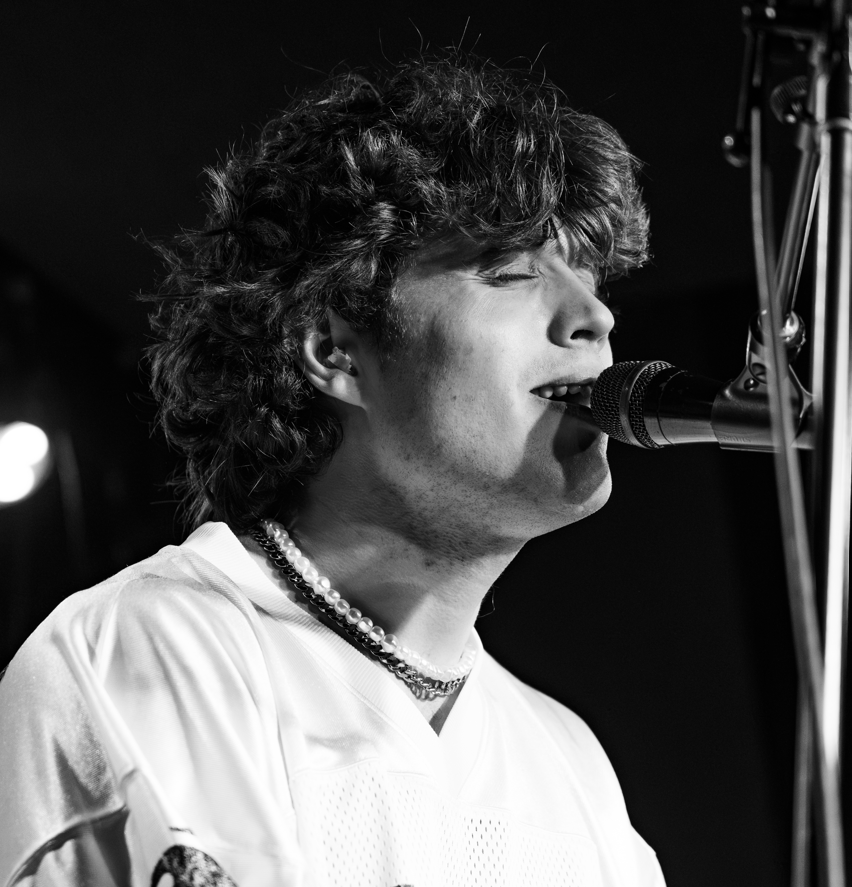
Usually, Lumpkin works as a one-man architect: he composes, records, and produces on his own, weaving together, within the genre of “progressive pop,” Frank Zappa’s guitar audacity, Jon Bellion’s production scale, and Pharrell Williams’s rhythmic sensitivity. But within the intimate walls of Manhattan’s legendary club, Arlene’s Grocery, he deliberately left more room for risk, improvisation, and audience response. Assembling a true “Avengers team” of kindred virtuosos and arming them with a full horn section, Lumpkin transformed seven compositions from his catalog into expansive live versions, adding extended solos and horn arrangements written specifically for this evening.
The evening opens with “90 Degrees”: bright brass, groove-driven drums, and vocals gliding over a pulsing bass. The instrumental interludes here are full-fledged responses in a conversation; the music sounds joyful and celebratory, and it truly leaves you with the feeling of being present in the room. In its glow, light theatricality, and smooth vocal movement, it reminded me of Al Jarreau’s “Trouble in Paradise” – not as a direct reference, but through a shared atmosphere of evening, slightly glittering soul. Without letting up, the music shifts the geometry of rhythm in “Wreckage.” The composition begins with a nervous, syncopated, slightly “jittery” pattern that gradually gains gravity and power. The catchy vocal hooks serve merely as a springboard for the saxophone – its vivid, full-bodied solos cut through the dense arrangement, transforming the pop structure into a territory of free flight.
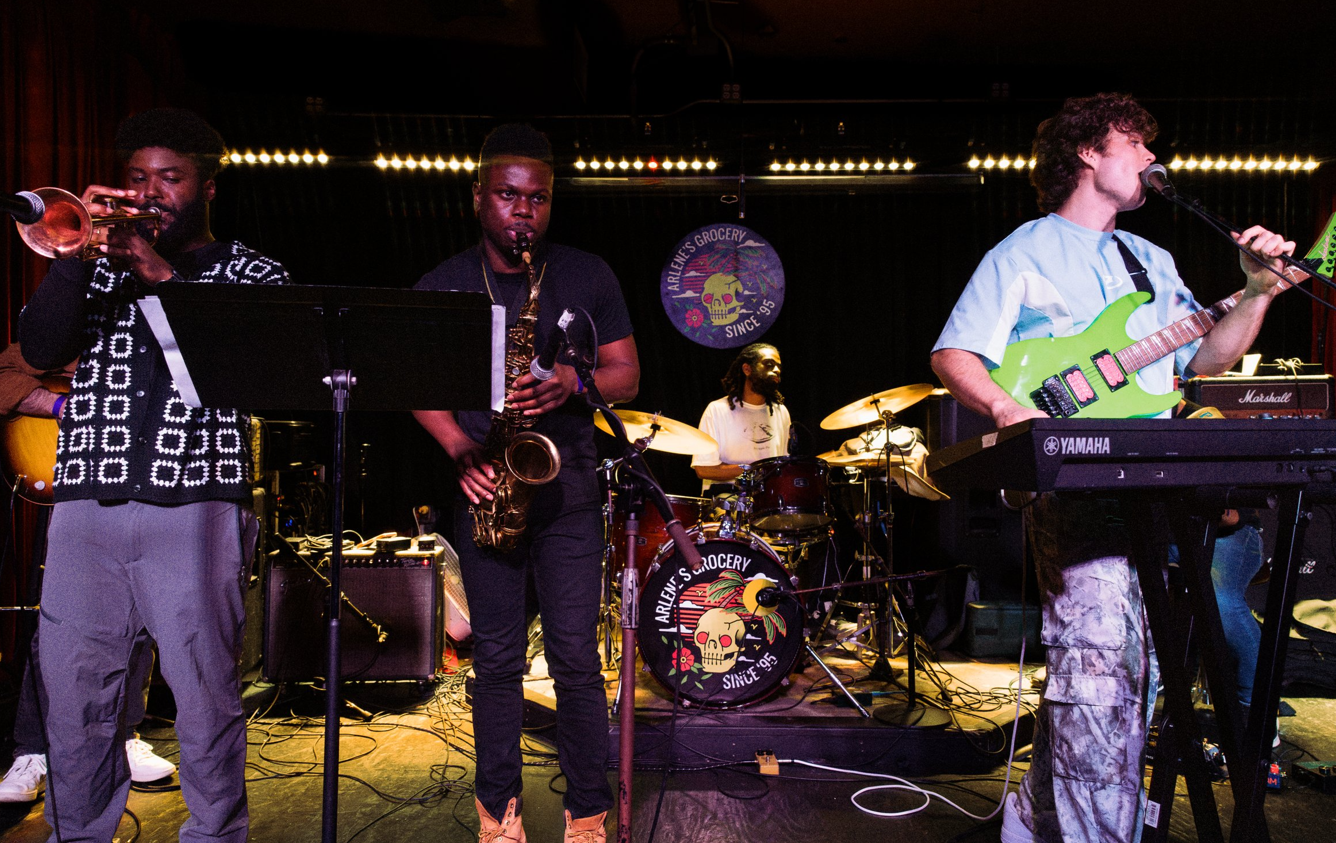
After this concentrated burst of energy, “Reflections” gently opens up the space. Elegant piano, a relaxed rhythm, and delicate horn entrances – the vocals here sound especially expressive, without unnecessary force. The languid chords of the brass give way to a sweeping guitar solo, while the trumpet and piano engage in a chamber dialogue with one another. The improvisation unfolds in full scale, and it is in this piece that you can especially hear how seamlessly the vocals and instruments exist in the same breath. A gorgeous, mature piece – I think it is precisely for moments like these that live recordings exist. “Where I Left Me” brings back the lightness – a little danceable, but not superficial. The dense arrangement rests on a “popping” bass and rustling drums, while the texture remains airy and the pop melodies are bright and memorable. The instrumental parts are soft but distinct: every voice can be heard. This is music for movement, with enough detail to make you want to listen closely.
Next, the dynamics narrow once again into an intimate whisper in “Euphoria” – a minimalist piano ballad where every note is worth its weight in gold. Restrained percussion barely touches the ear, allowing the vocals to float freely over the detailed texture, while the subtle, watercolor-like interweavings of the horns only enhance the transparency and lift of the performance. The culmination of the evening is “Hardlove,” the longest track, at just over eight minutes. There are many solo statements here, and the musicians transform the song into a grand live narrative. This is a track in which you can hear how much the performers trust one another and enjoy what is happening: risk, drive, and precision go hand in hand. The final track, “Strasbourg – St. Denis,” a cover of Roy Hargrove’s composition, becomes a natural conclusion to the evening. It is less a performance than an improvised exchange of phrases: the horns toss lines back and forth and choose the direction themselves.
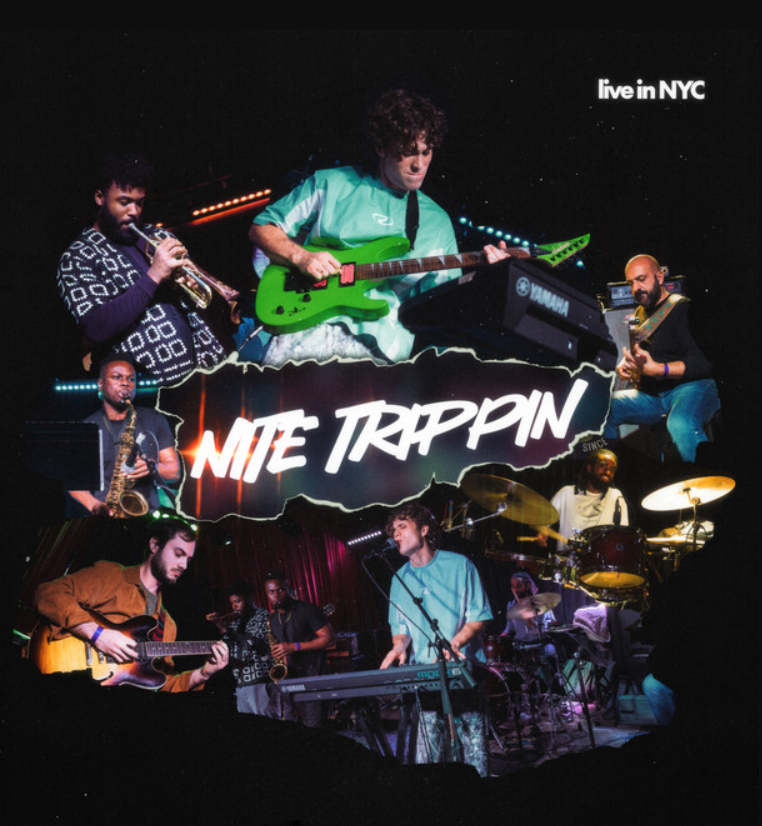
Overall, the album comes together as a cohesive suite: the alternation of tempos and moods creates an almost academic sense of drama, where every burst of energy is followed by a breath, and every meditation is followed by a new acceleration. Listening to the recording, I enjoyed the emotional depth and the mastery of the performers’ improvisation. “Nite Trippin: Live in NYC” is a “raw,” like a serving of tartare, recording that conveys the atmosphere of the evening as accurately as it conveys the music itself; it is especially pleasant to listen to on a good sound system, where all the transitions, the breath of the brass, and the live texture of the room become audible. The release will appeal to fans of progressive pop, live jazz-funk, virtuosic instrumental passages, and concerts with real team chemistry. With this album, Cole Lumpkin confidently enters a strong creative phase: the vibrant music and powerful drive suggest that the artist still has many stories ahead of him. But most importantly, the album shows just how high the level of collective performance can be on a live stage, when technical precision becomes the foundation for free improvisation.
Published in partnership with SubmitHub