The word “inevitability” is built treacherously. In form it is a negation-“ne” plus “izbezhat’”, that is, “that which cannot be avoided.” When I hear “inevitability,” I automatically imagine an oncoming catastrophe, a diagnosis, a finale from which there is no salvation. The word seems to deprive one of the right to speak in advance: if it cannot be avoided, then there is no point in resisting.
But inevitability, in my view, also has another face, far less obvious. A physicist would call this the mechanics of the world: the growth of entropy is inevitable, that is how matter is arranged, and it is pointless to argue with it. In other words, acceptance of the inevitable is embraced as a long-awaited moment when, having stopped fighting, it turns out to be easier than continuing to hold the line. I think this less familiar meaning of the word was chosen for the title of their debut album “Inevitable” by the Canadians Awake & Dreaming. “There is a crack in everything-that’s how the light gets in,” wrote Leonard Cohen, and this line fits the album’s logic with astonishing precision: here the crack is the way the inevitable lets a little air into life.
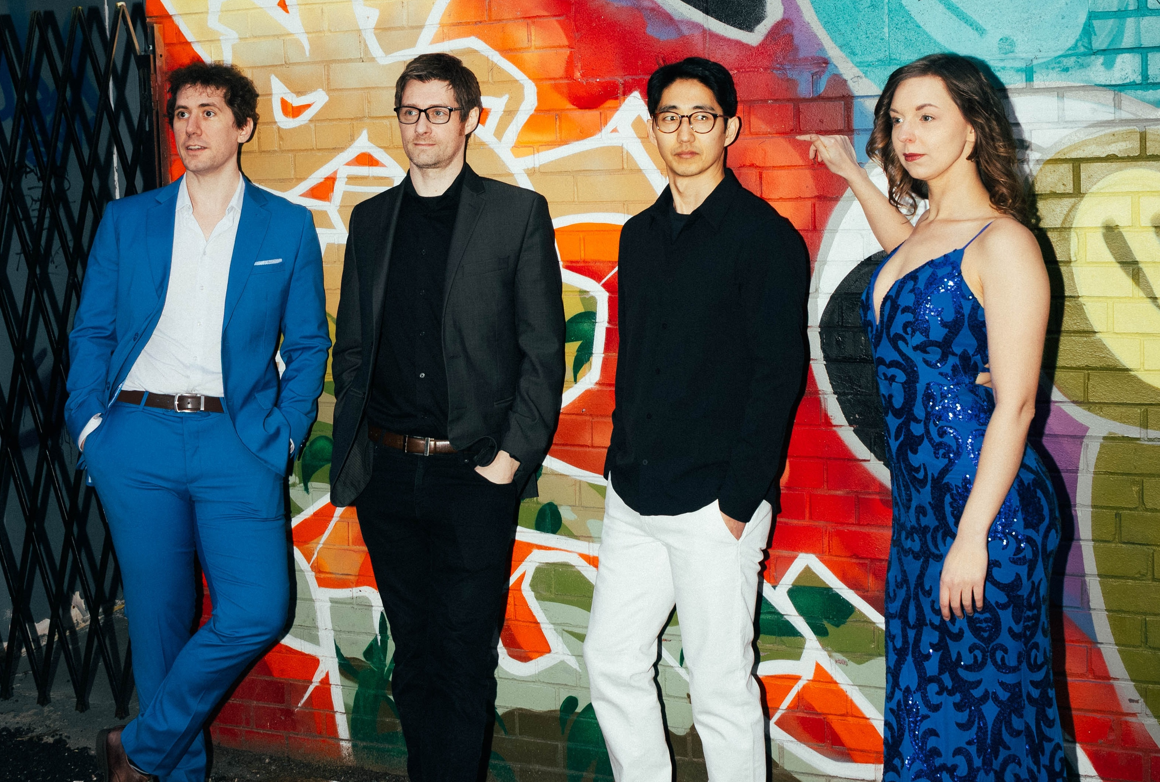
Awake & Dreaming are a quartet from Waterloo, Ontario; they are used to working in contrast-smoothing things over is not their style. Sasha Kristoff (vocals, keyboards), Stefan Schneider (guitar), Phil Lee (bass), and Ryan Dugal (drums) create music in which ghostly minimalism grows into hymn-like drive, and dark temptation turns into street rebellion. Their debut album “Inevitable,” due for release on October 16, 2026, is built around a subtle concept of duality: this is a space where fragile piano intimacy collides with avant-garde walls of distortion, and a quiet confession swells into widescreen catharsis. Produced with particular care and designed for vinyl, the album passed through the hands of nine-time Juno Award winner Jay Dufour, who handled the mixing, and the legendary João Carvalho. The album’s declared theme is how to remain human in a world that methodically silences you. Behind this formulation stand ten separate, unlike attempts to answer the question-each from its own angle, at its own speed, temperature, and degree of candor. To listen to the album in full is to travel a path from cautious self-recognition to religious release. In the songs, not only atmosphere matters, but also dramaturgy-the way one track passes the baton to the next. I want to focus on several tracks that impressed me especially.

The album opens with the song “I U Me,” entering with untamed energy and deceptive restraint. Calm guitar picking and tart vocals gradually pick up the tempo, yet the track does not lose its melancholic depth. This mood is sustained by graceful piano, refined vocal parts, and haze-draped guitars. The quartet immediately makes it clear that here the process matters more than the destination. After the melancholic beginning, the impulse is picked up by “Rewire.” The dynamics change: the sound becomes faster, sharper, and more ultimative. The music conveys a sense of mental reboot, when old chains break, freeing space for new perception. The band proves that hardness comes to them no worse than tenderness. The vocals change their plasticity-instead of drawn-out vowels, short, chopped phrases sound.
Into the atmosphere of dark temptation the recording moves on the track “Antidote.” Shadowed, hypnotic instrumental parts intertwine with sensual vocals, creating the right balance between dangers and healing. The song provokes curiosity, and the longer you listen, the more obvious it becomes that behind the external restraint hides a rather candid statement about desire. Moving to “Cold Shoulder,” I encountered a cinematic drama: long, hanging-in-the-air guitar lines open the track, after which the drums smoothly enter the game. The sharp and broken vocals convey coldness and emotional distance. The central point of the album is the lead single “Underwater.” Expressive drums and piano come to the fore. The languid, mystery-draped vocals at times soar into high registers, adding special tenderness and poignancy.
My favorites on the album, “Lights Down Low” and “Can’t Sleep,” lead the album into the zone of intimate lyrics. The first is a sensual and restrained exploration of the edge where desire collides with despair. The second is a seven-minute monumental epic: even slower and more drawn-out, with high vocal notes hovering over the arrangement. Together these two tracks reveal the band’s emotional maturity. The musical confession is concluded by “Event Horizon.” The final point begins with majestic organ sounds, to which vocals ascending into the heights are added. This prayer-song becomes the final catharsis, drawing a line under the whole album and leaving a feeling of bright liberation.
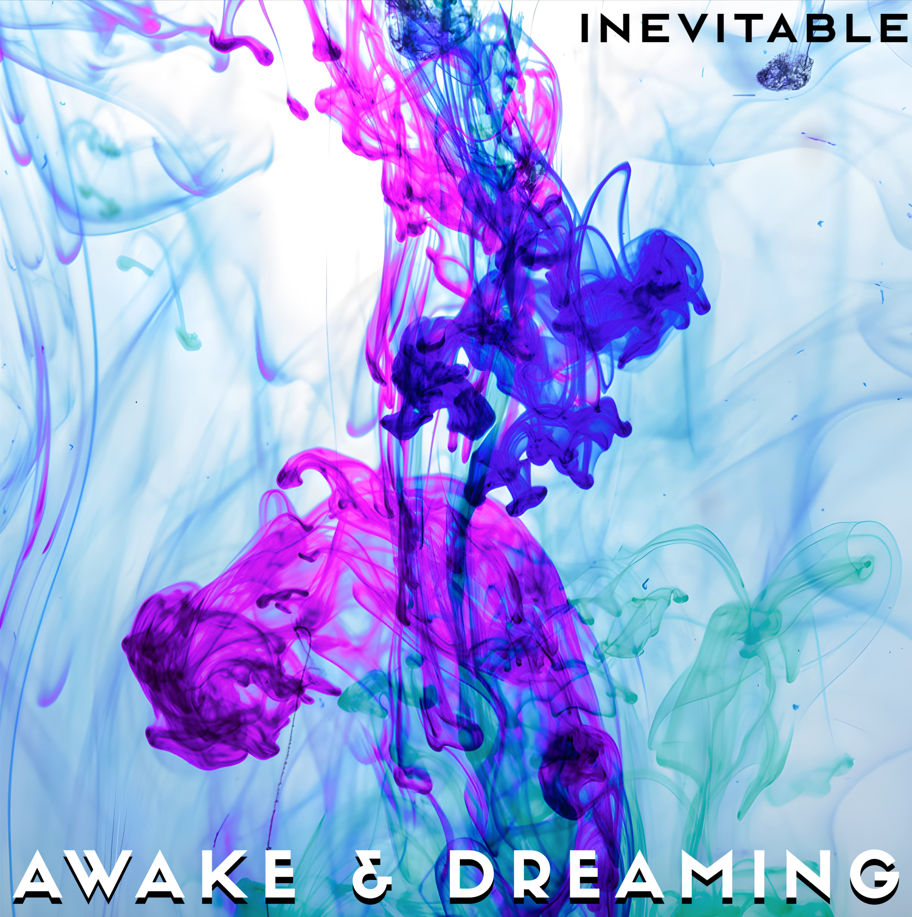
As the musicians themselves note:
“We wanted the whisper to feel like a shiver up the spine: the world at full volume, and this one quiet taunt right in your ear. The verses are supposed to feel caged, because that’s how it feels. Then the drop opens the room, and by the bridge we’re stacking voice on voice until it’s not one person anymore, it’s everyone. ‘Dance in the street while it’s burning’ is our answer to the cold shoulder.”
Without major-label support, the quartet from Waterloo claims the title of new architects of Canadian dark rock-and confirms it with the density of their material: ten tracks without a single filler moment. “Inevitable” is proof that sincerity is still able to break through algorithmic noise. Awake & Dreaming’s music lingers long after the organ fades in the final track.
You can pre-order the album and get to know the band on their official website: awakeanddreaming.com.
Published in partnership with SubmitHub