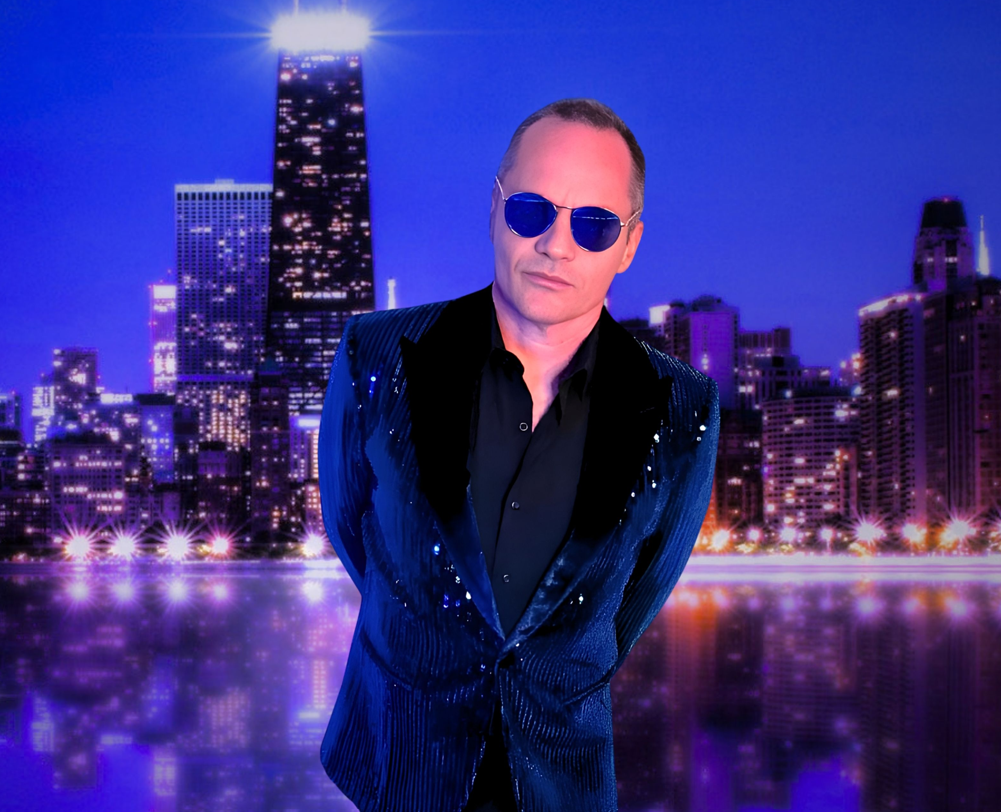
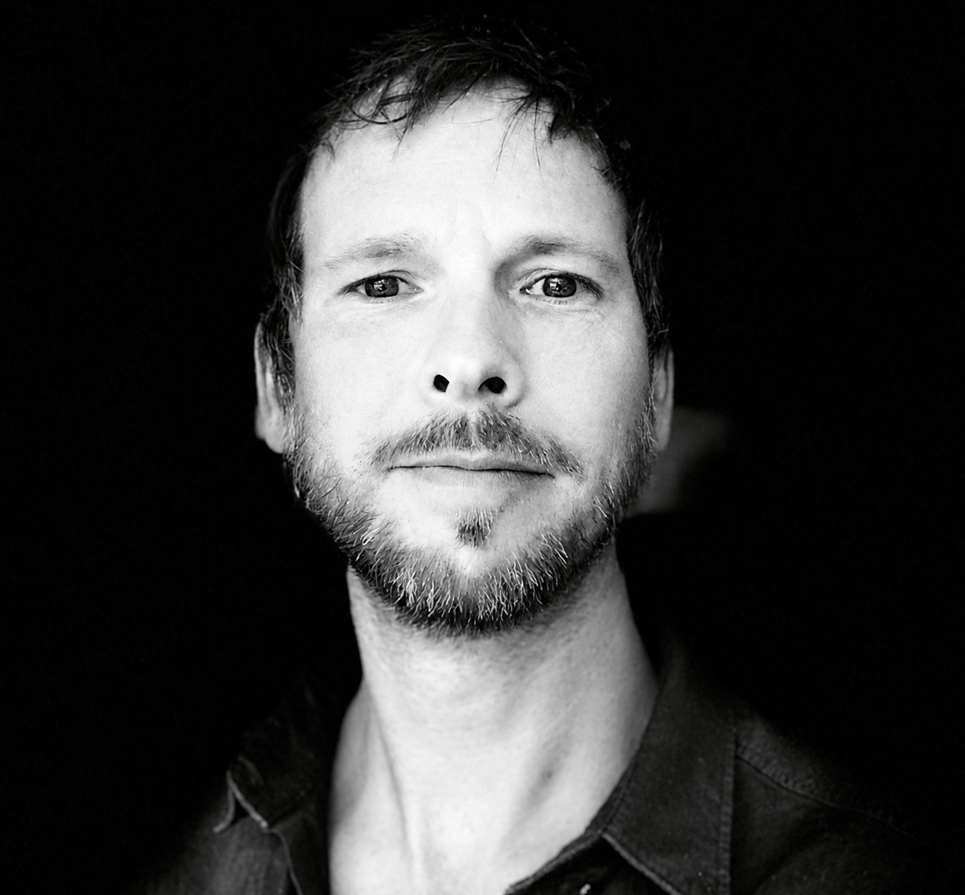
Even in an apocalypse you can dance. I say that without any kind of bravado really, I’ve just found myself tapping my foot to the news. The world is in shambles and yet the body still finds a beat. AJ Solaris (founder of the M4TR project – Music 4 The Revolution) has taken that very observation and turned it into a project. Synthpop, nu-disco and funk are the vehicles for his rather bleak thoughts on social issues, the power of technology and the nuclear shadow that still looms. He calls it future wave and the M4TR formula is a good time at the end of time.

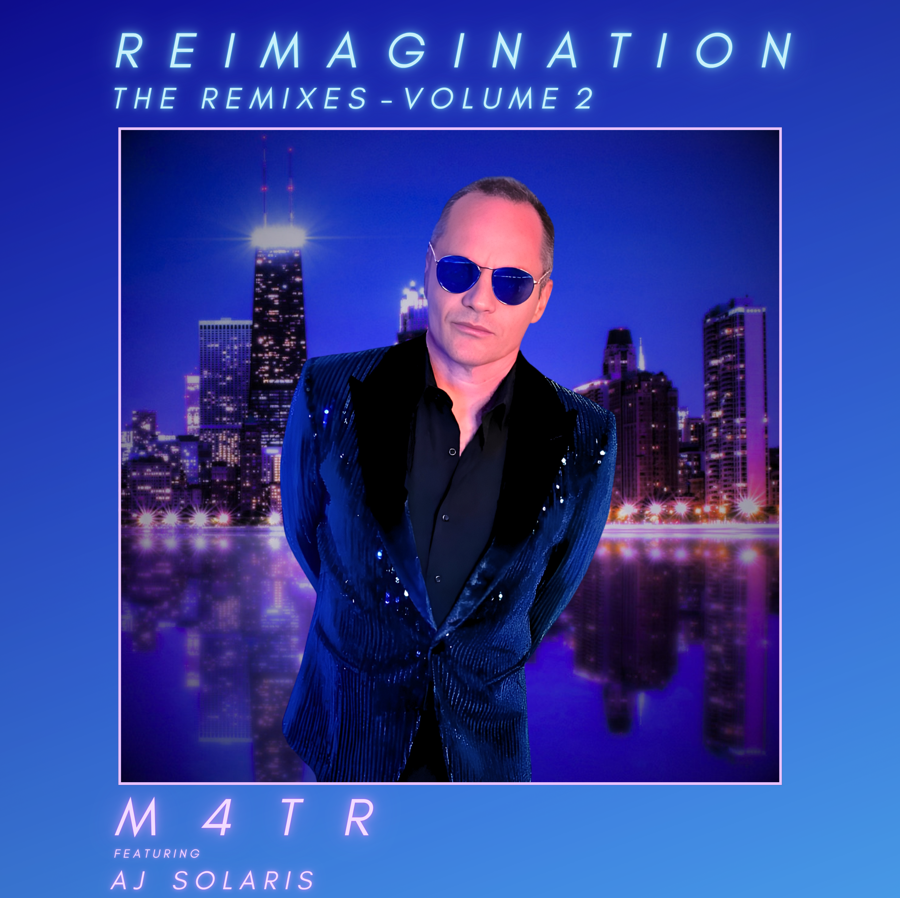
After the move to Chicago, M4TR opens up a new chapter in his life with the release of “Reimagination: The Remixes, Vol. 2”. This is the follow up to “Reimagination: The Remixes, Vol. 1” which came out in April. The new album is a recording of old songs, heard in a new light and from a new angle. It’s 12 tracks in total, all built around six songs. Five of the tracks are radio and extended versions of remixes by Philip Larsen (a Grammy winner, best known for his work with Soft Cell, Erasure and OMD). The sixth track “Monkey God” is presented in both Larsen’s version and in AJ Solaris’s own extended remix. The extended mixes are longer and the arrangement is allowed to breathe. The themes come back in a different light, the synth lines are all out in wide swells, the rhythm is much heavier and a three minute song becomes a short cruise across the dance floor. For the jazz fan this is very much the same question: does a good tune live in the notes or in the way it’s reinterpreted? You can see the same thing happening here. What’s left when you change the harmony, the tempo and the light in the room?
The album kicks off with the lead single “No Tomorrow (Philip Larsen Cold War Cool Remix)” and from the very first note it’s obvious how the mechanism works. Rather than a panicked response to the threat of nuclear war and the spectre of the Cold War, it’s a springy guitar strum. It establishes the mood immediately as the confident rhythm section of a very good jazz club, with the punchy drums and cold synths coming in next. The vocals are rather carefree in tone and the hook is absolutely immediate, turning existential dread into a reason to get on the dancefloor. The range of sound broadens right away with the remix of “Let Love Turn This World Around” coming in straight away with no long build up at all. It’s a disco drive at an accelerated pace and that works a treat. It’s absolutely refreshing in the way that it just delivers the rather simplistic notion of saving the world through love, completely unapologetically, through sheer kinetic energy.
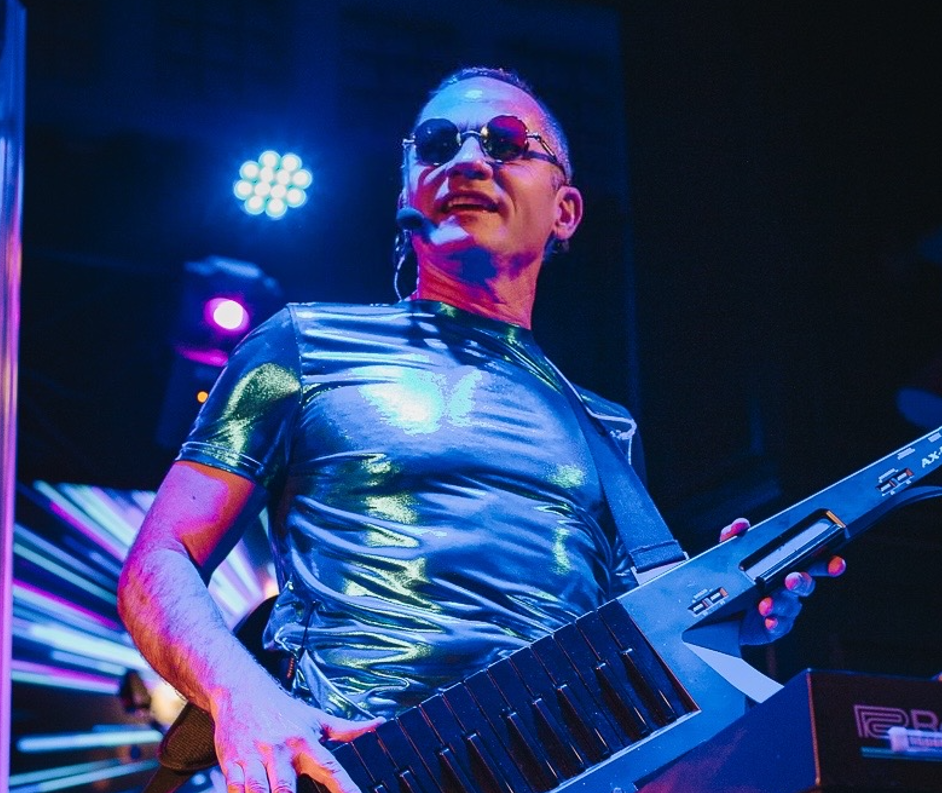
Then the mood changes completely. “Monkey God (Philip Larsen Broligarch Remix)” is a very good piece of work in terms of capturing the spirit of the age of the tech oligarchs, and is very much a song about Elon Musk. Musically it’s probably the most interesting thing on the album, with the electronic framework incorporating some very light Eastern inflexions. There are smooth, enveloping guitars and very crisp drums, all against a very sharp, at times quite prickly vocal which is very much the voice of a man attempting to play the part of a demiurge in front of an astonished public.
From satire in chrome we move into freedom under the neon light. “Cancel Culture (Philip Larsen Free Speech Remix)” is the second lead single and arguably the most direct track on the record in terms of its subject matter. It’s all about the condemnation of the public and the fight for free speech, but there’s no real weight to the statement. The rhythmic bed is underpinned by some very distinct east coast percussion, a mixture of deep hits, dry clicks and complex rhythms. It brings a real character to the track, a real counterpoint to the electronic sound, the funky bass and the layered vocoder harmonies. In the final minute the synth comes through from the thick vocoder texture into a high, almost signal-like register and the debate about free speech is suddenly just a feeling of open space.
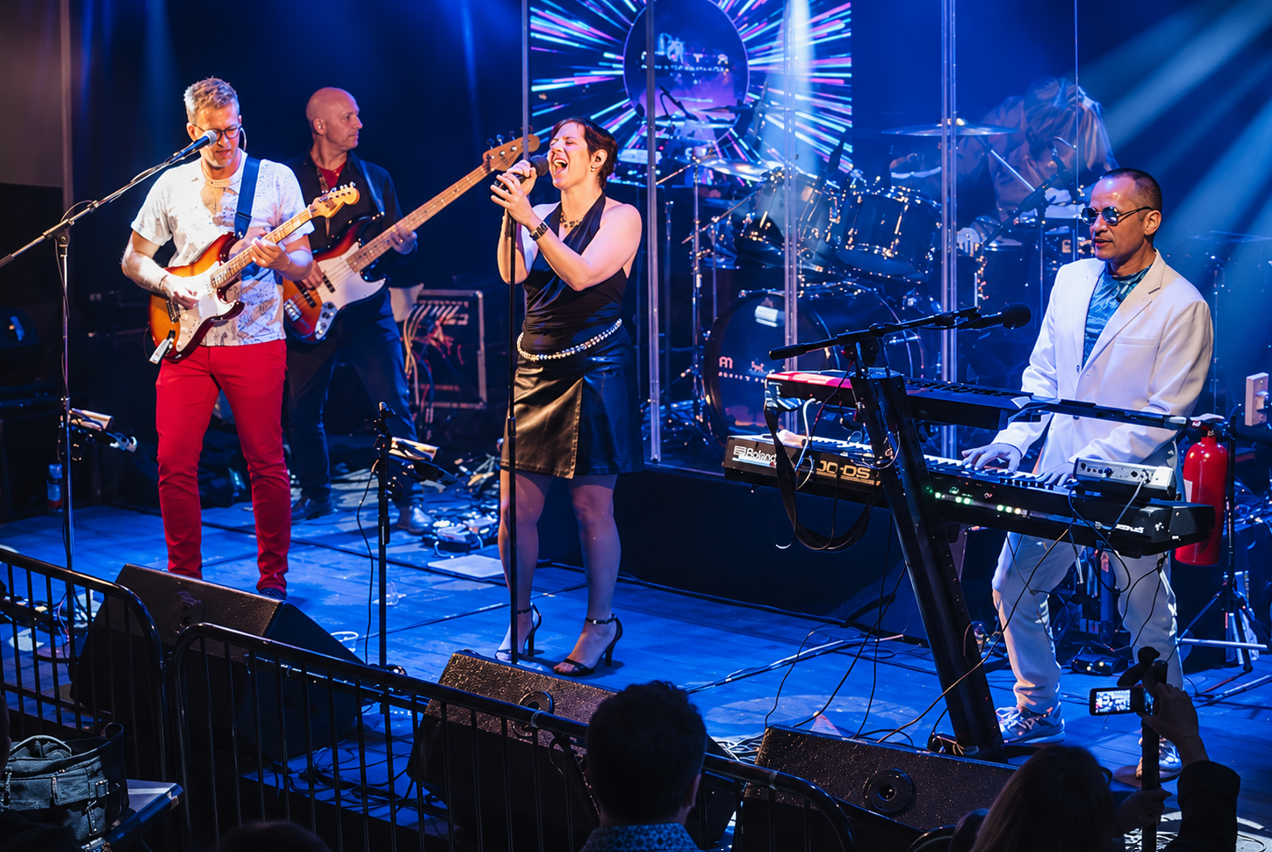
And then comes the extended versions which is what makes the album worthwhile to listen to in its entirety. These are about six minutes long (or a little less) and have far more complex arrangements and much more developed instrumental sections. The radio version is very much constrained by the melody, the extended versions allow the melody to have space to breathe, to think, to step back and come back again. It’s very much in the jazz ear to have the theme of the piece given the space to talk to itself. Solaris did two himself: “In It To Win It (AJ Solaris World Cup Extended Remix)” and “Monkey God (AJ Solaris Devolution Extended Remix)”. Interestingly “Monkey God” is on the album twice, once in Philip Larsen’s version and once in AJ Solaris’s own extended remix. The difference between the two is very much like a quarrel between two men telling the same story about the same hero. Larsen is very much the man who draws the hero in and defines him very clearly, very densely. Solaris is the man who leaves the hero more space to breathe (and the listener more space to breathe too).
Ultimately what we have is an album about an inherently unstable world: nuclear war, techno oligarchs, freedom of speech and love in the face of all that. AJ Solaris and Philip Larsen have made remixes you can actually dance to in a dystopia. The anxiety is there, but the artists don’t let that dictate the music.
Published in partnership with SubmitHub