In one of the shots of Andrei Tarkovsky’s film “Nostalgia,” the main character tries to carry a lit candle across the dried pool of Saint Catherine. The trembling, vulnerable flame that must be protected from the wind is a metaphor for longing for the homeland and a desperate attempt to preserve a living connection with one’s roots when the rest of the world has irreversibly changed. Distance, as is known, erases memory or turns it into an absolute. The image of a person carrying through space and time something weightless and unbearably heavy haunts me as I listen to the new album by Spanish composer and visual artist Jordi Forniés “Raíz y Recuerdo” (Root and Memory).
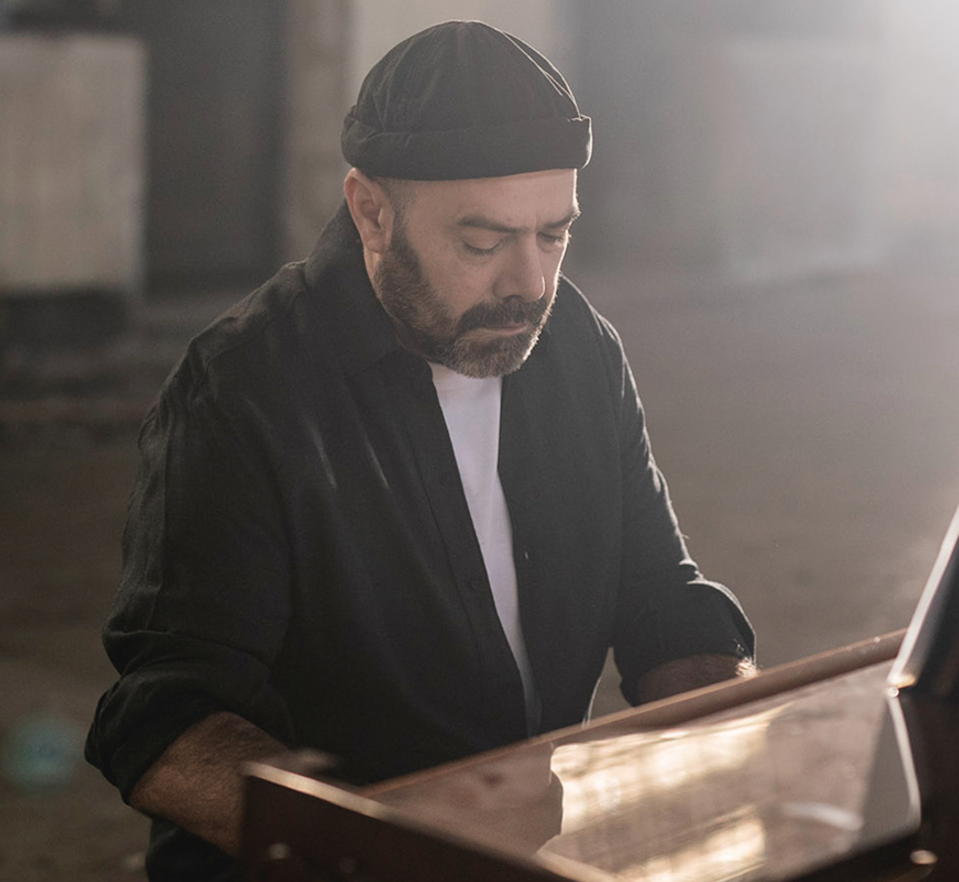
There is no conceptuality in it in the usual sense. It is sincere and heartfelt: sixteen pieces for piano, classical guitar, and cello, assembled into one long emotional sentence. Forniés is a Spaniard living between Australia and Singapore, a former resident of Decca Records and Universal Music Classics, a doctor of chemistry, an artist with exhibitions in Venice and Dubai – the biography itself sounds like a metaphor of dispersion. But the album is not about dispersion, but about attraction. Recorded in the Josep Carreras Hall in Vila-seca, where Forniés studied piano, and mixed between two continents, the album reproduces its own theme: roots here, life there, music as a bridge.
The opening pieces “Volví a Encontrar,” “En Mi Alma,” and “En Silencio” act like a defocused gaze from a train window: familiar outlines blurred by speed. Forniés’s piano is quiet, laying a line that the guitar of Lucas González picks up with the special warmth of nylon strings. The cello of Štěpán Švestka, for example in the piece “En Silencio,” adds tangibility to the narrative. Its melancholic, drawn-out lines outline the contours of “family cinema.” A delicate, somewhat refined, intelligent manner of performance is established – in this, without a doubt, Jordi Forniés with his soft, elegant style is recognizable. The most delicate touch to the keys in “Como Árbol” and “Un Millón de Emociones,” the tremolo and arpeggiated chords of the guitar – like an airy breath and an elegant splash of the water surface. It seems you are sitting not on the other side of listening, but on the shore of a quiet lake.
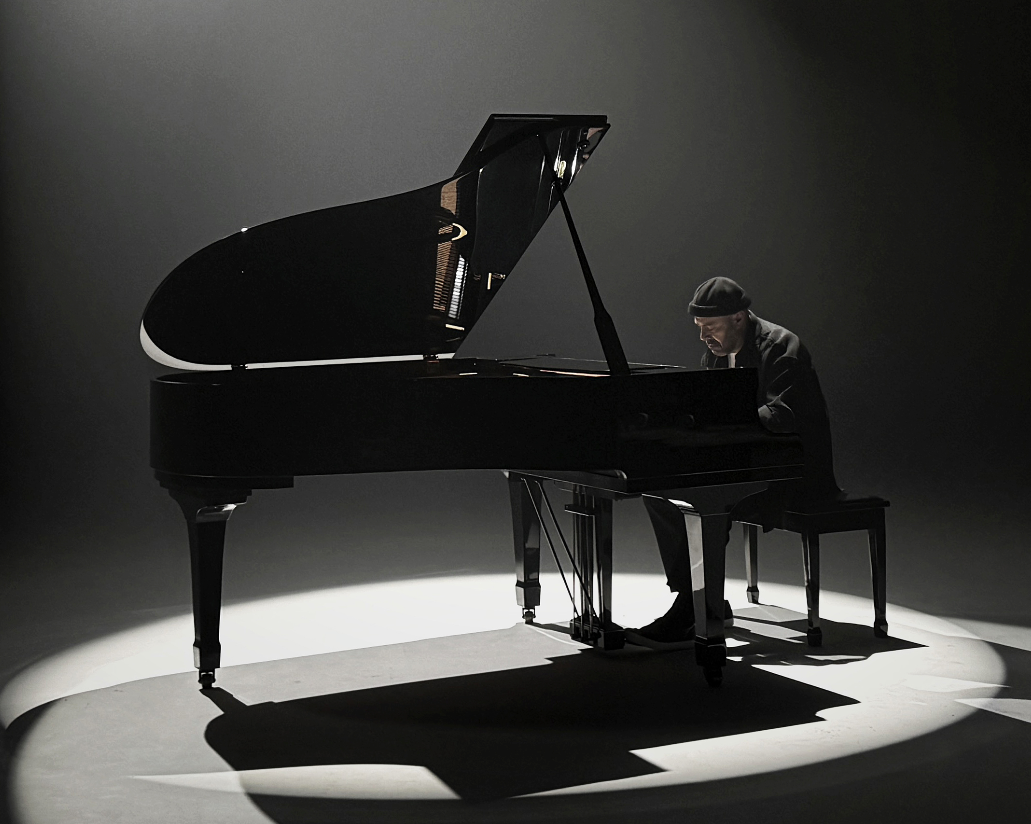
The interpretation of almost all the compositions of the album is sustained in the spirit of nostalgia with “eyes on a wet place,” for example in the composition “De Un Lugar Profundo,” performed in a restrained, subtle manner. And such an approach bewilders, disarms, and enchants, especially when there is such partnership in the person of Štěpán Švestka and Lucas González. In addition, the style of performance of the musicians is distinguished by sound culture, attention to detail, but most importantly – the restrained “intelligence” of interpretation, in which the work itself comes to the fore, not its performers. Jordi’s music on the album unfolds smoothly and sensually. The mastering by Boris Milan gives the sound the necessary transparency. This is important: the album is recorded in a real acoustic space, and this is one of its main advantages.
The titles of the sixteen pieces in Spanish, when read sequentially, form a poetic phrase – a device elegant and unobtrusive, like everything here. Forniés does not explain, he offers. The pieces “Aire” and “Volví a Sentir” leave a strong impression: on the one hand, incredible pianism and richness of the sound palette, but on the other – freedom of interpretation, at times turning into following nostalgia. This gives rise to the image of a burning candle, trembling in the wind and melting with each drop of wax. With the help of brief musical gestures, the author builds an entire narrative. This is most clearly demonstrated in the compositions “En Sólo Dos Días” and “Esa Calidez” – the author explores the possibilities of sound poured into time. Carried by a sunny wind, the composition “Dentro Del Corazón” soars. Delicate touches of the guitar in places add “soledad” (Spanish bright sadness). There is so much sensitivity, tenderness, unexpected transparency in it, especially in the wonderful episodes of the second part. The piece “Con Tu Presencia” captivates with a freely flowing melody accompanied by the most delicate strings. It sounds romantically unreal: one hears only a very slowly played beautiful memory. The final “Más Cerca Que Nunca” reveals the theme of transience, momentariness, after which follows a culmination in which the pianist reaches the peak of dramatic intensity.
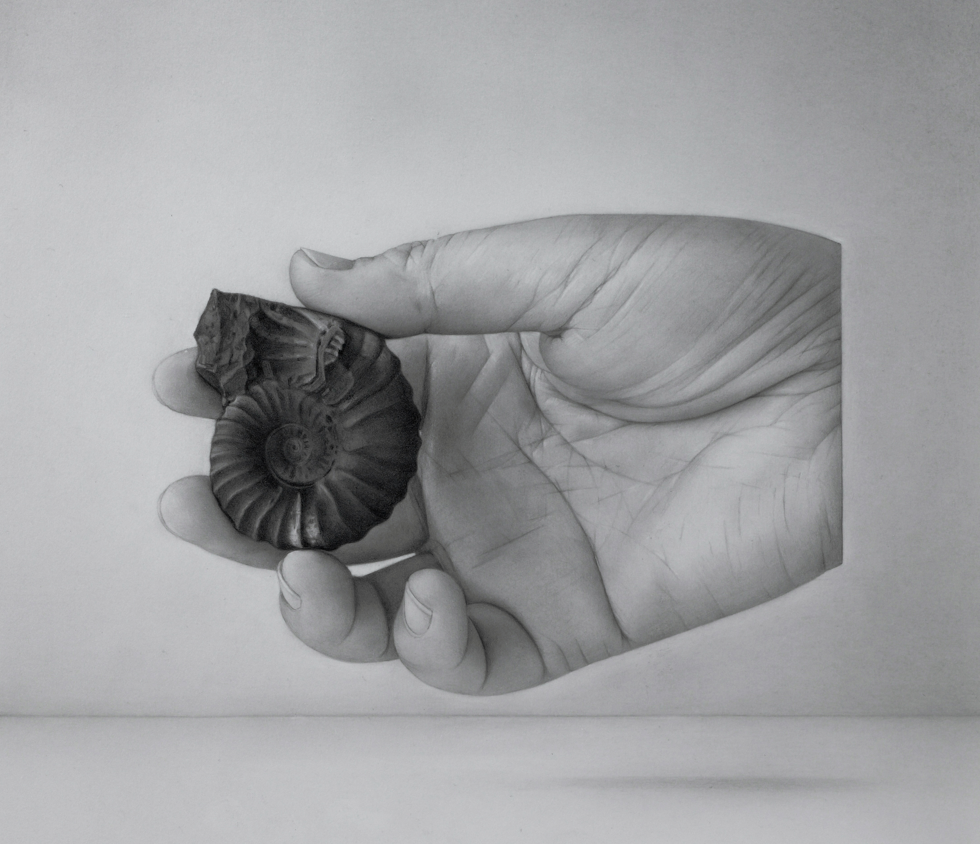
The album “Raíz y Recuerdo” sounds bright, emotional, even passionate. “The work that comes from my hands feels like an extension of myself. Raíz y Recuerdo is connected to me, to memory and to my roots in a deeply personal way,” says Jordi Forniés. The album is indeed listened to as a personal story. Tarkovsky’s hero eventually carried the candle to the end of the pool. The flame did not go out. Forniés did the same – only across several thousand kilometers and sixteen pieces. “Raíz y Recuerdo” is available on all streaming platforms; it is easy to recognize by its cover – the original – original pencil drawing by Japanese artist Chizuru Masumura.
Published in partnership with SubmitHub