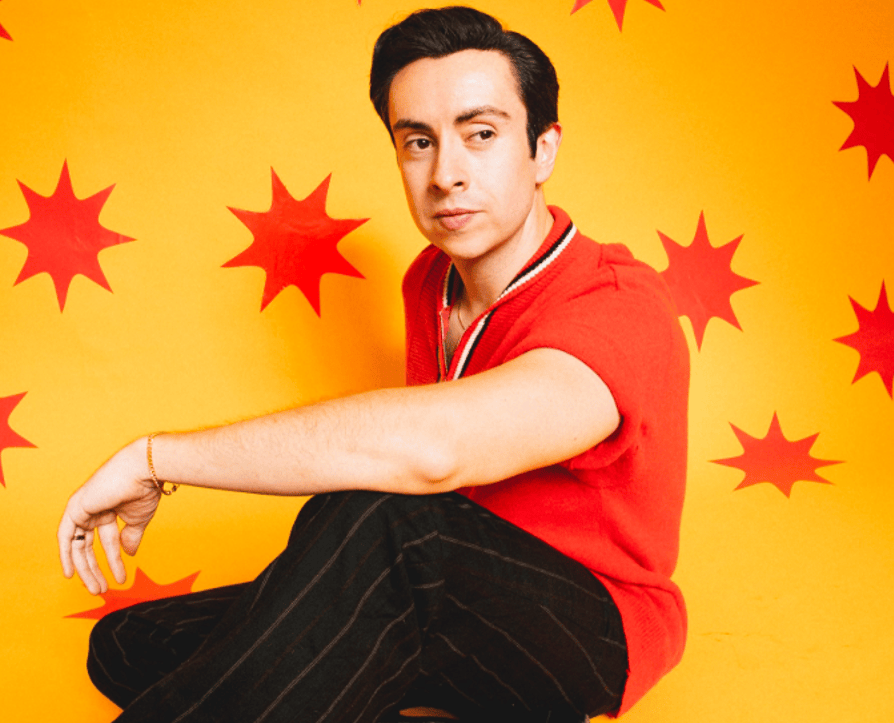
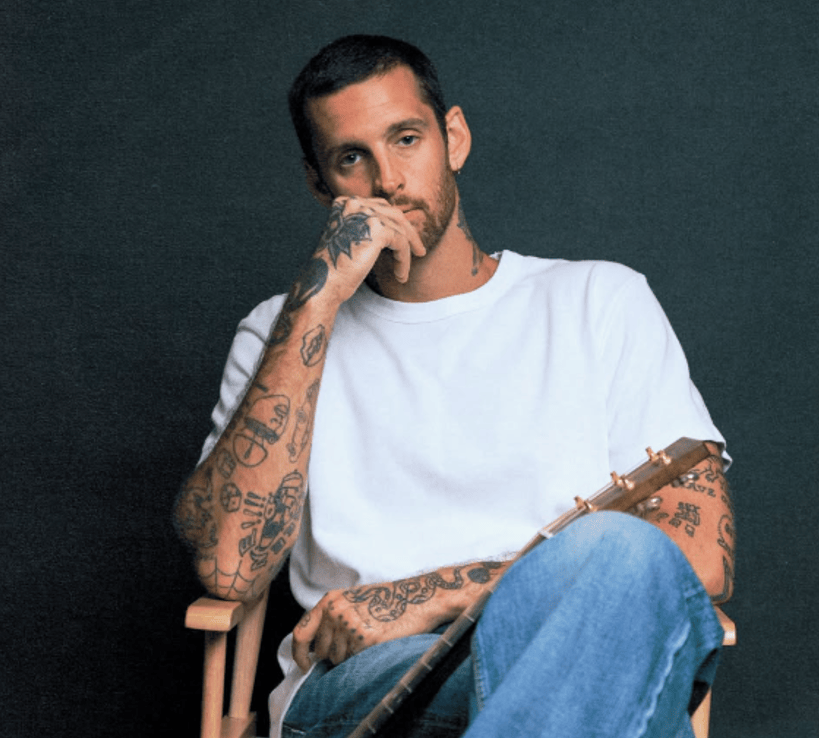
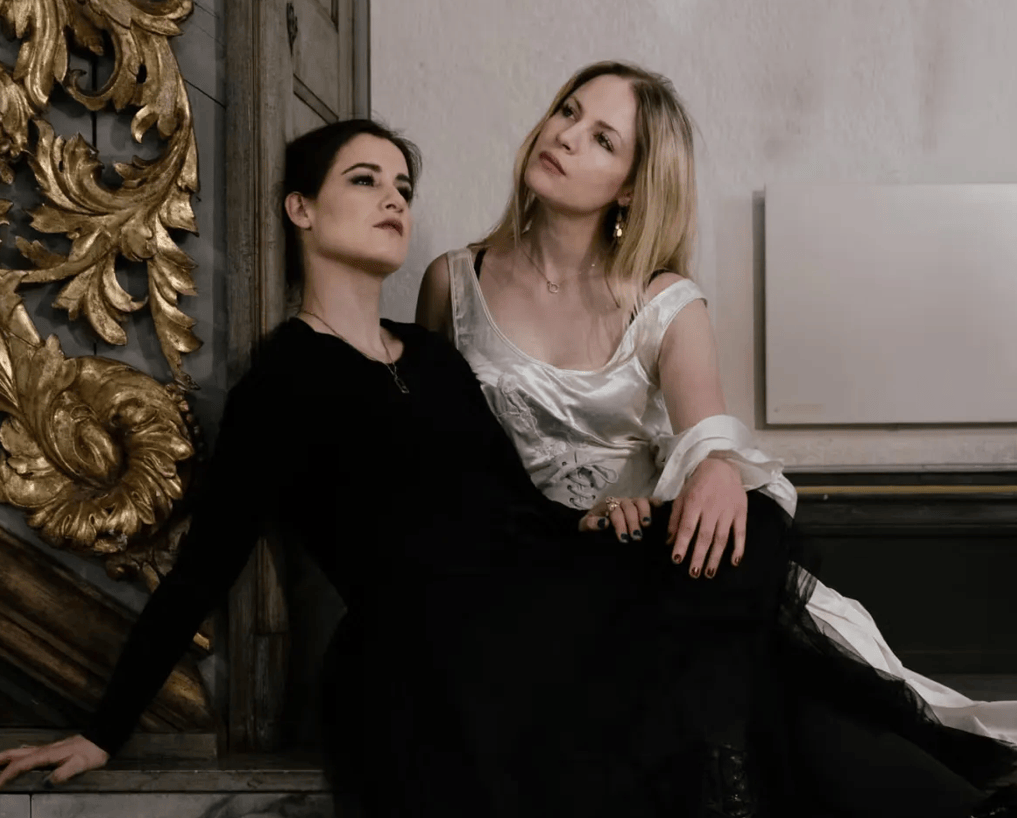
There are emotions and memories that never find words. They remain living on the outskirts of consciousness – as a light shadow, an indistinct echo, an elusive feeling for which a form has not yet been invented. It is precisely this wordless sphere that Alex Solely – a neoclassical composer and pianist – explores in his new album. Having received his education in the USA, he chose the path of meditative gazing into an individual note. Behind him are concerts in Vienna, Istanbul, and Tbilisi – cities with completely different air – and today Alex lives in Serbia and is published on the label Mascom Records. He has accumulated all his geographical and inner experience in an album with the cinematic title «Cascade». The geography of the recording itself sounds like an elegant route: the tracks were born in the Kazakhstani Zuh Studio, while the final mixing and mastering the release received in the iconic Norwegian Ocean Sound Recording Studio. Together with Alex, this emotional excursion is built by violinist Artem Len and cellist Zhanel Salamatova.
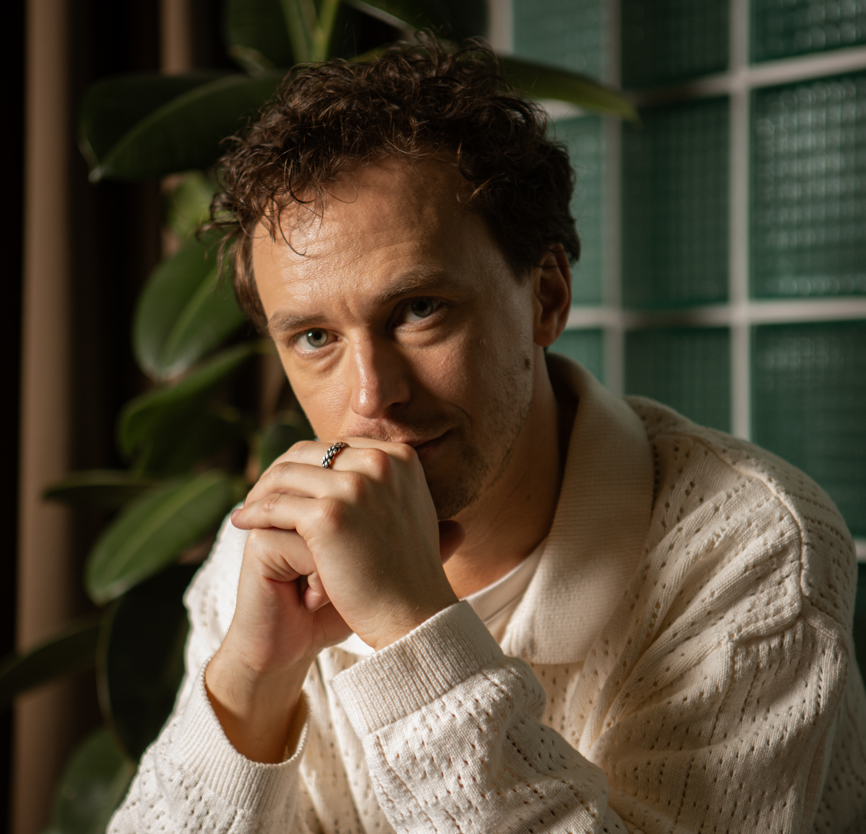
The title of the album, in my view, is chosen impeccably. A cascade is a series of smooth falls, where each movement logically flows from the previous one. The release itself is structured the same way: 8 compositions do not break off, but flow one into another, carrying away the echo of a lived thought and weaving into a delicate canvas of memories.
The lyrical and restrained manner of performance of Alex is recognizable already in the opening solo piece of the album “Morning Thoughts”, which plays with tonalities like the first rays of morning dawn. The emphasis is placed on fine detailing and the search for timbral nuances. The morning semi-languor gradually transitions into the title trio-opus – “Cascade of Nothing”. Strings join the piano, creating a delicate touch of bows to strings and fingers to keys. Chords soar upward and descend downward, like a light splash on a mirror-like water surface. “Cascade of Nothing” turns out to be a disguised “cascade of everything” – a search for slipping memories.
Next comes “Last Night” – a composition in which violin and cello weave a denser, gloomier fabric. It is a musical echo of the past day, when evening shadows become longer, and conversations become quieter and more frank. With their playing, the musicians envelop the listener in an atmosphere of nostalgia. The theme of stillness is picked up by “Little Bird”. The title sets a naive mood, but the piece turns out to be a fragile and touching parable about freedom. The violin part soars above the stable rhythm of the piano, imitating a trembling flight over a falling asleep city. The music becomes slightly more mobile: short phrases and light rises of the melody create a feeling as if the composer’s attention caught on something alive outside the window. But as soon as the bird hides behind the horizon, the listener finds themselves face to face with the track “Alone” – one of the deepest points of the album. The cello imparts to the composition a noble velvet sadness of solitude – healing and at times necessary in order to hear oneself. The soft timbre of the instruments sensitively reacts to every touch, turning any nuance into a separate sound event.
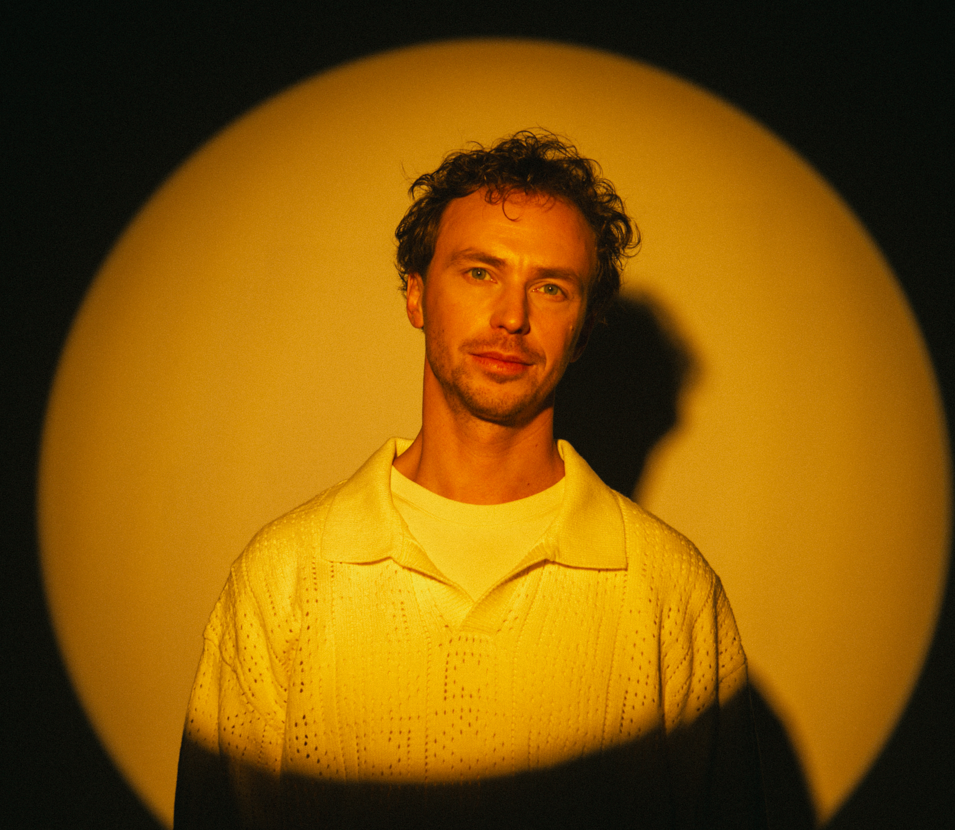
In the album one cannot find the brilliance of loud climaxes or the rumble of full-sounding passages, but in it there is an incredible intimacy of statement. “Fuss” breaks the meditative rhythm of the recording with light fussiness – as if for a second the outside world with its small worries burst into a quiet room. The piece works on contrast, reminding that silence is valuable precisely because noise exists nearby. The only track introducing light anxiety and a syncopated rhythm conveys the chaos of megacities and the noise of platforms through which the composer had to pass during wanderings. However, even the fuss comes out elegant and cinematic with Solely. The city noise subsides, giving way to the piece “Parable”. The philosophical melody-parable gathers all three instruments into a single harmonious dialogue, where each complements the thought of the vis-à-vis. The author explores the possibilities of sound spilled in time, boundlessly leaving the listener the right to finish thinking the story themselves. The album concludes with “Alone” (Piano Version). A return to the same point, but already without strings – only Alex and his instrument remain. The piano solo, sounding alone with oneself, draws a line and forms a tonal arch with the very first track, leaving behind a clean, long echo.
Listening to «Cascade» as a whole, it becomes clear: before us is a finely drawn portrait of Alex Solely himself. He knows how to laugh and cry, be sad and joke, and at the same time – enjoy life. Listeners are offered a collection of musical reflections born from places and meetings: landscapes that Solely explored on trips, and people he got to know along the way. Of course, memories can be different – not all cascades carry only pleasant things in themselves. But in the music of Solely, even in his quiet, melancholic passages, gratitude for what was is heard. Therefore, turning on «Cascade», one wants to close their eyes and allow their own memories – whatever they might be – to become a little bit brighter for a few minutes.
Published in partnership with SubmitHub