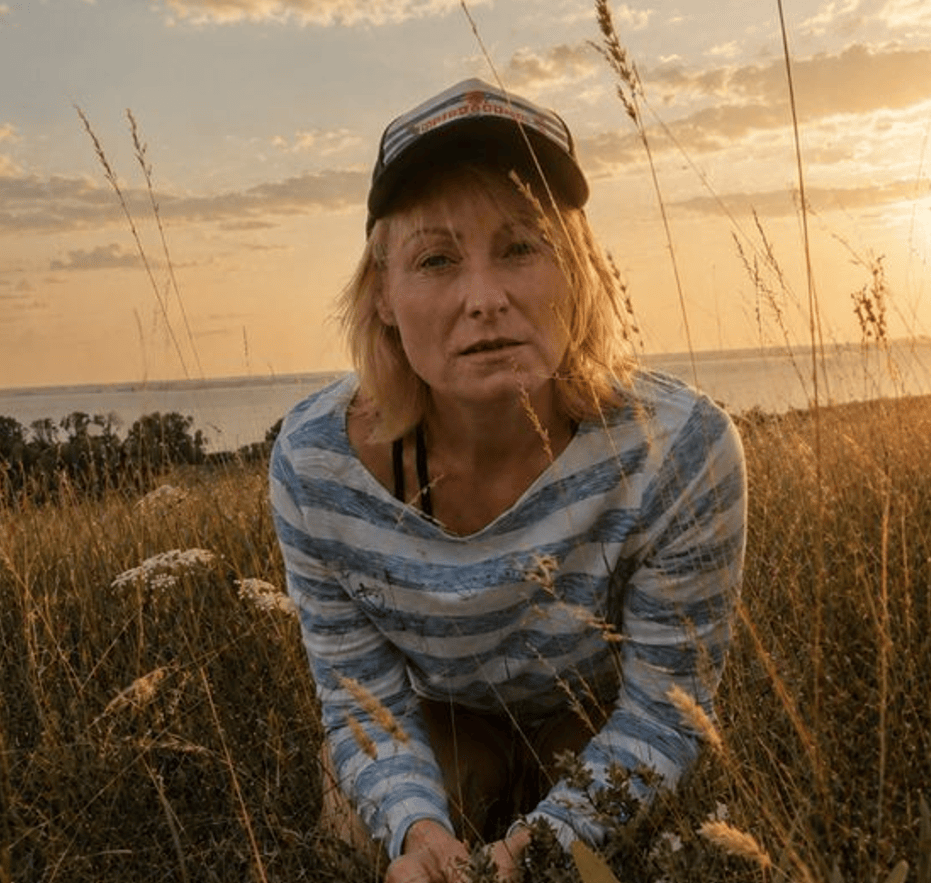
Musical tradition can sometimes resemble home cooking: on an old village table, the smells of different eras, stories, and countries mingle. Anne Lederman’s sixth solo album, “In the Kitchen Again”, gives the rare feeling of having touched living folklore. Lederman has played the violin for more than fifty years. She began with folk and singer-songwriter music, and the violin came into her life in her youth, leading her into the Canadian tradition with all its variety, including the heritage of Indigenous peoples. There were Muddy York and the Flying Bulgar Klezmer Band, her own ensembles, musicians from different countries, teaching, theatre, and two organizations-Worlds of Music Toronto and World Fiddle Day Toronto-so that world music would be heard more often in the city. In 2016, she received the Estelle Klein Award for her contribution to Canadian folk; in 2022, she was inducted into the Canadian Grand Masters Hall of Fame.
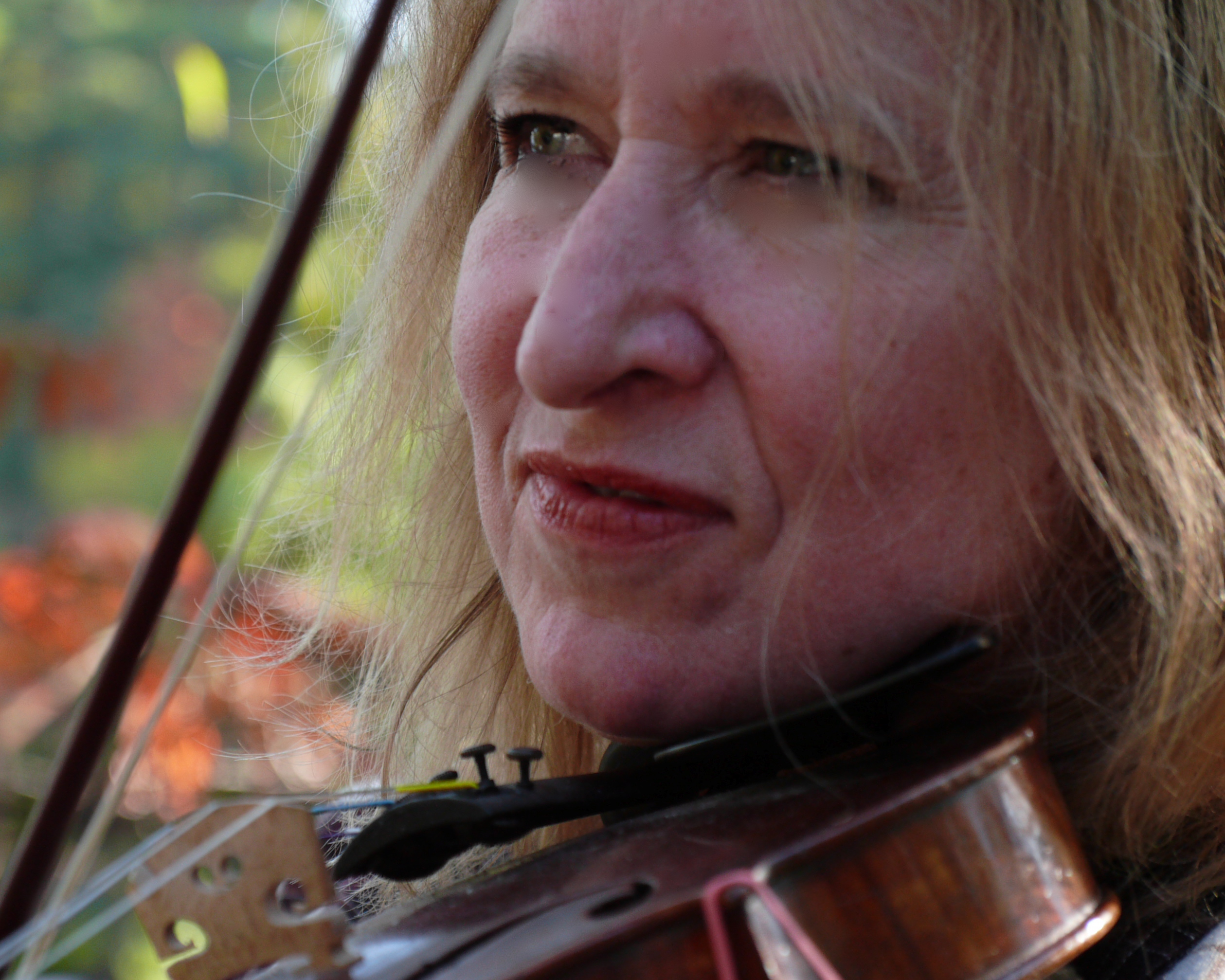
After such a path, it would be easy to become a monument, but Lederman has remained a storyteller. The album, which will be released on October 30, is assembled from melodies written over the past thirty years. Together with pianist and accordionist Emilyn Stam and multi-instrumentalist Joseph Phillips, she returns to her Celtic-Canadian roots and builds from them a portrait of her country: different cultures, feelings, and stories. Here there is a medley of her own fiddle melodies, tributes to friends, music for the theatre, several pieces with the devil as the main character, and lyrics about what concerns her now.
The recording opens with “WWF,” a medley of four melodies (“Lorraine of the Lake,” “The Red Hat,” “WWooF,” “The Loon’s Dive”). It is lively and fast, with fiddle, piano, and double bass. It is dedicated to the Wild Women Fiddlers and to one gathering at Lake Simcoe: music, food, laughter, and a hostess named Lorraine, who, of course, belonged to the Red Hat Society. “May we all be lucky enough to find the same friendship and such a wonderful community of like-minded people,” says Lederman. A smooth transition leads into the cycle “Ian in Between” / “No Best Before,” dedicated to Anne’s longtime creative partner, Ian Bell. He is a songwriter, multi-instrumentalist, storyteller, and artist, as well as her longtime partner in Muddy York. He also carved the engraving with Anne’s portrait and created the album’s artwork. In the first part, piano and fiddle lead a light, waltzing dialogue, making room for one another and gently pushing the piece forward. In the second part, Lederman’s bow becomes swifter, coming to the foreground with confident, joyful expression.
But “For a Girl” is entirely different. A sad and very beautiful ballad, written for a loved one facing serious mental-health difficulties. Lederman sings here wordlessly. The hardanger fiddle, piano, and tenor viol sound. In a sense, Anne wrote the piece not so much about her daughter as about her own shock-about the moment she learned of her illness. Just yesterday, before her stood a carefree, laughing child; today, the familiar world had cracked. But many people face such darkness. And it is precisely then that melodies like this are needed-to live through the pain and give it a place for which no words can be found.
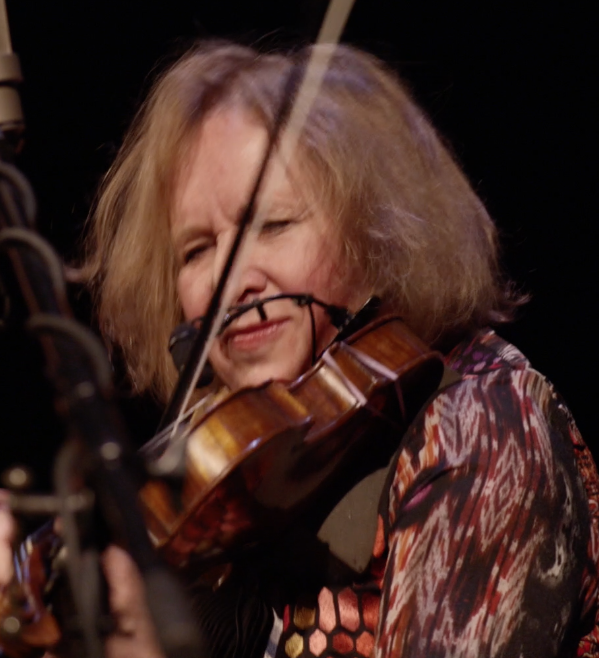
Much of “In the Kitchen Again” is music with an addressee: friends, colleagues, theatrical characters, memory. But Lederman avoids the solemn heaviness to which tributes often fall prey. In “Mandala for Oliver” / “Greetings to Anne Lederman,” the conversation with friends continues-only now it is correspondence in notes. The fiddler Oliver Schroer, who is no longer with us, wrote three melodies for Lederman. One of them, “Greetings to Anne Lederman,” he composed for her arrival on the Sunshine Coast: the young musicians meeting the plane played their own melody for each guest, and this one, unknown to her until that moment, was hers. The answer was “Mandala for Oliver,” a melody that curls into a ring, like a snake biting its own tail. The piece wins you over with its whimsical rhythmic shifts and unpredictable harmony-qualities that both musicians valued in each other.
The narrative then takes on a theatrical dimension. The composition “Angan Waltz,” written for the play The Drawer Boy, unfolds through a melancholy fiddle motif accompanied by guitar and keyboards. The music breathes with hidden tension and secrets. Another beautiful gesture is the piece “Piping Pat,” composed for piper Pat O’Gorman. Anne constructed the score so as to let the instrument reveal all nine notes available to it: from thoughtful unhurriedness to a swift Celtic tune in the company of double bass and piano. The theatrical thread continues in the numbers “Miles’ Frustration” and “Restless Mind.” Here, fiddle and accordion enter into a lively dialogue, conveying the character’s inner turmoil-from timid, cautious optimism to the bright hope that, after all the storms, life will surely return to normal. The album closes with “Surprise.” Written for Sue Meggs’s sixty-fifth birthday, it conveys the calm dignity of a person who for many years helped Lederman turn ideas into texts and projects. Fiddle, piano, double bass, and tenor viol come together into a warm, steady picture and an invitation to stay a little longer.
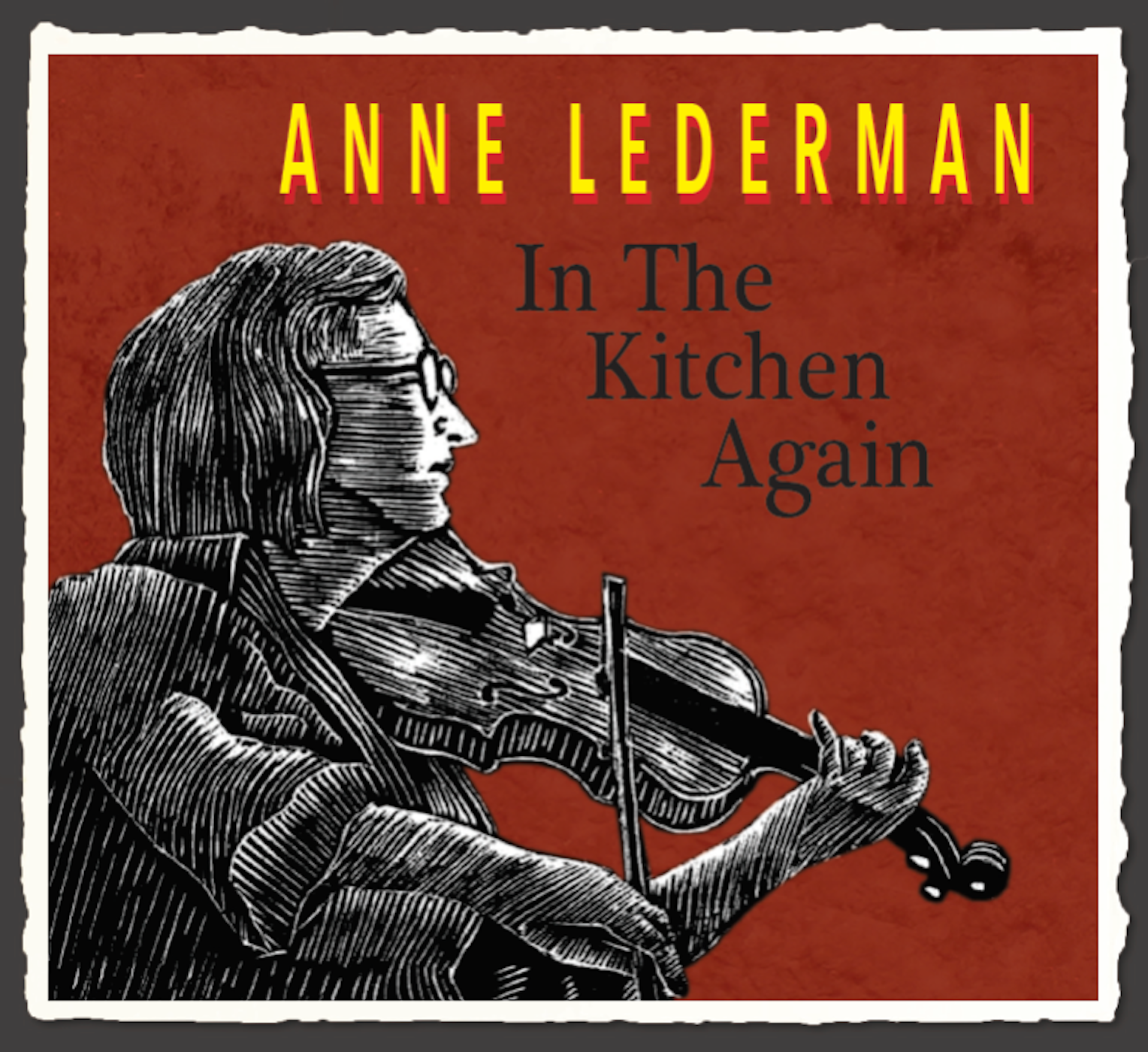
Cover Art by Ian Bell
“In the Kitchen Again” is an album about a living tradition that continues and changes along with people. For Anne Lederman, folk is a connection to places, memory, and personal stories.
At the center of the album are melodies in which friendship, loss, joys, and the experience of lived years resound. “In the Kitchen Again” will be released on October 30, and on November 8, Lederman will present it in concert at the Small World Music Centre in Toronto. The album’s title recalls gatherings around a shared table, where music is played above all for one another.